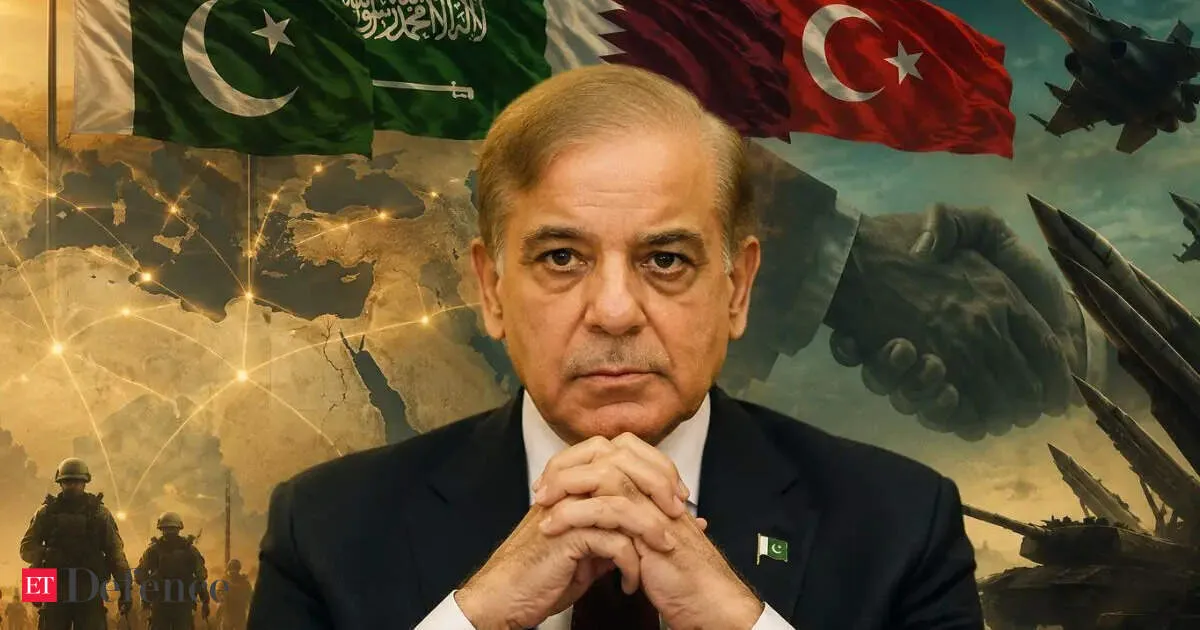
Pakistan’s Defence Minister Khawaja Asif says an “Islamic NATO” is moving from speculation to planning, with Saudi Arabia, Pakistan already in, and Qatar potentially joining as talks with Turkey advance. The proposed alliance is framed as reducing reliance on outside powers while creating a coordinated deterrent across the Gulf and beyond. The concept draws from a prior Saudi–Pakistan pact signed last year that mirrors NATO’s Article 5 collective response, potentially adding Turkey’s military depth and Qatar’s strategic logistics.
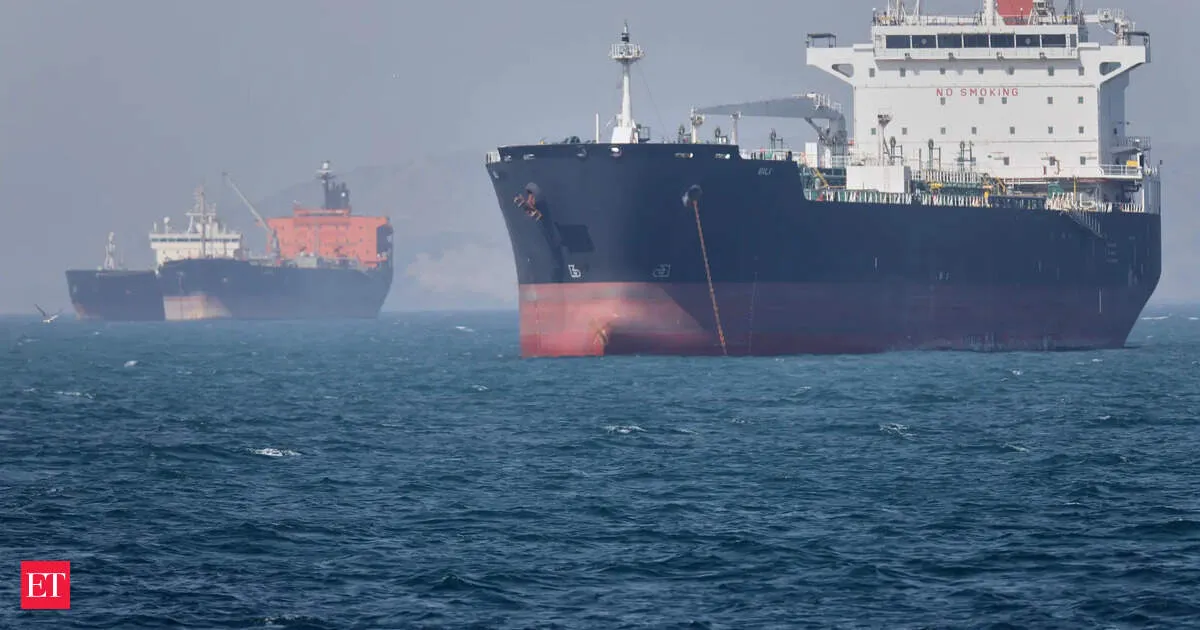
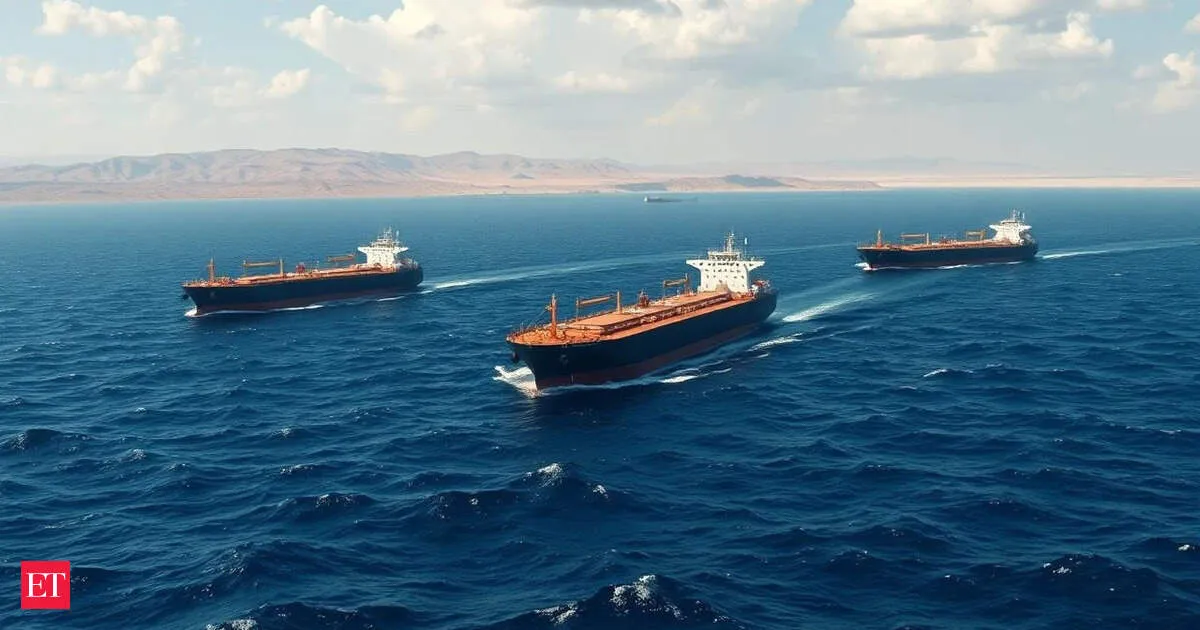
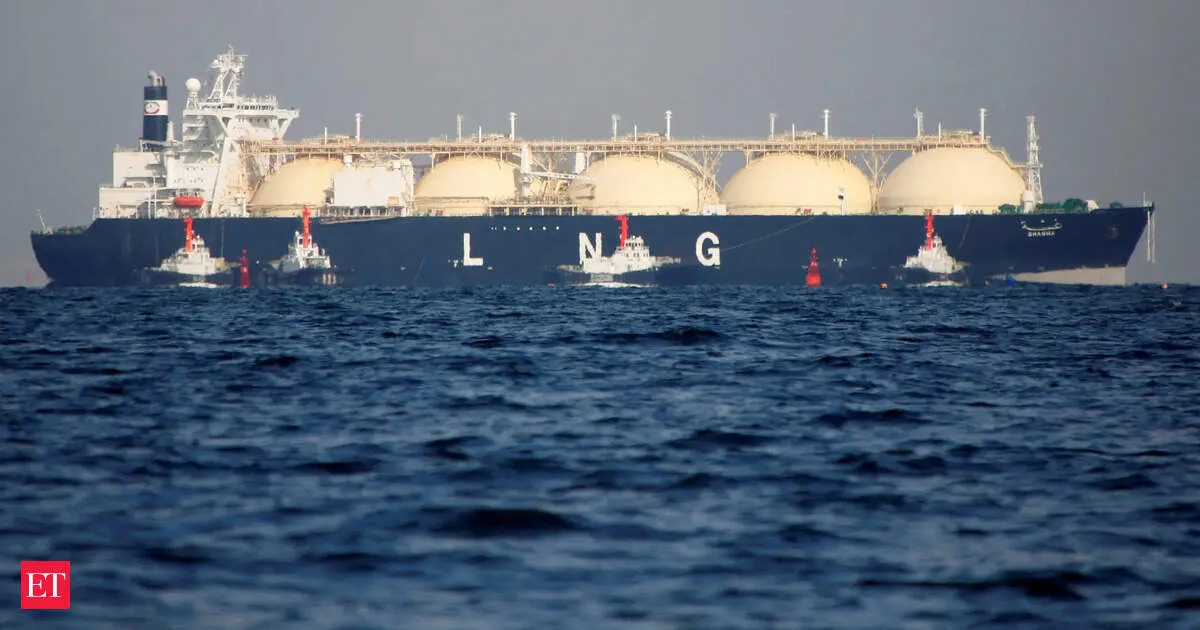
A second Qatari LNG tanker, Mihzem, is transiting the Strait of Hormuz toward Pakistan after an earlier ship cleared the route. The passage is allowed under an Iran-approved arrangement that permits Qatari cargoes to cross case by case, with Pakistan acting as a mediator. The move underscores how energy shipments continue despite escalating conflict risks around the waterway.
Your news, in seconds
Get the Beige app — every story in 60 words, updated hourly. Free on iOS & Android.
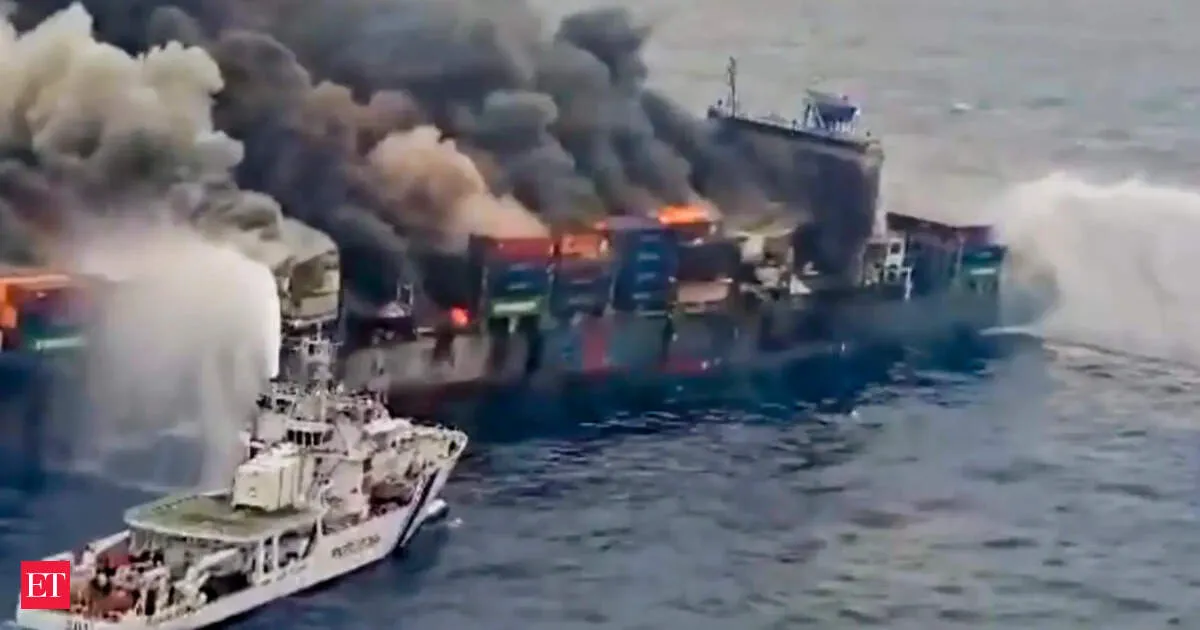
A British military ship caught fire on Sunday after an unknown projectile strike near Qatar, according to UK Maritime Trade Operations Centre. The resulting blaze was small and extinguished quickly, and no injuries were reported. The incident adds to a rising pattern of attacks on vessels across the Persian Gulf, heightening concerns over maritime security in the region.
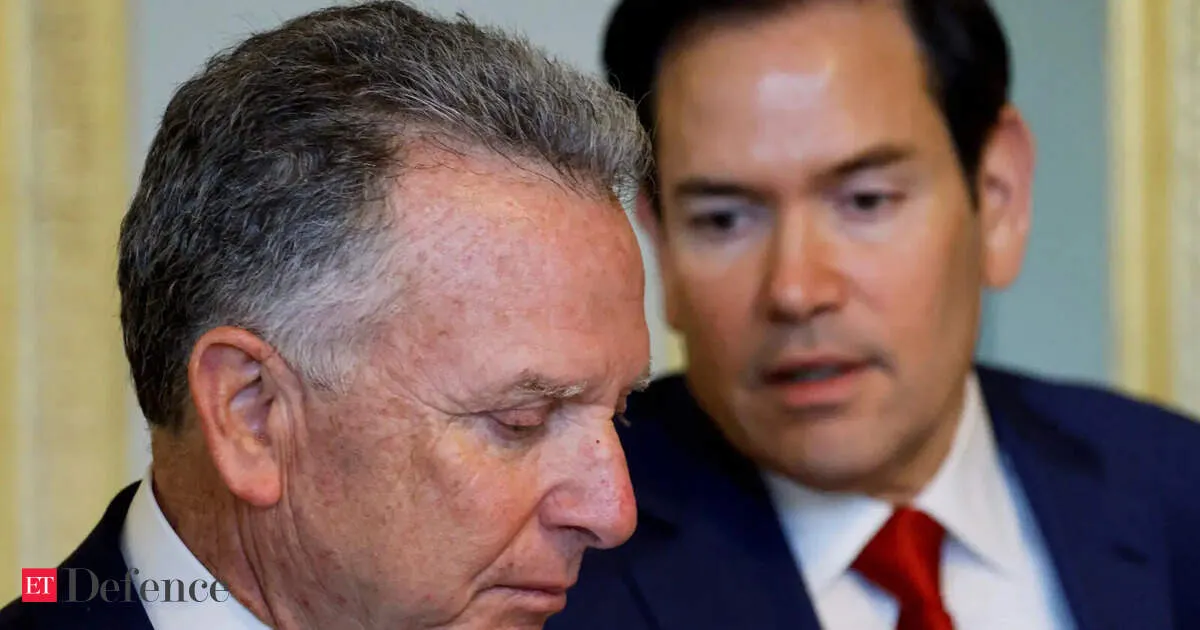
US officials including Rubio and Witkoff met Qatar’s Prime Minister in Miami to discuss negotiations with Iran. The talks are centered on a potential agreement aimed at ending the West Asia conflict, with mediators pressing both sides to de-escalate. Iran is still reviewing a US proposal and plans to respond when ready, leaving the deal timeline uncertain.
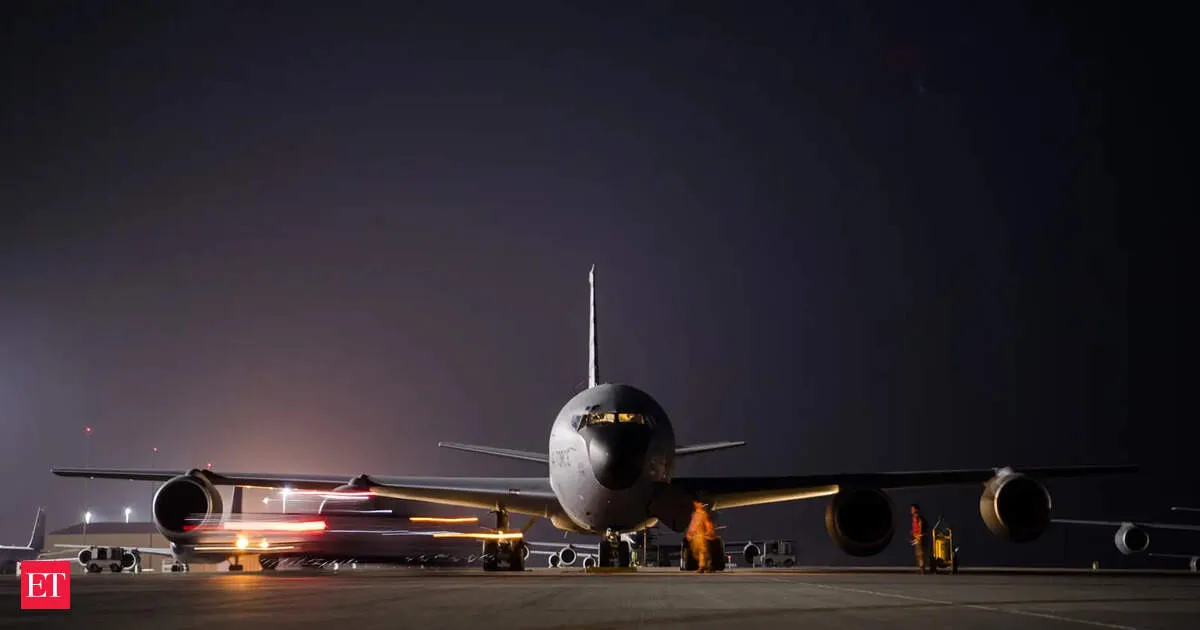
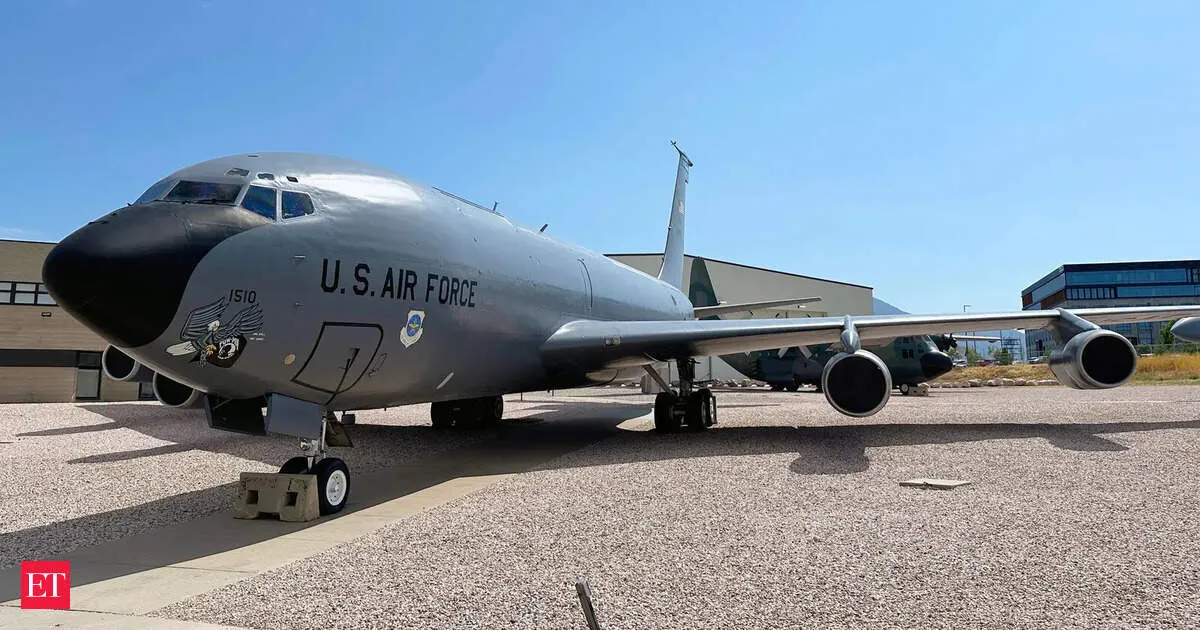
A US KC 135 Stratotanker reportedly sent a distress signal over the Persian Gulf near Qatar. Flight data indicates the aircraft circled before descending, but US authorities have not confirmed a crash or specific emergency. The plane reportedly departed from the UAE, and regional interference is said to be common. The true reason the signal was lost remains unclear.
A U.S. Air Force KC-135 Stratotanker disappeared from radar over the Strait of Hormuz, after squawking a 7700 distress code, with its transponder going dark. Despite flight tracking evidence, there is no debris, no official crash report, and no public statement from U.S. Central Command. The incident comes as Gulf tensions rise and could disrupt critical aerial operations.
Never miss a story
Set alerts for the topics and sources you care about. Download Beige for free.
India imports roughly half its natural gas needs, relying on LNG shipments carried by tankers from suppliers such as Qatar and the US. With Qatar deliveries reportedly facing disruptions, the government is looking to boost LNG tank capacity to improve storage and keep electricity generation, fertiliser output, CNG for vehicles, and household cooking supplied.
A terminally ill Indian national diagnosed with advanced cancer has been repatriated from Qatar to India. The coordinated effort involved the Singh Sewa Group and community support networks, working alongside the Indian Embassy in Doha to arrange the return and ensure safe transfer. The case highlights how local groups and diplomatic channels can move quickly for urgent medical circumstances.
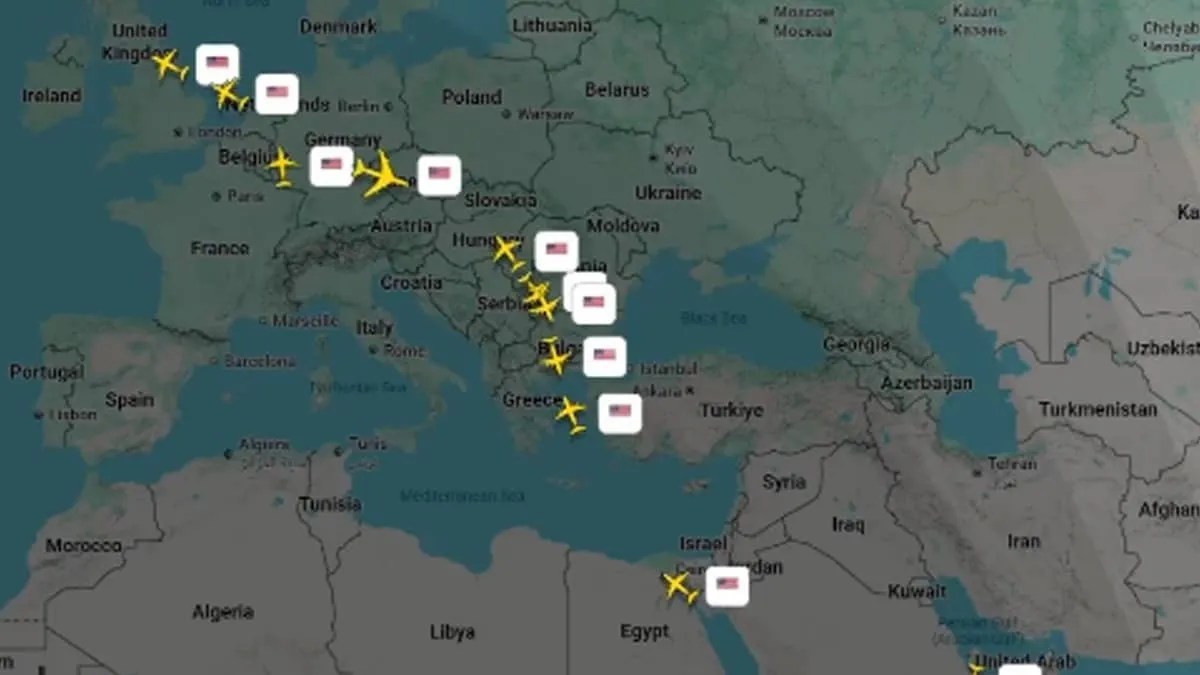
New video and flight-tracking data indicate a sustained US airbridge is delivering cargo planes, personnel, and military equipment to bases in the United Arab Emirates and Qatar over the past 48 hours. The surge, particularly around Al Dhafra Air Base, is being framed as a readiness and advance force mobilisation, prompting scrutiny of what it signals for Gulf operations.
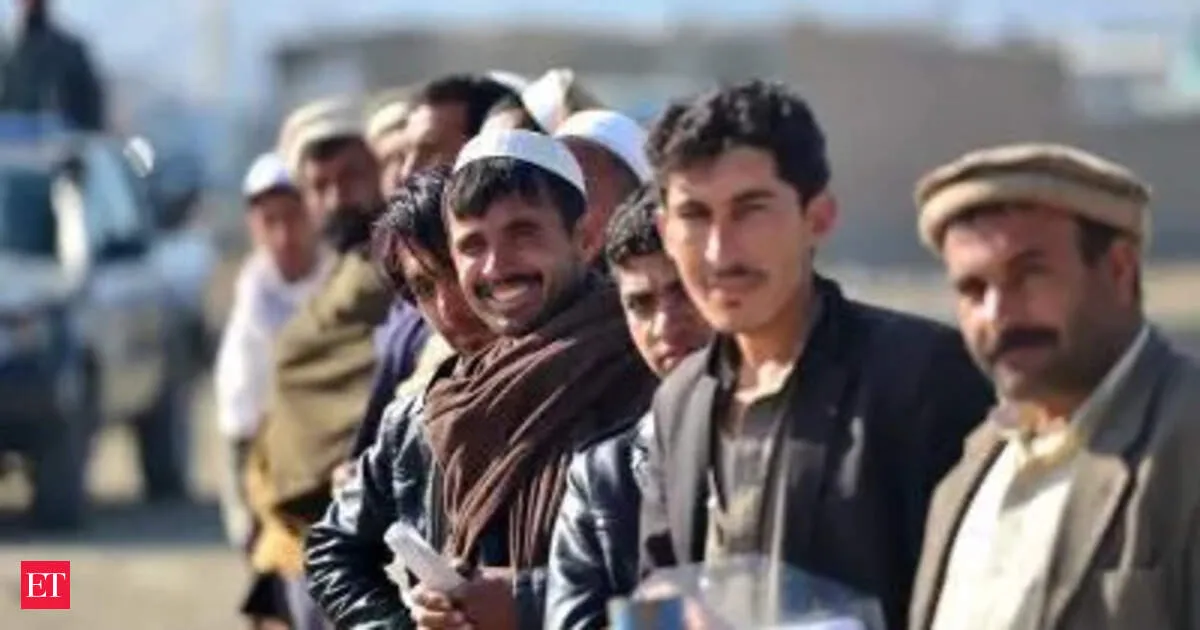
More than 1,100 former Afghan allies of US forces are stranded in limbo at Camp As Sayliyah in Qatar after Washington halted processing. A reported resettlement offer to the Democratic Republic of Congo has been rejected by residents, who fear for their safety. The situation leaves families waiting with limited clarity on their next move.
Reading on mobile?
Open Beige in the app for a smoother experience — free on iOS and Android.
India and Qatar held talks focused on boosting trade and strengthening supply chains after West Asia shipping disruptions. Bilateral trade reached about $14 billion in 2024-25, and both sides aim to double it by 2030. They also discussed exploring a Comprehensive Economic Partnership Agreement as India pursues a free trade deal with GCC members.
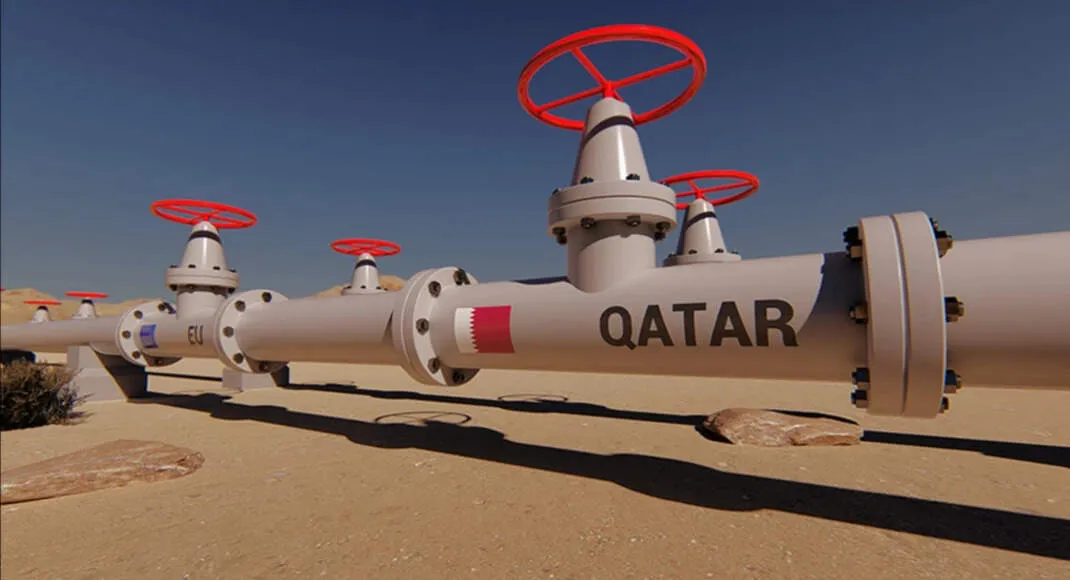
India’s crude oil buffers may cushion the economy from an Iran-Israel fallout, helped by diversified crude imports that reduce Hormuz-linked risk. But the bigger immediate threat is gas: Qatar’s LNG production halt, India’s largest gas supply source, is already forcing cuts in industrial supplies, raising pressure on key sectors.
Amid regional tensions, India’s Ministry of External Affairs said 10 Indian ships have safely exited the Strait of Hormuz, but 14 vessels remain stranded in the Persian Gulf. The government is in contact with Iranian authorities for the safe return of the stranded ships. Separately, the MEA confirmed Commander Purnendu Tiwari remains detained in Qatar, with support efforts underway for him and his family.
The IEA warns that global LNG markets will stay tight until 2027 as Middle East conflict disrupts supply and pushes back new capacity. Shipping disruptions have removed nearly 20% of LNG supplies, driving price spikes. With Europe reducing gas demand and Asia shifting fuels, further delays in Qatar’s infrastructure could deepen supply shortfalls.
Follow your favourite sources
Track sources, tags and categories — all in the Beige app.
Swipe through stories, personalise your feed, and save articles for later — all on the app.