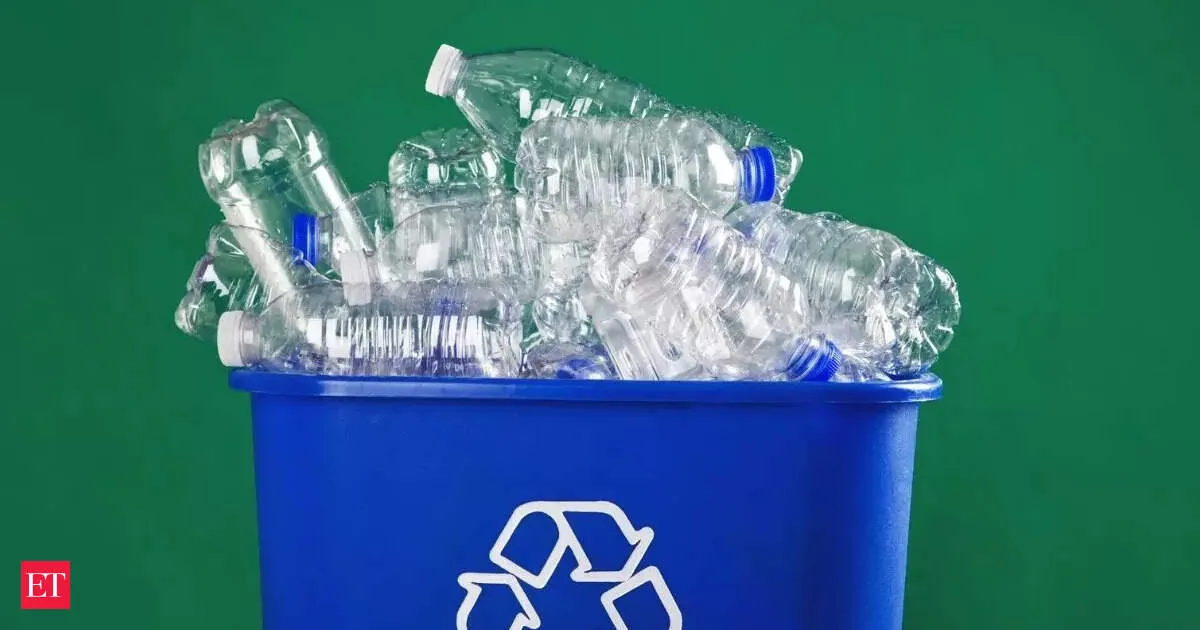
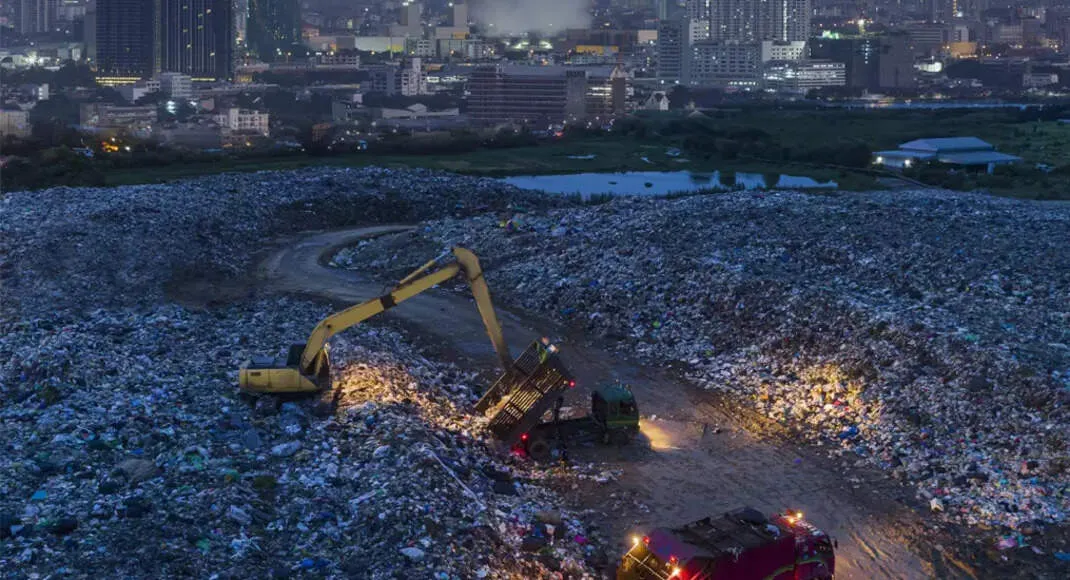
India is exploring Deposit Refund Schemes (DRS) as a potential shift from plastic-waste policy to everyday consumer action. Under DRS, buyers pay a small refundable deposit on eligible packaged products, tracked via unique QR codes, and receive the money back when they return empty packaging to authorised collection points. The aim is higher collection rates and stronger recycling across plastics, glass, and metals, but success hinges on integrating India’s informal waste sector and accommodating the common household habit of reusing containers before disposal.
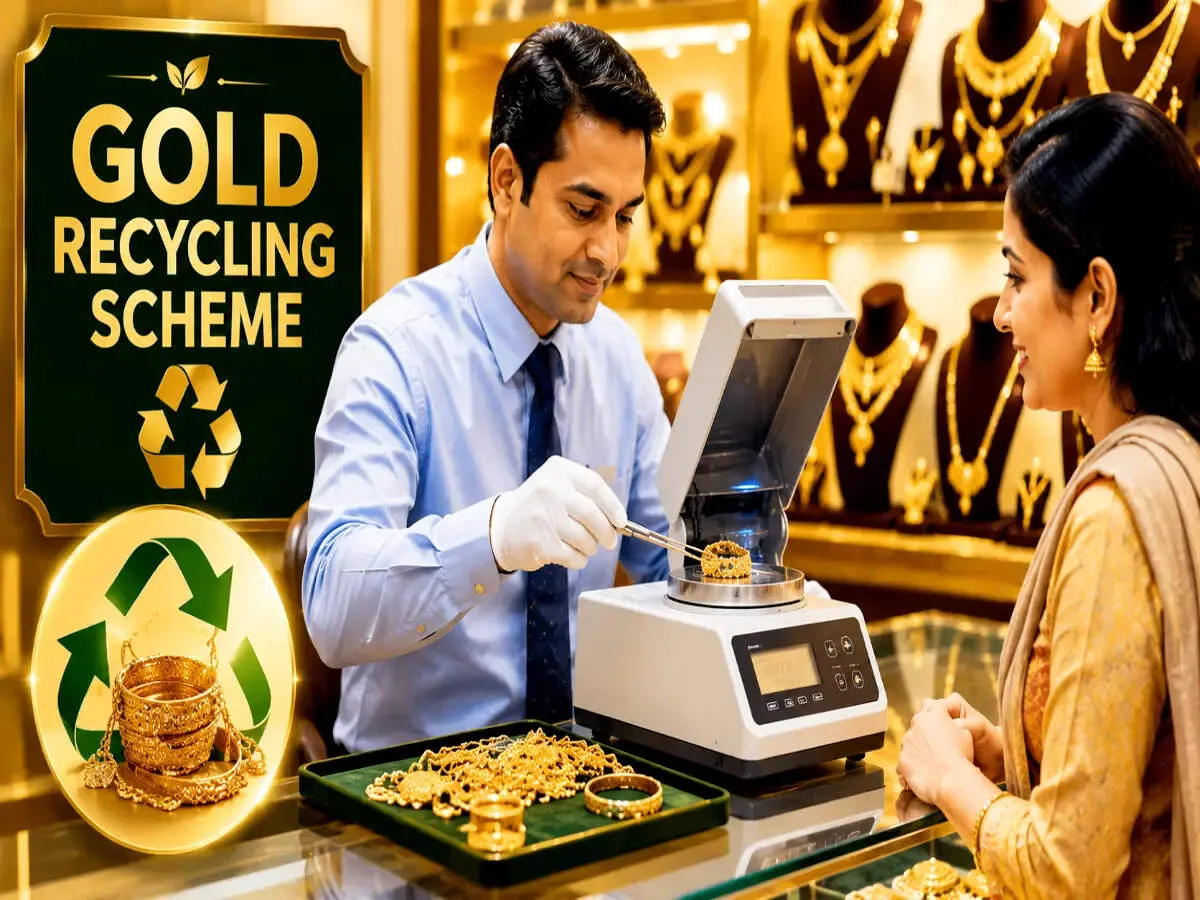
As import duties rise and Prime Minister Narendra Modi urged Indians to delay gold purchases, jewellery brands are pushing recycling offers. Customers can exchange old jewellery for new pieces, with redemption value tied to purity and current market prices. Companies increasingly use XRF machines to test composition accurately, helping buyers get more transparent quotes while potentially reducing India’s gold imports.
Your news, in seconds
Get the Beige app — every story in 60 words, updated hourly. Free on iOS & Android.
Researchers are developing a special orange scented algae to tackle microplastics in drinking water and wastewater. The algae repels water so microplastics stick to it, then clump together for easy removal. After collection, scientists plan to recycle the captured plastics into new materials, aiming to clean waterways while creating a circular reuse pathway.
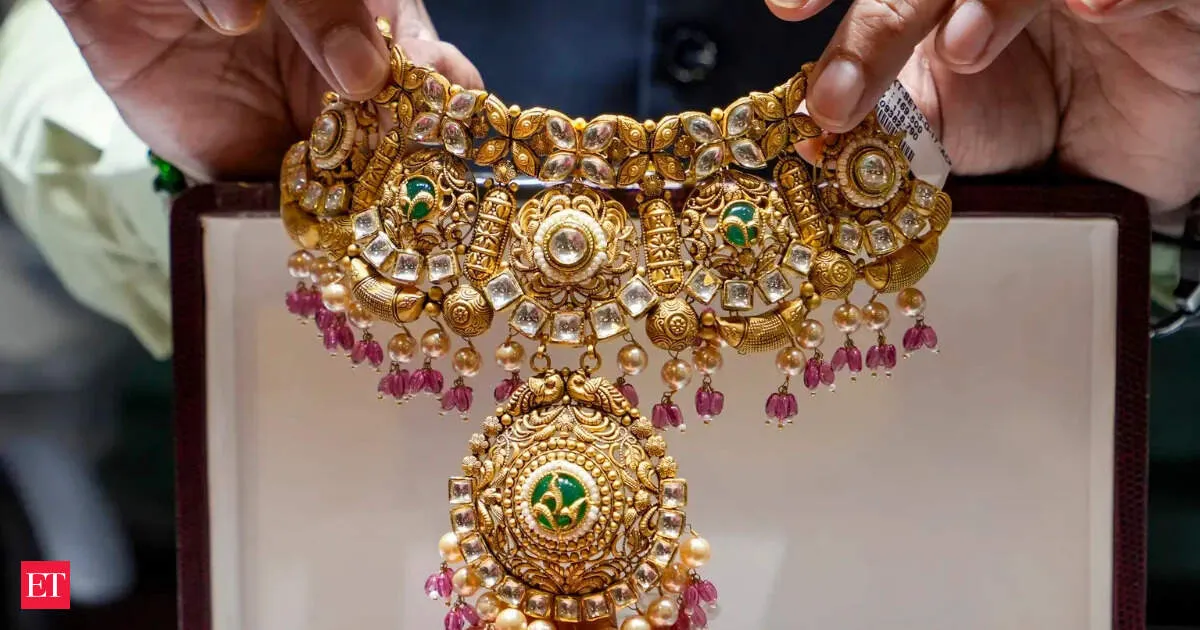
India’s gold and silver import duty hike is expected to hit jewellery sales volumes by 10–15% initially, jewellers say. Still, they believe demand will remain resilient thanks to gold’s cultural and investment pull. Consumers may shift toward lighter designs as prices rise. The government also wants to save foreign exchange and drive domestic recycling of idle gold.
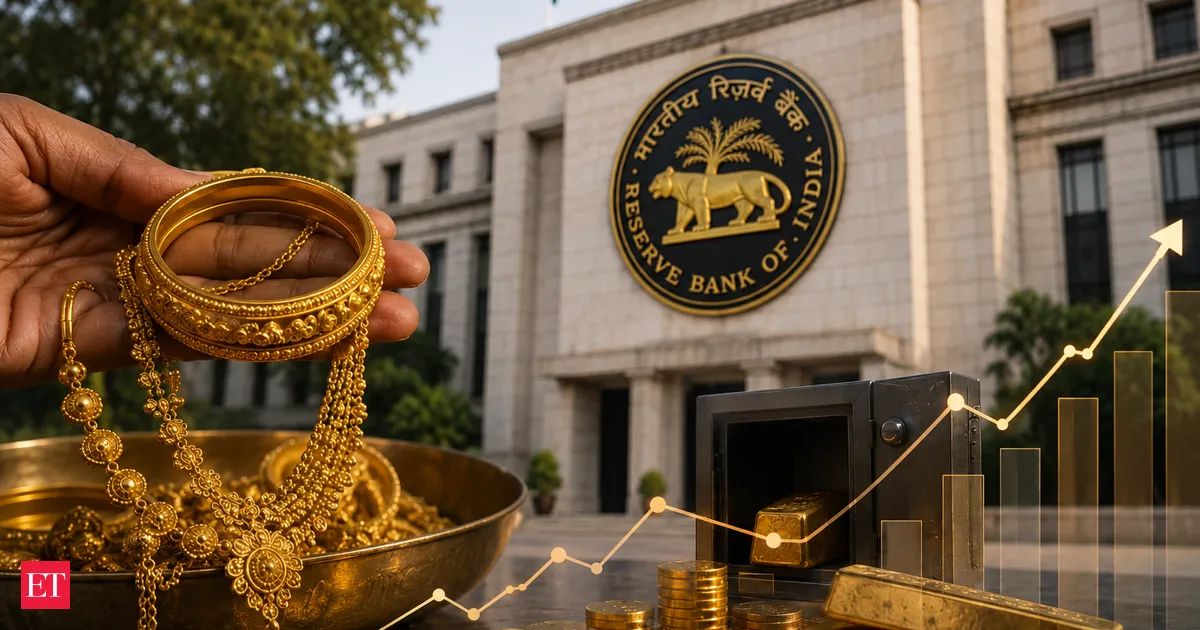
Even as Prime Minister Narendra Modi urges people not to buy gold, India’s gems and jewellery sector is asking the government to strengthen the Gold Monetisation Scheme. Industry bodies argue that mobilising idle gold from homes and recycling it can help address foreign exchange pressures, while avoiding the livelihood risks they say come from deferring gold purchases.
India and the European Union have launched a joint initiative to recycle electric vehicle batteries, aiming to secure raw materials and accelerate a circular economy. The effort comes with a 15.2 million euro funding pool for advanced recycling technologies and pilot projects in India, bringing together researchers, industry and startups to develop scalable solutions.
Never miss a story
Set alerts for the topics and sources you care about. Download Beige for free.
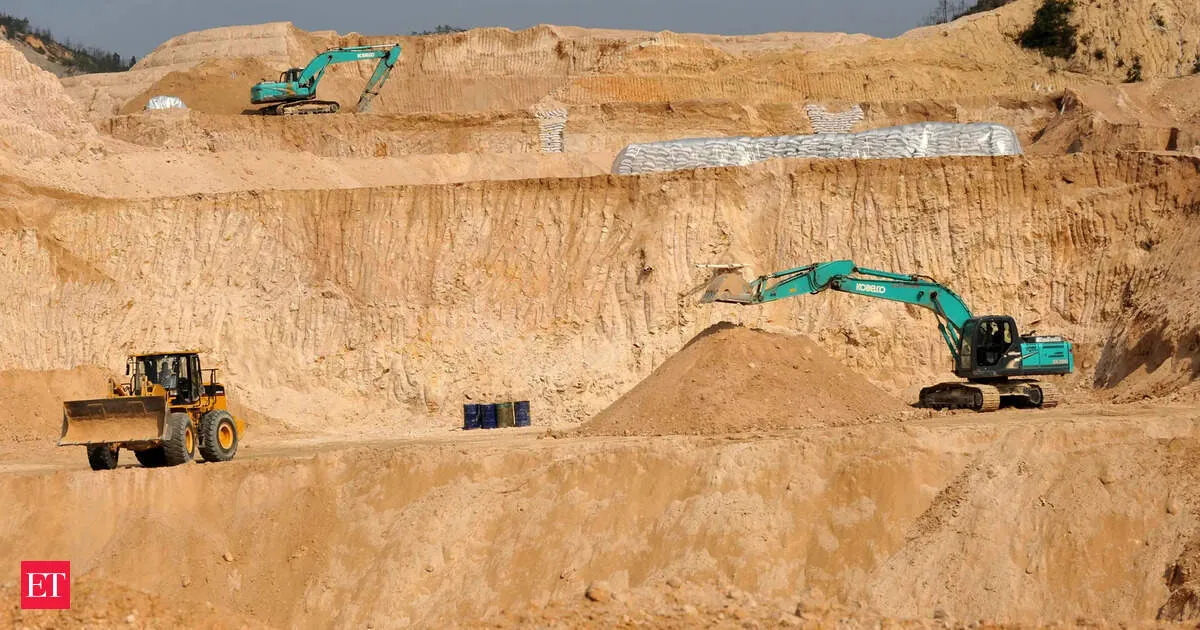
The Mines Ministry has approved 58 companies under a ₹1,500 crore incentive scheme to expand recycling of critical minerals. Part of the National Critical Mineral Mission, the plan is designed to build domestic capacity to process materials from lithium-ion batteries, e-waste and industrial scrap, cutting import reliance while supporting clean energy and manufacturing.
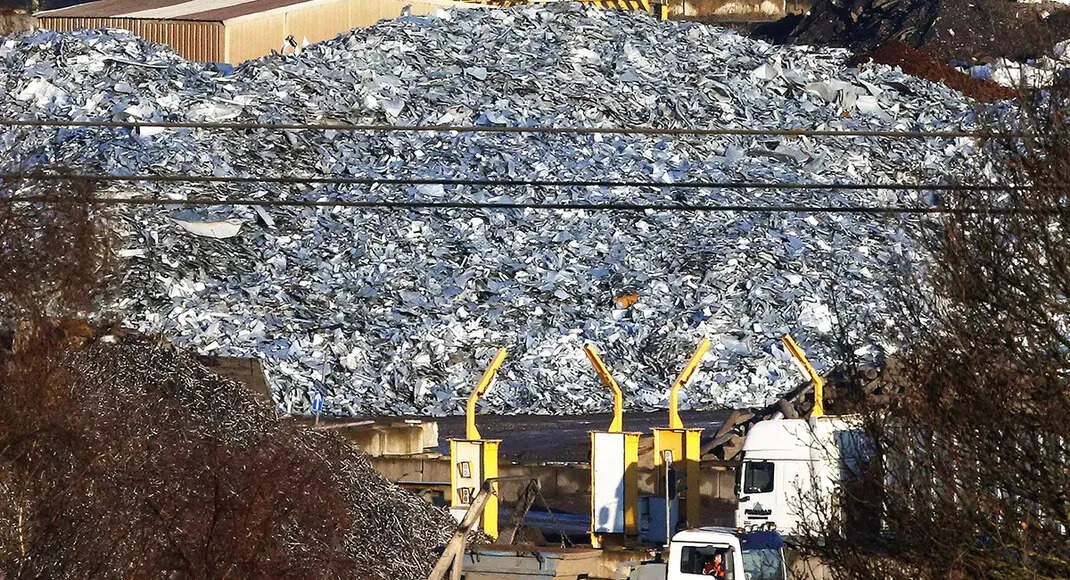
Tata Steel is aligning its India decarbonisation plan with a “tap the scrap” strategy, leaning on steel recycling to move toward a circular economy. With India facing a deficit in ferrous scrap, the company’s high-stakes recycling business could reshape how steel is sourced and produced—while supporting its goal of greener operations by 2030.
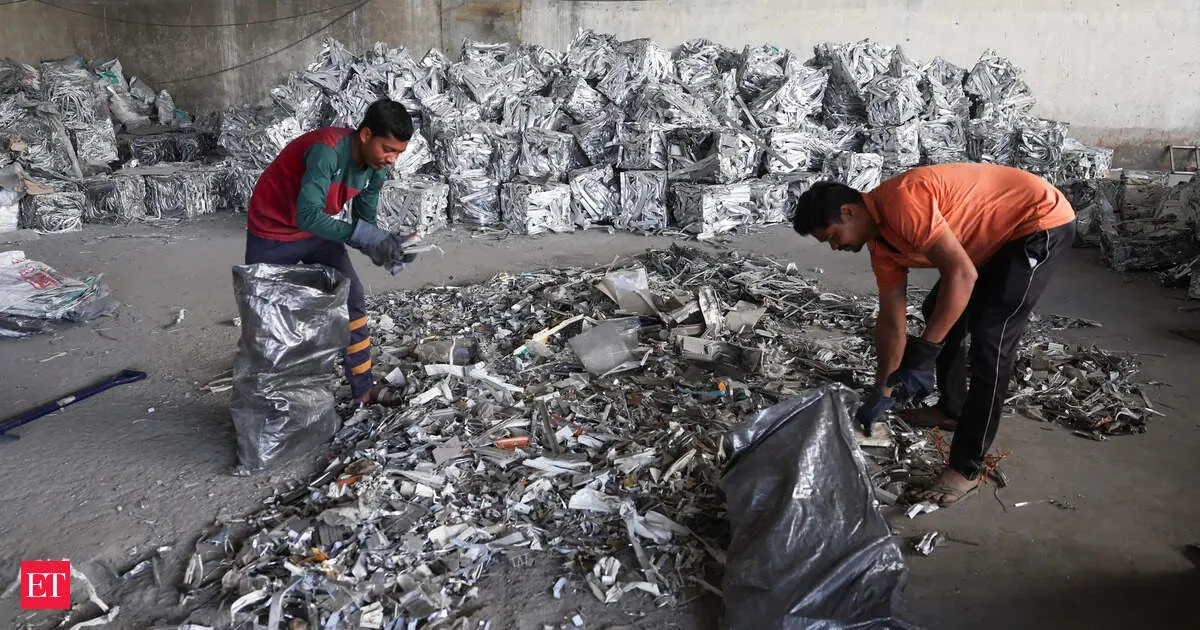
Small and medium aluminium recyclers have asked the PMO to remove the 2.5% import tax on aluminium scrap, citing surging costs and tight global supplies. They say the duty blocks access to reliable imported material, weakening their competitiveness and slowing downstream manufacturing. India’s secondary aluminium sector depends heavily on such imports, making the tax a key pain point.
Hyderabad startup Recykal is taking on India’s USD 100 billion, largely informal, cash-driven waste management market with a B2B digital marketplace. By enabling the sale and purchase of recyclables, it helps companies like Coca-Cola, Marico and Nykaa move toward plastic neutrality. Backed by investors including Morgan Stanley and Circulate Capital, Recykal is trying to make waste trading traceable and efficient.
Reading on mobile?
Open Beige in the app for a smoother experience — free on iOS and Android.
Swipe through stories, personalise your feed, and save articles for later — all on the app.