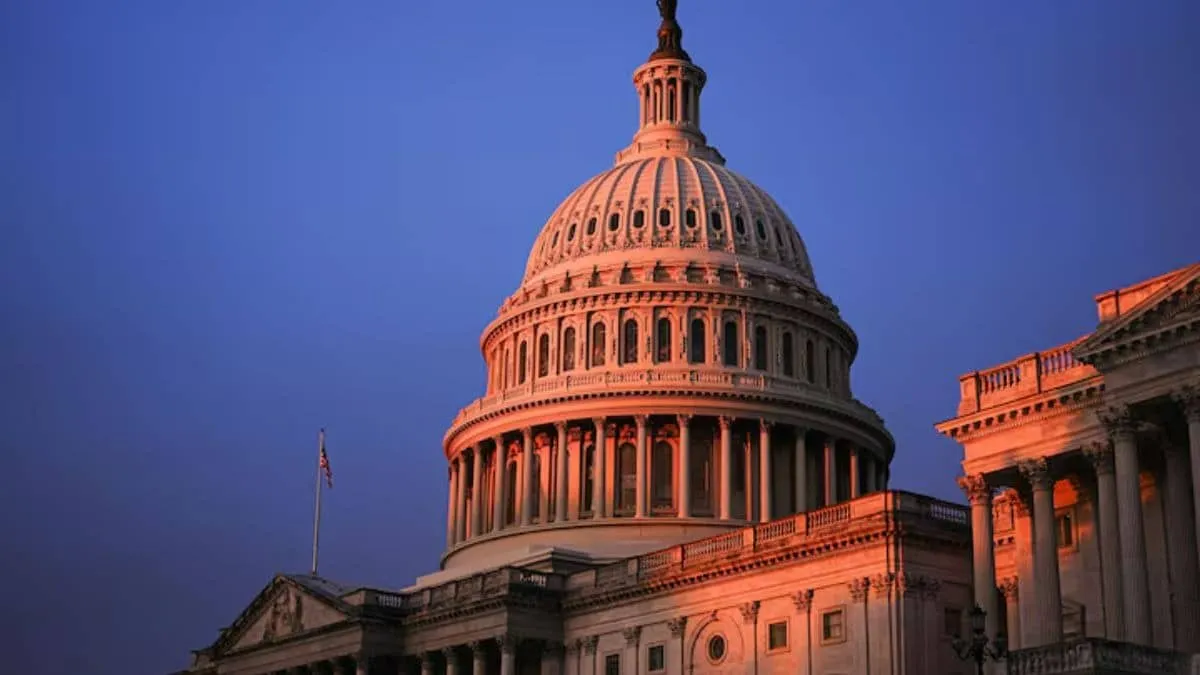
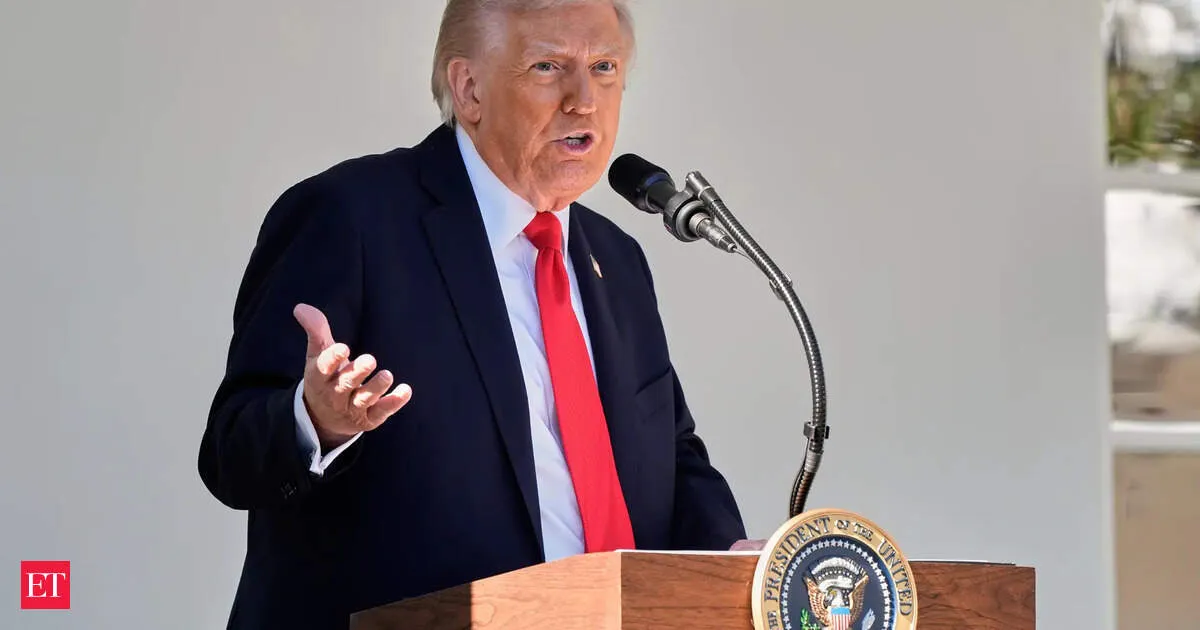
Republicans have pulled ahead in the 2026 redistricting process, setting up a potential gain of up to a dozen House seats from Democrats. But President Donald Trump’s weak approval ratings and the long-running midterm trend of the president’s party losing seats could cancel that advantage by November.
Donald Trump’s allies faced a jolt in Indiana as one Republican senator he backed lost, while another survived a tight contest. The outcome follows months of White House pressure on seven Indiana state senators who voted against mid-decade redistricting meant to strengthen Republican prospects for upcoming midterms.
Your news, in seconds
Get the Beige app — every story in 60 words, updated hourly. Free on iOS & Android.
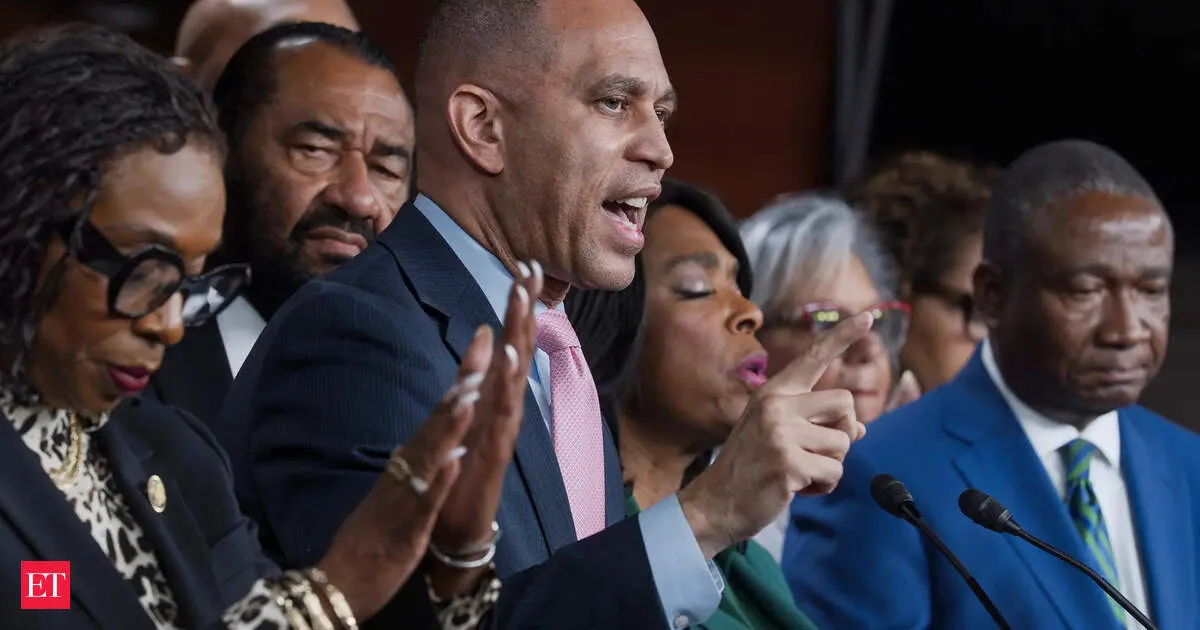
After a US Supreme Court decision that weakens the Voting Rights Act, Republican officials in states including Louisiana, Alabama, and Tennessee are calling special sessions to redraw congressional districts. The changes could reshape electoral advantages ahead of upcoming midterms, mirroring a broader national pattern of states revising maps in response to the ruling.
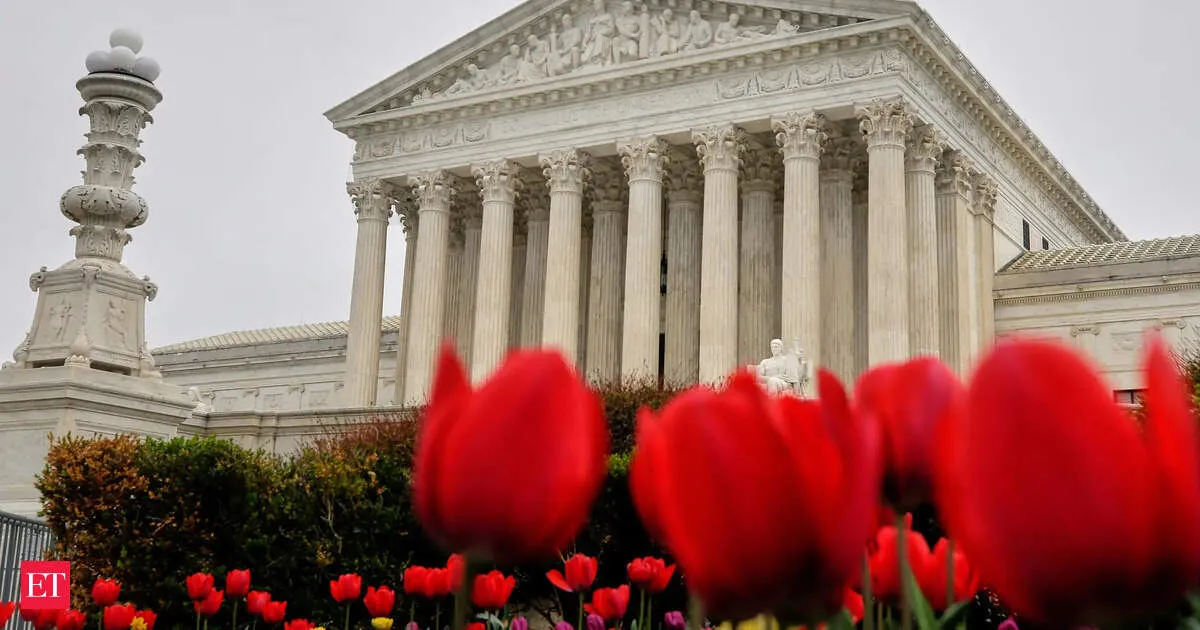
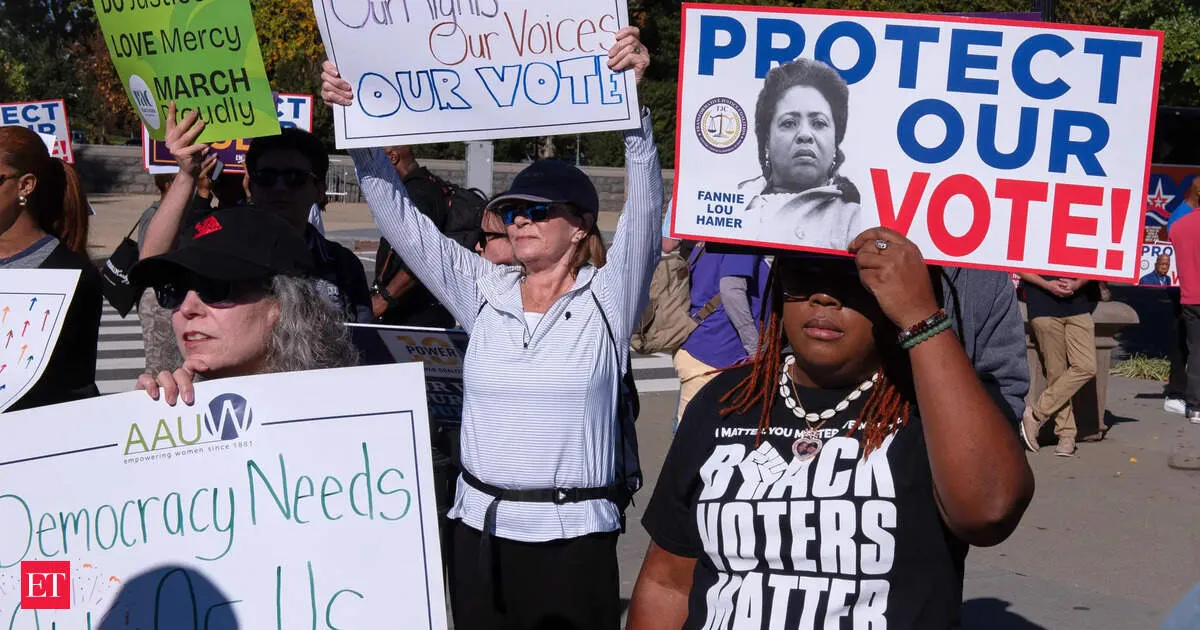
The US Supreme Court has weakened the Voting Rights Act, opening the door for Republican lawmakers to redraw congressional maps in ways that can boost their advantage. While the timing may be too late for this year’s midterms, the impact is set to shape elections for years ahead, with states such as Florida already moving to implement new districts.
The US Supreme Court, in a 6-3 ruling authored by Justice Alito, struck down a majority-Black congressional district in Louisiana as an unconstitutional gerrymander. By weakening a cornerstone Civil Rights-era protections, the decision could enable more Republican-friendly redistricting. Much of the impact may land after filing deadlines have passed, with major effects expected by 2028.
Swipe through stories, personalise your feed, and save articles for later — all on the app.