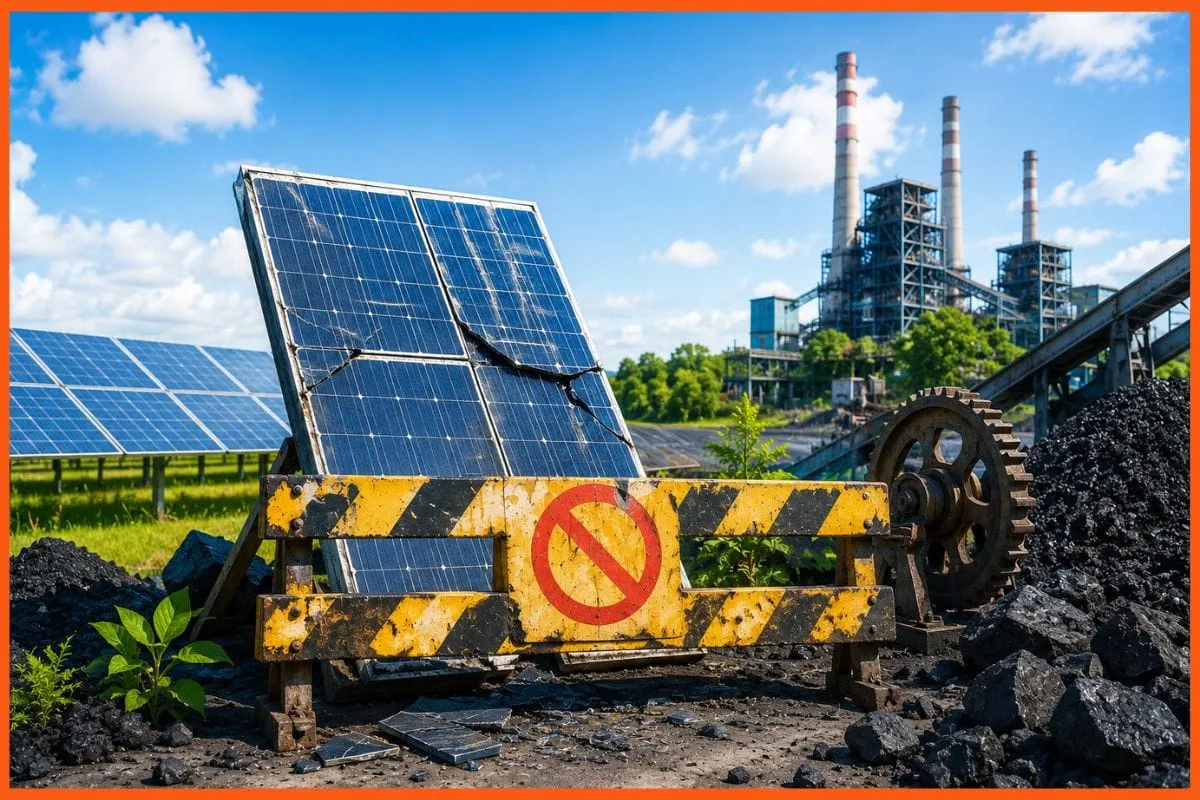
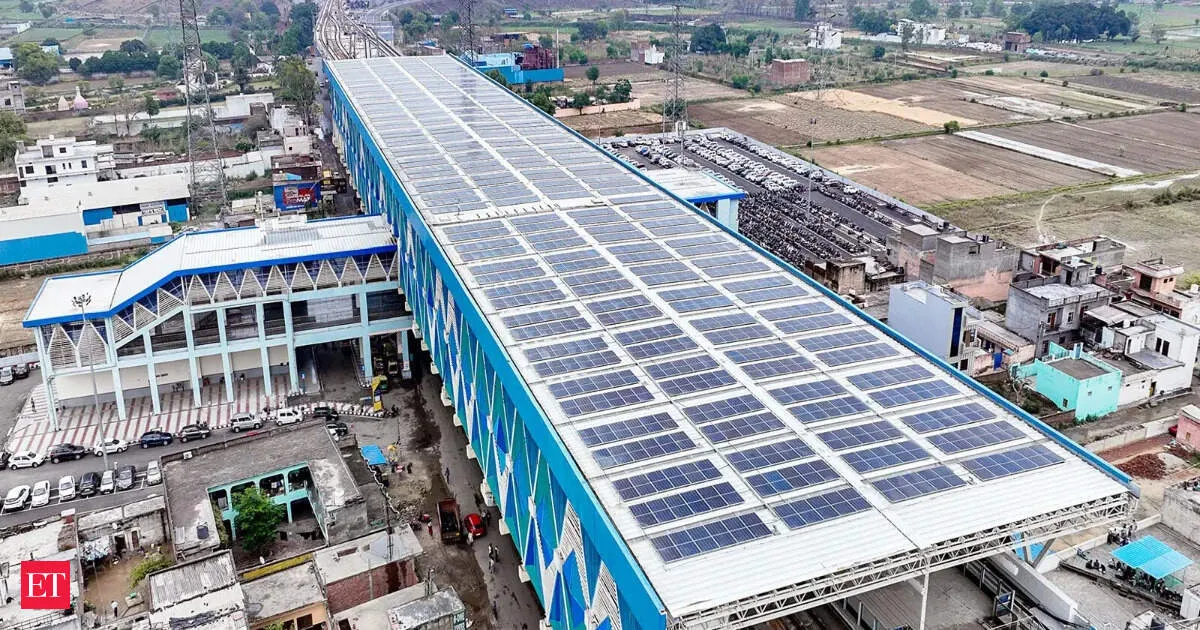
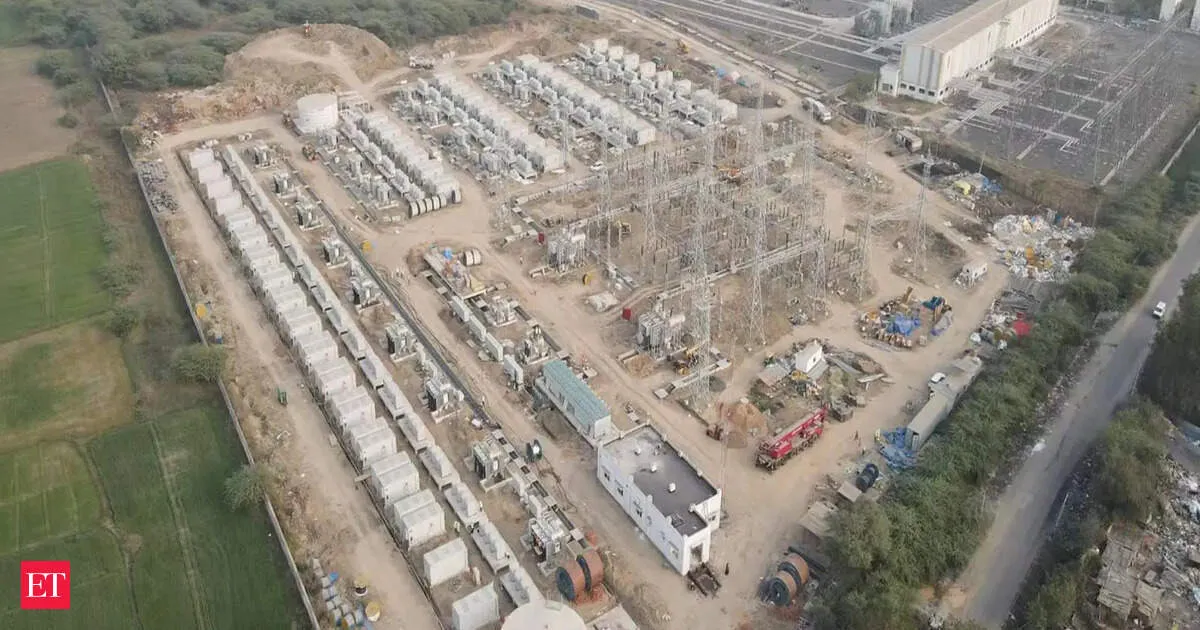
Coal India has dissolved its solar manufacturing subsidiary, CIL Solar PV Ltd, effectively shutting down plans to enter integrated solar photovoltaic manufacturing via a special-purpose vehicle. A regulatory filing says the company’s name was removed from the Register of Companies under the Companies Act, 2013, after a Ministry of Corporate Affairs public notice in April 2026. The move ends a proposed 4 GW domestic manufacturing push aimed at reducing reliance on imported solar equipment, though Coal India says it will keep investing in renewables.
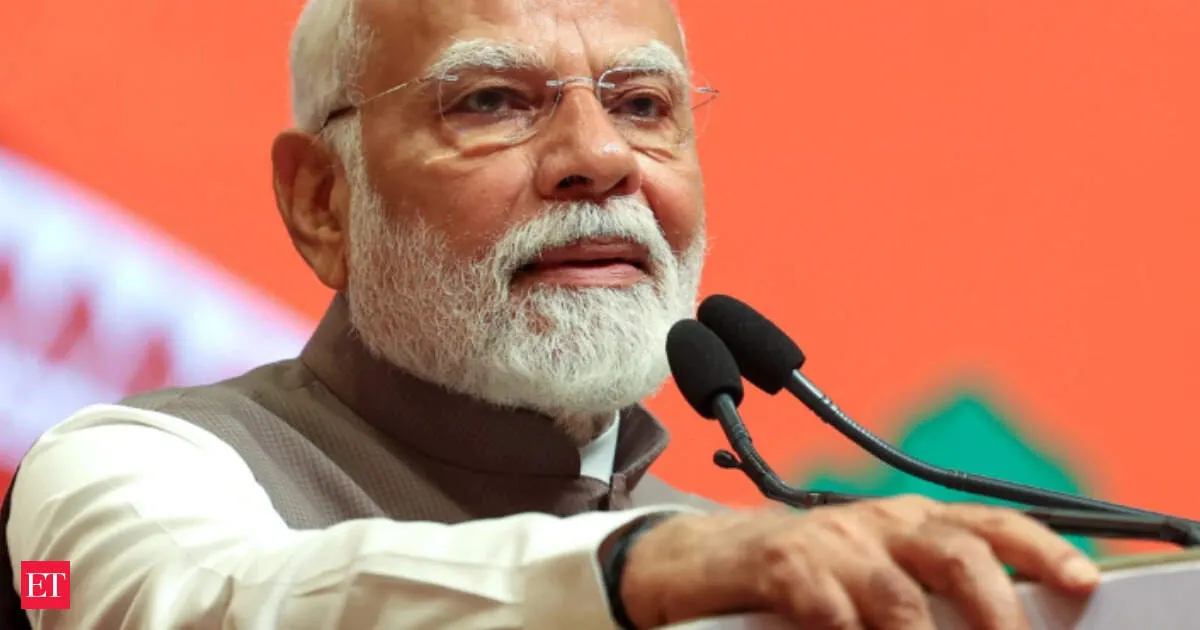
India’s biggest companies are fast-tracking green logistics after the Prime Minister urged reduced fossil fuel use. PepsiCo is expanding its EV Green Corridor beyond the Kosi-Pataudi route, targeting close to 30% of plant-to-warehouse shuttles to run on electricity by year-end. Maruti Suzuki plans to send up to 35% of factory-to-dealership vehicle dispatches via rail by FY2030-31, investing over ₹1,370 crore in rail infrastructure. Hindustan Unilever has shifted over 97% of operational energy to renewables, while Dabur increases EV fleets and triples rail utilization.
Your news, in seconds
Get the Beige app — every story in 60 words, updated hourly. Free on iOS & Android.
Maharashtra has signed an MoU with AM Intelligence Labs for a proposed Rs 1.14 lakh crore investment to build an Integrated Green Data Centre Park and an AI Compute Hub in the Mumbai region. The plan, backed by the state’s IT Policy 2023 and Green Data Centre Park Policy 2024, is designed to run entirely on renewable energy. Officials expect around 8,000 direct jobs plus additional roles, with construction and operations covering high-tech careers.
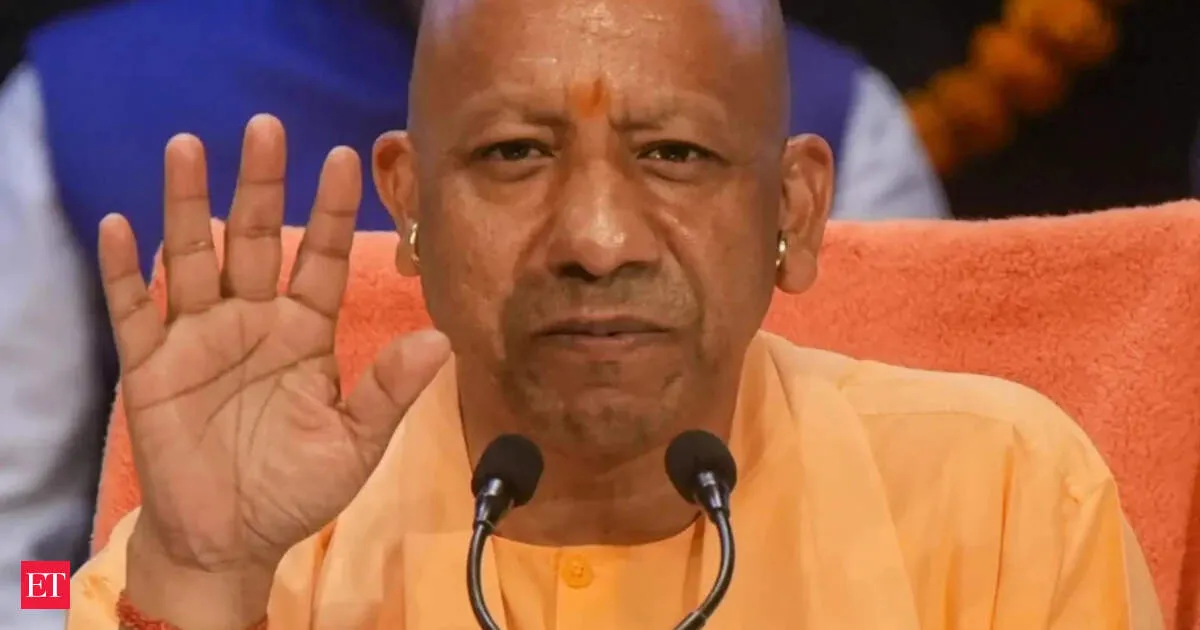
Uttar Pradesh CM Yogi Adityanath compared the current West Asia crisis to the COVID era, urging citizens to adopt a “collective responsibility” mindset to protect fuel, food, and fertiliser supplies. Speaking at the “9 Defining Years of Transforming UP” conclave, he pushed self-reliance through public transport, renewable energy, carpooling, electric vehicles, and rural biogas community kitchens. He also touted major UP gains since 2017, including infrastructure expansion, rising agricultural output, and tripled per capita income, positioning the state as an investment hub.
Renewable energy minister Pralhad Joshi said the renewable energy and power ministries will meet on Wednesday to address industry complaints over two pressure points: the deviation settlement mechanism and curtailment of green power. He said stricter grid compliance rules have raised viability concerns for renewable projects, with the government already holding several rounds of talks. The deviation settlement mechanism can impose grid penalties when actual supply or demand diverges from scheduled forecasts, adding uncertainty for developers and distributors.
Tata Power shares fell about 7% after its Q4 FY26 profit declined and revenue dropped year-on-year. While the company’s renewables and solar manufacturing businesses expanded strongly, brokerages remain split: some view growth drivers as supportive, while others flag key risks and maintain cautious stances, leading to mixed calls ranging from Buy to Sell.
Never miss a story
Set alerts for the topics and sources you care about. Download Beige for free.
JSW Energy’s March quarter results are drawing fresh investor attention after net profit rose 38% year-on-year to Rs 574 crore and revenue climbed 41%. Power sales volumes increased, with both renewable and thermal generation registering substantial gains. The company also recommended a dividend payout, adding to the positive read-through for shareholders.
Uttar Pradesh has flipped its electricity narrative, moving from long blackouts to near round-the-clock supply that can meet record demand. The shift is credited to sustained infrastructure investment, governance reforms, and rapid renewable energy expansion. The result: a state increasingly seen as a blueprint for energy transformation and faster economic growth.
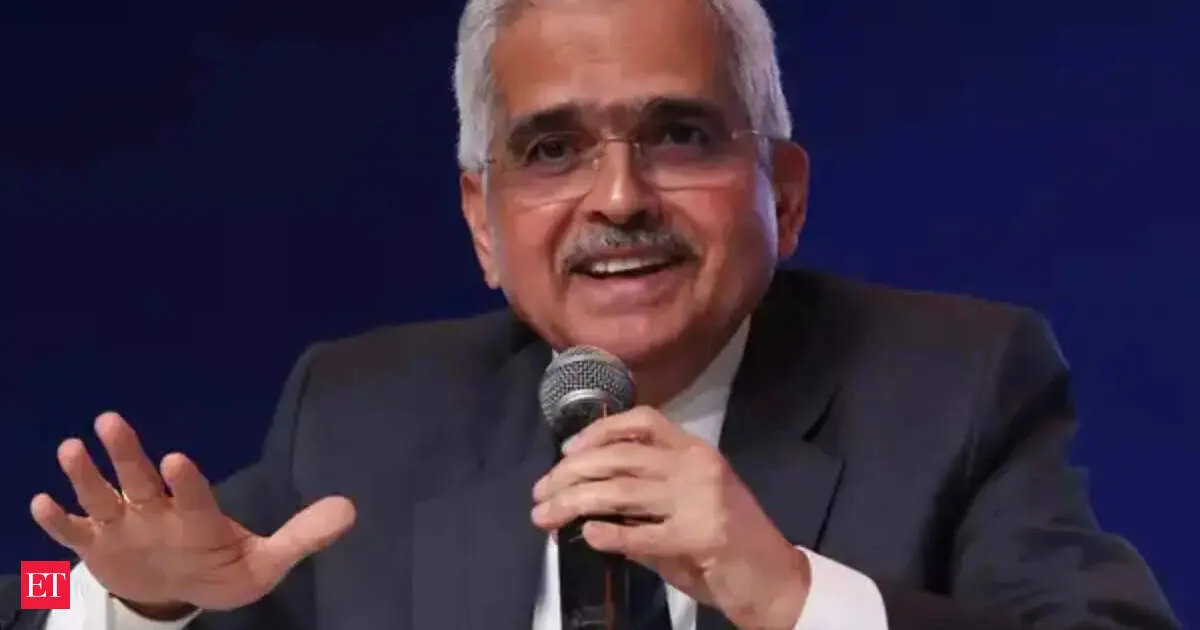
RBI governor Shaktikanta Das says India is better placed to absorb extreme energy demand shocks, but businesses must not bet on a single supply source. He points to the need for strategic reorientation as global supply chains remain disrupted. Infrastructure expansion and the push for renewables are seen as strengthening readiness, while diversifying markets and investing in R&D are key next steps.
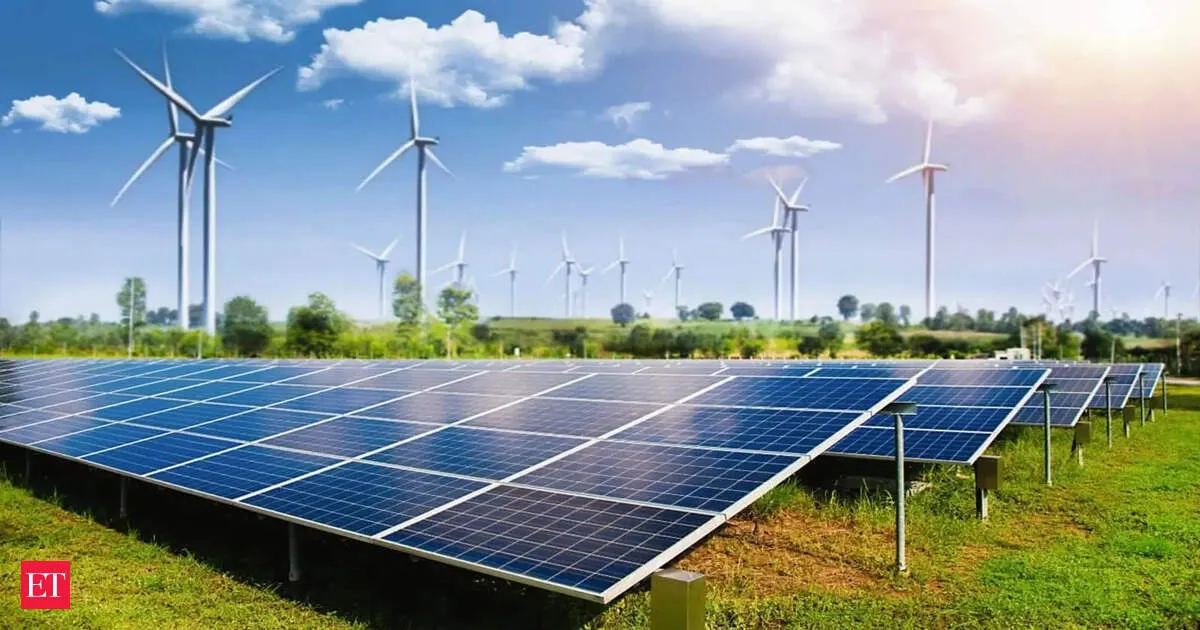
India is considering incentives to accelerate floating solar panel installations, aiming to distribute renewable generation beyond a handful of states. The move is part of a broader push to expand renewable capacity and battery storage by 2050 while supporting domestic manufacturing of solar components. Officials are also tackling renewable curtailment and strengthening grid infrastructure.
Reading on mobile?
Open Beige in the app for a smoother experience — free on iOS and Android.
Prime Minister Narendra Modi’s Europe outreach next week will center on upgrading semiconductor technology partnerships with ASML during a Netherlands visit. Talks are expected to support India’s upcoming semiconductor fabs with advanced equipment collaboration. The tour also includes renewable energy technology engagements in Sweden and Norway, and SME partnership discussions in Italy.
India is reportedly considering a jump in ethanol blending in petrol to 25% as part of a broader push toward renewable energy. The move is meant to reduce dependence on imported crude, while increased refining capacity and higher strategic oil reserves aim to strengthen energy security. Together, these steps could help shield the economy from global oil price shocks and support biofuels and hydrogen priorities.
Gujarat has rolled out battery energy storage systems totaling 870 MW across five locations to keep the renewable power grid stable. The state has also registered 13 more battery projects and added BESS to Modhera, its first solar village. Officials say the move reinforces Gujarat’s leadership in India’s rapidly growing battery storage ecosystem.
Mauritius is introducing a golden visa scheme targeting about 100 high net worth migrants each year. To qualify, applicants must invest at least $1 million, with the programme designed to pull in capital for sectors like technology and renewable energy. The government says it has a strong due diligence process to manage financial and security risks.
Follow your favourite sources
Track sources, tags and categories — all in the Beige app.
Waaree Renewable Technologies plans to acquire a 55 percent stake in Associated Power Structures for Rs 1,225 crore. Once completed, Associated Power Structures will become a subsidiary of Waaree by June 15, 2026. The sizable investment signals an aggressive push to consolidate position and accelerate expansion in India’s renewable energy space.
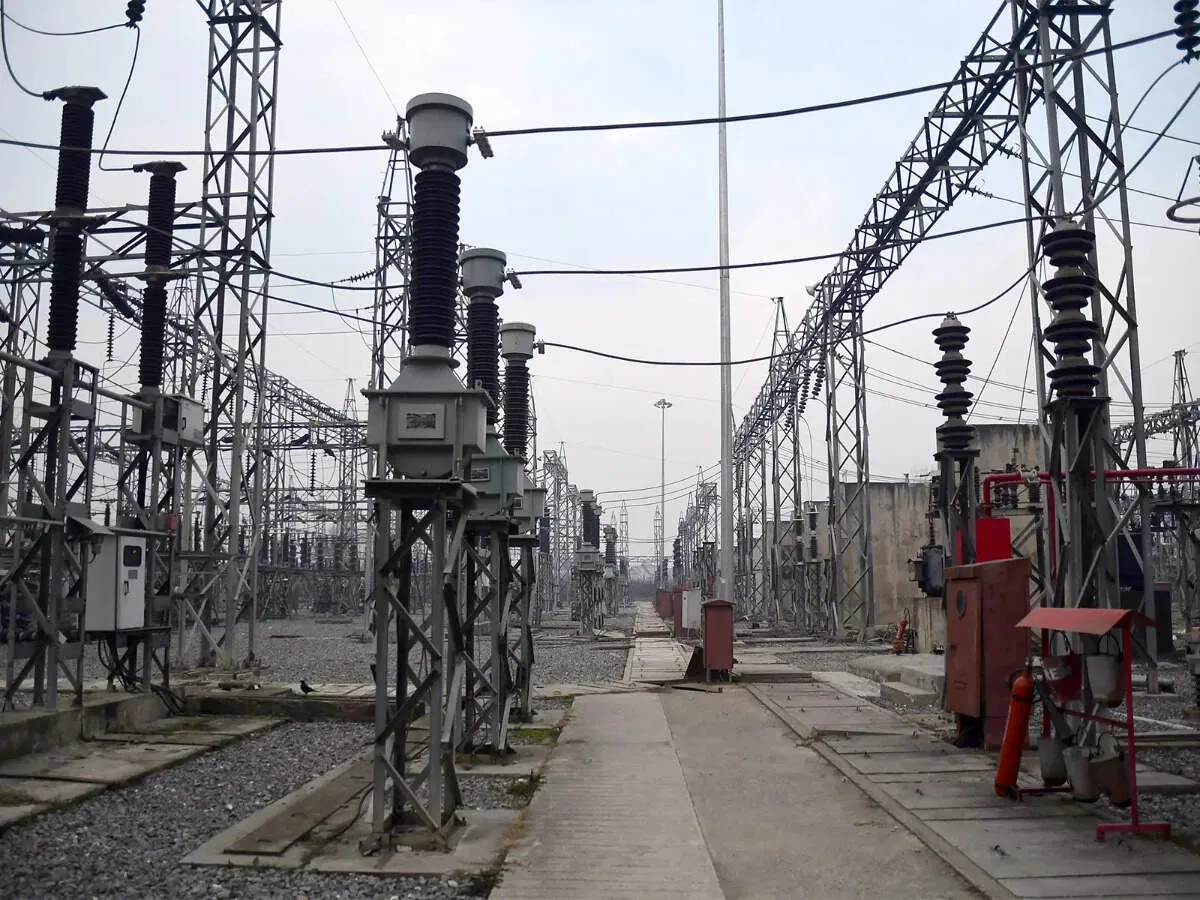
India’s worsening heatwaves are driving power demand to record highs, putting pressure on the grid during peak hours. Renewable energy is increasingly covering parts of that spike, but limited storage capacity and weak grid flexibility threaten reliability. The result: meeting demand during extreme heat depends not just on more renewables, but faster, scalable storage and smarter grids.
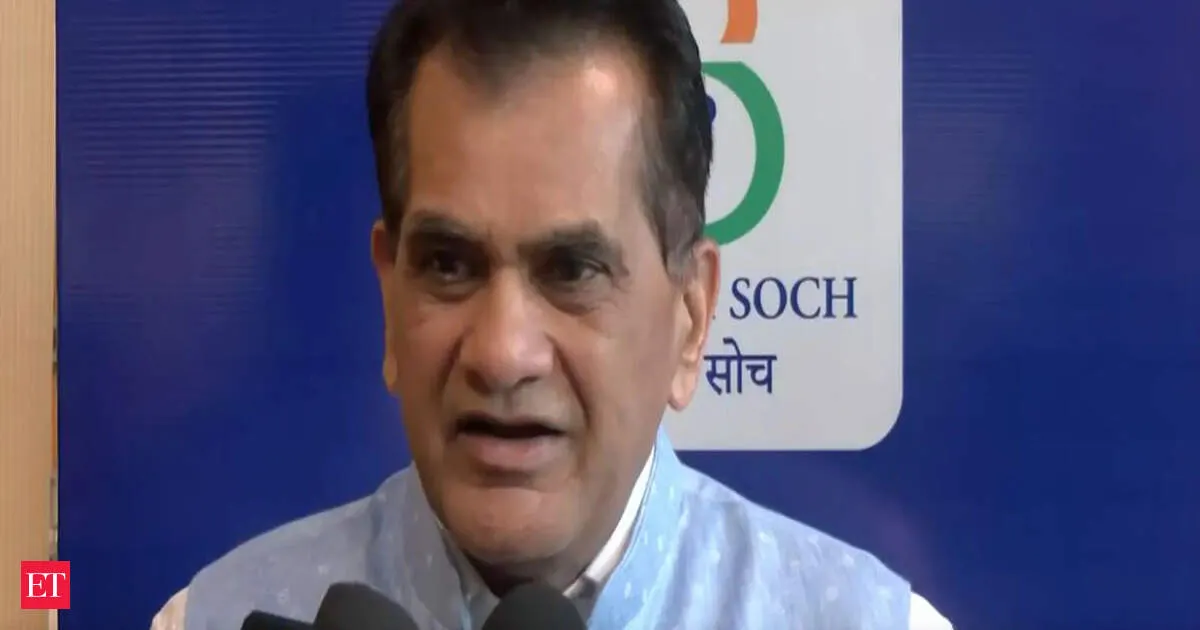
Former NITI Aayog CEO Amitabh Kant says India’s 6.6% GDP growth stands out as global economies grapple with turmoil. He credits structural reforms and infrastructure for the momentum, while pointing to faster renewable energy adoption. Kant also stresses the push for self-reliance in semiconductors and other critical technologies to strengthen long-term resilience.
Adani Green Energy Limited has set up fresh companies to drive clean power generation. The step-down subsidiaries were incorporated through its wholly owned unit, Adani Renewable Energy Sixty Four Limited, and are designed to focus on renewable generation. The move reinforces Adani Green’s role in developing and operating solar, wind, and energy storage solutions.
Stay informed on the go
Bite-sized news from 100+ trusted sources, right in your pocket.
Peter Thiel led a $140 million Series B into Oregon startup Panthalassa, betting on fleets of floating, wave-powered AI data centres. Valued near $1 billion, the project will roll out Ocean-3 pilot nodes in the Pacific by late 2026, aiming for commercial operations in 2027. It promises renewable electricity from waves and seawater “supercooling,” easing grid and water stress.
Apple plans to invest Rs 100 crore in India to expand renewable energy capacity, partnering to develop over 150 MW. The initiative is paired with efforts to cut plastic pollution through recycling, alongside support for green startups. The move underlines Apple’s growing focus on sustainability and local innovation, tying clean power growth to broader environmental goals.
Swipe through stories, personalise your feed, and save articles for later — all on the app.