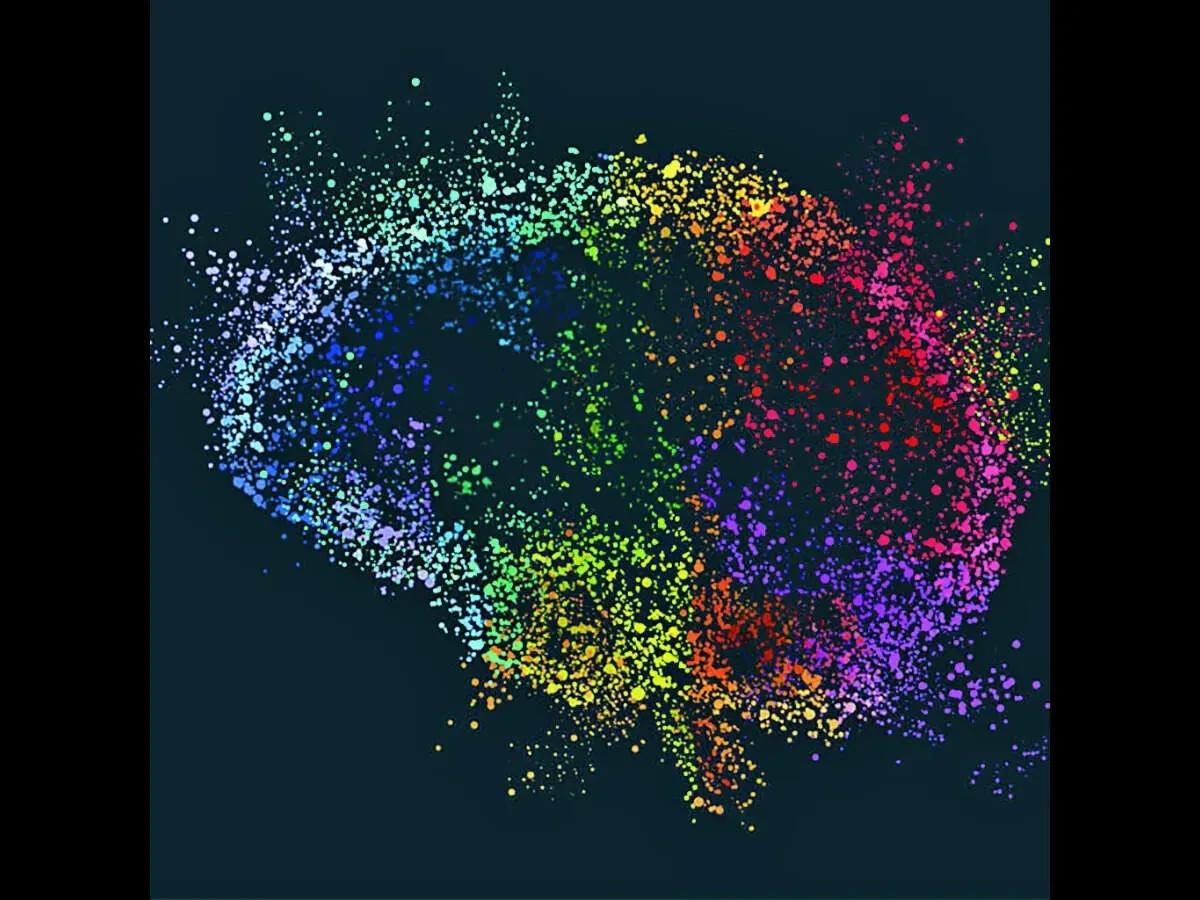
Researchers from UIUC and Stanford propose RecursiveMAS, a multi-agent framework that replaces text-to-text communication with latent embedding passing. Instead of generating reasoning tokens at every step, agents loop continuous representations through RecursiveLink modules and only output text at the end. Tests across nine benchmarks show up to 2.4x faster inference, 75% token reduction by round three, and an 8.3% accuracy gain, with far cheaper training than full fine-tuning.
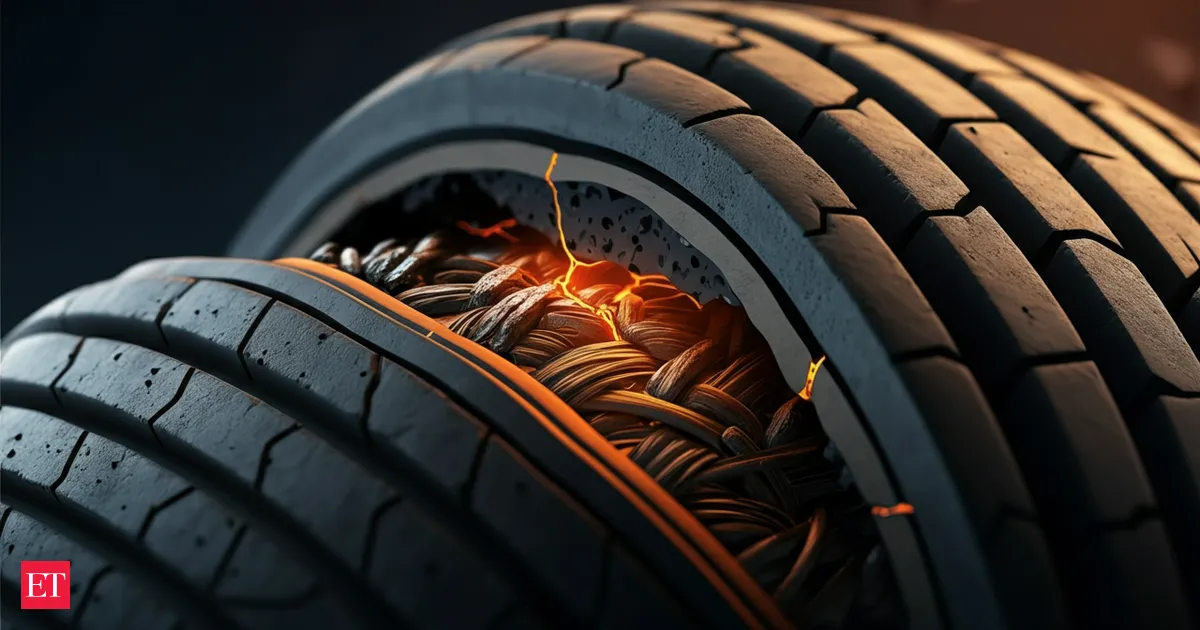
A decades-old mystery about how reinforced rubber stays extraordinarily strong may be solved. Researchers at the University of South Florida used about 1,500 molecular simulations to show that carbon black particles stop rubber from thinning as it stretches, forcing the material to resist volume changes. That shift in behavior helps explain the toughness behind tires and other reinforced elastomers.
Your news, in seconds
Get the Beige app — every story in 60 words, updated hourly. Free on iOS & Android.
Nvidia CEO Jensen Huang and his wife are donating $108.3 million worth of AI computing time sourced from CoreWeave to universities for research. The move directly supports academic AI work while also reinforcing CoreWeave, an Nvidia-backed AI cloud provider that has secured major cloud capacity deals.
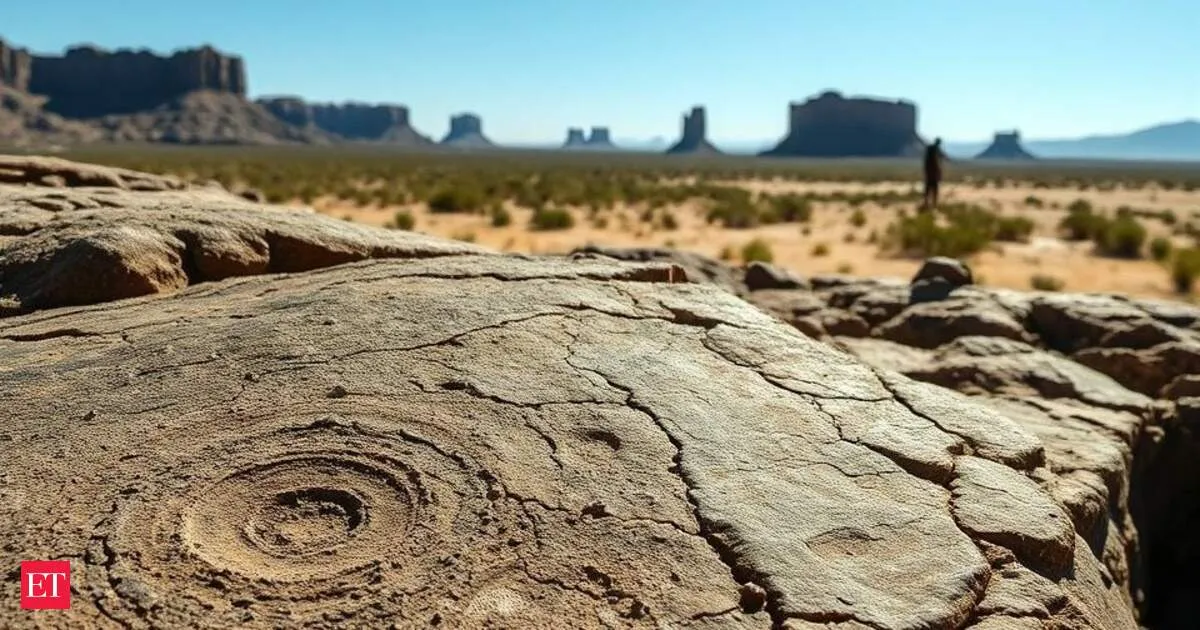
A Brazilian study has reexamined microscopic fossils in 540-million-year-old rocks and concluded the structures were formed by ancient bacteria and algae, not early animals. Using advanced imaging and chemical analysis, researchers say the preserved cellular details indicate microbial communities in shallow Ediacaran oceans, overturning long-held interpretations of the planet’s earliest life.
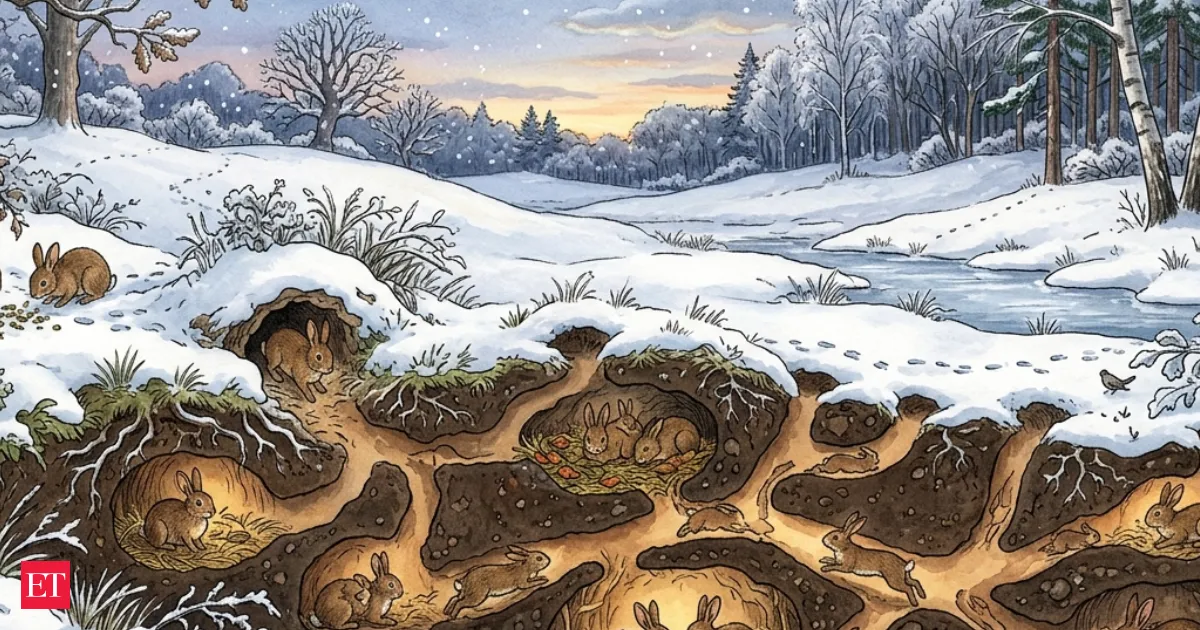
Winter rabbit burrows do more than shelter their owners. Underground tunnels trap moisture and keep temperatures stable, creating perfect conditions for mites and other parasites to survive between hosts. Now researchers using thermal cameras can map these burrows in detail, showing how a simple hole can shape survival for rabbits and the tiny “unwelcome guests” living off them.
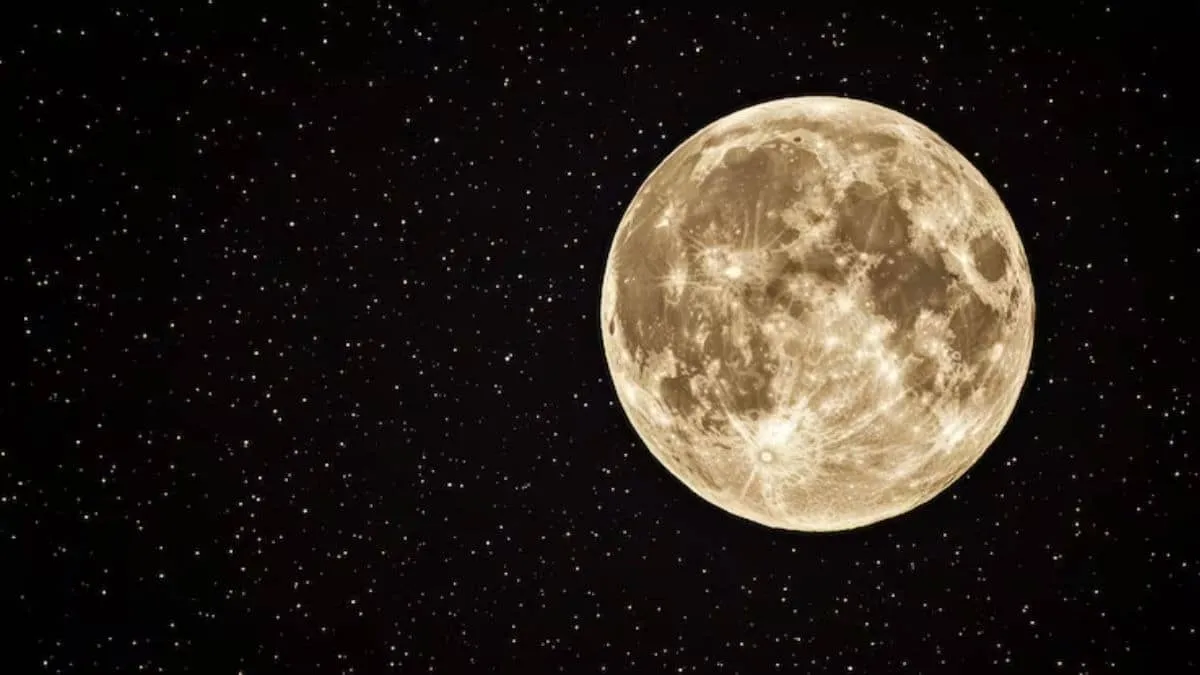
Across cultures, full moons are long blamed for restless sleep and strange behavior. While science remains mixed, research published by Harvard Medical School and in Science Advances suggests moon phases may slightly affect sleep—people reportedly fell asleep later and slept less during certain phases. Still, effects appear small and may be influenced by other factors.
Never miss a story
Set alerts for the topics and sources you care about. Download Beige for free.
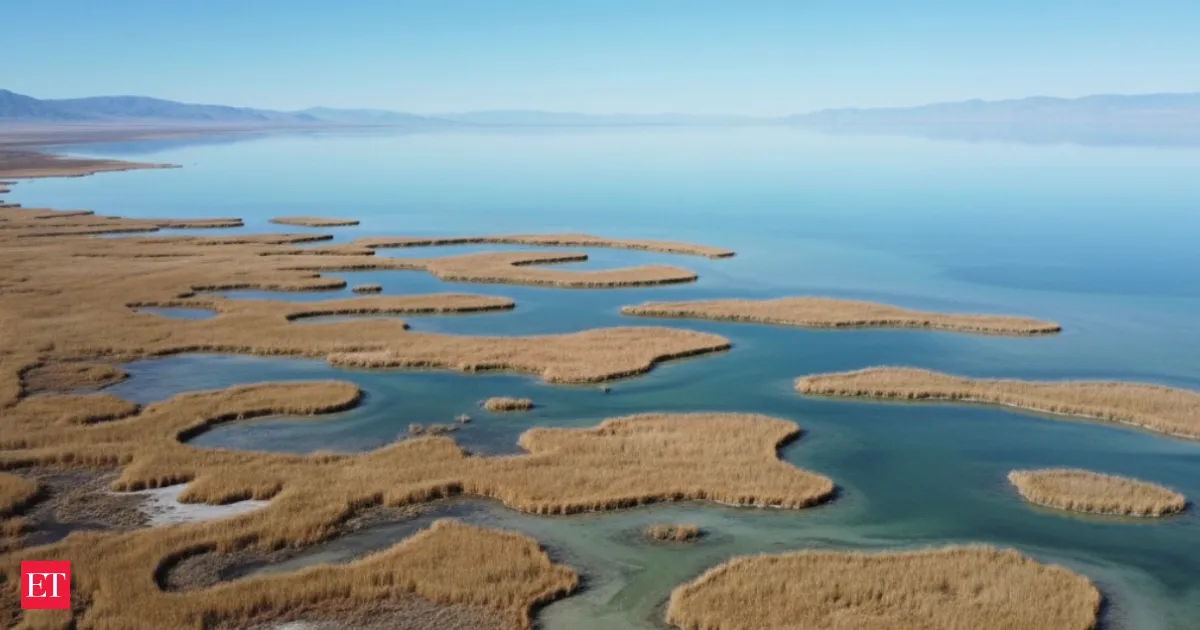
A new study using airborne electromagnetics and satellite imagery reveals a vast underground freshwater system extending kilometers beneath Utah’s Great Salt Lake. The discovery challenges the belief that the basin’s extreme salinity dominates underground conditions. Researchers say the hidden water could reshape approaches to managing exposed sediment and related air pollution, but experts warn against careless pumping that could trigger unintended environmental effects.
The US is rapidly accelerating research into psychedelics for mental illness, signaling a major shift from counterculture to mainstream R&D. That change should push India to revisit its drug policies and build the ecosystem needed for responsible progress. With deep cultural ties to altered states, India can lead by funding research centers, developing therapies, and modernizing legal frameworks.
Cornell University research adds a new twist to healthy aging: low vitamin B12 may damage skeletal muscle mitochondria, reducing energy production and cellular resilience. The study found suboptimal B12 levels are common among older adults, and B12 supplementation improved mitochondrial function in aged mice. Human trials are now needed to confirm whether correcting deficiency can slow aspects of age-related decline.
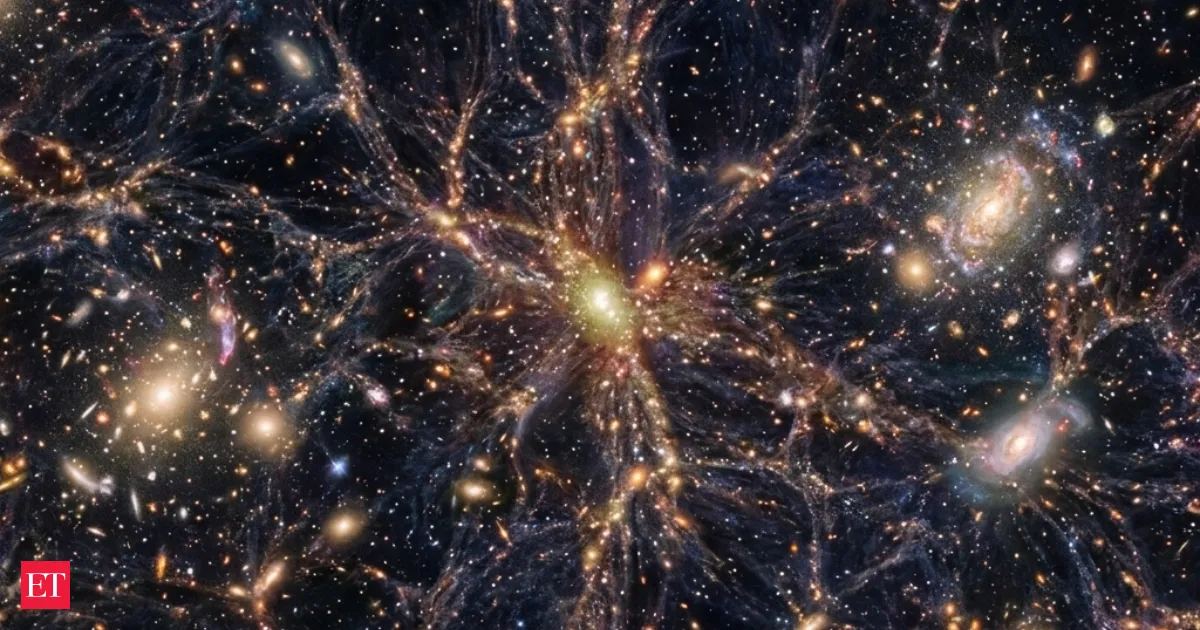
New research finds enormous cosmic filaments in the universe’s web are slowly rotating. These faint structures stretch hundreds of millions of light-years and link galaxy clusters across vast distances. The observation challenges older ideas that matter’s large-scale evolution was mostly static, instead suggesting these colossal “bridges” are dynamic and have been changing for billions of years.
Reading on mobile?
Open Beige in the app for a smoother experience — free on iOS and Android.
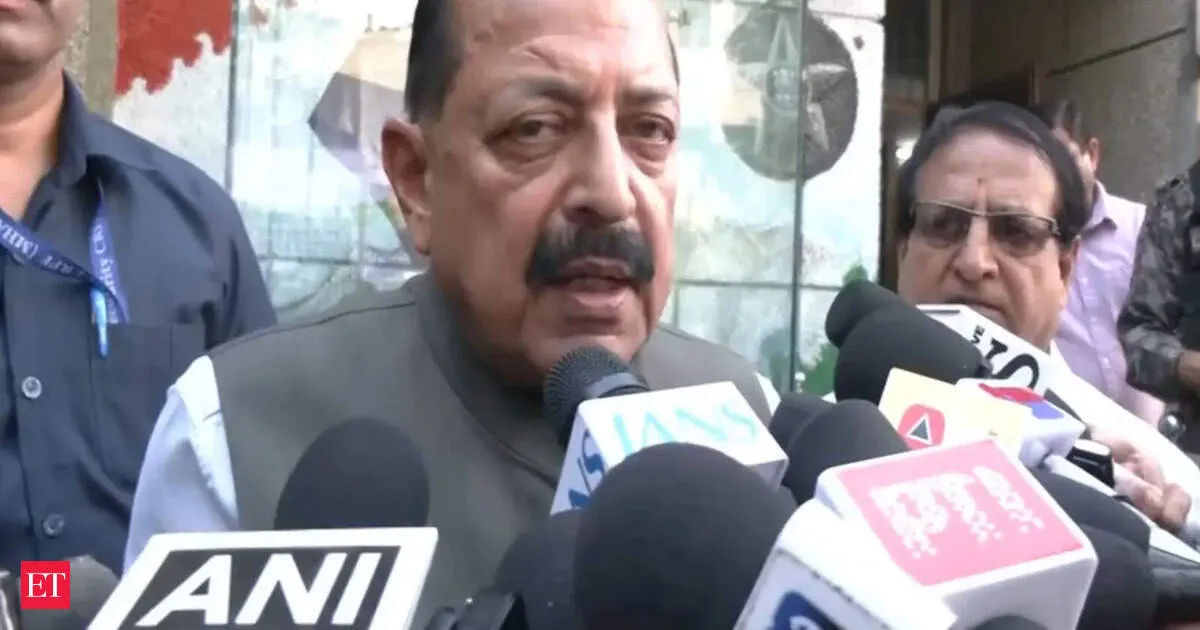
Minister Jitendra Singh says India’s newly launched Research, Development and Innovation Fund is drawing strong interest from private players. Backed by Prime Minister Narendra Modi, the scheme targets high-risk, high-impact breakthroughs, with companies funding 50% of projects. More than 200 proposals are currently being assessed, pointing to growing momentum toward national self-reliance and economic security.
New thermal and imaging studies are reigniting the Great Pyramid of Giza construction debate. Researchers say the stones may have been moved using integrated edge ramps rather than external methods. Advanced scans also suggest internal spaces, feeding fresh theories about how the pyramid rose. The idea is promising but still needs testable confirmation.
The BBC has signed a Memorandum of Understanding with NABL to help Karnataka startups earn broader global recognition for their research. Firms at the Bangalore Bioinnovation Centre will get easier access to NABL accreditation, aiming to validate new products more quickly. The move could reduce time-to-trust by streamlining testing and recognition needed for wider adoption.
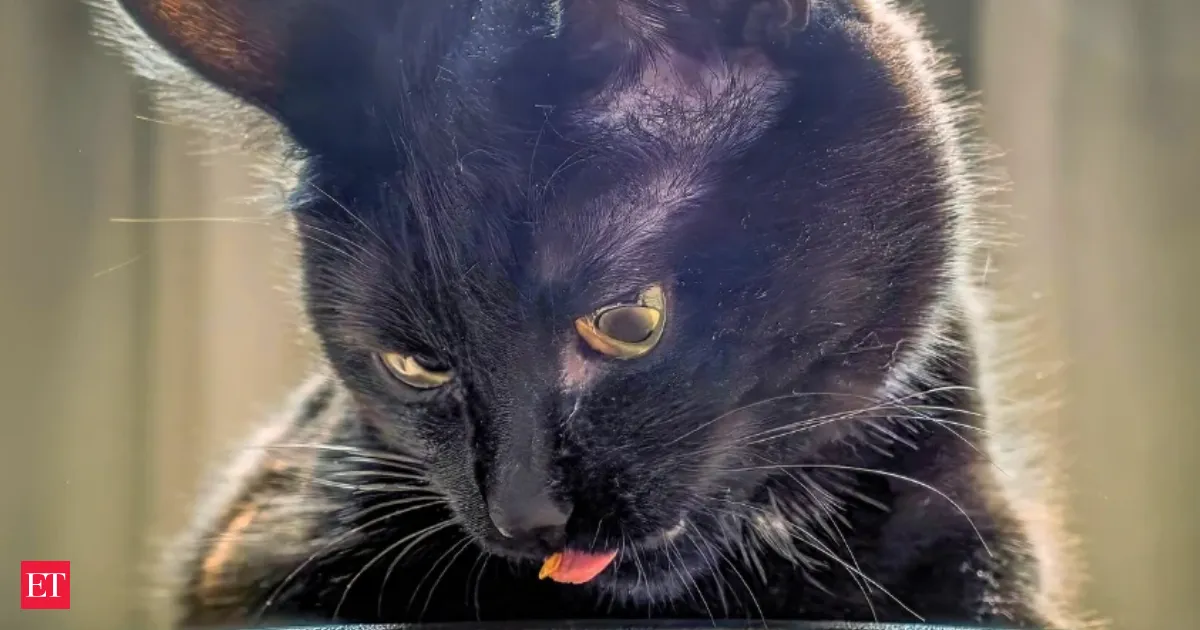
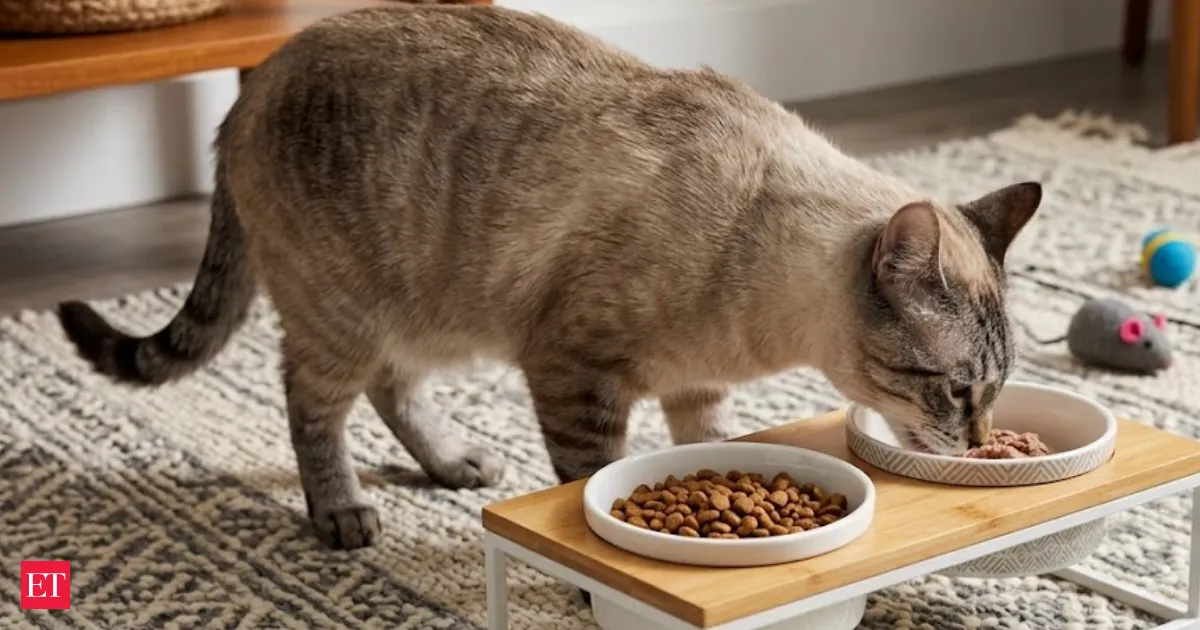
New research from Iwate University suggests cats don’t simply stop because they’re full. Instead, their feeding pauses may be tied to satisfaction triggered by specific smells detected by olfactory sensors. When a different scent appears, appetite can restart—challenging the idea that cats are always overstuffed when they walk away from food. Evolution and sensory responses shape the pattern.
Follow your favourite sources
Track sources, tags and categories — all in the Beige app.
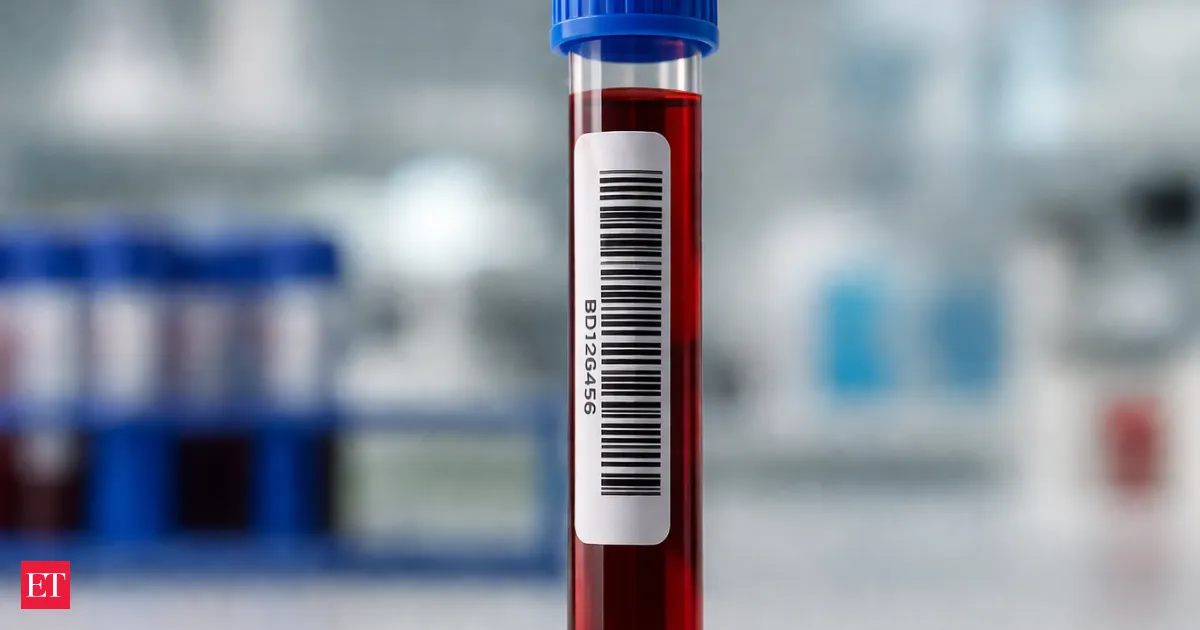
Researchers have identified a newly recognized human blood type, B(A), bringing the total known blood groups to 49. The discovery highlights how complex and still-unmapped human biology remains. While extremely rare—reportedly carried by only a handful of people—understanding such blood types can improve transfusion safety and matching for future medical needs.
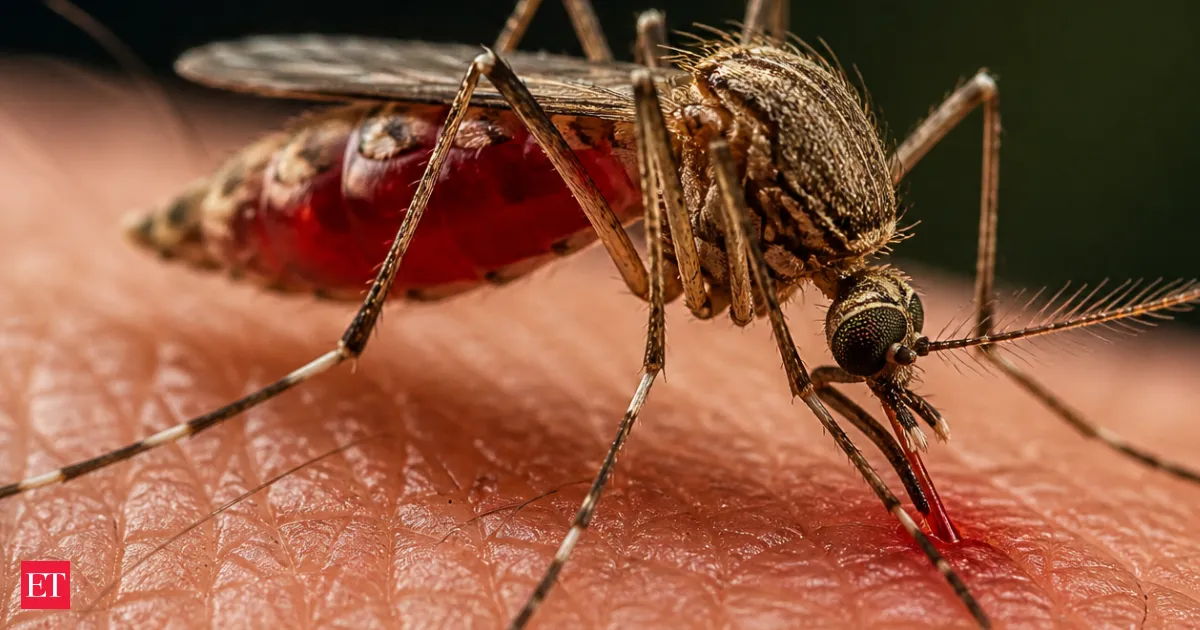
A new study suggests malaria was more than a health threat for early Africans—it helped determine where people settled. Using advanced models, researchers found ancient communities tended to avoid areas with higher disease risk, which fragmented populations over time. That separation may explain part of the genetic diversity seen today, showing disease as a key driver alongside geography and environment.
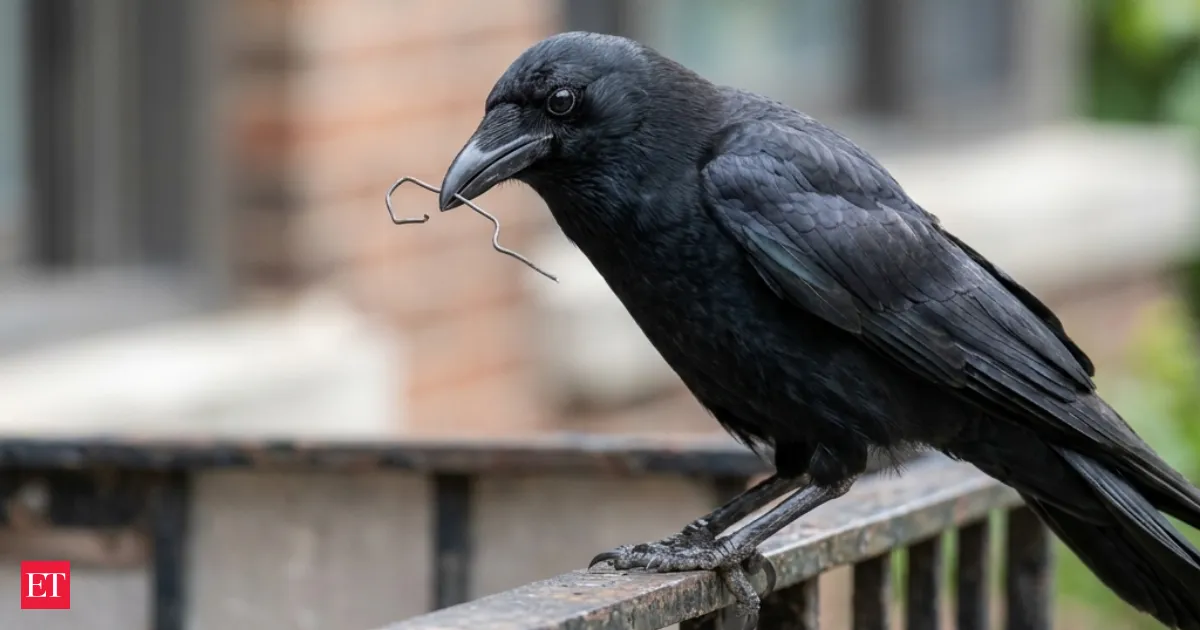
A new study suggests crows don’t just learn from past interactions—they anticipate future outcomes. In experiments, the birds selected tools without immediate rewards, indicating planning and complex decision-making. The findings challenge older ideas that intelligence depends mainly on brain size, and place crows’ problem-solving abilities alongside those of primates.
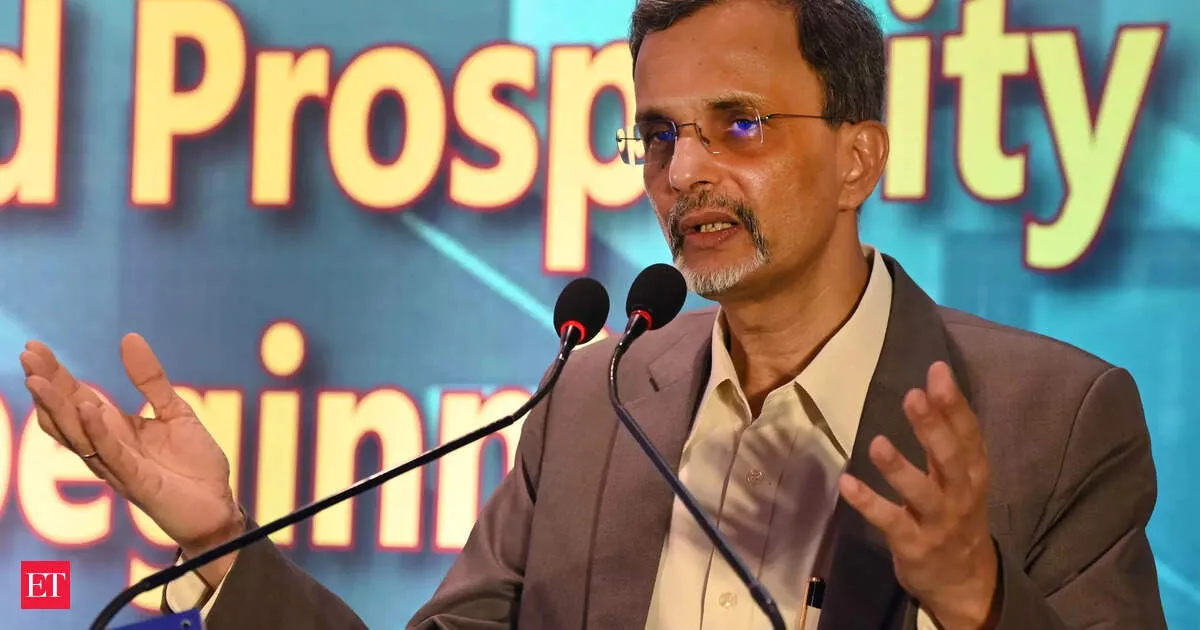
Chief Economic Advisor V Anantha Nageswaran says India can aim for a $30 trillion economy by 2047 if it sustains roughly 12% annual growth in dollar terms. He adds that higher growth must be supported by stronger technology capabilities and investment in frontier research, positioning these areas as key to maintaining momentum.
Stay informed on the go
Bite-sized news from 100+ trusted sources, right in your pocket.
A new study finds that cats allowed to roam outdoors face a higher risk of injury and early death. Researchers point to threats like traffic, fights, and poisoning, which can quickly cut lifespans short. Instead, experts recommend safer, contained setups—secure yards or enriched indoor life—to help cats stay healthier and live longer.
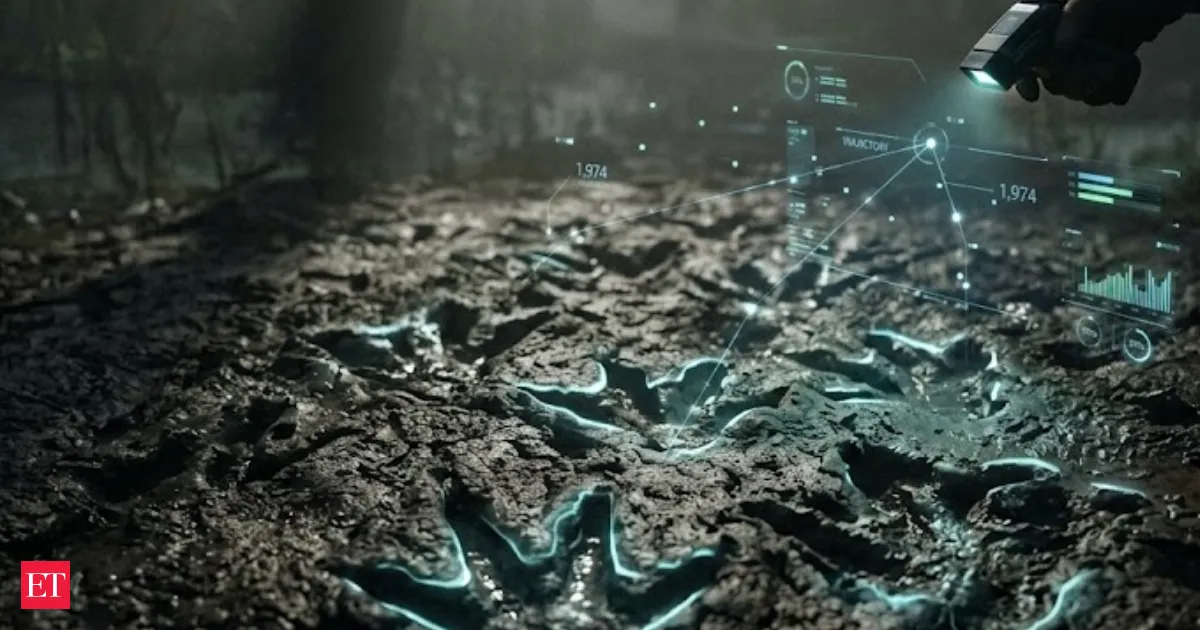
Using artificial intelligence to interpret fossilized footprints, researchers analyzed 1,974 previously unclassified trackways. The AI’s pattern recognition points to bird-like relatives appearing millions of years earlier than established evolutionary timelines suggest. If confirmed, the findings could reshape how scientists date early avian ancestors and motivate new fossil track studies to test the revised history.
Swipe through stories, personalise your feed, and save articles for later — all on the app.