India’s economy is feeling pressure from West Asia conflict-linked disruptions, with crude oil prices rising and trade routes facing strain. Yet analysts point to steadier domestic demand and stable financial conditions as key shields. The government and the Reserve Bank of India are also tightening risk management, and officials argue reforms will determine how resilient growth stays over time.
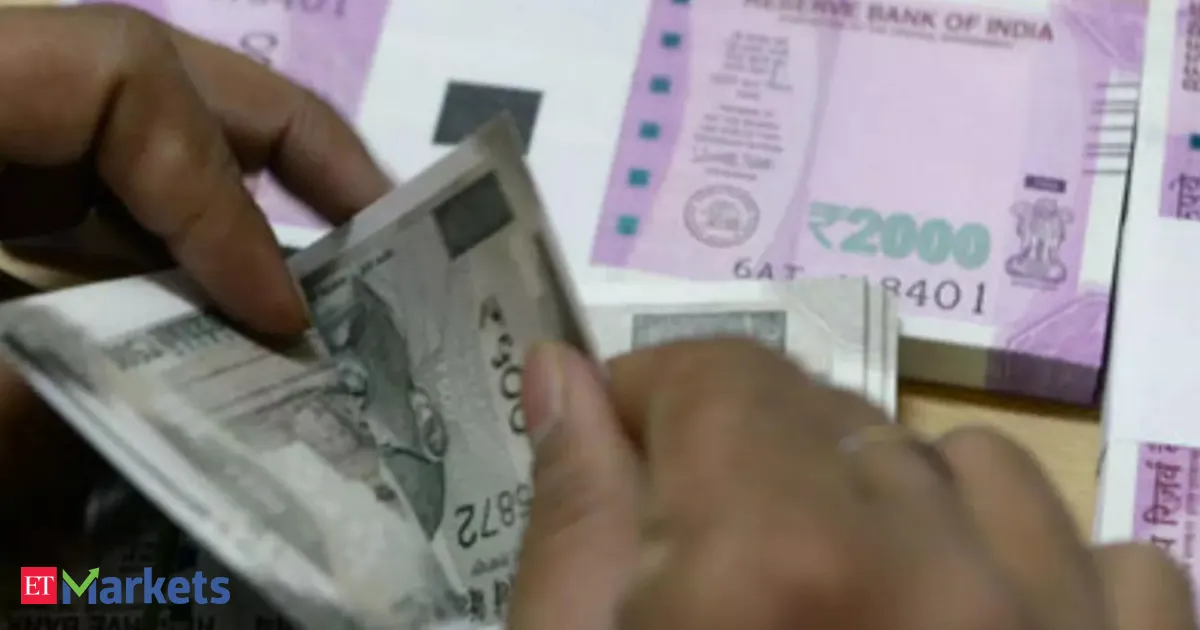
The Indian rupee slid past 95 per dollar, recording its steepest annual fall in 14 years. After a brief early recovery, strong dollar demand from oil companies and importers drove the currency to fresh lows, while RBI intervention helped it end at about 94. The pressure has been especially heavy over the past month.
Your news, in seconds
Get the Beige app — every story in 60 words, updated hourly. Free on iOS & Android.
RBI Deputy Governor Poonam Gupta said the central bank is in a “wait and watch” mode on inflation, emphasizing that there is currently no clear evidence of second-round effects. With global headwinds and geopolitical tensions ongoing, the RBI remains optimistic about India’s growth, balancing price stability with support for economic expansion through careful monitoring of external risks.
India’s rupee has slipped to record lows, worsened by the Middle East conflict and domestic economic weaknesses. The RBI’s currency controls are now viewed as having backfired, reflecting eroding confidence. If the rupee reaches 100, costs of living could rise, government finances may face added pressure, and middle-class “aspirations” could take a hit.
SBI Chairman highlights that financial markets will move beyond mere growth toward “intelligent scale,” powered by AI for smarter risk management and operational efficiency. He also points to deeper global integration and the rise of digital assets. In parallel, the Reserve Bank of India has eased offshore non-deliverable forward trading restrictions, aiming to bolster rupee internationalization as volatility steadies.
Swipe through stories, personalise your feed, and save articles for later — all on the app.