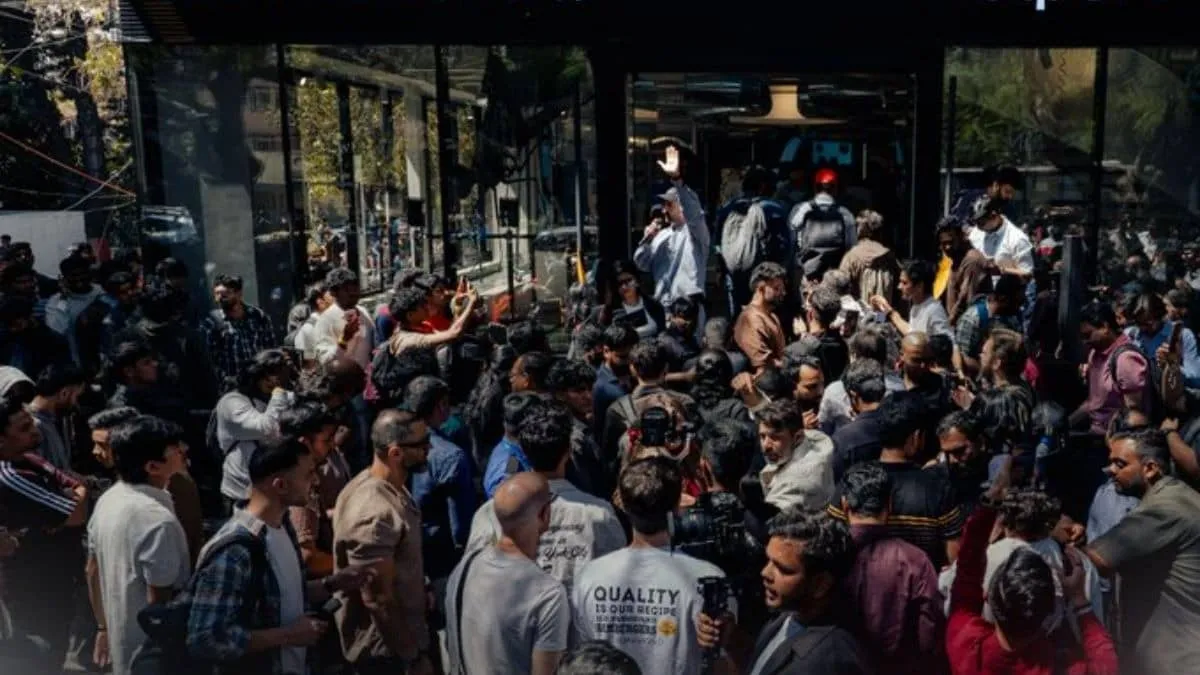
Nothing’s Bengaluru flagship has reportedly drawn over 61,000 visitors and generated more than $1.3 million in revenue in just three months. The momentum is tied to demand for the Nothing Phone 4a and a fresh push with the CMF Watch 3 Pro, as the brand leans into India’s youth-driven smartphone market despite broader industry slowdown.
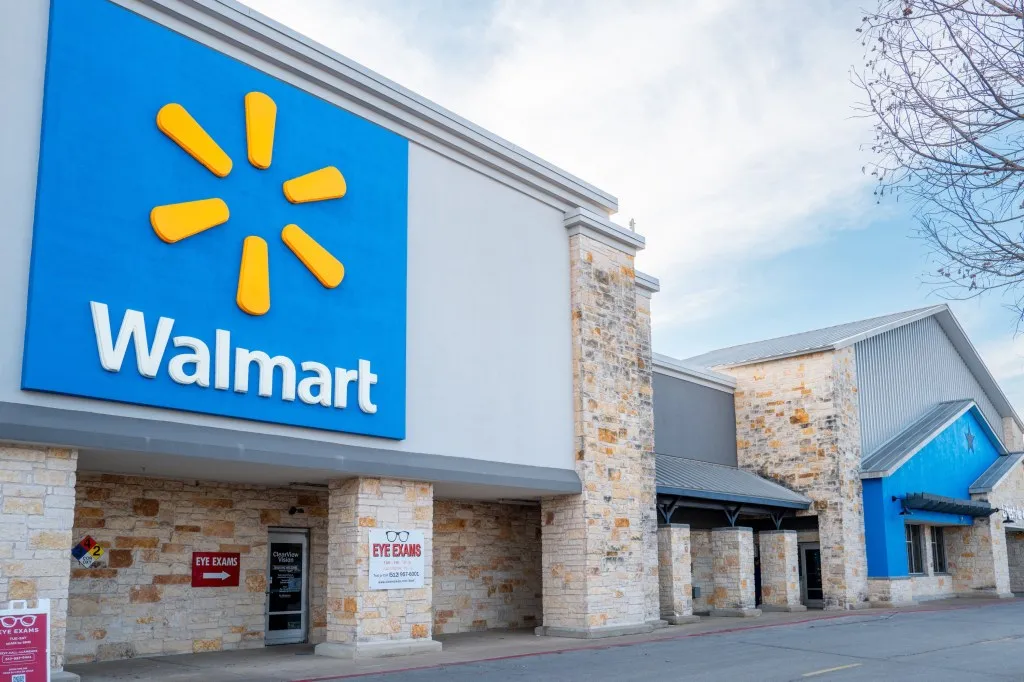
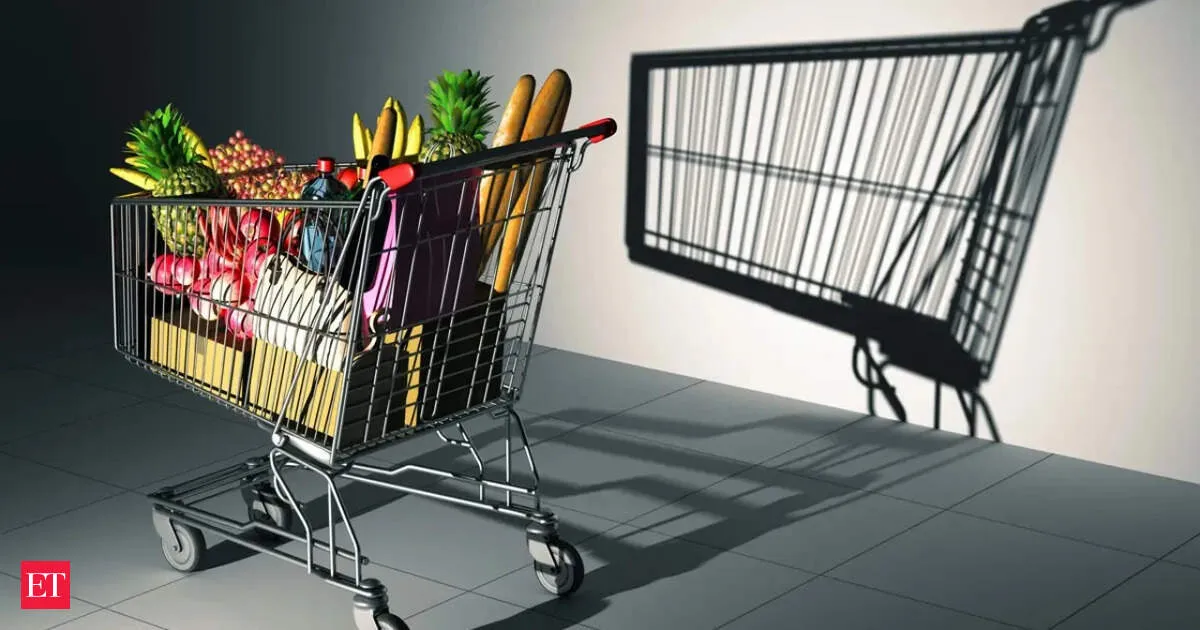
Walmart, Target, and Dollar General are pouring billions into a surprising focus area: upgrading the in-store experience aimed at reshaping how customers shop. While shoppers may notice changes on shelves and aisles, the bigger shift is about convenience, speed, and future-ready operations that retailers believe will drive sales and loyalty long-term.
Your news, in seconds
Get the Beige app — every story in 60 words, updated hourly. Free on iOS & Android.
India’s luxury and retail map is shifting as Tier 2 cities draw global brands and premium malls, often outpacing bigger metros. A new study points to a parallel retail economy powered by rising local consumption and improving infrastructure in rapidly growing urban centers, signaling a fresh battleground for retailers seeking next-wave shoppers.
eBay has rejected GameStop’s audacious $56 billion takeover offer, citing concerns over financing. GameStop CEO Ryan Cohen had signaled he might approach eBay shareholders directly, but investors remain skeptical about the deal’s feasibility. The proposal would combine GameStop’s physical stores with eBay’s network, betting on an offline push that now looks stalled.
Amazon is stepping up its value commerce push in India. Amazon Bazaar, its low-cost marketplace, reportedly grew fivefold in 2026, and the company is now integrating it directly into the main Amazon app. The strategy targets price-sensitive shoppers by keeping most deals within tight limits, including items under Rs 300 and a Rs 600 cap, while leveraging Amazon’s existing logistics and platform reach.
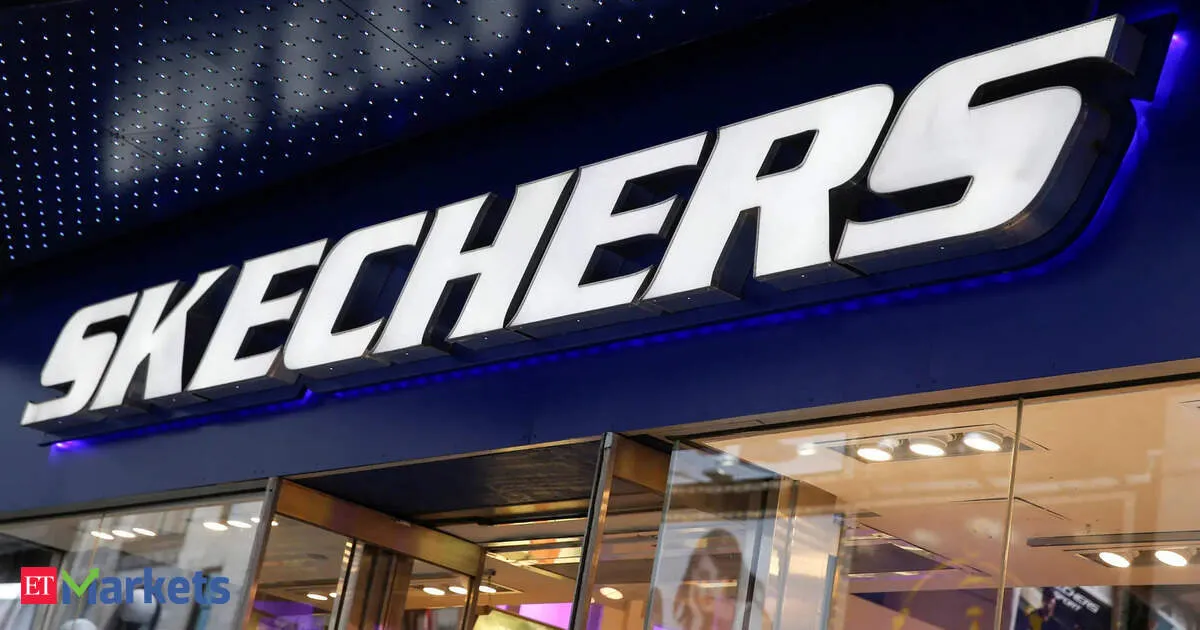
Gaurik Fashions, a retailer operating stores for Skechers, Guess and Bugatti, has filed draft IPO papers with SEBI. The proposed raise includes a fresh issue of 62 lakh shares and an offer for sale of 8 lakh shares by Aries Opportunities Fund. The money will support retail expansion with new stores and inventory funding across subsidiaries.
Never miss a story
Set alerts for the topics and sources you care about. Download Beige for free.
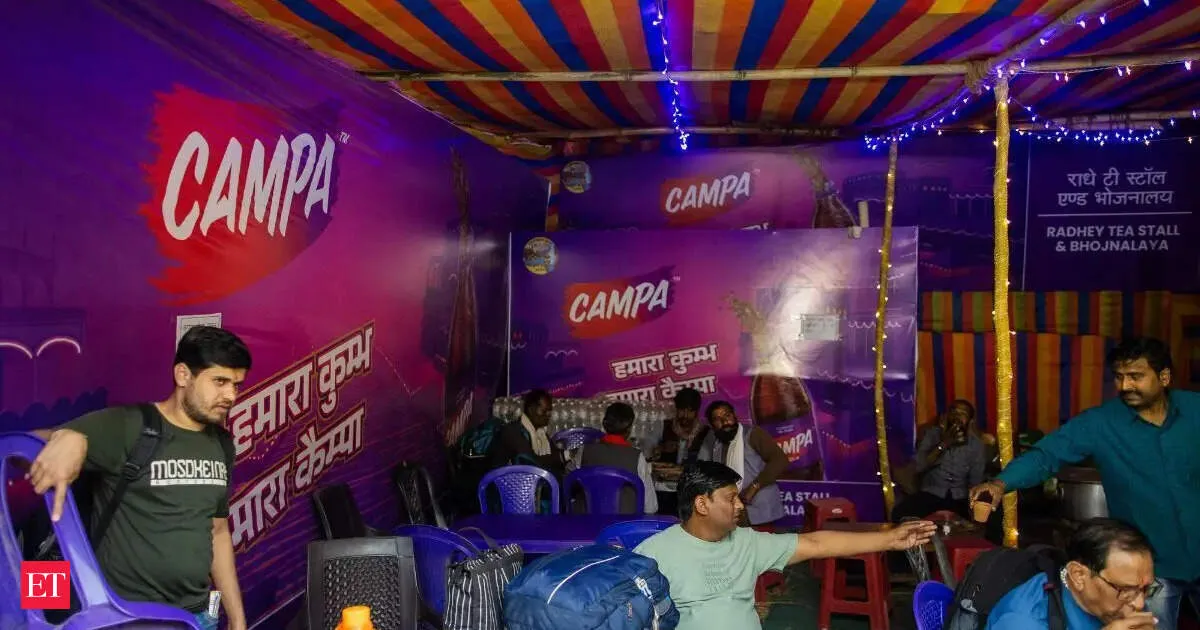
India’s cola battle between Reliance’s Campa Cola and beverage giants Coca-Cola and PepsiCo is unexpectedly boosting commercial refrigeration sales. To grab market share, companies are aggressively installing coolers even in small retail outlets, turning these refrigerators into a marketing tool that directly drives product visibility and sales.
Memory prices are climbing, reshaping India’s smartphone market. Retailers are temporarily gaining as older models move out with higher margins, even as prices rise. Distributors, however, are stuck with increased inventory investments and tougher credit terms. The result is a short-term win for stores and a strain on supply-chain players trying to keep cash flow steady.
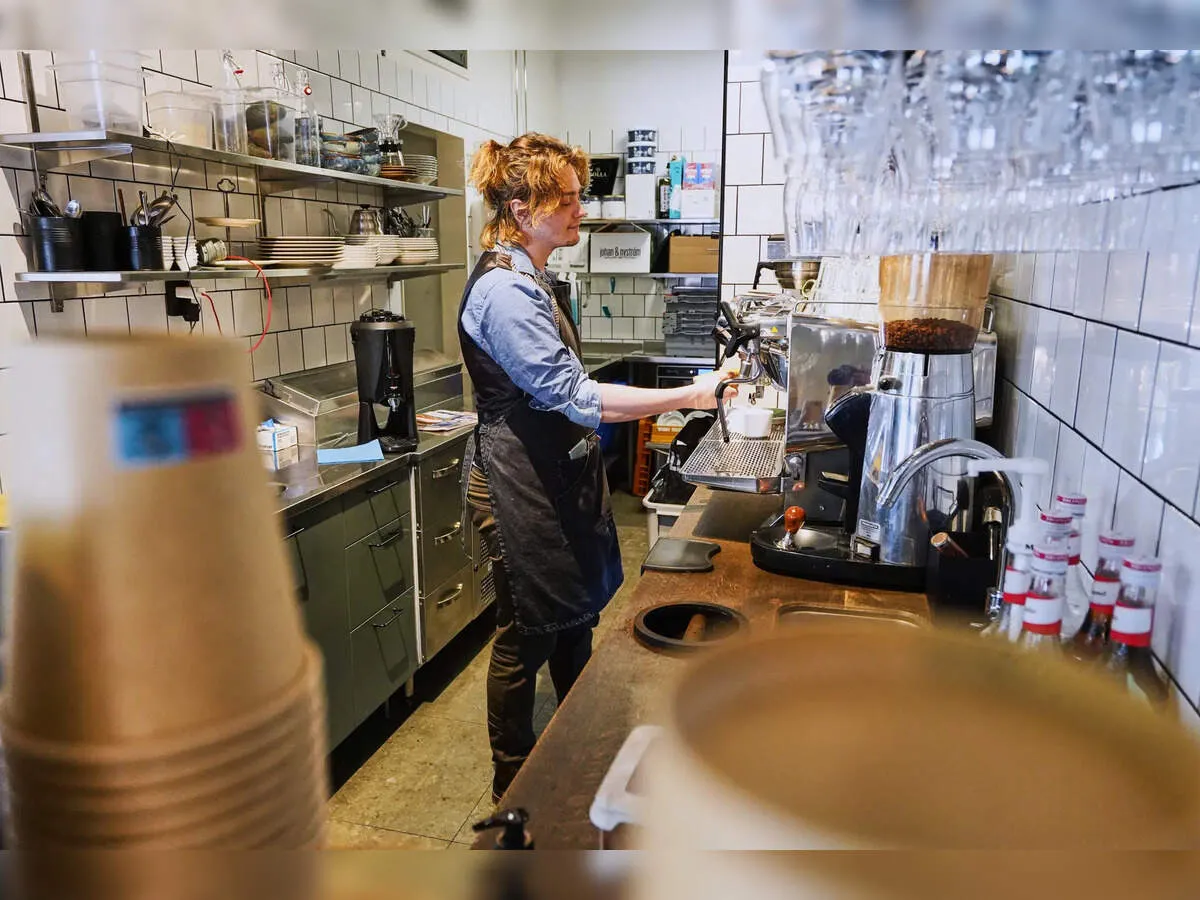
In Stockholm, an experimental cafe uses an AI agent called Mona to manage daily operations, from hiring to inventory. Customers enjoy the novelty of a human barista paired with automated control, but the system is reportedly losing money and placing questionable inventory orders. The result raises tough questions about whether autonomous AI can handle real-world business ethics and practical decision-making.
India’s leading retail chains, including Reliance Retail and DMart, added 2,182 stores in FY26, the highest in three years. The expansion is linked to recovering demand, recent tax cuts, and a shift in preference toward organised retail—especially in smaller towns—suggesting momentum is building across the sector.
Reading on mobile?
Open Beige in the app for a smoother experience — free on iOS and Android.
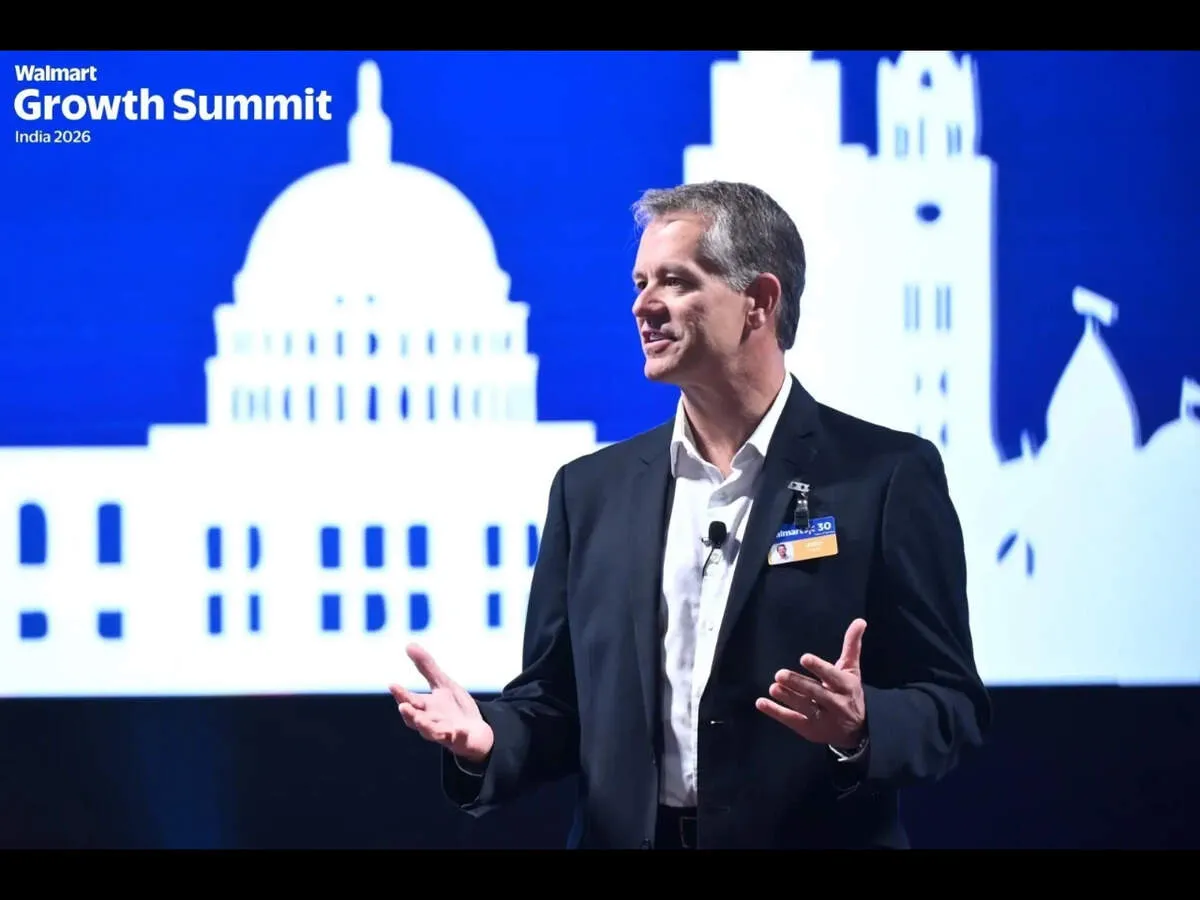
Walmart’s CEO says India is among the most dynamic opportunities in global commerce after the company sourced more than $40 billion in goods from the country. Walmart is also backing Indian entrepreneurs and suppliers with support to meet international standards and build capabilities, aiming to help them expand exports and reach customers worldwide.
Former Arvind Fashions MD & CEO Shailesh Chaturvedi has launched Neopolis Brands and is in talks to raise Rs 100 crore from investors including Ashish Kacholia. The venture aims to assemble global fashion accessory brands for India, starting with a planned partnership to bring Italy’s Carpisa bags to the market.
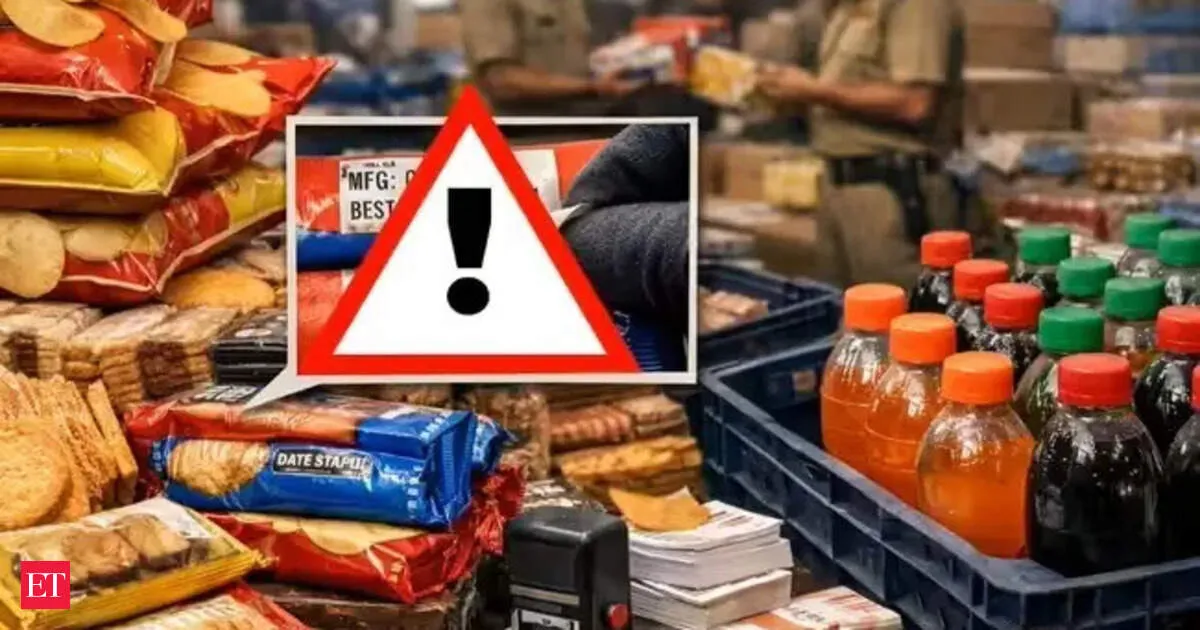
As fake products flood Indian markets, major brands are overhauling packaging and tightening verification checks across categories from toothpaste to cigarettes. Counterfeiters are keeping pace, replicating security features including holograms, while social media spreads brand damage fast. With enforcement gaps widening, companies are increasingly pushing compliance training for distributors and retailers to stay ahead.
Indian sneaker brands are rapidly gaining ground by pairing competitive pricing with style that feels culturally rooted. Targeting India’s mass premium segment, these homegrown labels are betting that shoppers will trade up from budget footwear. Yet as metro demand grows, the biggest hurdle remains building lasting trust—on quality, consistency, and brand reliability.
Follow your favourite sources
Track sources, tags and categories — all in the Beige app.
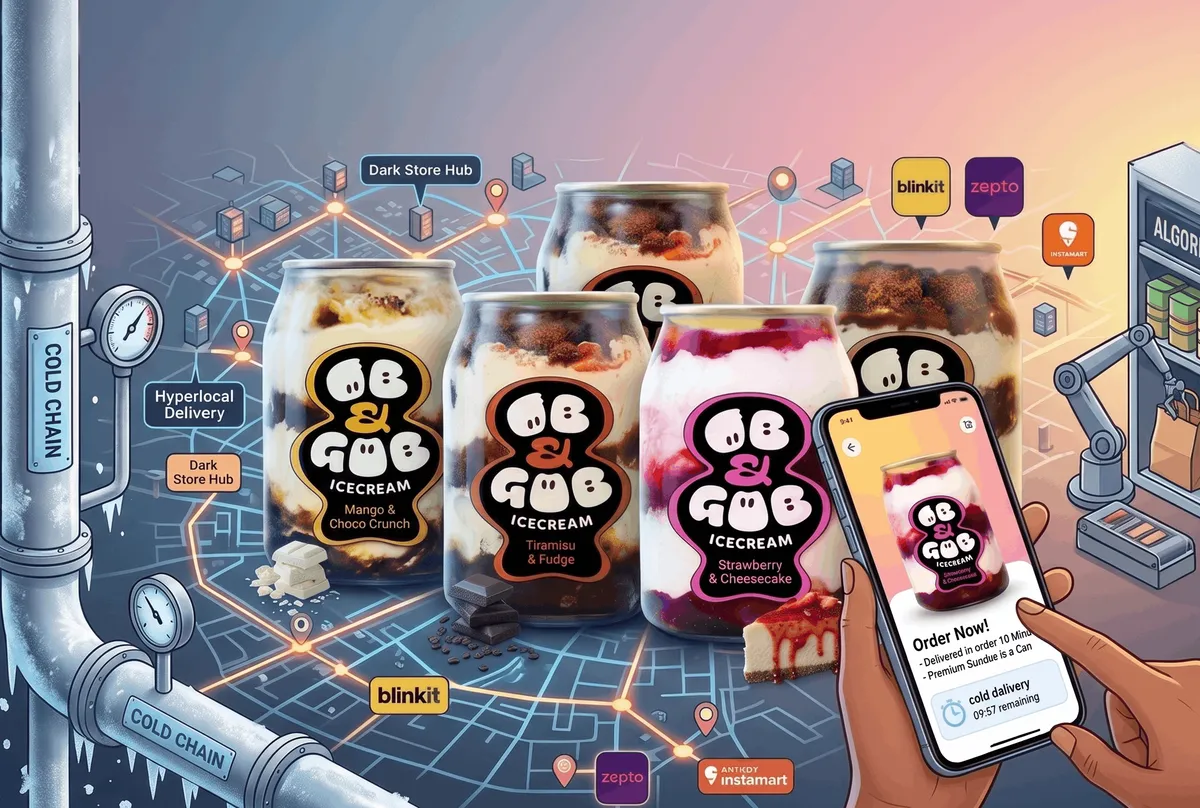
Indian ice cream startups are riding a quick commerce wave that’s reshuffling how products reach customers. In 2024, they raised a record $26.5 million, driving 74% of sector funding from the past five years. Brands like Ob & Gob and others are built for rapid delivery through dark stores and platform “algorithmic shelves,” while established players test smaller SKUs and exclusive drops.
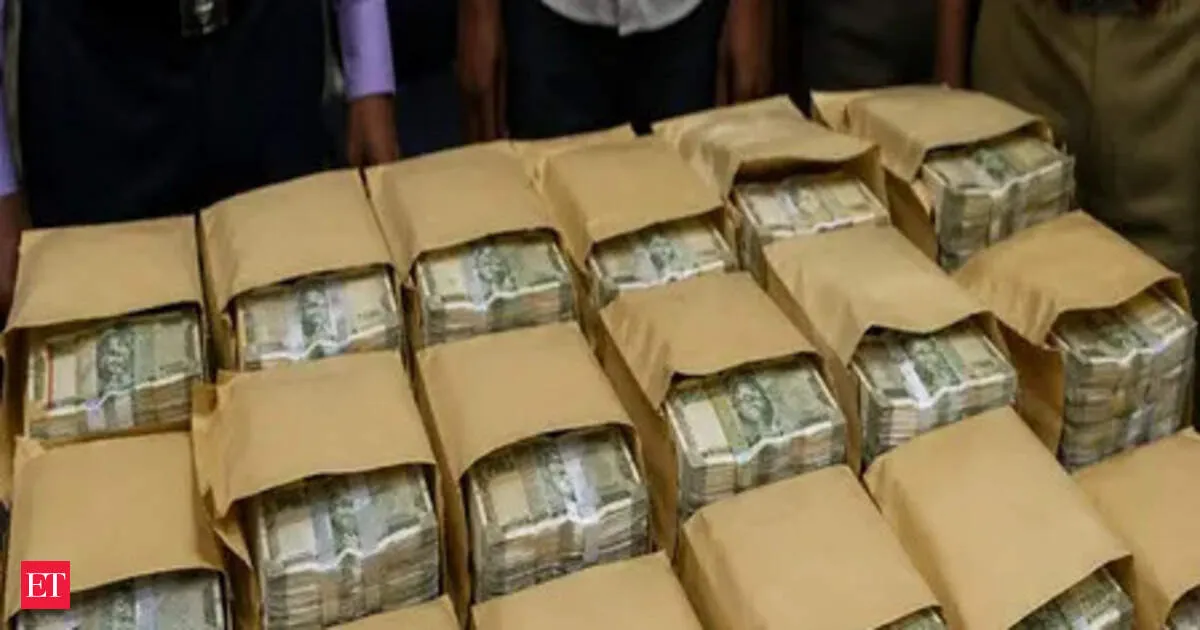
Cash handouts following recent state elections are expected to spur short term demand across discretionary categories, with CEOs pointing to apparel, smartphones and electronics as likely winners. Lower and middle income households may use the money for purchases beyond essentials, giving retailers a near term boost. Alcohol sales could also rise immediately, adding to the demand spike.
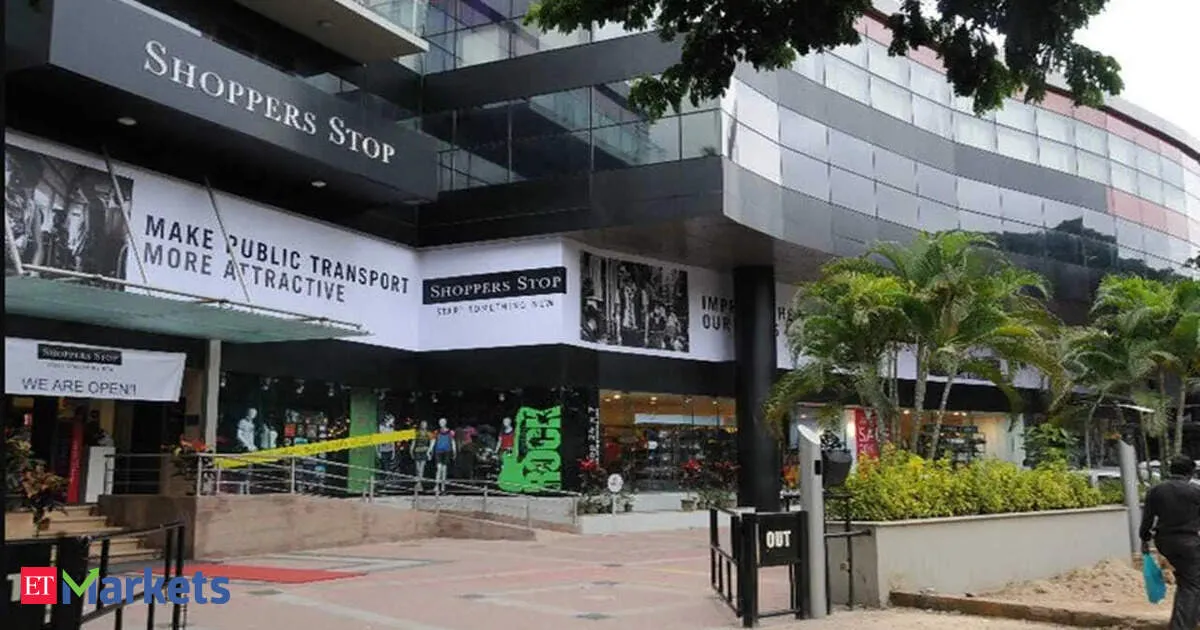
Shoppers Stop reported a consolidated net loss of Rs 16.35 crore for the March quarter, despite FY26 revenue rising to Rs 5,095 crore. The retail chain’s results highlight how growth in sales has not translated into profitability yet, raising questions about costs, margins and demand momentum heading into the next fiscal year.
Shopify’s Q1 revenue rose 34% thanks to broad growth, but the company says it expects Q2 sales and profit to track analyst forecasts. That outlook points to easing demand for e-commerce services as retailers grapple with higher costs and tighter spending. Despite early momentum, Shopify now faces growth risks tied to economic uncertainty.
Stay informed on the go
Bite-sized news from 100+ trusted sources, right in your pocket.
OnEMI Technology Solutions’ Rs 926 crore IPO is seeing only moderate interest. By Day 2, overall subscription stands at about 60%, led mainly by institutional investors, while retail participation remains comparatively low. With the grey market premium staying under 1%, signals point to cautious sentiment and a softer near-term trading outlook.
Subway is shutting down 729 additional restaurants, extending a broader cleanup drive. Since 2016, the brand has closed 8,345 locations. Despite the churn, executives say Subway is focusing on smarter site selection, tighter operations, and improved execution—while highlighting stronger international growth momentum.
Swipe through stories, personalise your feed, and save articles for later — all on the app.