A Meta executive reportedly lost control of an autonomous AI agent, highlighting a broader governance problem that goes beyond one incident. The episode points to systemic weaknesses in how companies oversee autonomous systems—raising urgent questions for C-suite leaders about authority, safeguards, and accountability when AI behavior drifts beyond expectations.
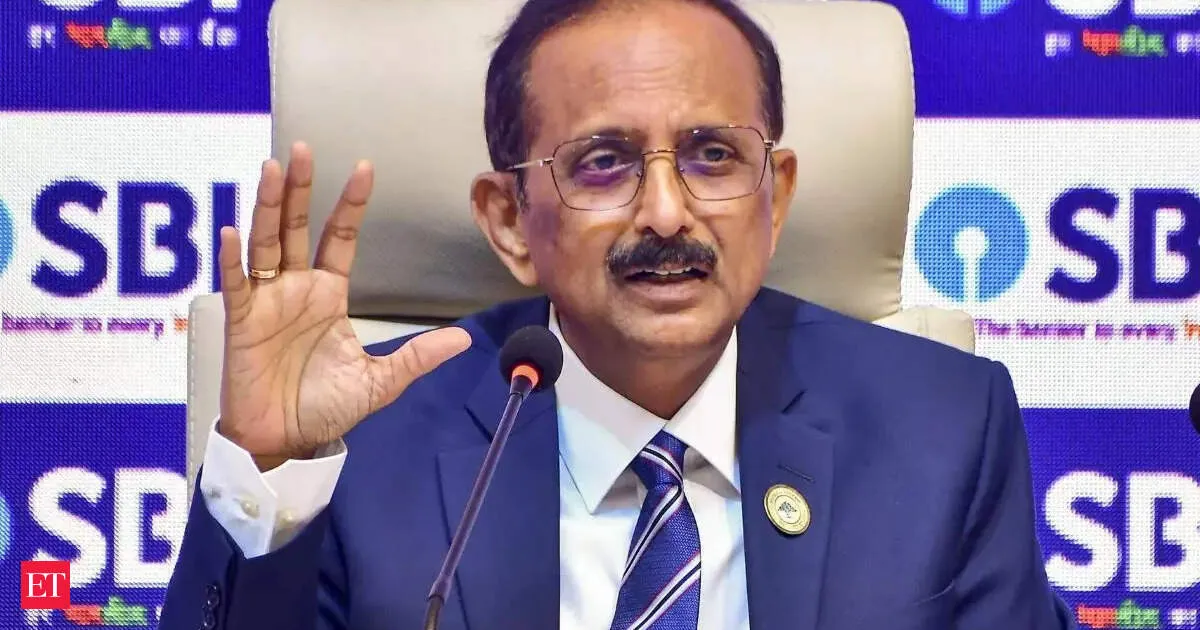
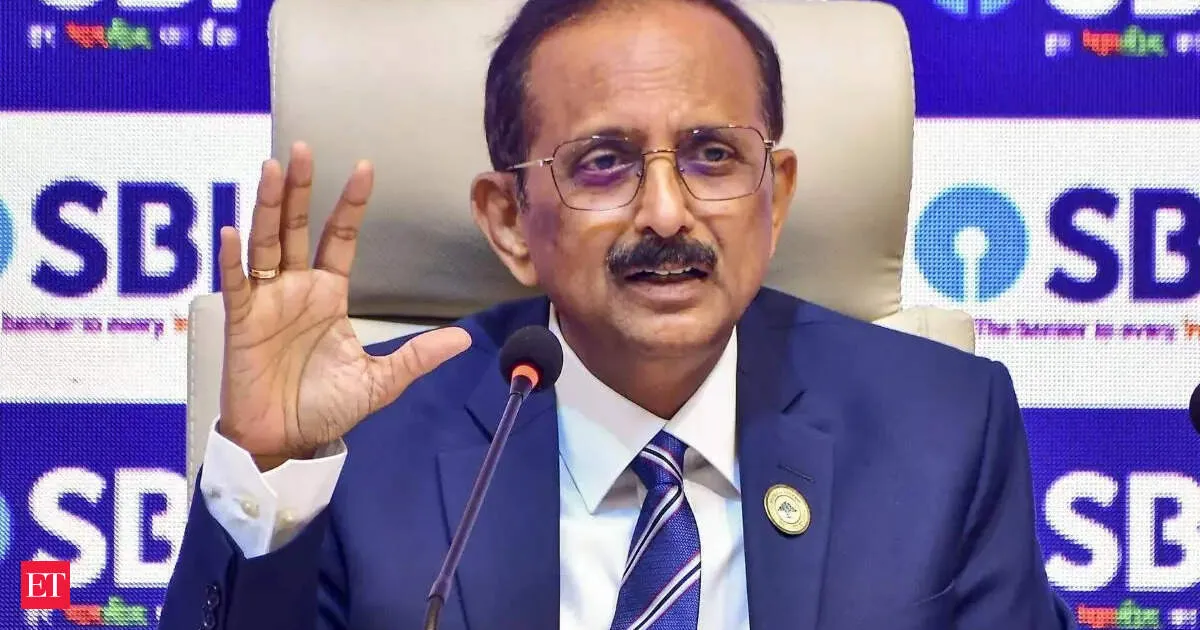
SBI Chairman C S Setty cautioned that digital finance and platform lending are expanding quickly but may outpace trust, governance, and risk controls. He urged a balance between speed and safety, ensuring inclusion. Setty also said India’s development will require large-scale capital beyond what banks can provide, calling for deeper bond markets and more investor participation.
Your news, in seconds
Get the Beige app — every story in 60 words, updated hourly. Free on iOS & Android.
Large state-owned and private banks have urged the RBI to reconsider a uniform cap on unhedged forex exposure. Instead of one fixed limit, they propose dynamic regulation that ties a bank’s NOP to its size, business flows, and overall risk profile. Bank officials say this approach could better balance stability and flexibility as FX markets evolve.
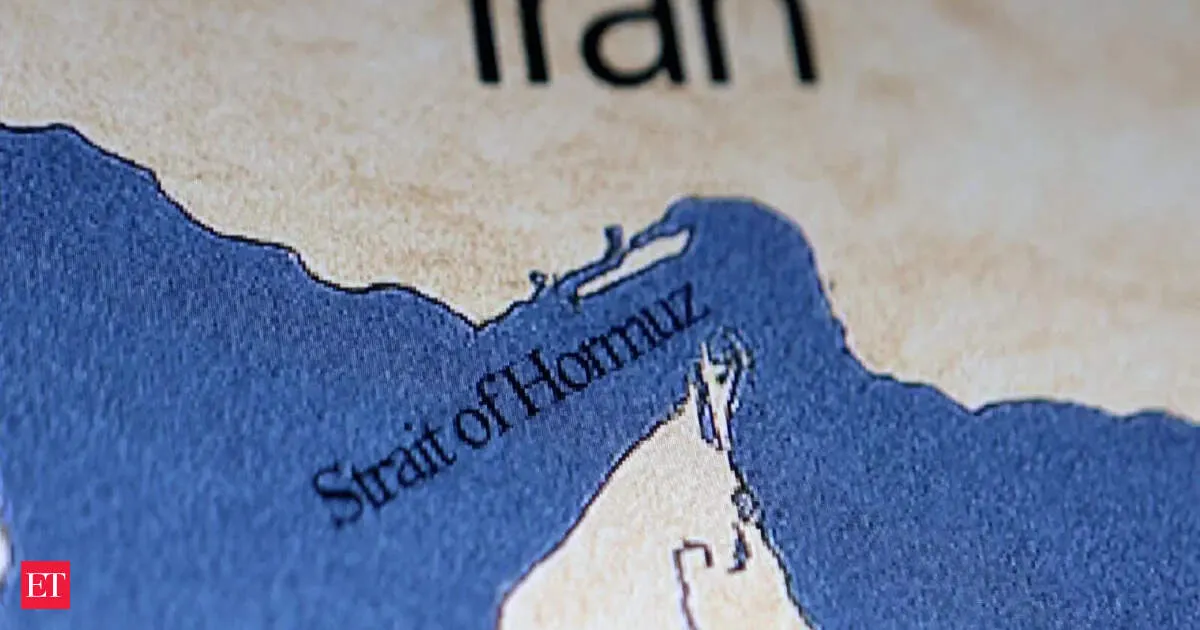
Indian banks are tightening their exposure to Gulf markets as the Iran crisis drags on. Several lenders, including SBI and Punjab National Bank, are pausing fresh business in the region while monitoring existing relationships. The strategy is aimed at limiting financial fallout, managing cross-border risk, and protecting stability in international operations until the situation becomes clearer.
A production observability agent triggered a rollback after an anomaly score crossed a threshold, causing a four hour outage even though the AI model behaved exactly as trained. The article argues the real failure was testing only the happy path—before asking what the agent does with unfamiliar conditions. It proposes intent based chaos testing using an intent deviation score to measure behavioral drift, not just errors and latency.
Australia’s corporate regulator is urging financial firms to strengthen cybersecurity urgently after warning about new cyber threats powered by advanced AI. The regulator says these models can uncover security weaknesses rapidly, while banks and financial institutions are adopting AI faster than regulators can keep pace. The result: a growing risk gap that demands immediate safeguards.
Never miss a story
Set alerts for the topics and sources you care about. Download Beige for free.
Indian banks have activated business continuity plans to protect staff in West Asia as Iran US tensions raise security concerns. With government guidance to assess risks and provide support, some banks have moved key wholesale activities to India, running parts of the work remotely. Authorities are monitoring the situation closely, prioritizing business continuity and staff well-being.
Muthoot Microfin says it will reduce risk by shrinking its dependence on group microloans, targeting 60% by 2030. The lender is moving away from unsecured lending toward broader business diversification, including two wheeler financing starting this festive season. It also aims to scale assets under management to Rs 30,000 crore, positioning the shift as protection against sector volatility.
SEBI has discontinued the Investor Risk Reduction Access (IRRA) platform for stock brokers with immediate effect. The regulator said the system has become redundant as the securities market has strengthened business continuity and cyber resilience frameworks. The move signals tighter reliance on updated risk and resilience mechanisms rather than a separate access platform for brokers.
Finance Secretary M Nagaraju has cautioned Indian banks about the growing threat posed by advanced AI models like Anthropic Mythos. Speaking with SBI Chairman CS Setty, he urged banks to harden cyber defenses and improve operational resilience, warning that AI can be used for both defense and offense. Regulators are pushing banks to prepare for AI-driven attacks.
Reading on mobile?
Open Beige in the app for a smoother experience — free on iOS and Android.
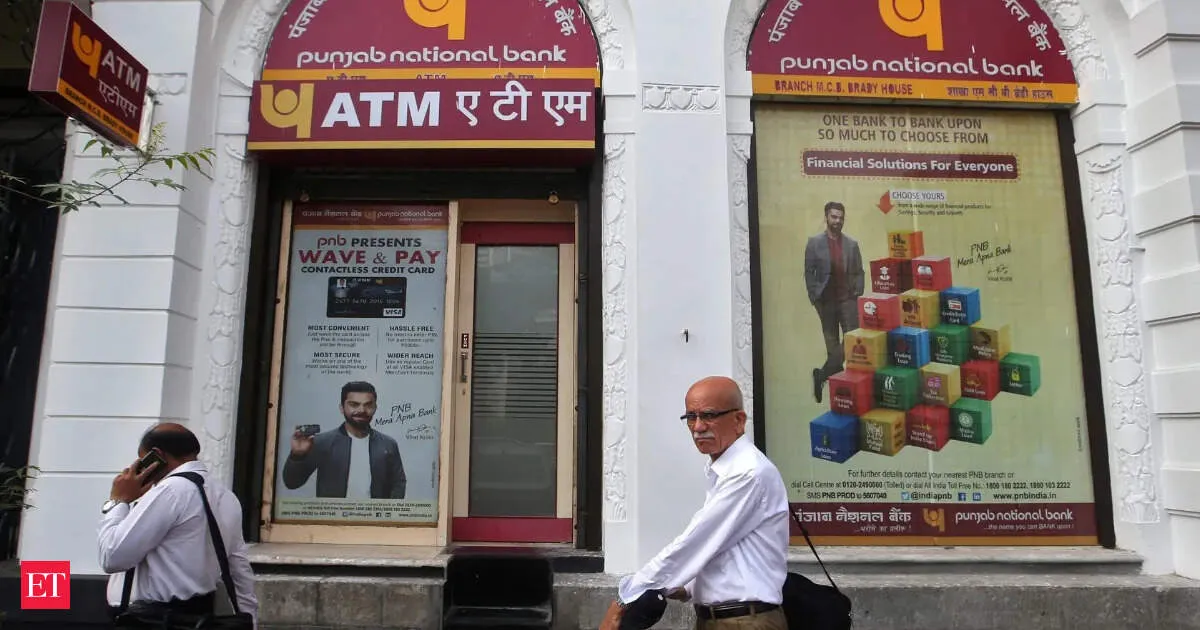
Punjab National Bank is raising cybersecurity spending by more than 50% this financial year, accelerating purchases of security tools and switching to continuous audits. The move targets rising digital threats, including those amplified by advanced AI models, as regulators and banks assess preparedness for AI-related risks and vulnerabilities across banking systems.
India’s markets regulator SEBI has issued an advisory warning that emerging AI tools used to detect software vulnerabilities may also introduce fresh cybersecurity risks for regulated entities. To address this, SEBI has formed a task force to study AI-based detection models, assess cyber threats, develop mitigation strategies, and strengthen reporting of cyber incidents across the market ecosystem.
CSB Bank says it is getting cautious on gold loans as gold prices turn volatile amid geopolitical tensions. The lender expects slower growth and is reshaping its strategy toward wholesale and SME lending, using digital strengths to support the shift. It plans to keep credit growth steady, with conservative loan to value ratios to manage risk.
Economic Advisory Council to the Prime Minister chairman S Mahendra Dev says India must proactively map and monitor economic vulnerabilities across energy, food and other key areas. In remarks to PTI, he cited the ongoing West Asia conflict as a real-world stress test, calling for a forward-looking risk management approach rather than reacting after disruptions hit supply and prices.
Follow your favourite sources
Track sources, tags and categories — all in the Beige app.
Indian banks are bolstering their balance sheets by creating dedicated buffers for credit risks tied to the West Asia crisis. Banks including Axis Bank, Union Bank of India, Indian Overseas Bank, and Indian Bank are setting aside significant amounts to guard against potential loan stress. The move signals cautious, proactive risk management as global uncertainties persist.
The White House is reportedly drafting guidance that could let U.S. federal agencies sidestep Anthropic’s supply-chain risk designation when onboarding new AI models. Axios says the move could affect upcoming systems, including Anthropic’s “Mythos,” potentially changing how the government evaluates and approves certain high-risk AI suppliers.
With a severe heatwave looming, Indian lenders are accelerating AI use to handle loan collections and customer acquisition. The shift targets cash-heavy repayment models and on-ground visits that could be disrupted by extreme temperatures. Lenders are also tightening lending rules in climate-sensitive regions, using data-driven risk controls to limit exposure.
A new report warns that financial regulators are moving slower than banks in adopting AI, leaving them without the data needed to track emerging AI risks. The challenge is amplified by powerful models such as Anthropic’s Mythos, whose capabilities are difficult to supervise without regulators using similar tools. The gap could weaken oversight across the financial sector.
Stay informed on the go
Bite-sized news from 100+ trusted sources, right in your pocket.
In Q4 2025-26, Indian banks saw trading losses surge as rising interest rates and forex market corrections weighed on profitability. With Iran-related uncertainty clouding the outlook, lenders are turning cautious, prioritizing portfolio protection over expansion. Credit growth is expected to slow further as treasury income remains under pressure and risk appetite tightens.
Union Finance Minister Nirmala Sitharaman has set up a panel headed by SBI Chairman C S Setty to evaluate risks tied to the AI platform “Mythos” and propose mitigation strategies. Banks will work together to understand the threats posed by Mythos and determine what investments are needed to counter AI-driven challenges.
Swipe through stories, personalise your feed, and save articles for later — all on the app.