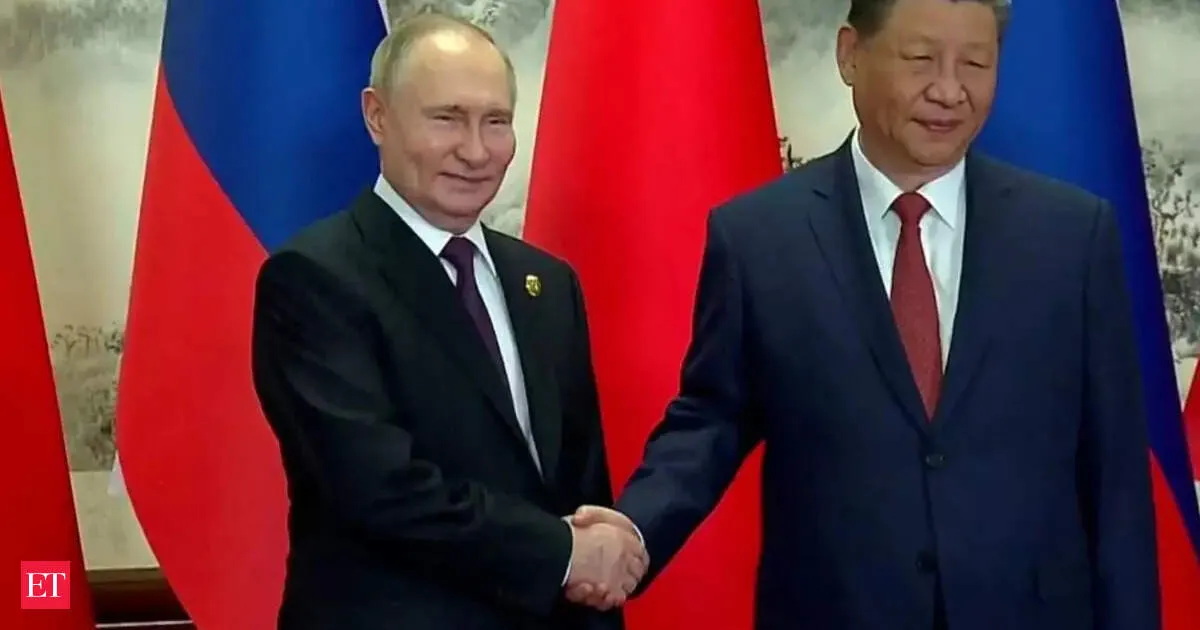
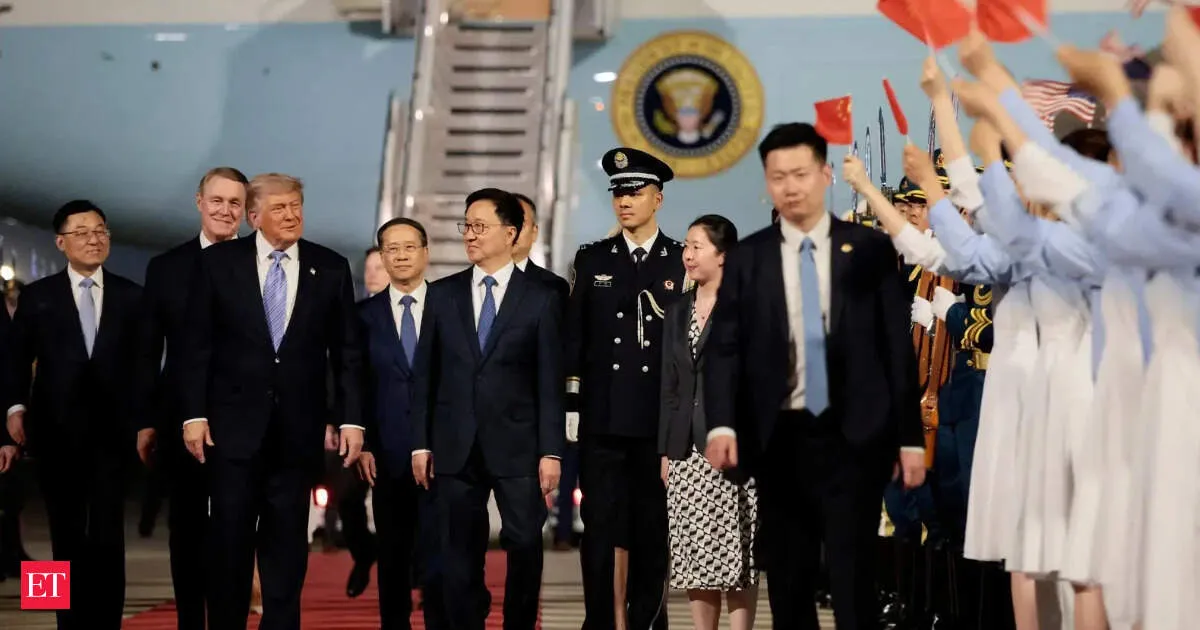
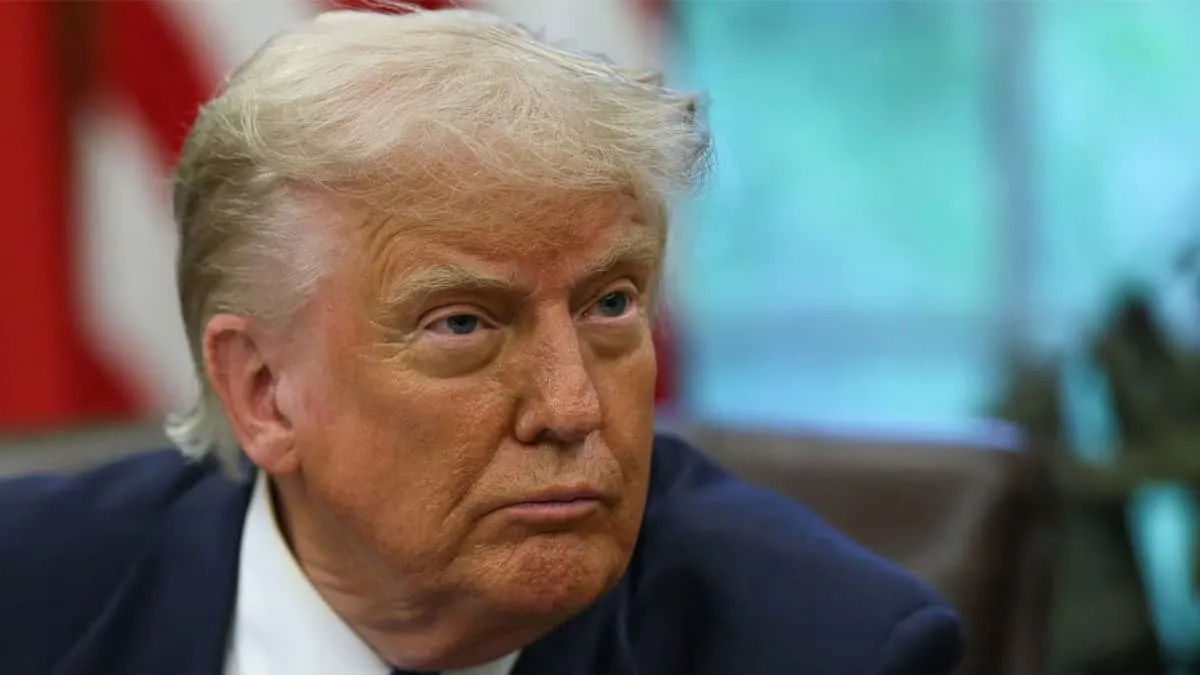
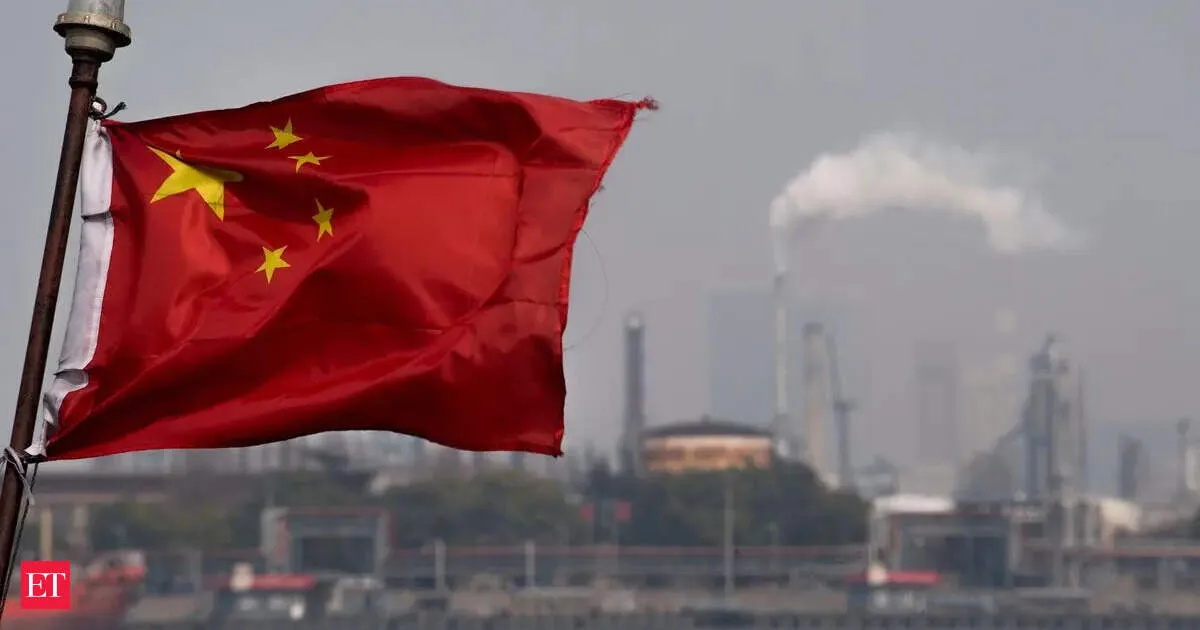
Russian President Vladimir Putin will visit China on May 19 for two days, aiming to expand ties with Xi Jinping and sign a joint declaration. The trip comes right after Donald Trump’s high-profile return to Beijing, where major trade and geopolitical disputes, including Ukraine, remained unresolved. Putin will also discuss economic and trade cooperation with Premier Li Qiang. With Western sanctions squeezing Russia’s energy access, China remains Moscow’s crucial buyer of oil and gas.
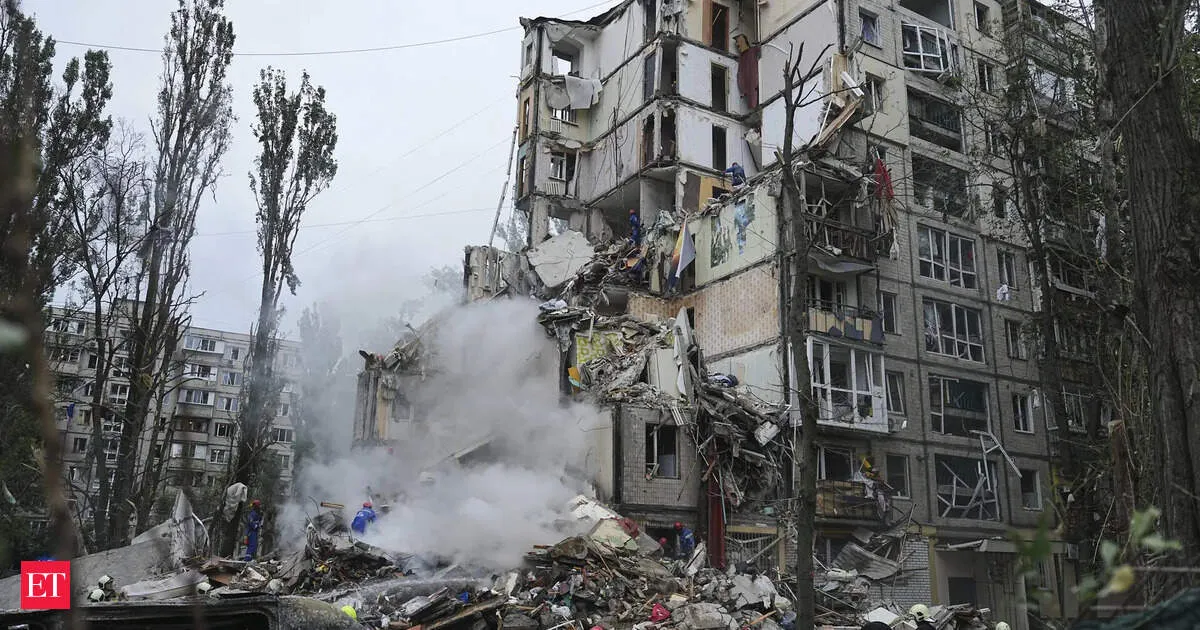
A Russian cruise missile strike on a nine-story apartment block in Kyiv has killed at least 24 people, including three teenagers, with emergency crews finishing searches after more than a day of rubble clearing. President Volodymyr Zelenskyy called it part of Russia’s biggest barrage since the full-scale invasion began, saying the city saw 48 wounded. He also said the missile was built in the second quarter of this year, suggesting continued sanctions evasion, as airports and regional targets were hit.
Your news, in seconds
Get the Beige app — every story in 60 words, updated hourly. Free on iOS & Android.
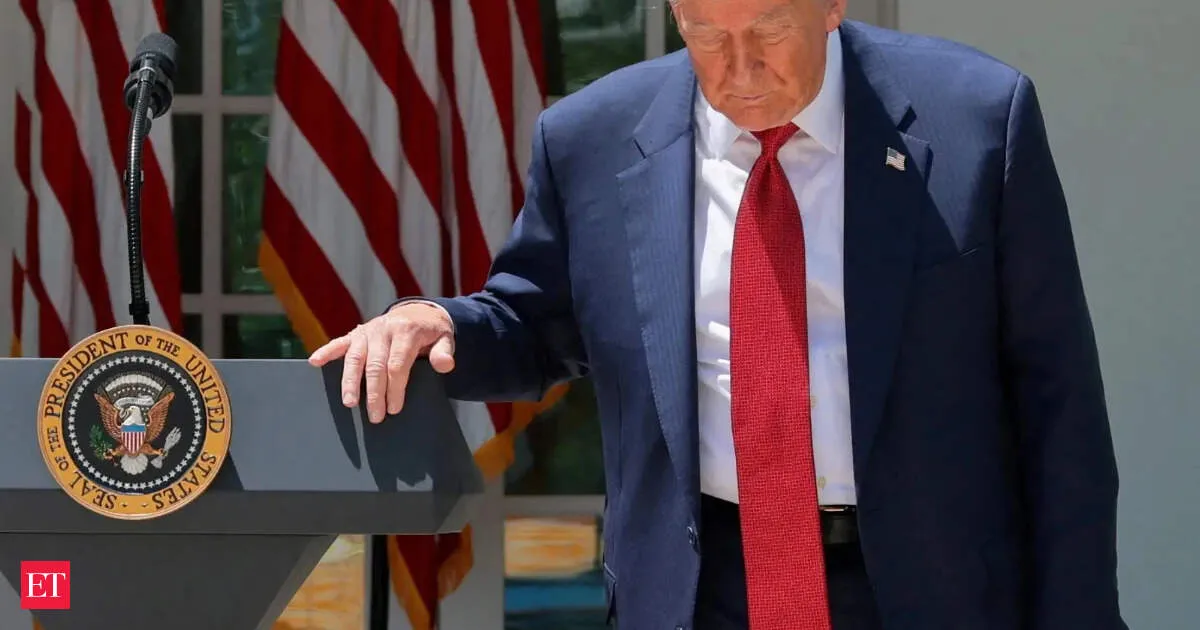
President Donald Trump is set to ask Xi Jinping for help ending the Iran conflict during talks this week, but analysts expect Beijing to offer only limited support. China may encourage Iran to return to negotiations, while resisting any move that would jeopardize its key economic and military links with Tehran, including dual-use supplies. The US has pressure tools like sanctions, yet experts warn the costs and potential retaliation are too high.
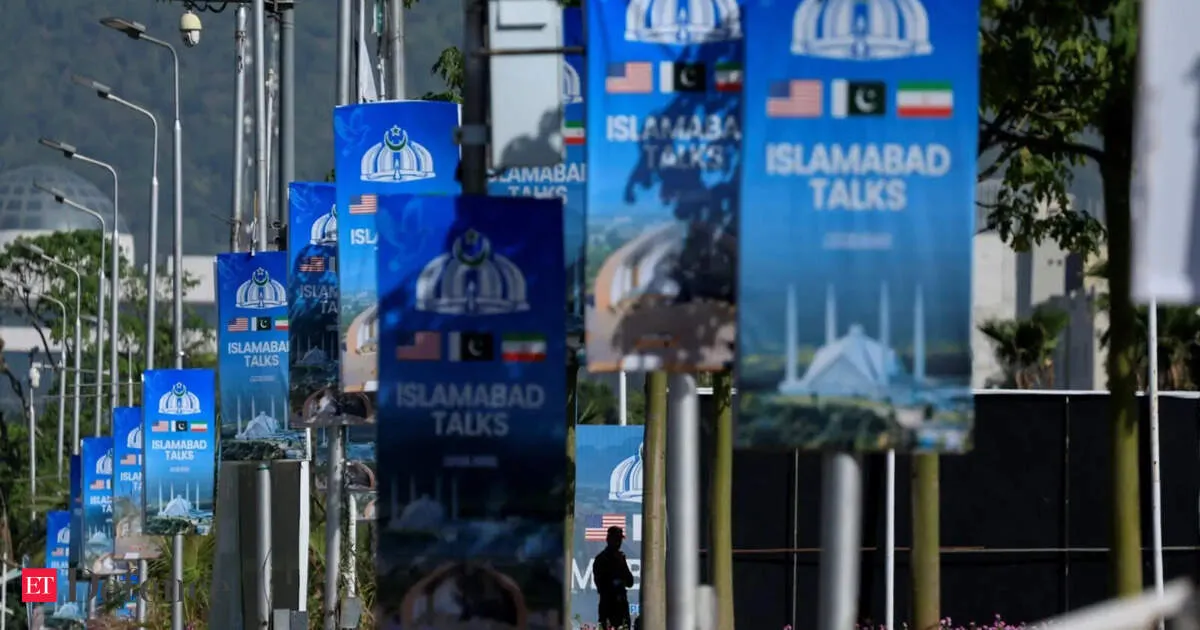
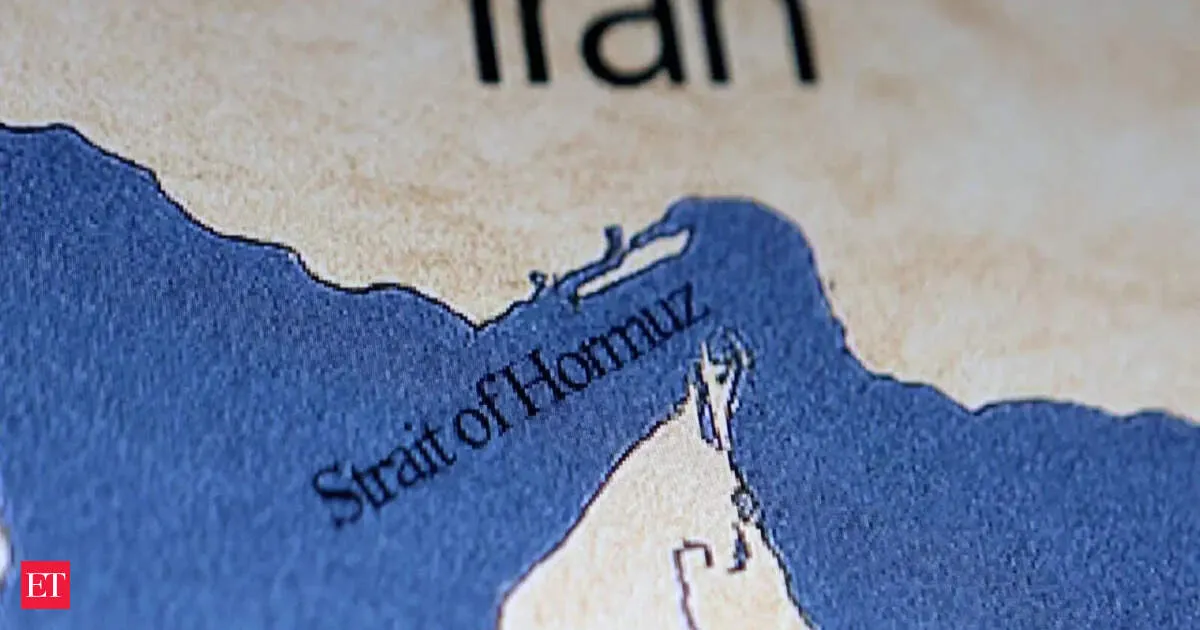
The US and Iran could resume negotiations as early as next week in Islamabad, the Wall Street Journal reports, citing people familiar with the discussions. Work is underway through mediators on a one-page, 14-point memorandum of understanding meant to set a framework for a month-long negotiation process to end the conflict. The draft reportedly covers Iran’s nuclear program, steps to reduce tensions in the Strait of Hormuz, and options for transferring Iran’s highly enriched uranium, but sanctions relief scope remains unresolved. If progress is made, the talks could be extended.
India’s Foreign Minister S Jaishankar says safe and unimpeded maritime trade routes are essential for global economic well-being, warning that turmoil in West Asia directly disrupts shipping and prices. Speaking at a BRICS meeting in New Delhi, he also urged an end to unilateral sanctions, arguing emerging economies need stability and constructive engagement.
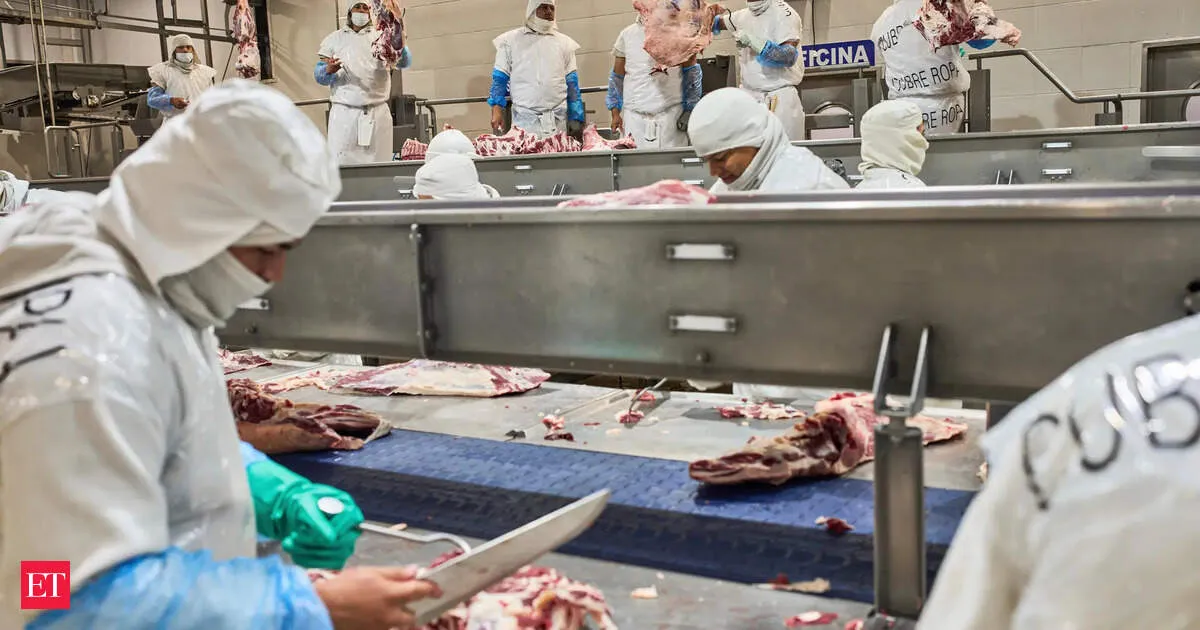
China has reinstated export licences for more than 400 US beef processing plants, including major firms like Tyson Foods and Cargill, as Trump and Xi meet in Beijing. The move follows a sharp fall in US beef shipments to China last year after many plant registrations expired, disrupting trade worth billions.
Never miss a story
Set alerts for the topics and sources you care about. Download Beige for free.
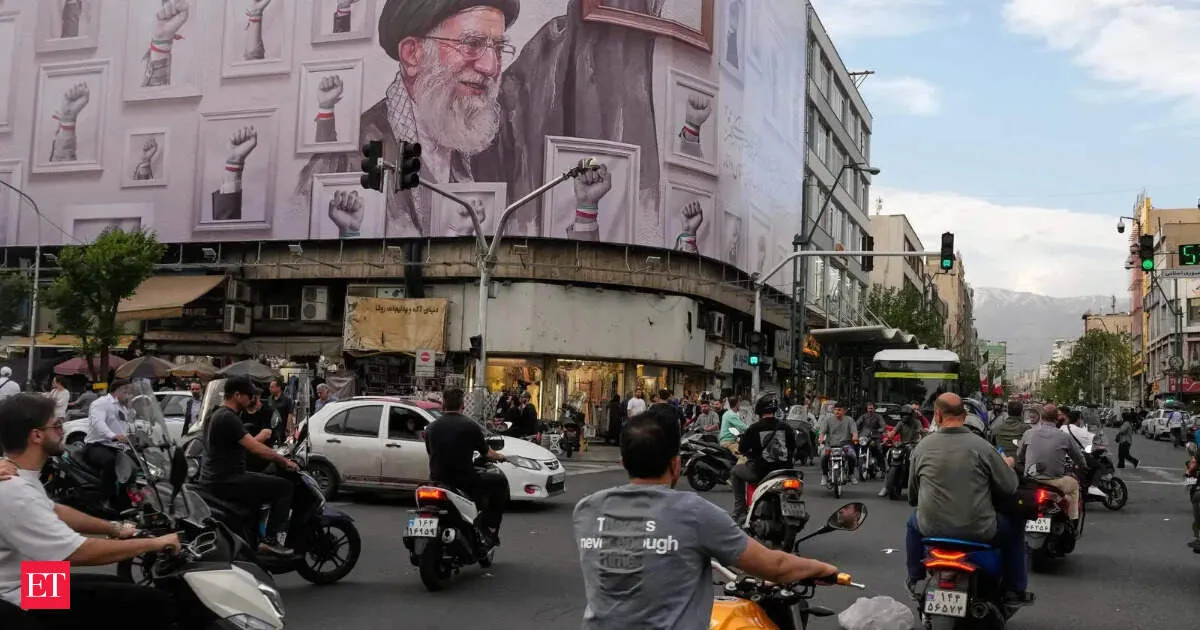
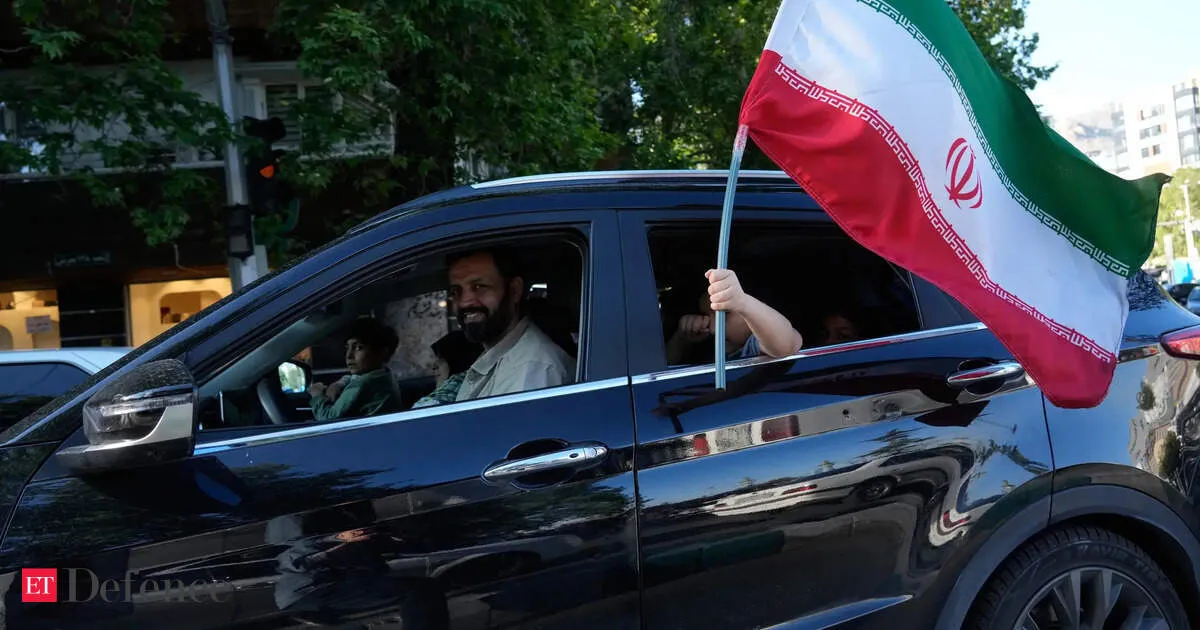
Iran is grappling with deep economic strain as war pressure and US sanctions intensify. Prices for essentials like food and medicine have soared, while job losses and business closures spread. The currency has devalued sharply, pushing inflation and poverty onto ordinary households. Officials now ask citizens to endure for the war effort despite worsening daily conditions.
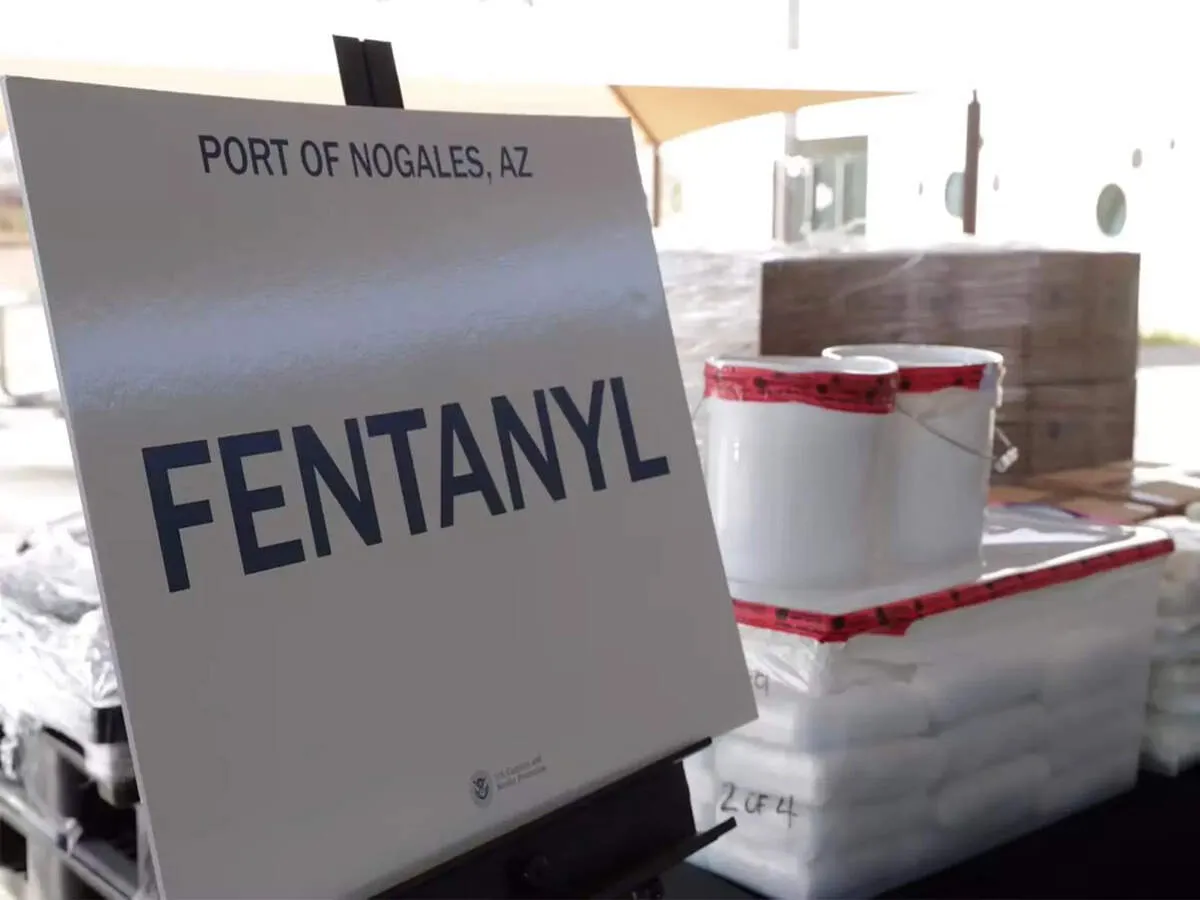
The US has imposed visa restrictions on 13 individuals tied to an India-based online pharmacy, KS International Traders, and its owner, alleging they trafficked illicit fentanyl to Americans. The move follows earlier sanctions against the firm and associates for supplying counterfeit fentanyl-laced pills that authorities say fueled the US opioid crisis.
President Donald Trump says Cuba is asking for help, signaling imminent discussions that could mark a shift in US approach. The statement comes as Trump prepares for a diplomatic visit to China, where Cuba’s future may be raised. The US has maintained a tight grip on Cuba through sanctions, even as China continues to pressure the US on the matter.
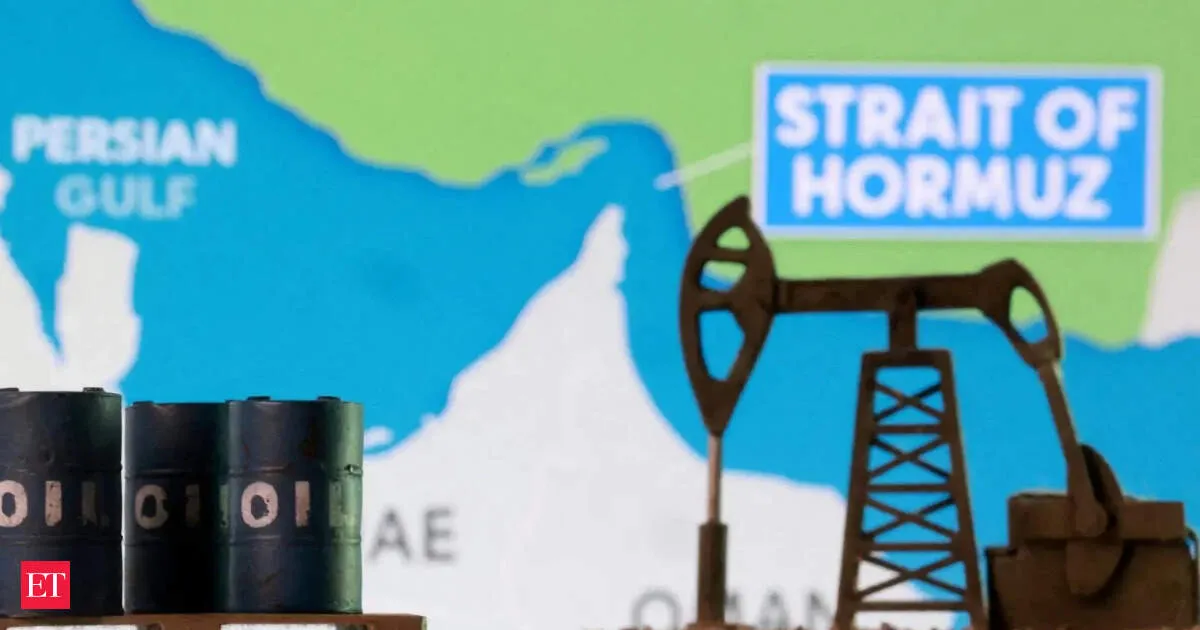
Oil prices rose slightly in early Asian trade as fragile US-Iran negotiations revived worries about crude supply disruptions, especially around the Strait of Hormuz. Tehran’s response signaled deep differences, while reduced output from OPEC helped keep prices steady above $100. The US also plans SPR loans and sanctions targeting Iranian shipments to curb market pressure.
Reading on mobile?
Open Beige in the app for a smoother experience — free on iOS and Android.
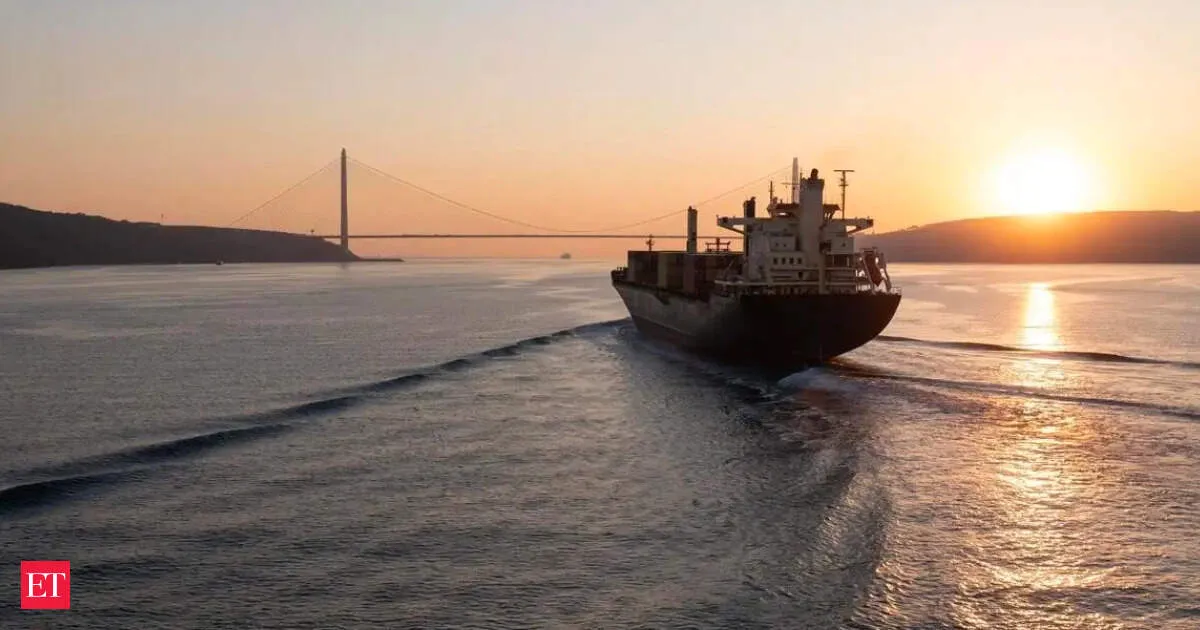
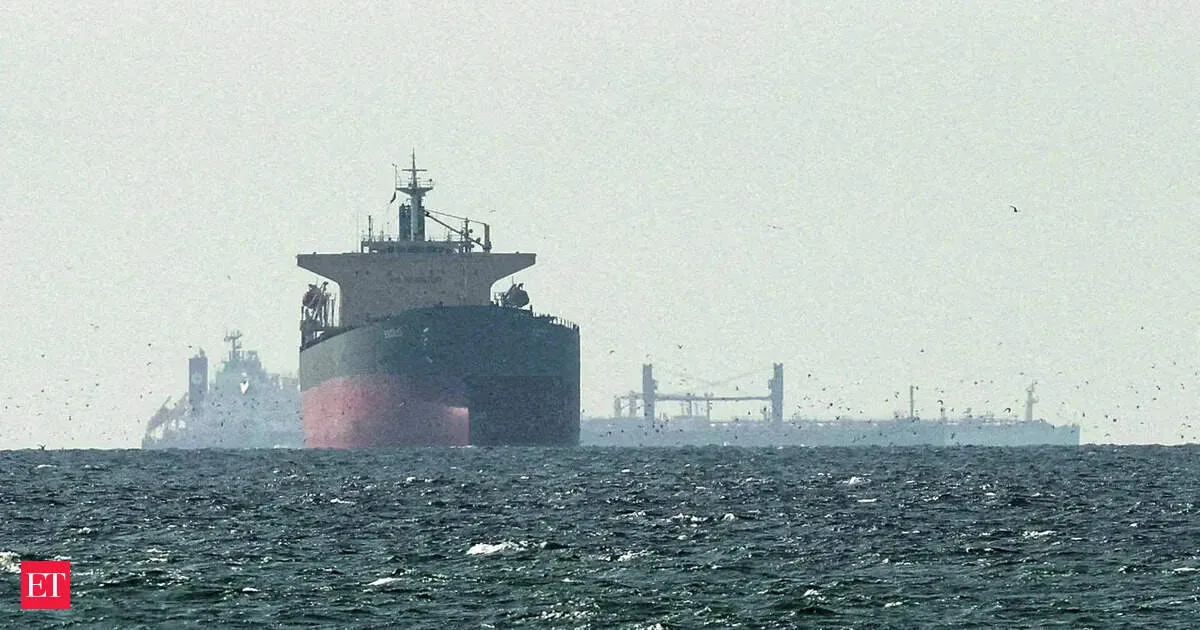
The Strait of Hormuz is unusually calm after recent clashes, but US-Iran tensions remain unresolved. Washington is waiting for Iran’s response to peace proposals while expanding sanctions on Iran-linked entities. Amid this standoff, a Qatari LNG tanker is sailing toward the strategic waterway, as international actors push for stability and security across the Middle East.
The U.S. Treasury has imposed sanctions on 10 individuals and companies, including several in China and Hong Kong, accused of helping Iran procure weapons and drone-related materials. The move is designed to restrict Iran’s military capabilities and reduce threats to regional allies and key shipping routes by targeting specific supply facilitators.
U.S. and Iran talks to cool their conflict have stalled as renewed clashes flare in the Gulf. A U.S. intelligence assessment says Tehran could withstand a naval blockade for months. Iran meanwhile claims the U.S. breached a ceasefire. The U.S. has also announced fresh sanctions targeting individuals and companies supporting Iran’s military.
The US and Iran are reportedly nearing a one-page memorandum aimed at de-escalating tensions and clearing the path for nuclear talks. The draft includes Iran halting nuclear enrichment, the US lifting sanctions and releasing frozen funds, and both sides easing Strait of Hormuz transit restrictions. Iran is expected to respond within 48 hours.
Follow your favourite sources
Track sources, tags and categories — all in the Beige app.
The US and its Gulf allies have tabled a UN resolution warning Iran of sanctions unless it halts attacks on ships in the Strait of Hormuz. The proposal also demands Iran stop illegal tolls and disclose mine locations, while emphasizing freedom of navigation and calling for a humanitarian corridor to move aid safely.
North Korea has dismissed US allegations that it commits cybercrimes to finance its weapons programs, calling the claims “absurd slander.” Washington says Pyongyang has stolen billions in virtual assets, a key revenue stream under sanctions, and the US Justice Department has prosecuted people tied to the multi-year scheme.
Iran has submitted a fresh 30 day proposal to the United States to end the conflict, not merely extend a ceasefire. The package calls for lifting sanctions, ending blockades, and withdrawing forces. At the same time, Iran insists on terms tied to the Strait of Hormuz, including tolls for passage, as the rial weakens sharply against the dollar and pressures the economy.
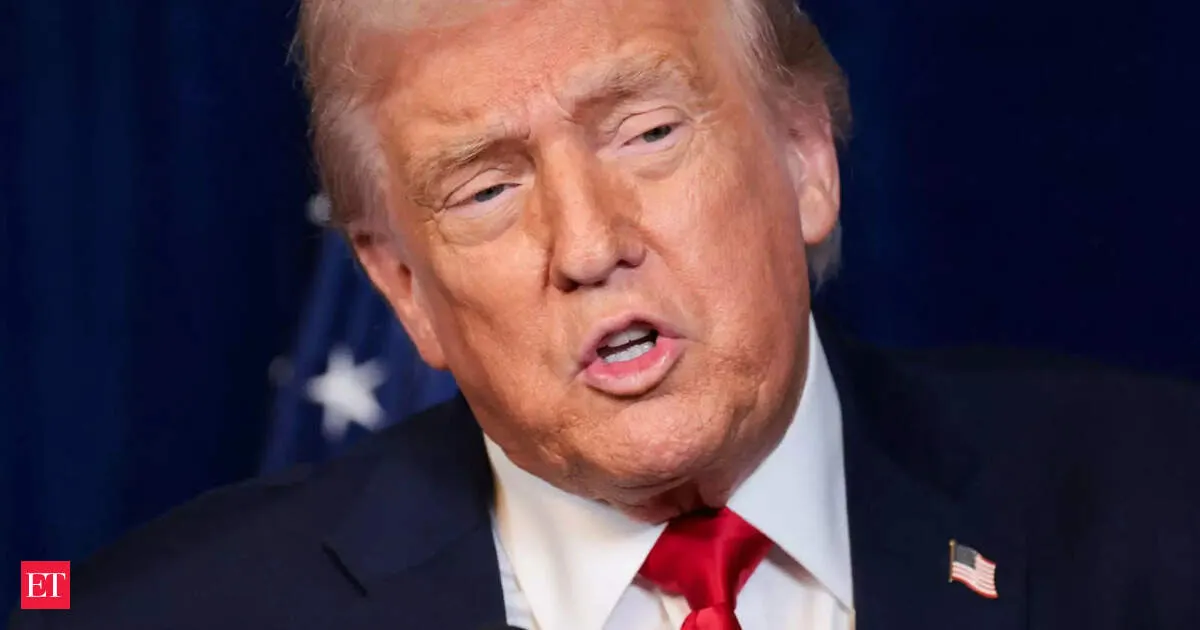
U.S. President Donald Trump said he is waiting for the exact wording of a potential deal with Iran, while warning Washington could restart strikes if Tehran misbehaves. Trump also told congressional leaders he did not need permission to extend action beyond a legal deadline, saying the ceasefire had already “terminated” hostilities, despite earlier hopes to avoid further escalation.
Stay informed on the go
Bite-sized news from 100+ trusted sources, right in your pocket.
China has escalated trade tensions by issuing its first formal blocking measure, telling domestic firms not to comply with US sanctions tied to five petrochemical refiners linked to Iran oil trade. The Commerce Ministry called the US action a violation of international law. The order marks a new phase in China-US economic friction and sanctions enforcement.
China’s Commerce Ministry has issued an injunction blocking U.S. sanctions against five Chinese oil refineries, including Hengli Petrochemical. The U.S. Treasury accused the firms of buying oil from Iran. China argues the measures violate international law and says the ruling prevents the U.S. from recognizing or implementing the sanctions.
Swipe through stories, personalise your feed, and save articles for later — all on the app.