Modi’s Netherlands tour is being treated as a semiconductor diplomacy moment, because India’s chip push hinges on one Dutch company: ASML of Veldhoven. India’s state-backed effort to cut import dependence includes a $14 billion Tata Electronics mega-fab in Dholera, Gujarat, with Taiwan’s Powerchip. But advanced lithography—the most precise, capital-heavy step—requires ASML equipment. ASML’s grip on EUV systems means India’s silicon sovereignty depends on access and supply continuity from a single global supplier.
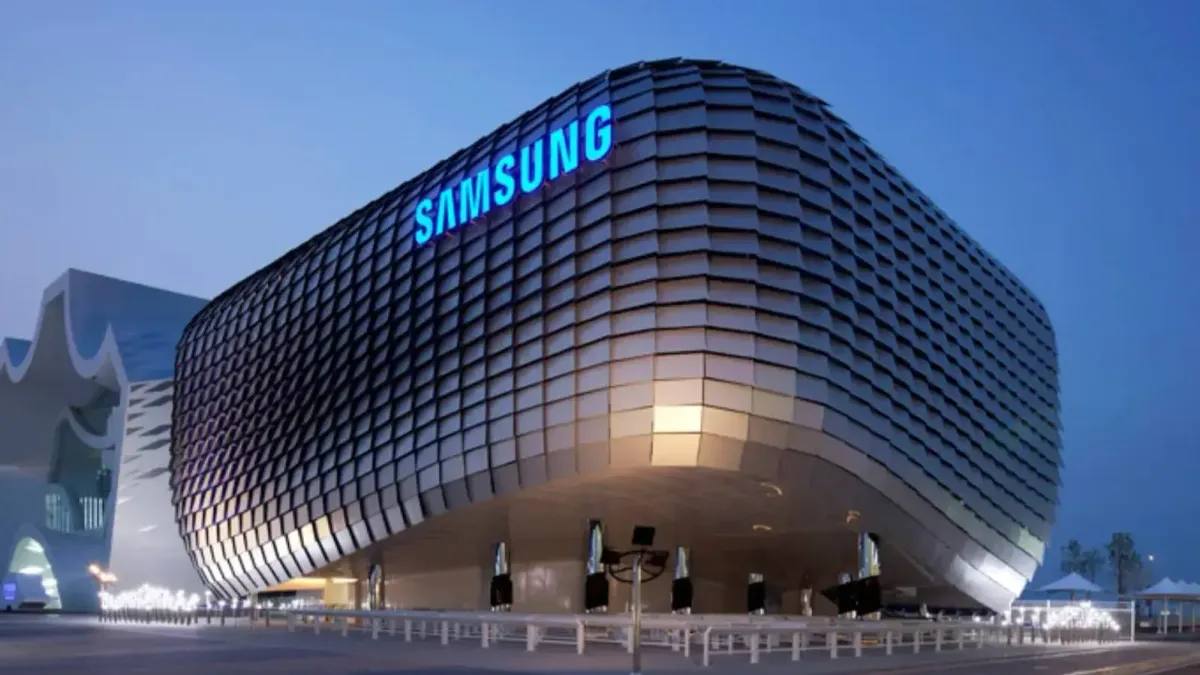
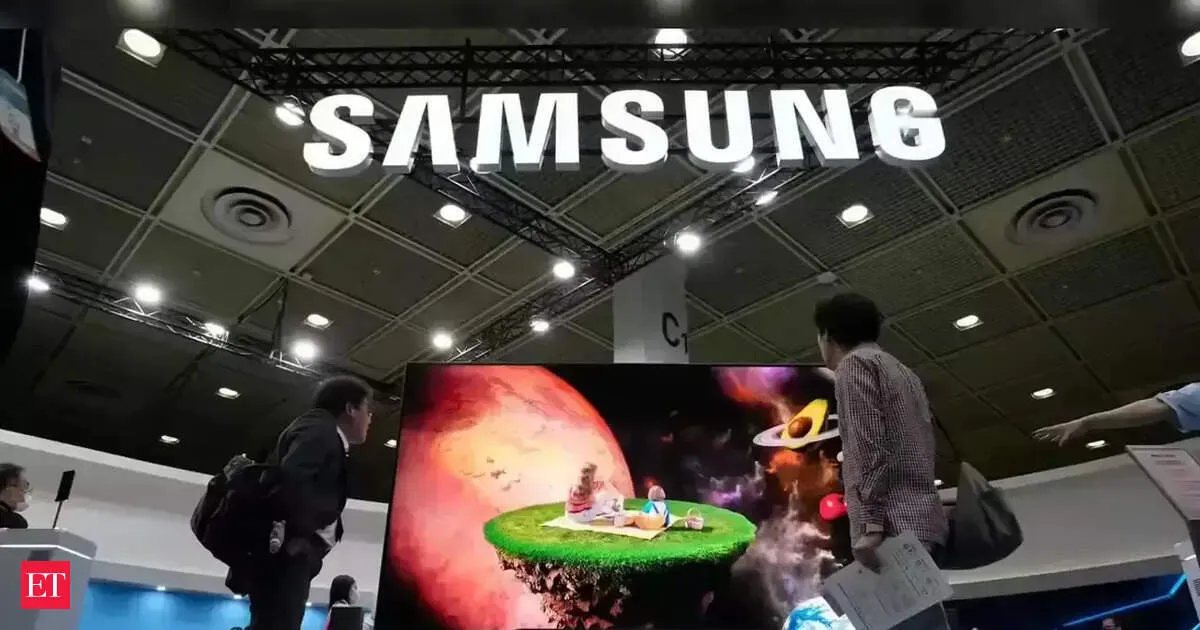
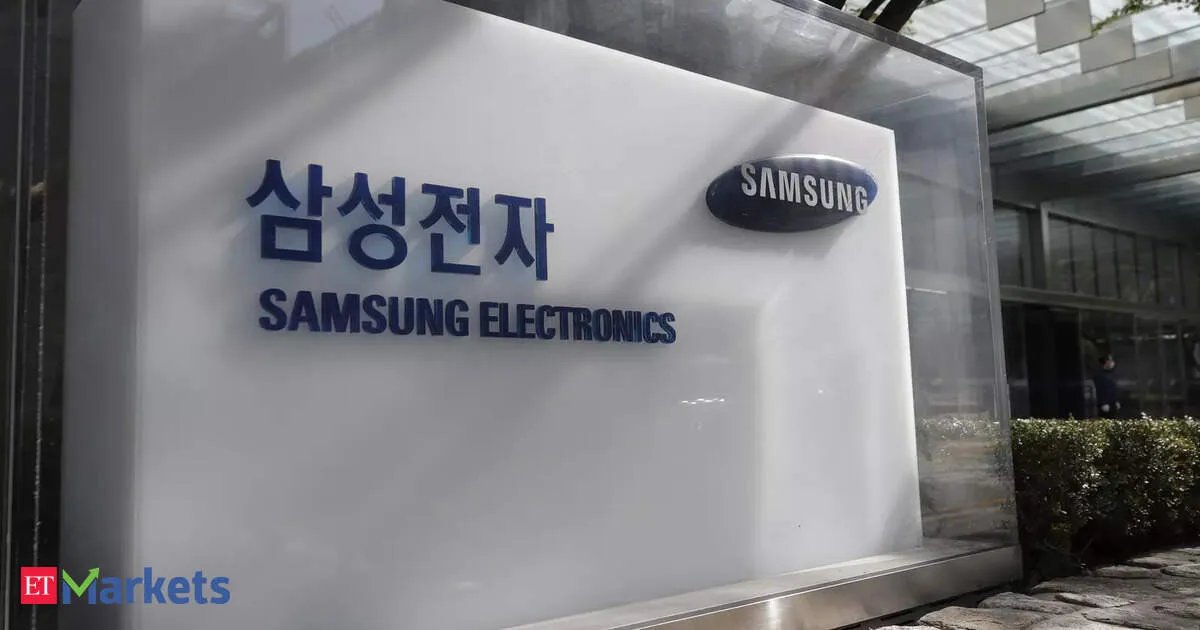
Samsung Electronics is bracing for an 18-day strike by more than 45,000 workers starting May 21, a move that could disrupt memory chip output vital for AI data centers and consumer devices. The dispute centers on bonus pay: Samsung wants memory employees (about 27,000) to receive at least six times more than staff in its logic chip design and manufacturing units. Union leaders warn the gap will drive talent away, weaken foundry operations, and threaten Samsung’s push to be a one-stop semiconductor supplier worldwide.
Your news, in seconds
Get the Beige app — every story in 60 words, updated hourly. Free on iOS & Android.
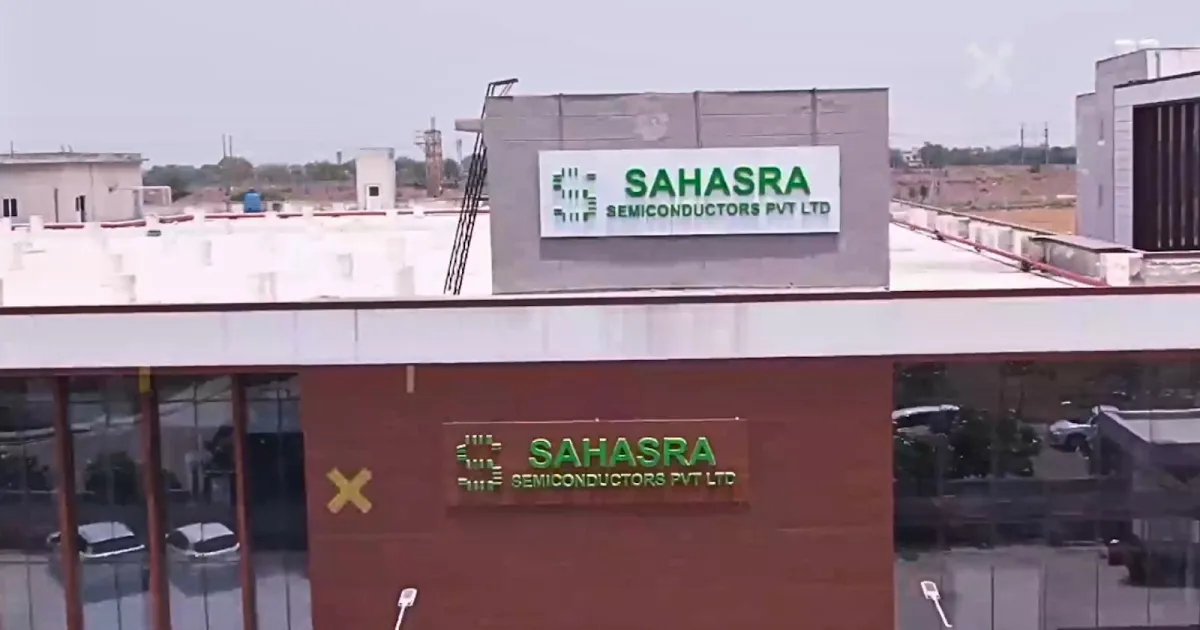
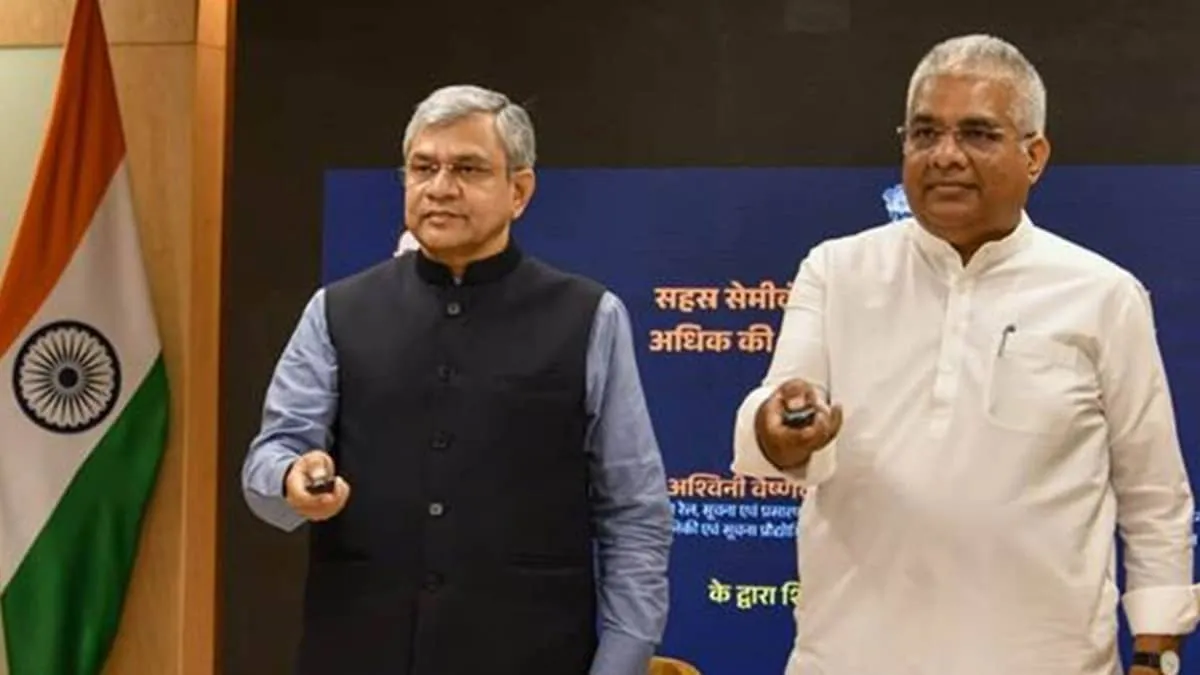
Union Minister Ashwini Vaishnaw virtually laid the foundation stone for the Sahasra Semiconductor facility in Bhiwadi, Rajasthan—an SME-led ATMP/OSAT chip packaging plant worth over ₹400 crore. The 57,000 sq. ft. site will start at about 60 million units annually and aims for 400–600 million units within 2–3 years. Built with Class 10K and 100K cleanrooms, it already ships more than 60% of output abroad while supporting India’s push to deepen semiconductor capabilities.
Institutional investors snapped up semiconductor stocks in the first quarter, adding new positions across chipmakers tracked via SEC filings from roughly 6,600 hedge funds, pension funds, and other investors. Reuters data shows nearly 5,000 buyers among those who filed 13-F reports. Micron led with a 154% YTD surge and 2,440 institutions taking new positions, while Intel gained 195% YTD on turnaround momentum. AI infrastructure and data-center-linked names also attracted heavy buying, alongside unusual demand for utilities.
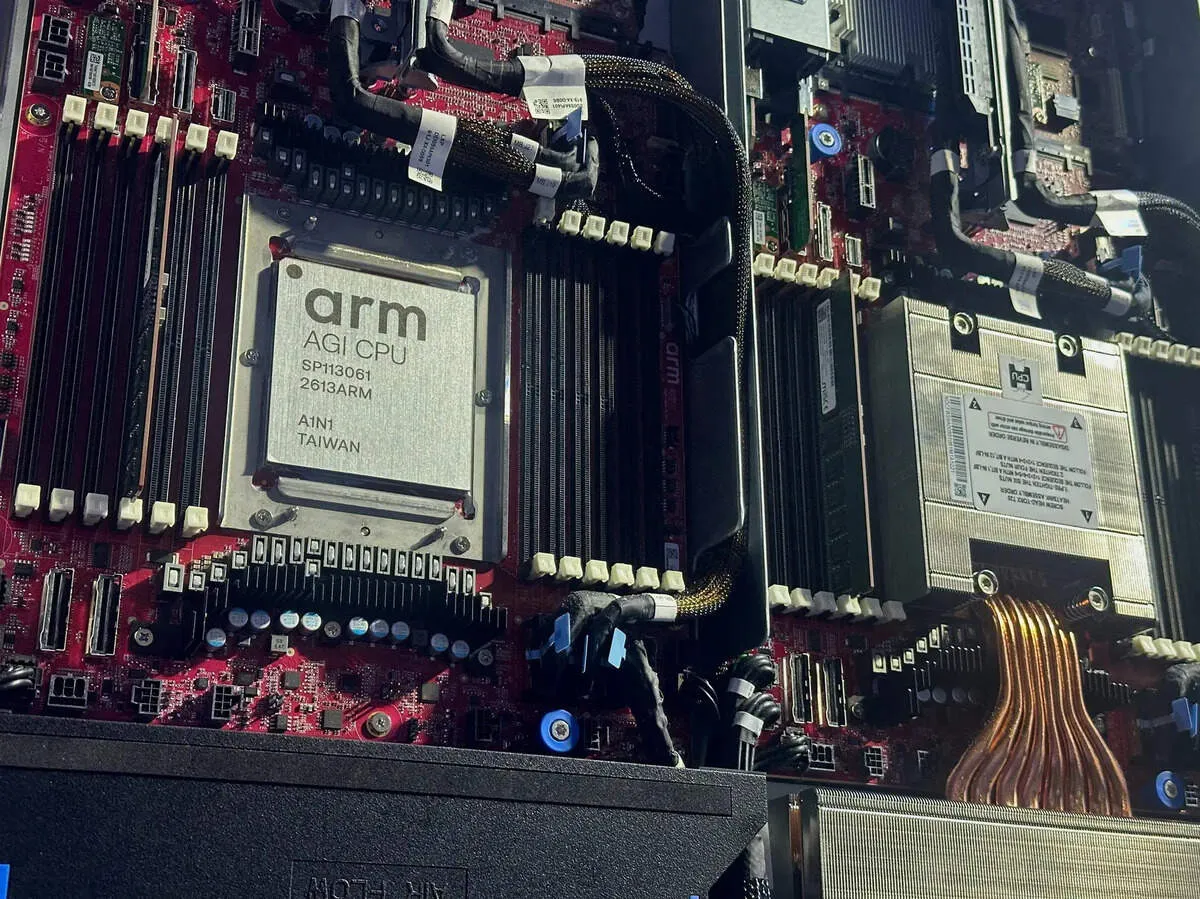
The US Federal Trade Commission is investigating Arm Holdings over how it licenses its semiconductor technology, according to Bloomberg. Regulators are assessing whether Arm is trying to illegally monopolize parts of the chip market, including whether it could reject or downgrade licensing agreements for “chip blueprints” used to design CPUs. The FTC notified Arm earlier this year and asked the company to preserve documents. Arm declined to comment. The probe also runs alongside a dispute with Qualcomm after Arm accused Qualcomm of breaching a deal.
Samsung’s planned 18-day strike starting May 21, 2026 is casting a long shadow over the global AI chip supply chain. With 45,000 workers expected to walk out, JPMorgan estimates Samsung could lose $14 billion to $20.79 billion in operating profit. The trigger is a widening bonus divide: memory chip employees were offered 607% bonuses, far higher than logic and foundry workers tied to AI processors for Nvidia and Tesla—reshaping labor tensions across the semiconductor ecosystem.
Never miss a story
Set alerts for the topics and sources you care about. Download Beige for free.
India inaugurated its first SME-led semiconductor chip packaging facility by Sahasra Semiconductors Pvt Ltd in Bhiwadi, Rajasthan, inside ELCINA’s Electronics Manufacturing Cluster at Salarpur, Khushkhera. Union Electronics and IT Minister Ashwini Vaishnaw said electronics production has surged to nearly Rs 13 lakh crore and exports to about Rs 4.24 lakh crore, with mobile phones now leading exports. The facility, backed under the SPECS scheme with investment over Rs 150 crore, uses Class 10K/100K cleanrooms.
Samsung Electronics is bracing for a potential 18-day strike that could disrupt global memory chip supply after more than 45,000 workers demanded more equal AI boom bonus payouts. The company’s proposal favors memory chip employees, offering them at least six times higher bonuses than logic chip workers in system LSI and foundry units. Union leaders warn the pay gap could trigger talent flight and harm Samsung’s push to become a “one-stop” global chip supplier. Investors and government are watching closely.
On May 15, 2026, Nvidia and Boeing shares fell sharply despite Trump’s Beijing summit headlines announcing a potential 200-plane Boeing order and H200 chip clearance for Nvidia. Nvidia slid 3.83% and Boeing 2.86%, while the PHLX Semiconductor Index dropped 3.55%. The catch: Beijing never formally confirmed the Boeing order, and Nvidia’s H200 export clearance lacks Chinese approval. Investors had priced in a more certain, larger deal, so the gap between announcement and confirmation triggered “buy the rumor, sell the news” selling.
Samsung Electronics shares sank more than 9% on Friday after a labour dispute escalated at the world’s biggest memory chipmaker. An 18-day strike starting May 21 remains on the table even as Samsung offered unconditional talks, following failed government-mediated negotiations over 2026 wages and bonuses. Reuters reports union participation could involve over 50,000 workers, heightening fears of disruptions to chip production and deliveries. JPMorgan estimates operating profit impact could reach 21 trillion to 31 trillion won.
Reading on mobile?
Open Beige in the app for a smoother experience — free on iOS and Android.
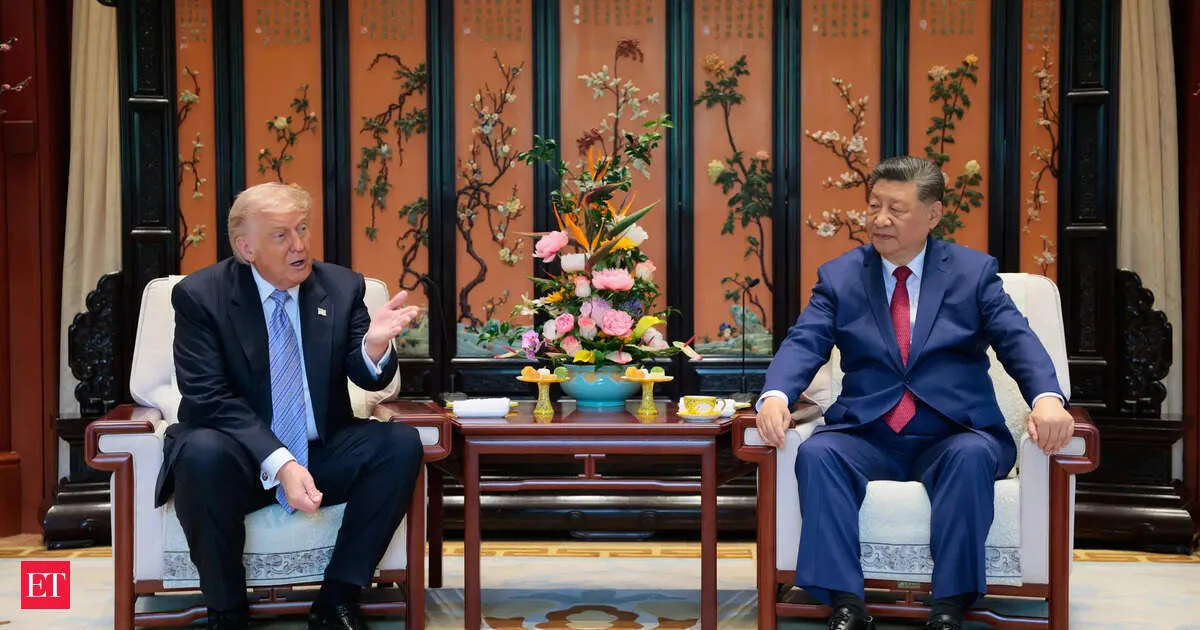
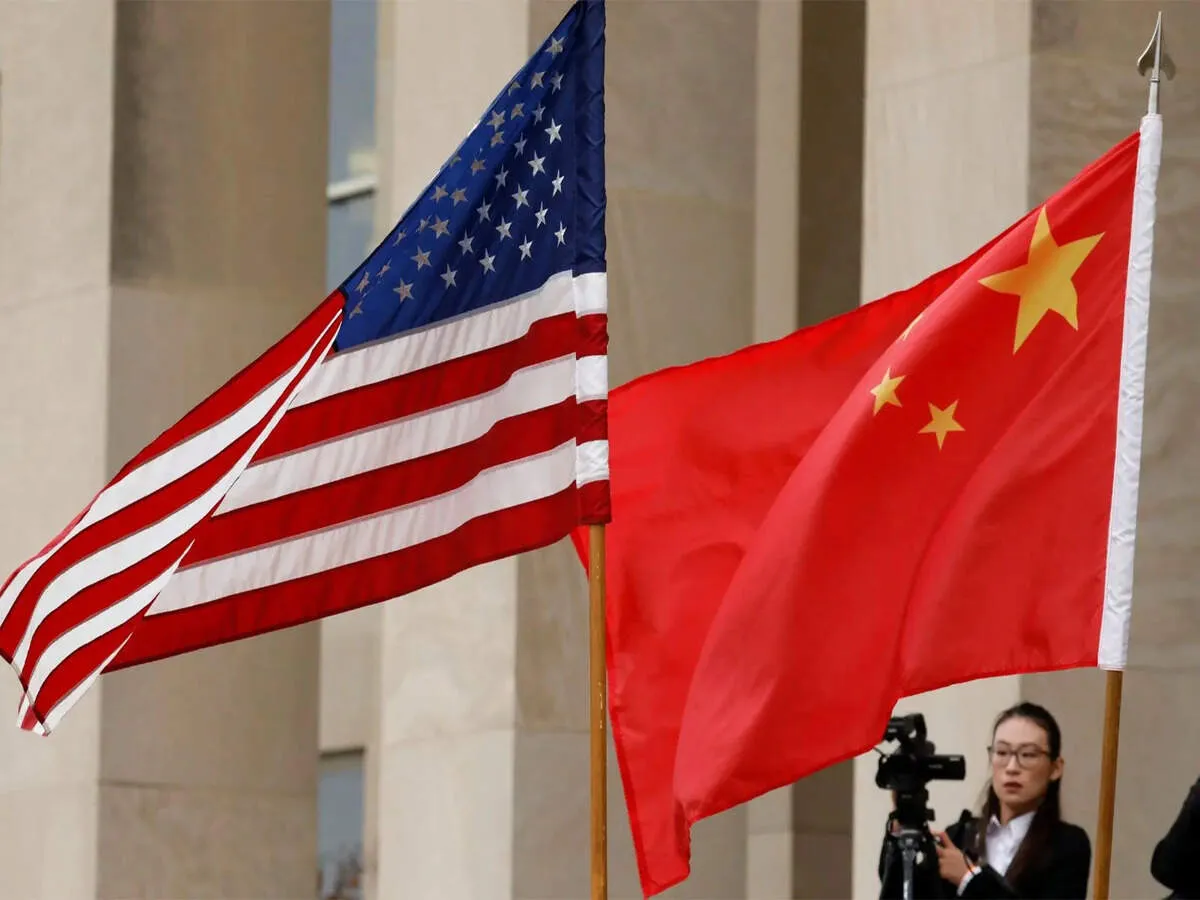
Korean semiconductor firms are caught between profit and long-term risk after the Trump Xi summit in Beijing reignited US China negotiations on chip export controls and rare earth leverage. Washington has tightened equipment limits to slow AI and high performance computing, and may loosen some curbs if China secures stable rare earth supplies and buys more US goods. Meanwhile, US approval for H200 chip purchases by about 10 Chinese companies suggests broader policy movement, but the stakes hinge on whether China gains advanced EUV lithography access.
Chinese chip stocks are soaring on Beijing’s push for technological self-reliance, but investors are increasingly worried the rally is outrunning fundamentals. Bloomberg data shows mainland bellwethers trading at extreme forward earnings multiples, including SMIC above 120x and Hua Hong above 150x, compared with Intel around 95x. Concerns intensified after Hua Hong’s earnings and guidance missed estimates and SMIC posted weaker net income. Meanwhile, heavy turnover and rising margin debt suggest crowded, speculative positioning.
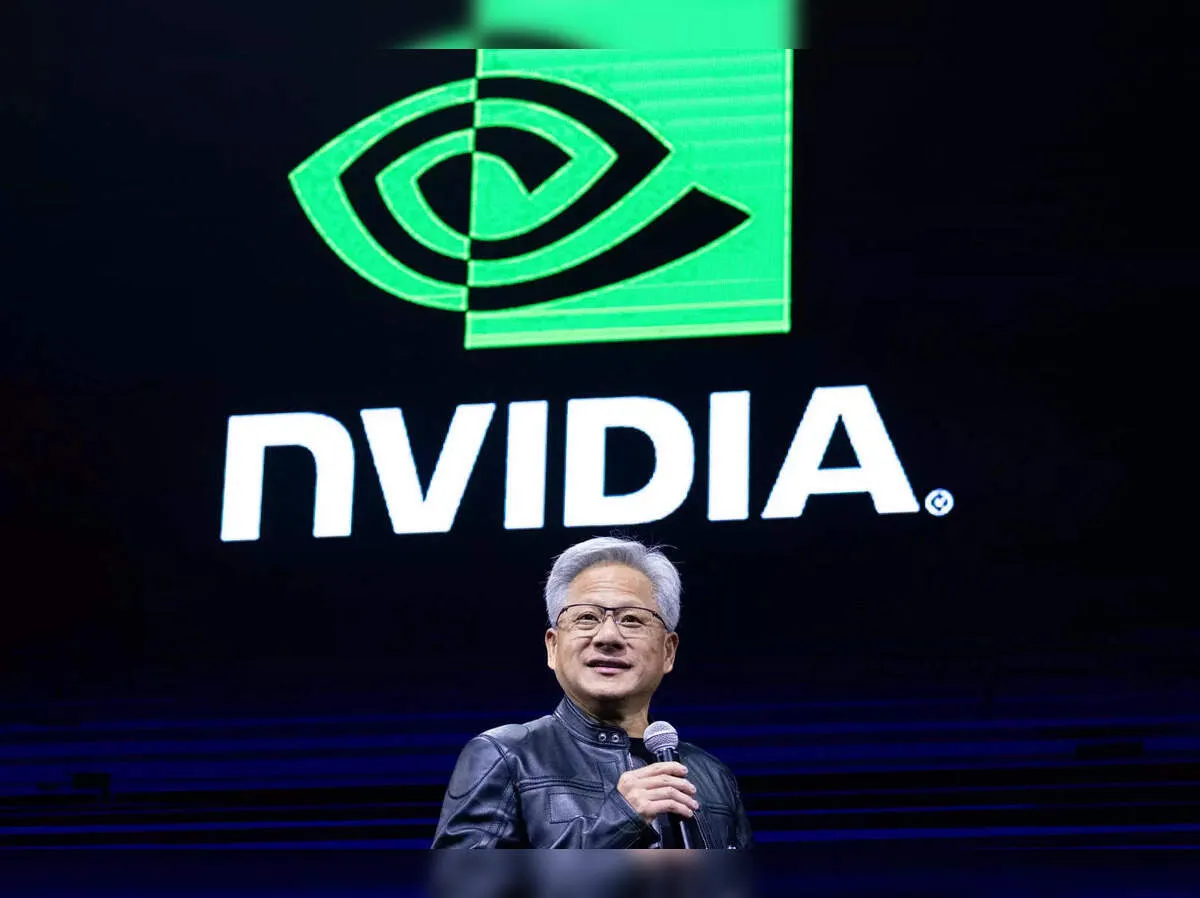
The US cleared roughly 10 Chinese companies to buy Nvidia’s H200 AI chips, but none have been delivered so far, according to sources familiar with the matter. Nvidia CEO Jensen Huang is now traveling to China with a trip arranged after President Donald Trump invited him en route to talks with Xi Jinping. Buyers reportedly pulled back after Beijing guidance, while US rules require security safeguards and bans on military use, leaving both sides caught in a tech rivalry.
Agrani Labs, a semiconductor startup launched in 2025 by former Intel and AMD executives, is seeking a $100 million Series A to develop AI inference chips compatible with Nvidia’s CUDA software stack. The company is in early talks with Qualcomm, Battery Ventures, and government investors, while existing backer Peak XV is expected to contribute about $20 million pro-rata. If valuation talks land in the $400–500 million range, it would mark one of India’s largest Series A rounds for a chipmaker.
Follow your favourite sources
Track sources, tags and categories — all in the Beige app.
Kaynes Technology shares plunged about 20% to ₹3,339.25 after weaker-than-expected March-quarter earnings and a revenue guidance miss prompted multiple analyst downgrades. Brokerages flagged execution delays, stretched working capital and continued cash burn as key reasons investor sentiment is cooling. JP Morgan kept expectations for a strong 40%/45% revenue and earnings CAGR through FY26-28E, but downgraded the stock to Neutral and cut its price target sharply. The sell-off follows a massive 950% post-listing surge, then a 57% drop.
Cerebras’ Nasdaq debut sent its shares nearly doubling and pushed the AI-chip maker past a $100 billion market cap in hours. The win follows a turnaround from earlier customer-concentration concerns to new cloud-and-partnership momentum with OpenAI and AWS, as the company pivots toward inference capacity sold as a service.
Cerebras pulled off a blockbuster IPO, raising $5.5 billion and pricing shares Wednesday night at $185—well above its earlier range that stretched from $115 to $125, later revised upward. The offering grew to 30 million shares, and pre-market trading suggests a sharp opening pop driven by retail demand. At the IPO price, the company’s fully diluted valuation lands at $56.4 billion. The turnaround follows an earlier CFIUS roadblock and a major revenue and profit swing in 2025.
Bank of America has named UBS investment banker Richard Hardegree as its new vice chair for mergers and acquisitions, according to an internal memo Reuters reviewed. Hardegree, who has more than 30 years of M&A experience and previously led technology investment banking at UBS, will join the bank in August and be based in Palo Alto. He will focus on semiconductors and report to Bank of America’s co-heads of global M&A, signaling a push to expand tech deal market share. The memo also cites booming deal momentum into 2026.
Stay informed on the go
Bite-sized news from 100+ trusted sources, right in your pocket.
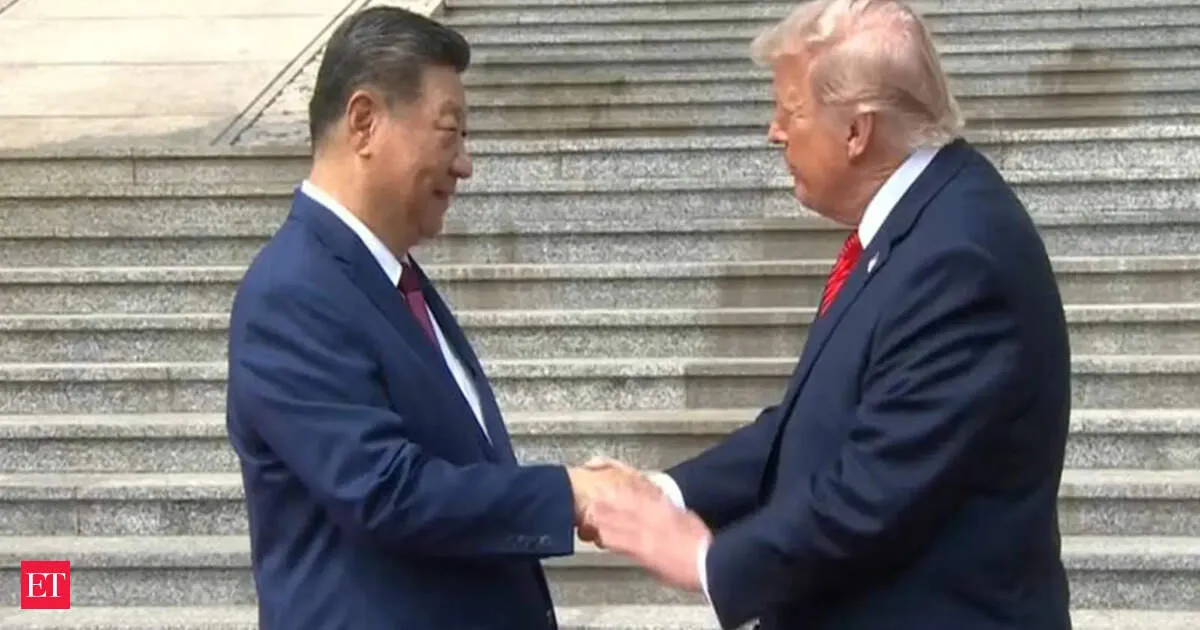
A Rubix Data Sciences report says Trump and Xi’s US China summit will be dominated by trade and technology, with semiconductors, rare earth minerals, aerospace, and farm goods shaping the agenda. The US is expected to seek higher Chinese purchases of aircraft, soybeans, and beef, while China is likely to press for relief from US restrictions on advanced chip-making. Semiconductor exports fell from $12 billion in 2021 to $5 billion in 2023, then recovered to nearly $10 billion in 2025. Rare earth imports also fluctuated sharply, reflecting leverage and supply-chain risk. Overall trade has been shrinking.
Taiwanese chipmaker MediaTek has leased 1,04,000 sq ft at BPTP’s Capital City in Sector 94, Noida, to set up its second India research and development hub. The deal is estimated at around Rs 144 crore over the agreed tenure, and the facility is now operational. The company says the Noida centre will expand its talent base and strengthen engineering and research capabilities, while BPTP points to NCR’s growing appeal for global tech firms.
Swipe through stories, personalise your feed, and save articles for later — all on the app.