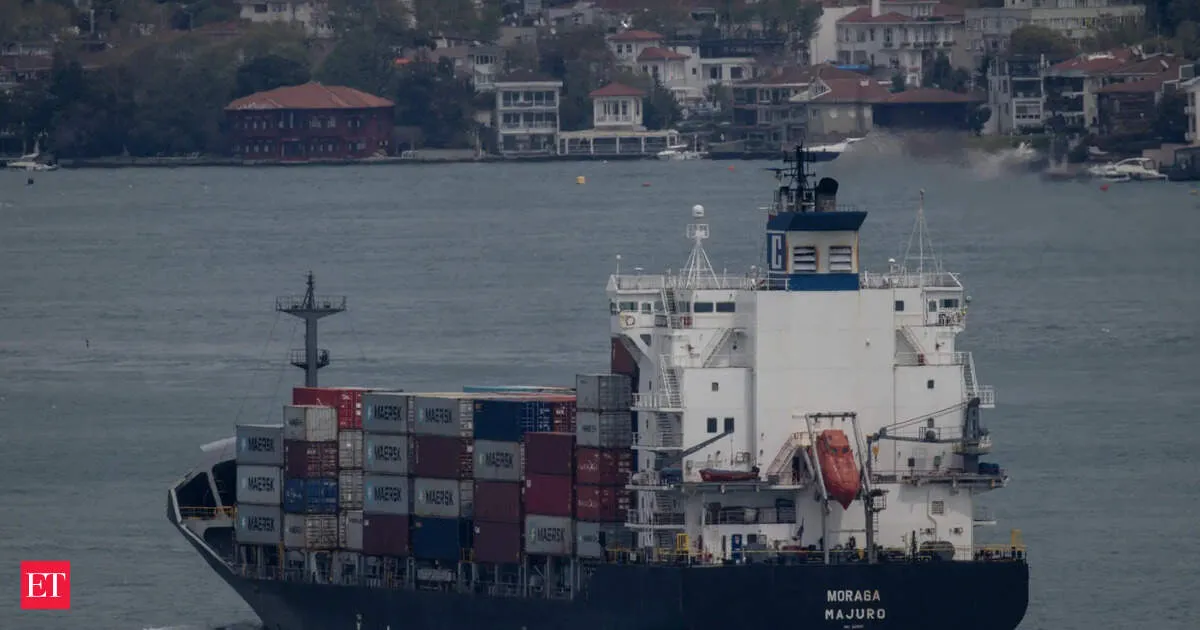
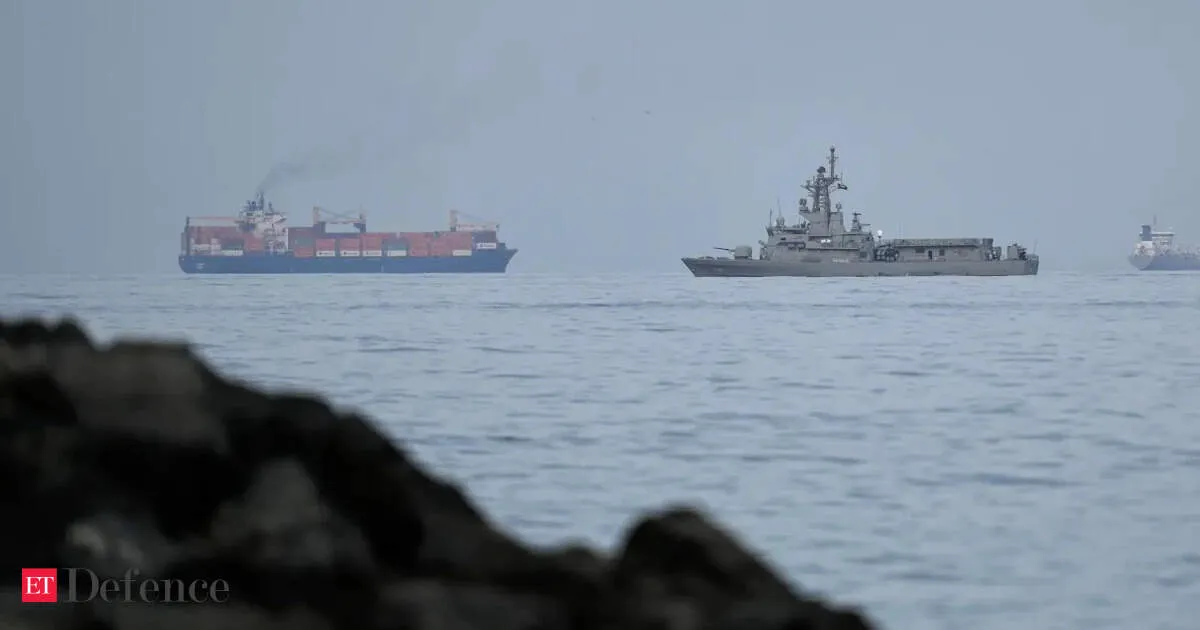
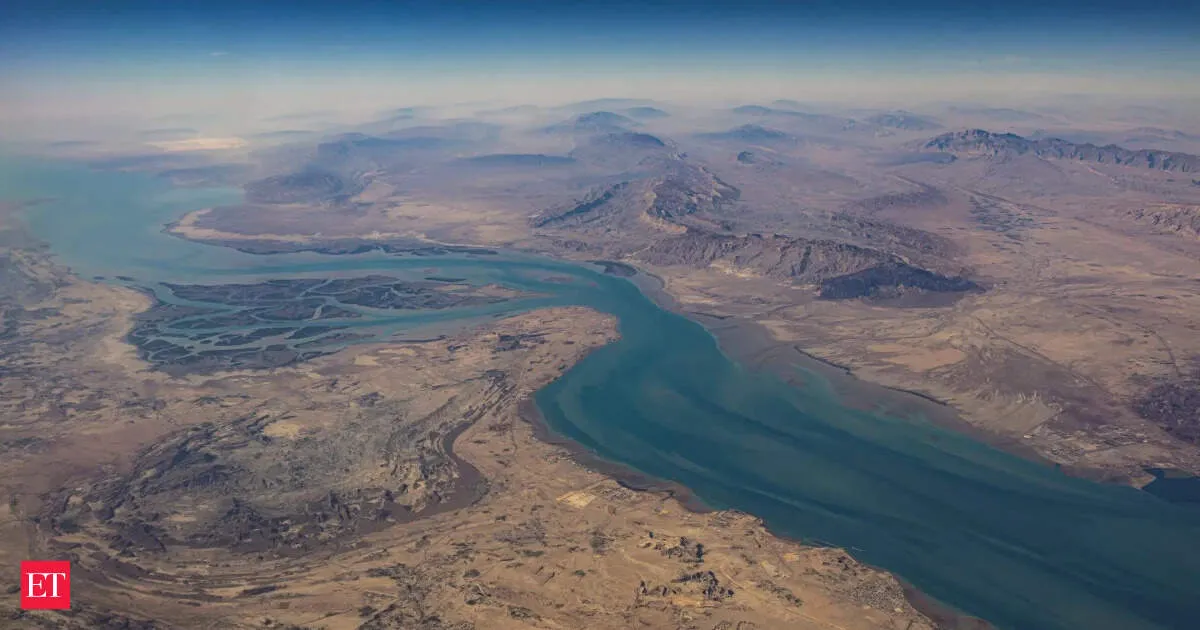
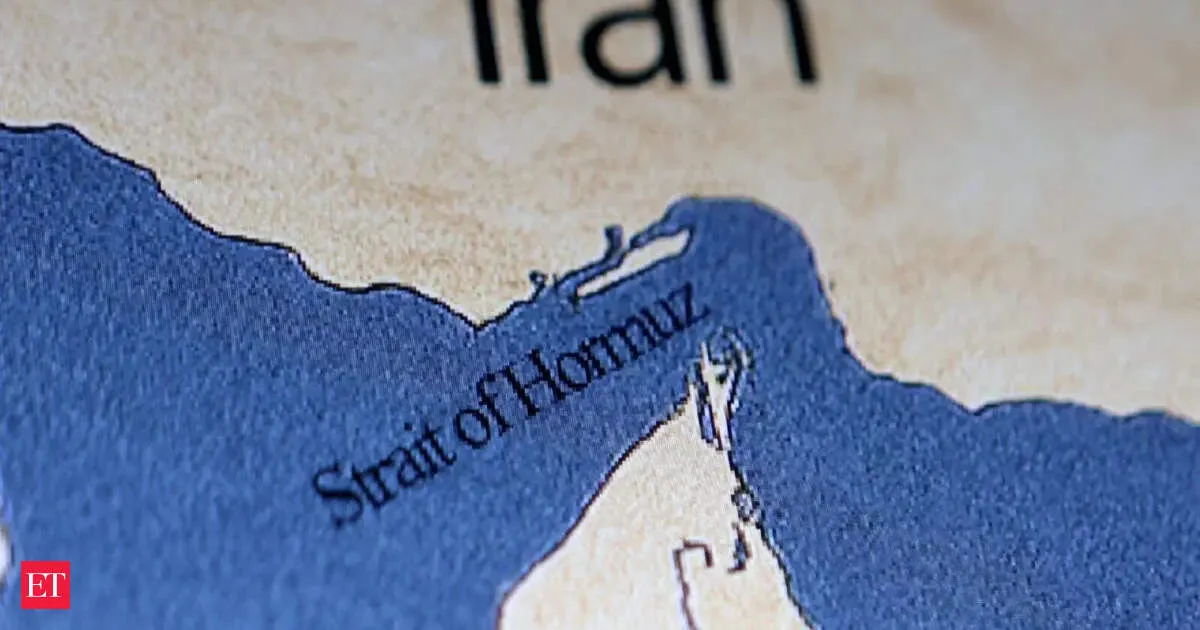
Iranian state TV says European countries are in talks with Tehran for permission to transit the Strait of Hormuz, following similar negotiations with East Asian states like China, Japan, and Pakistan. Iran has largely blocked shipping since a Feb 28 war with the US and Israel, though a fragile ceasefire has been in place since April 8. Tehran says it is preparing a professional system to manage traffic, benefiting cooperating commercial vessels while keeping the route closed to certain “freedom” operations.
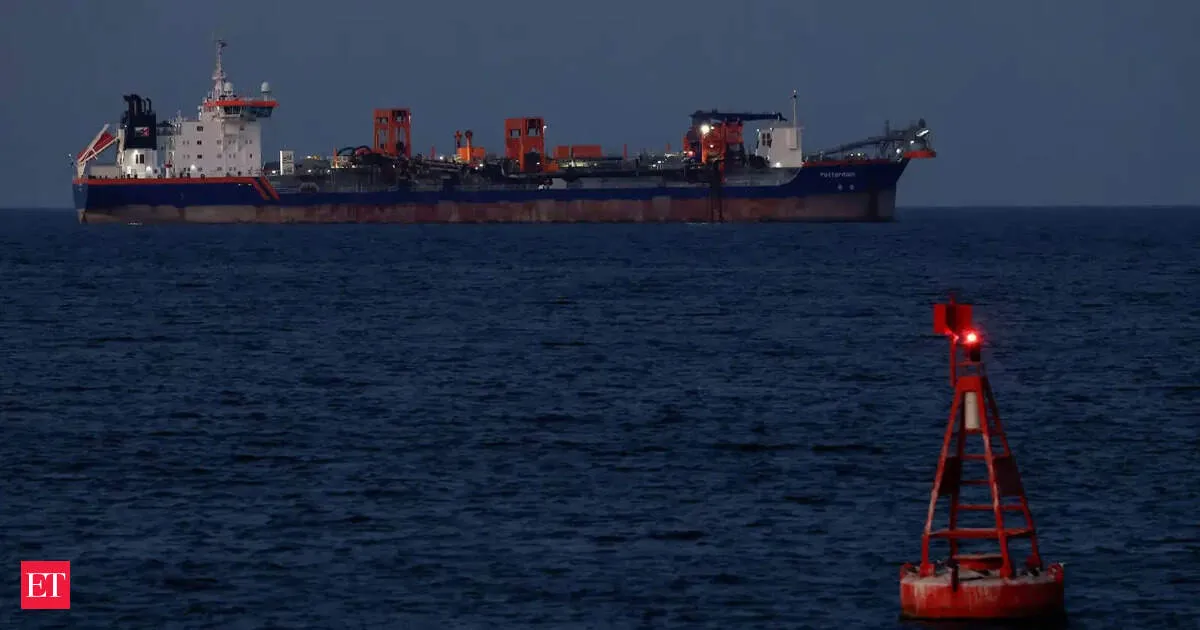
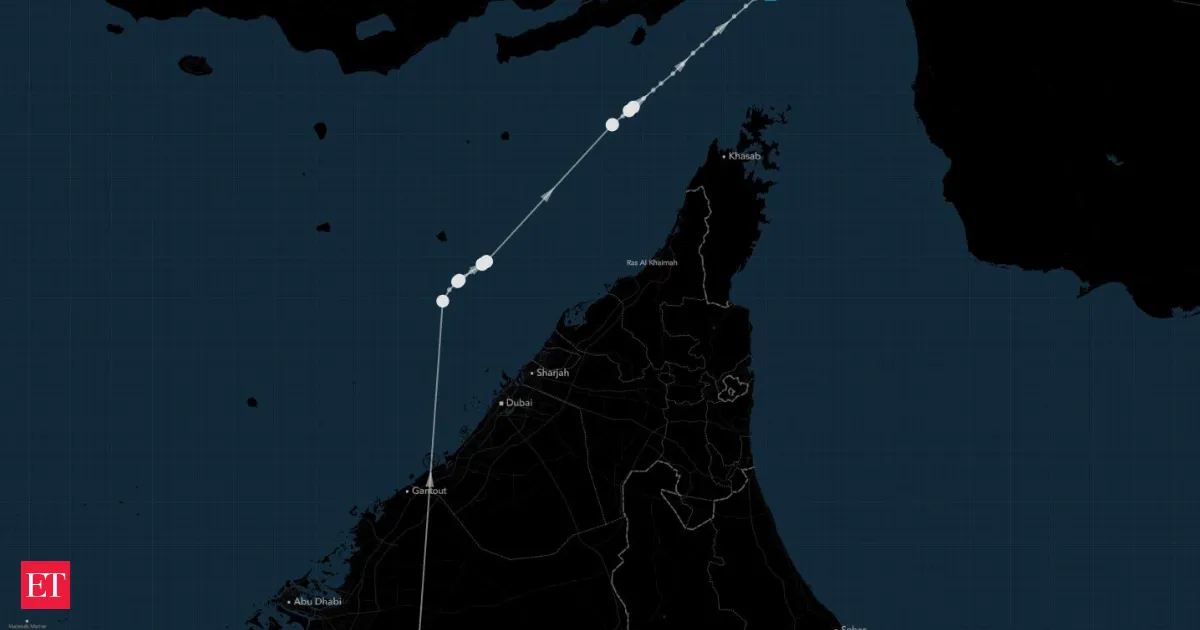
Iran says it will soon launch a designated traffic-management mechanism for the Strait of Hormuz, giving priority to commercial vessels and parties cooperating with Tehran. Iranian officials also say specialised services tied to the plan will require “necessary fees,” while routes will remain closed to operators linked to the “Freedom Project.” The announcement lands as tensions between Iran, the US, and Israel persist and major oil, LPG, and LNG carriers continue cautious transit, sometimes with transponders switched off.
Your news, in seconds
Get the Beige app — every story in 60 words, updated hourly. Free on iOS & Android.
India’s merchandise exports and imports with West Asia fell more than 28% in April, the second straight monthly contraction, as ship movements were severely disrupted by the US-Israel-Iran conflict. Exports to the region dropped 28% to $4.16 billion and imports fell 31.64% to $10.47 billion. Trade with the UAE and parts of Saudi Arabia weakened, while Oman imports surged. The Strait of Hormuz restrictions are throttling a key route, threatening sectors like gems, engineering, electronics, and oil-linked supplies.
Iranian personnel reportedly seized a ship off the UAE, boarding it while anchored near Fujairah and steering it toward Iranian waters. The move comes as U.S. President Donald Trump and Chinese President Xi Jinping agreed to keep the Strait of Hormuz shipping lane open, with Xi opposing militarization and tolls. Separately, an Indian livestock cargo vessel was sunk off Oman. Iran says seizures follow law, while shipping data show traffic remains sharply reduced but rising, with new country-by-country deals.
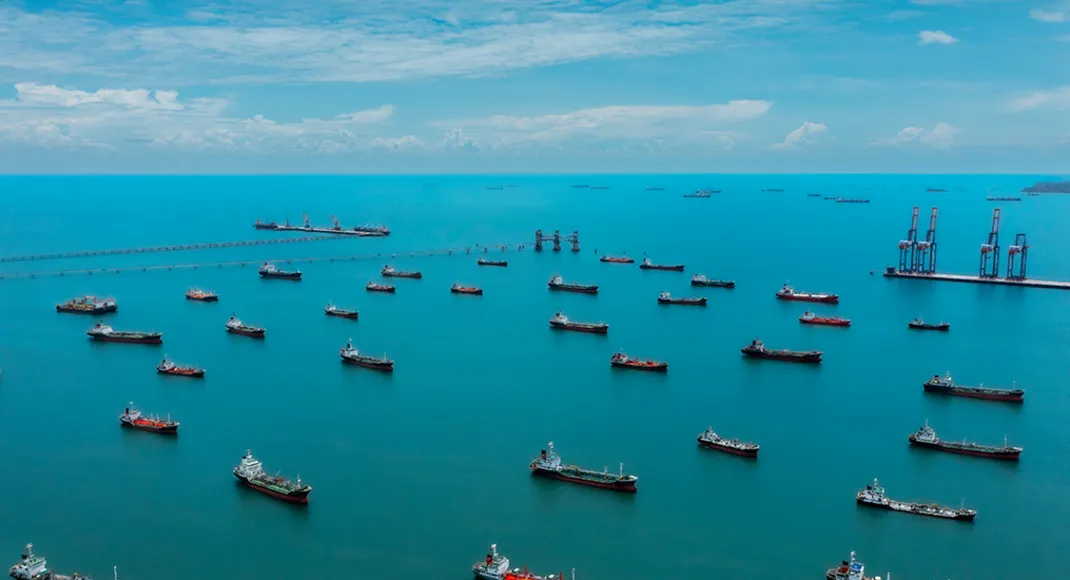
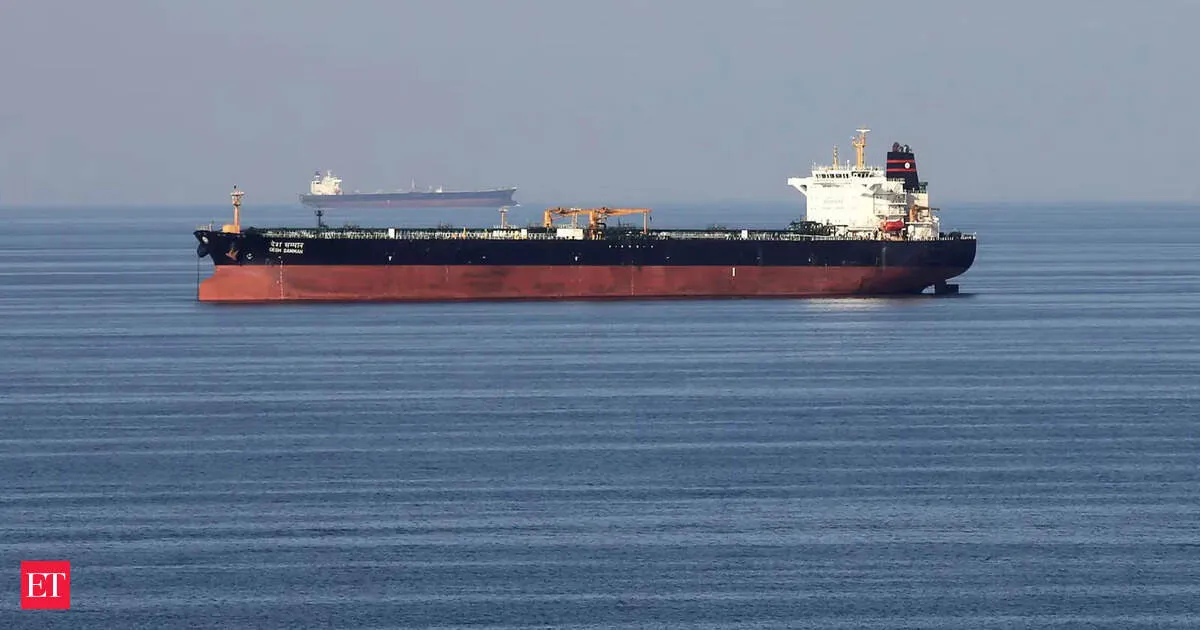
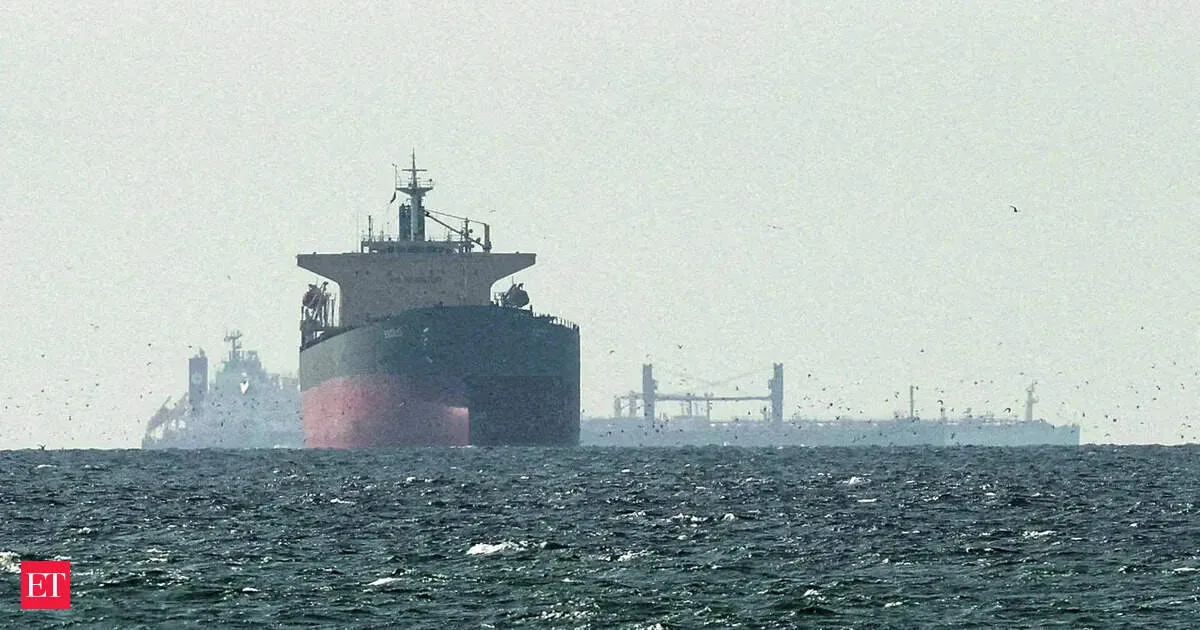
Super-tanker traffic through the Strait of Hormuz is showing tentative life, with four large crude carriers exiting since May 10, near the pace of about two million barrels a day. Traders say the blockage has already removed roughly a billion barrels from global supply, even as non-Iran flows rise slightly. Iran has allowed Chinese ships to pass, mirroring an uptick in gas carrier crossings, while some vessels switch off satellite signals, complicating tracking and future expectations.
India-bound LPG tanker MV Sunshine is safely transiting the Strait of Hormuz with support from the Indian Navy and related agencies. Iran’s Deputy Foreign Minister said stability in the strait would improve safety and invited Indian efforts to ease regional tensions, citing strong India-Iran cultural links.
Never miss a story
Set alerts for the topics and sources you care about. Download Beige for free.
A Gulf shipping standoff is intensifying global supply chain disruption, with international conflicts further squeezing movement of goods. For smallholder farmers, this translates into essential farming inputs like fertiliser and seeds becoming scarce and pricing rising beyond affordability. The result threatens yields and food security, especially in the most vulnerable farming communities already facing thin margins.
Trade circles are increasingly worried that disruptions around the Strait of Hormuz won’t fade quickly. Even if ships can move again partially, relief may be delayed, keeping oil and related market pressures elevated. The core fear is a shift from a temporary disruption to something more structural, complicating expectations for faster normalization.
India has launched the Bharat Maritime Insurance Pool, a 1.5 billion initiative designed to strengthen domestic maritime trade by cutting reliance on foreign insurers. The pool comes with a sovereign guarantee meant to keep insurance coverage continuous for vessels. First insurance covers have already been issued to key entities, signaling immediate support for India’s expanding maritime sector.
Japan’s Mitsui OSK Lines is looking to build ships in India and expand into roll-on roll-off terminals, aiming to strengthen inland logistics. The move is designed to reinforce MOL’s position in shipping automobiles from India, with the country identified as a priority region for growth. The company is also weighing broader investments that could reshape its regional transport network.
Reading on mobile?
Open Beige in the app for a smoother experience — free on iOS and Android.
India has launched a domestic maritime insurance pool to support its shipping and reduce dependence on foreign insurers. Vedanta Sterlite, Balrampur Sugar, and Hoger Offshore are among the first beneficiaries. The pool is designed to provide financial cover for war perils and cargo risks, strengthening India’s control over maritime trade.
Adani Ports and Special Economic Zone has named Niraj Bansal as CEO-Ports, effective June 1. Pranav Choudhary will step down at the end of May. Bansal, who joined the Adani Group in October 2022, previously worked extensively including at Jawaharlal Nehru Port Trust—signaling a leadership reset for the port business.
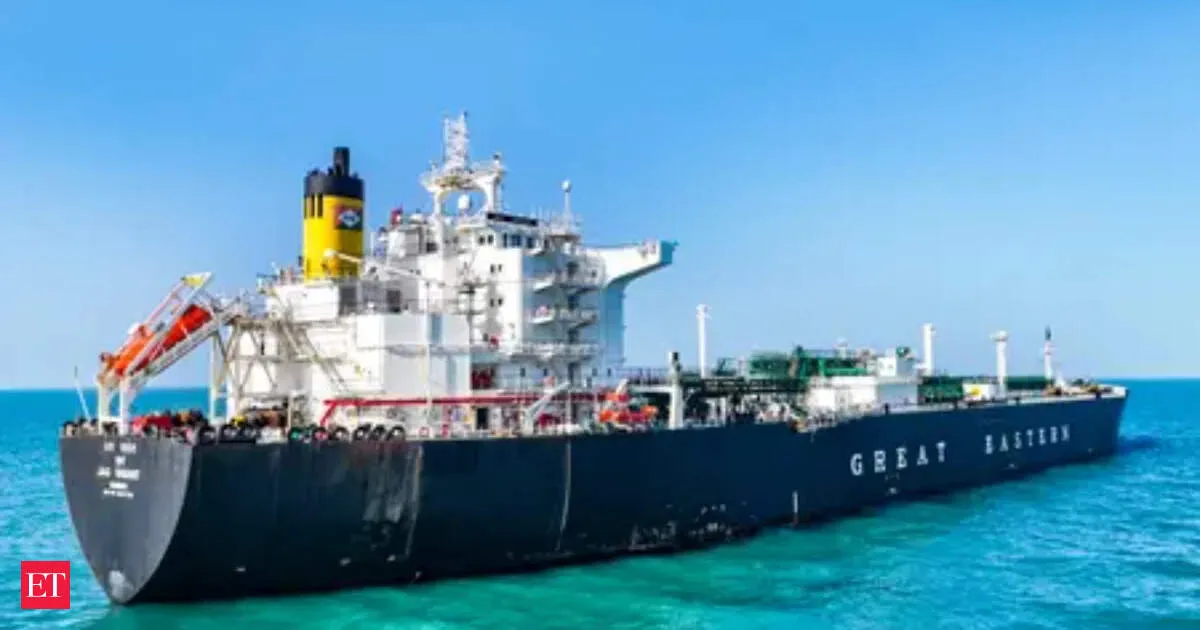
The LPG carrier Tara Gas, linked to prior Iranian cargoes, is transiting the Strait of Hormuz while declaring Indian crew and ownership. Fully laden and moving via a Tehran-approved route, it underscores how ships use declared identities and sanctioned pathways to navigate out of the Persian Gulf during heightened blockades and enforcement pressures.
Two crude oil tankers reportedly switched off their tracking systems as they moved through the Strait of Hormuz, a tactic seen as protection for Middle East oil exports amid regional tensions. The move helps vessels reroute oil stranded in the Gulf, including one that has offloaded in Fujairah and another still carrying Iraqi crude while continuing its journey.
Follow your favourite sources
Track sources, tags and categories — all in the Beige app.
The Strait of Hormuz is unusually calm after recent clashes, but US-Iran tensions remain unresolved. Washington is waiting for Iran’s response to peace proposals while expanding sanctions on Iran-linked entities. Amid this standoff, a Qatari LNG tanker is sailing toward the strategic waterway, as international actors push for stability and security across the Middle East.
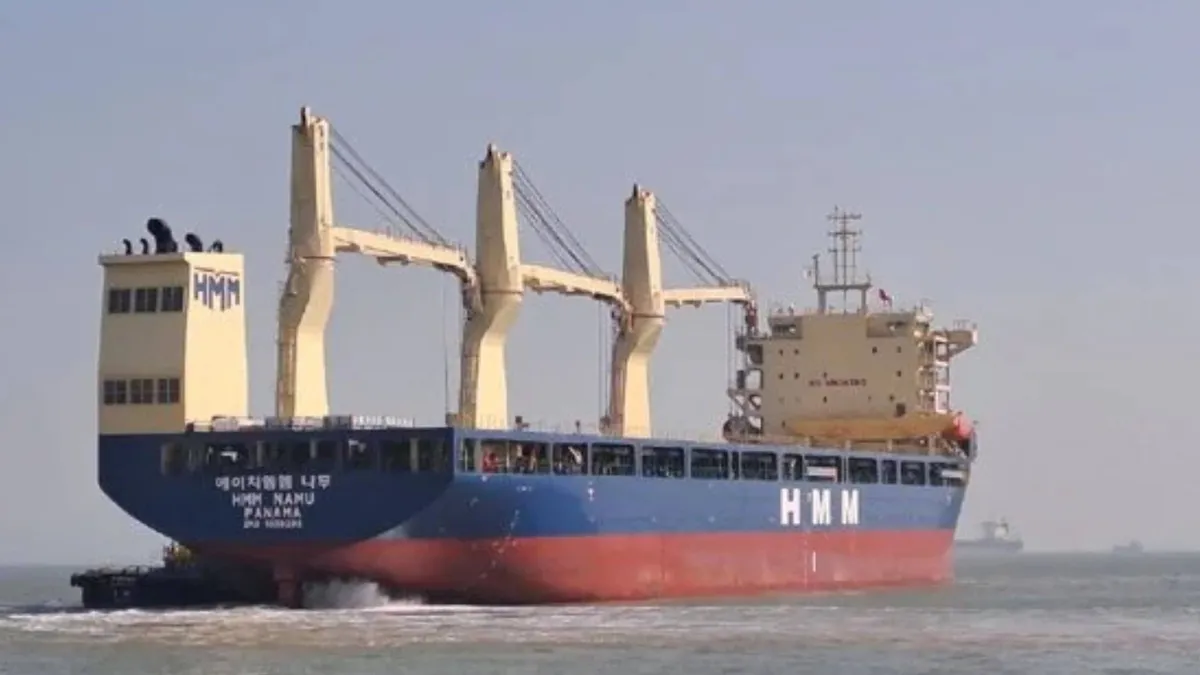
South Korea’s foreign ministry says an HMM-operated bulk carrier’s stern was struck by two unidentified objects on May 4 while the ship was stranded in the Strait of Hormuz. Seoul previously reported an earlier blast and fire on the same vessel and is now probing whether the incidents are linked and what caused the impacts.
Iran’s army has warned countries backing US sanctions will “face difficulties” in the Strait of Hormuz, citing a new coordination system for all vessels. Iran’s parliament also cautioned against supporting a US-backed UN resolution, with Russia reportedly poised to block it. The strait’s oil and gas traffic makes the dispute globally consequential.
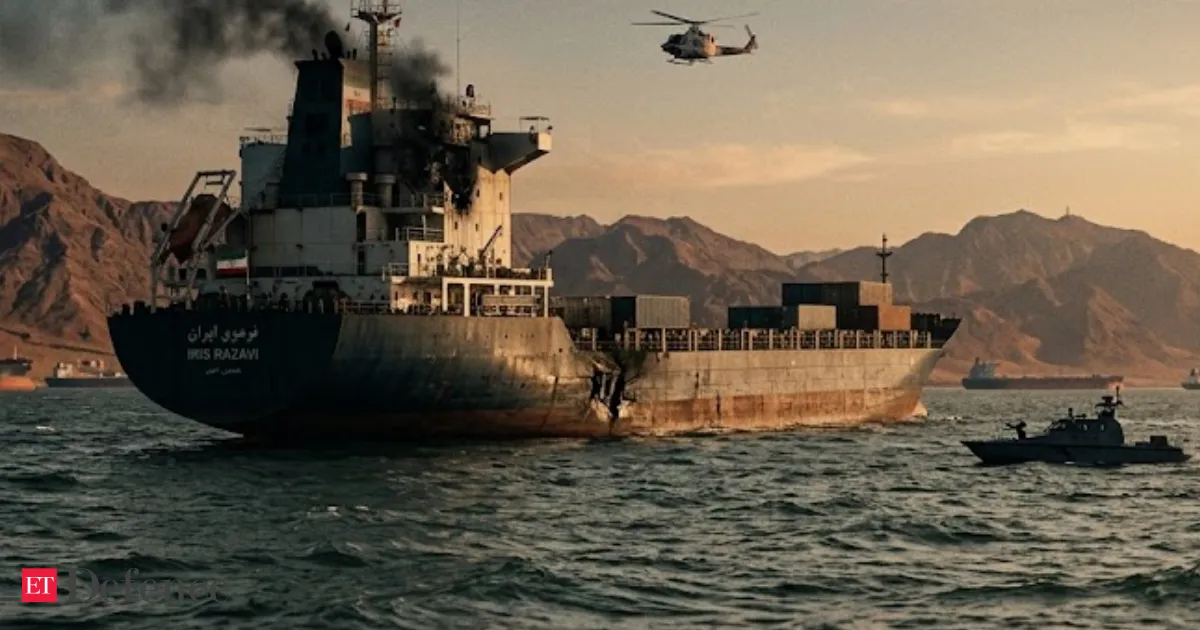
An Iranian official says overnight US actions in and near the Strait of Hormuz and the Makran Sea struck an Iranian cargo vessel near Minab, triggering a fire. Mohammad Radmehr said 10 sailors were wounded and five are missing, with the incident escalating tensions in one of the world’s most important shipping corridors.
Stay informed on the go
Bite-sized news from 100+ trusted sources, right in your pocket.
China’s foreign ministry confirmed that an oil products tanker carrying Chinese nationals was attacked in the Strait of Hormuz earlier this week. The ministry said it is deeply concerned about vessels affected by the continuing Middle East conflict. Details on damage or casualties weren’t fully disclosed, but the incident highlights how regional tensions are spilling into global shipping routes.
The Middle East war is rippling into Indian living rooms, pushing up furniture input costs as shipping disruptions hit supplies of key materials like foam and lacquer. Manufacturers are absorbing some of the higher bills for now, while buyers grow more cautious. To cope, firms are shifting toward value-focused products and smarter sourcing, even as premium furniture demand stays resilient.
Swipe through stories, personalise your feed, and save articles for later — all on the app.