Artemis II’s Orion capsule, named “Integrity,” opened its heavy hatch after splashdown in the Pacific, signaling the end of the historic Moon mission. Astronaut Reid Wiseman shared a rare onboard video showing the emotional first moments as the crew was greeted by Navy recovery divers and the Earth recovery team, captured from within the spacecraft itself.
NASA’s Perseverance rover has released a stunning 360-degree natural-color panorama from the rim of Jezero Crater, a spot nicknamed “Crocodile Bridge.” Built from 980 photos, the image highlights some of the oldest rocks in the solar system and is expected to sharpen scientists’ understanding of Mars’ early geological past and hidden history.
Your news, in seconds
Get the Beige app — every story in 60 words, updated hourly. Free on iOS & Android.
NASA’s Curiosity rover hit a rare “hostage” scenario on Mars when a massive rock called Atacama became stuck to its drill arm. The sampling mission effectively paused for nearly a week after the drill couldn’t retract or reposition, forcing controllers to wait out the complication before resuming operations.
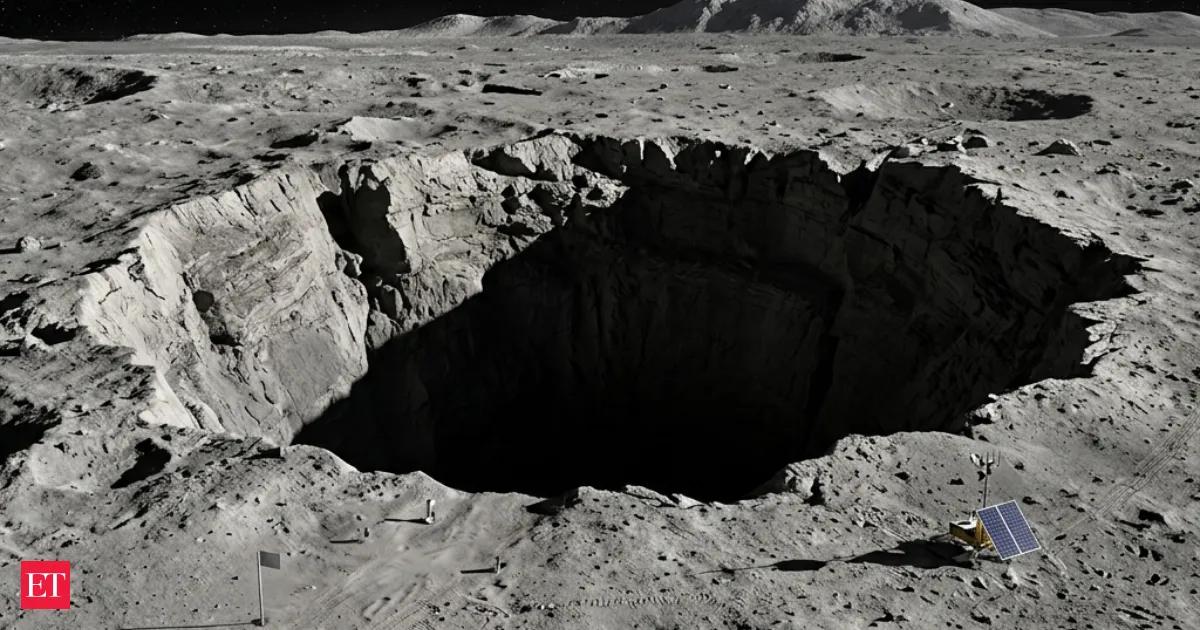
Scientists are turning to lunar lava tubes as promising shelter sites for future astronauts. These underground tunnels can offer strong protection from harmful radiation and extreme temperature swings. Researchers also suspect the tubes may hold valuable resources such as water ice, which could support long-term missions. With underground habitats potentially more practical than surface bases, study efforts are accelerating.
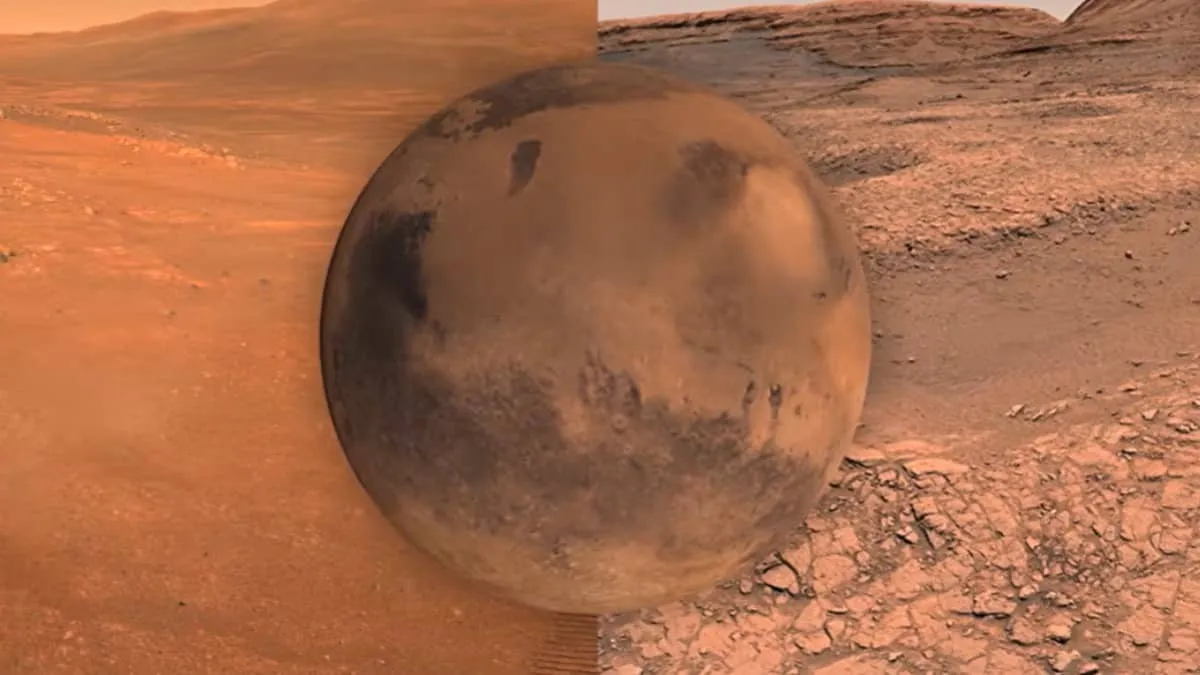
NASA’s Curiosity and Perseverance rovers have shared two stunning 360-degree panoramas captured from opposite sides of Mars. The views stitch together the planet’s violent past, ancient water landscapes, and the lingering mystery of whether microbial life ever took hold. By exploring “time-traveling” layers of history, the rovers aim to narrow where life’s clues might still remain.
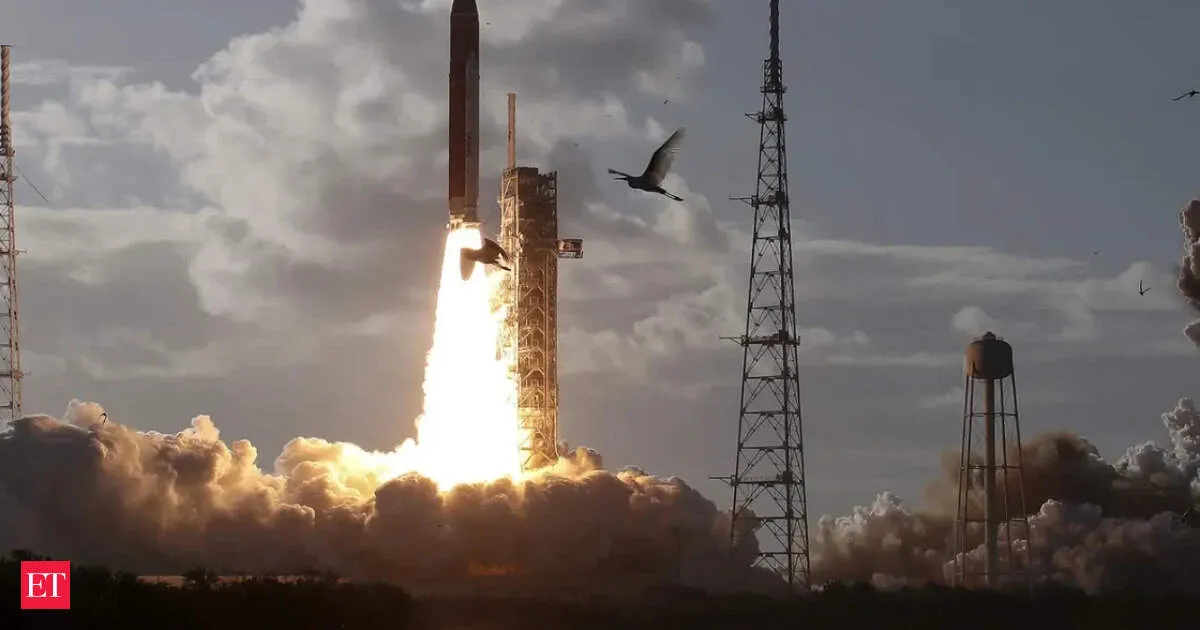
NASA’s Artemis II is scheduled to launch Wednesday with three men and one woman, the first crewed journey to the Moon since 1972. The mission is designed to kick off a new era of American lunar exploration, amid global pressure and comparisons to China’s goal of landing humans on the Moon by 2030.
Never miss a story
Set alerts for the topics and sources you care about. Download Beige for free.
Artemis II astronauts have returned home to a hero’s welcome at NASA’s Johnson Space Center after a historic deep space mission. The crew traveled farther than earlier moon missions, bringing back fresh views of the lunar far side. Their successful return marks a key milestone toward renewed lunar exploration and future human missions beyond Earth.
NASA’s Artemis Moon mission is delivering a major milestone—the first lunar step in decades—despite a tough backdrop of budget cuts and workforce reductions. The crew credits extensive ground support for making the mission possible, turning the achievement into a morale boost for a space program pressed by constraints. Artemis now signals a new chapter for lunar exploration.
Artemis II has completed its lunar journey, delivering unprecedented views and setting new distance records. NASA’s focus now shifts to Artemis III, where astronauts will practice lunar lander docking—an essential rehearsal before committing to a landing. The agency is targeting a moon landing in 2028, with attention on the moon’s south polar region for potential resources.
Swipe through stories, personalise your feed, and save articles for later — all on the app.