The government has upgraded its sugar policy by banning all exports until September 30, citing tight domestic supply. With India’s sugar production forecast to remain below consumption for a second straight year, traders and investors are likely to scrutinize mills including Balrampur Chini Mills and Dhampur Sugar Mills in the Thursday session.
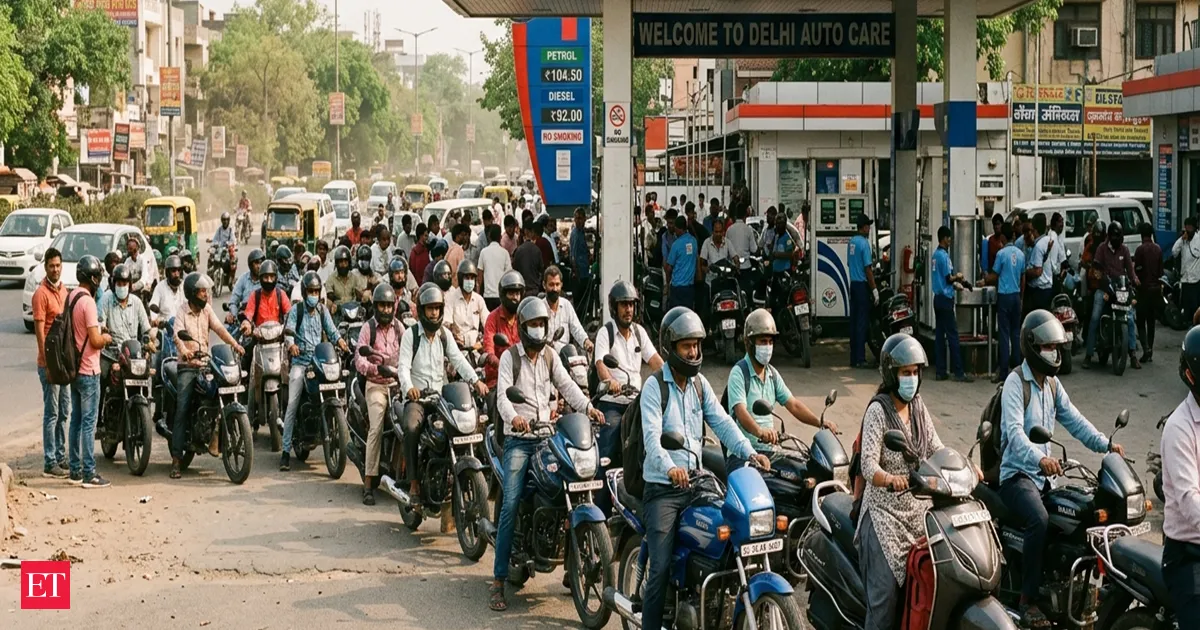
Petrol and diesel prices in India held steady on May 14 even as global crude costs climb amid West Asian tensions. Oil marketing companies are bearing daily losses instead of passing costs to consumers. Meanwhile, sugar exports are banned to curb domestic prices, milk has turned costlier, and the government doubled gold import duty—raising fears of future fuel hikes if the conflict drags on.
Your news, in seconds
Get the Beige app — every story in 60 words, updated hourly. Free on iOS & Android.
India has banned sugar exports until September 2026, aiming to cool domestic prices as local production lags behind consumption. The curbs are expected to ripple through global sugar markets, potentially easing pressure for major exporters like Brazil and Thailand. Traders with existing contracts face uncertainty, though shipments already in the pipeline may continue under defined conditions.
India is not planning to restrict sugar exports for now even as weaker demand emerges. While output is expected to be lower, stable local prices suggest the demand slowdown is offsetting the supply gap. Government sources say available stocks are sufficient, and new export deals have slowed as firmer domestic prices meet global disruptions. Output is forecast to broadly match consumption in 2025-26.
Swipe through stories, personalise your feed, and save articles for later — all on the app.