Wipro says it has completed its acquisition of Olam Group’s IT and digital services unit Mindsprint after receiving the required regulatory approvals. The deal, first announced on April 6, 2026, was part of Wipro’s eight-year transformation win from Olam, a Singapore-headquartered food and agri-business backed by Temasek. The combined push targets AI-powered, IP-led transformation across farming, forecasting, trading, supply-chain operations, and customer engagement, with Mindsprint’s domain expertise and product suite joining Wipro’s Intelligence platform.
India’s biggest companies are fast-tracking green logistics after the Prime Minister urged reduced fossil fuel use. PepsiCo is expanding its EV Green Corridor beyond the Kosi-Pataudi route, targeting close to 30% of plant-to-warehouse shuttles to run on electricity by year-end. Maruti Suzuki plans to send up to 35% of factory-to-dealership vehicle dispatches via rail by FY2030-31, investing over ₹1,370 crore in rail infrastructure. Hindustan Unilever has shifted over 97% of operational energy to renewables, while Dabur increases EV fleets and triples rail utilization.
Your news, in seconds
Get the Beige app — every story in 60 words, updated hourly. Free on iOS & Android.
TVS Motor Company says it is closely monitoring how the ongoing West Asia conflict may ripple into its business, citing rising input costs and supply chain disruptions. After its quarterly results, CEO K N Radhakrishnan pointed to pressure across commodity-linked items such as steel, aluminium and crude oil derivatives, alongside challenges like labor availability, gas supply and delays in on-time raw material deliveries in April. Still, he expects improvements in May and confidence of strong Q1 growth that could outpace the industry.
US-based aerospace and defence supply chain firm FDH Aero has opened a new Bengaluru office, bringing its hardware and electronics divisions together to serve regional customers. The company says the site will act as a full-service hub supported by in-country inventory and dedicated local teams, targeting tier-1 manufacturers and OEMs. FDH points to strong commercial aerospace demand, rising defence investment, and Made in India initiatives as key growth drivers, appointing new in-country heads for Electronics and Hardware.
India’s EV battery demand is projected to grow tenfold, reaching 200 GWh by 2032, according to IESA. The surge is expected to reshape India’s supply chain and boost localization of key components like cells, motors, and manufacturing capabilities. While electric two-wheelers currently lead, passenger cars and light commercial fleets are poised to drive the next phase.
Supply-chain stress is rising again, with logistics costs and delivery times climbing toward multi-year highs. The renewed disruption is starting to worry central banks, because higher transport expenses can quickly feed into consumer prices. With pressure building across trade and delivery signals, inflation risks may re-emerge just as policymakers thought the worst was behind them.
Never miss a story
Set alerts for the topics and sources you care about. Download Beige for free.
India’s logistics performance ranking for 2025 spotlights Tamil Nadu, Uttar Pradesh, Mizoram and Delhi as “exemplars,” while 11 states or territories are “high performers.” Eighteen are “accelerators” improving their systems, and four “growth seekers” are still building capacity. The classification is designed to guide targeted logistics reforms across regions.
A ransomware group has claimed it breached Foxconn, one of the world’s largest electronics manufacturers. The attackers say they are now trying to extort the company after gaining access, escalating risks across the supply chain. Foxconn has not publicly confirmed details, but the claim immediately raises concerns for production tied to major customers including Apple and Nvidia.
The Trump Mobile T1 gold Android phone has finally moved from delay to delivery, with official pre-order shipments expected to start this week. After missing five shipping deadlines over months, early buyers should see orders begin arriving. The $499 phone has drawn sustained attention for its political branding alongside mainstream Android features.
Carrier Global says it is working to minimise price increases in India despite global supply constraints. The company is investing $100 million in a new facility in Andhra Pradesh to scale production. It expects strong double-digit growth for the next decade, aiming to meet rising domestic demand while also boosting exports from the expanded capacity.
Reading on mobile?
Open Beige in the app for a smoother experience — free on iOS and Android.
A Gulf shipping standoff is intensifying global supply chain disruption, with international conflicts further squeezing movement of goods. For smallholder farmers, this translates into essential farming inputs like fertiliser and seeds becoming scarce and pricing rising beyond affordability. The result threatens yields and food security, especially in the most vulnerable farming communities already facing thin margins.
Electric two wheeler makers are bracing for margin pressure and possible price hikes as raw material costs jump and supply chains stay disrupted. Geopolitical tensions are intensifying the hit on critical inputs like lithium ion cells. At the same time, rising global demand for AI infrastructure is tightening memory chip availability, leaving manufacturers scrambling and raising costs.
Electric two-wheeler companies are moving toward higher prices as costs rise and supplies get disrupted. Firms including Bajaj Auto, Hero MotoCorp and Ather Energy cite expensive raw materials and lingering supply chain constraints. The surprise pressure comes from demand for AI infrastructure, which is affecting availability of certain critical components for EV production, likely hitting consumers soon.
Japanese snack maker Calbee will temporarily switch 14 popular potato chip products to black-and-white packaging from May 25. The company says the move is driven by concerns over supply disruptions and the availability of naphtha, a key Middle East–imported input used for printing ink. Calbee is aiming to keep shipments stable despite disruptions.
Follow your favourite sources
Track sources, tags and categories — all in the Beige app.
JPMorgan warns that worsening petroleum coke shortages could disrupt aluminium production worldwide, not just in the Gulf. The bank says a prolonged closure of the Strait of Hormuz could impair supply of the critical smelting fuel, pushing some producers toward operational constraints or production cuts. Supply tightness is already visible, with a major deficit expected by 2026.
Samsung and SK Hynix logged record profits of $59.7 billion in the March 2026 quarter, exceeding the total profit of all listed India Inc companies in any prior quarter. The windfall is linked to surging AI-related capital spending, with memory chips sitting at the core of demand—highlighting how chip supply chains are powering the next AI boom.
Tensions in West Asia are rippling into the UAE housing market, with Dubai developers reporting major delivery delays for new homes. Supply chain disruptions and rapidly rising construction costs are delaying project timelines and raising uncertainty for buyers. The slowdown signals how geopolitical instability can quickly affect real estate financing, materials availability, and construction schedules.
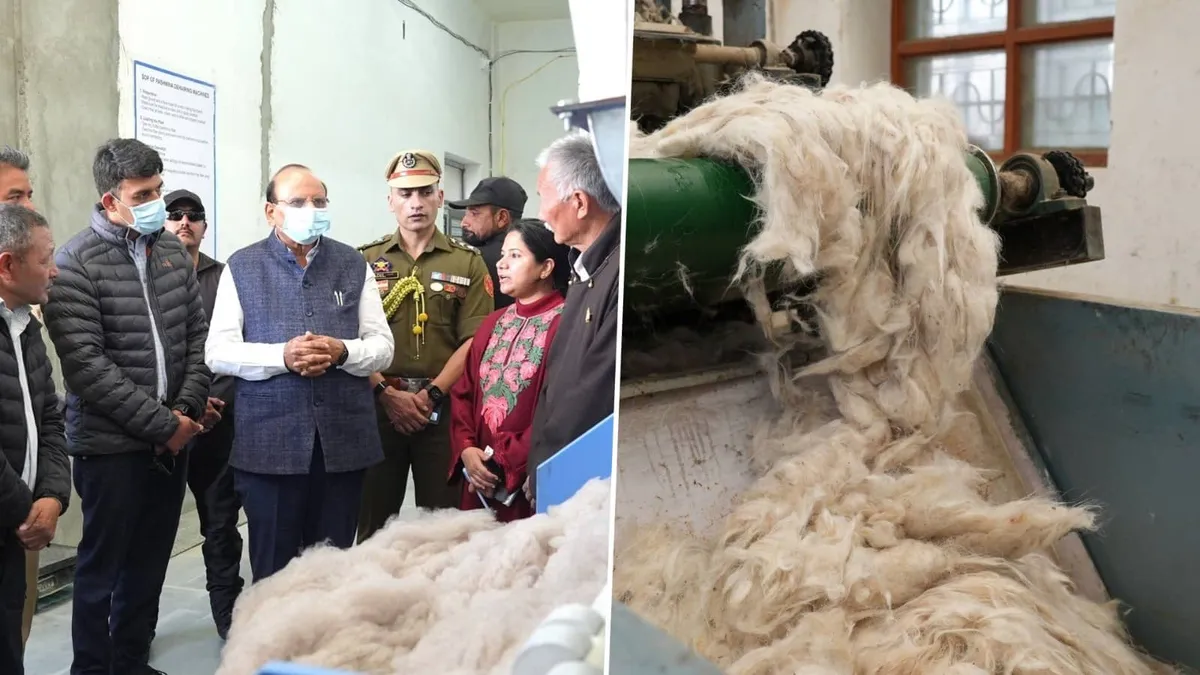
Ladakh is modernising its pashmina industry, moving the famed craft from nomadic Changthang pastures toward global supply chains. At a dehairing plant in Leh, raw fibre from goats is processed through multiple stages, aiming to scale quality, efficiency, and market reach while preserving the region’s heritage that has endured for centuries.
Stay informed on the go
Bite-sized news from 100+ trusted sources, right in your pocket.
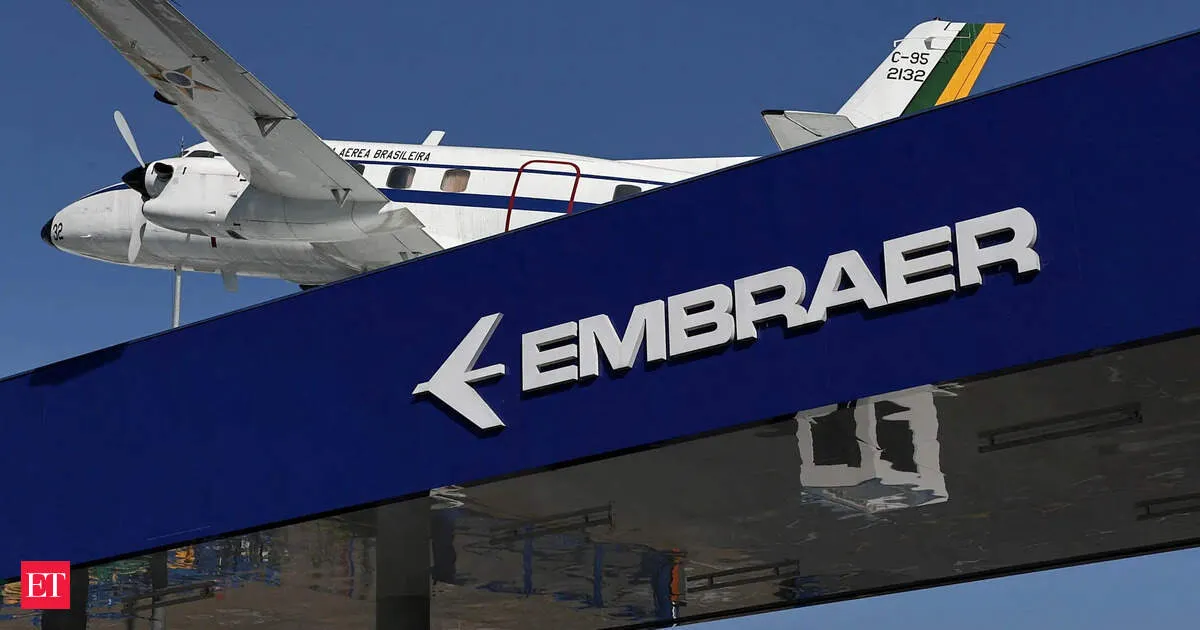
Brazilian aerospace major Embraer has signed its first forged raw materials supply contract with India’s Bharat Forge. The move supports Embraer’s effort to diversify its supply chain, strengthening resilience and competitiveness. For India’s aerospace sector, the deal signals growing global trust in domestic forging capabilities and could open doors for deeper manufacturing ties.
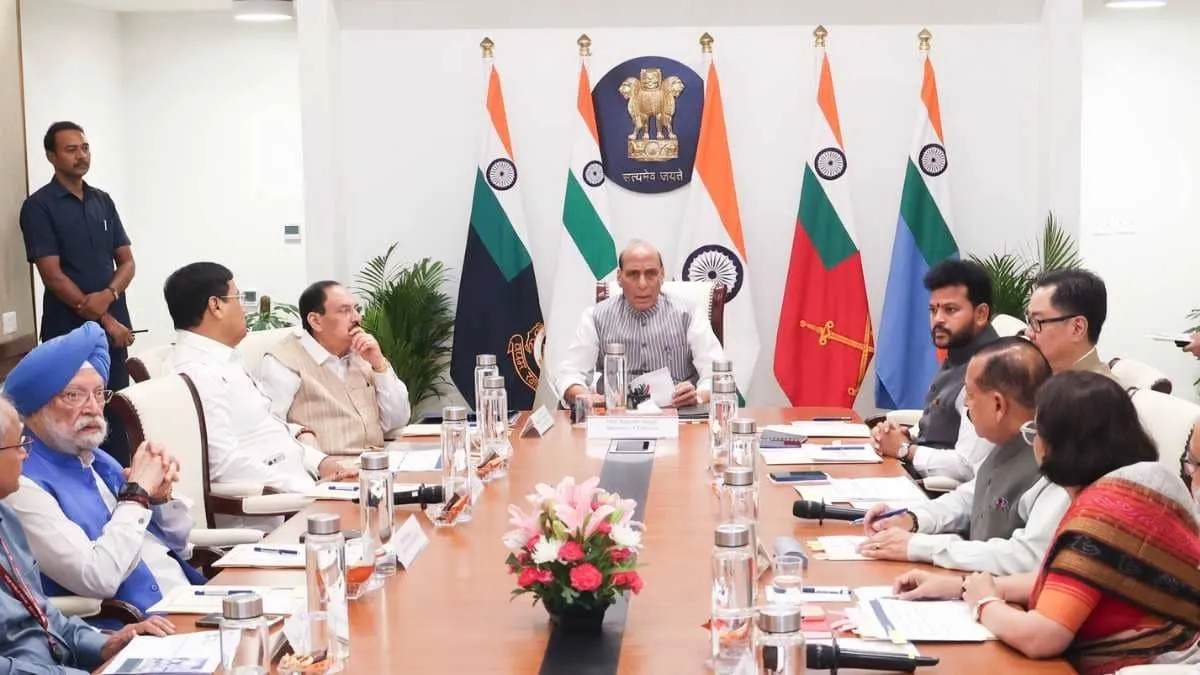
Defence Minister Rajnath Singh asked citizens to stay calm and avoid panic amid a West Asia crisis, as supply chain concerns grow. He echoed Prime Minister Narendra Modi’s call for behavioral changes, including cutting back on petrol use, to limit excess foreign expenditure. Singh said the government’s steps will strengthen self-reliance and support energy security.
Swipe through stories, personalise your feed, and save articles for later — all on the app.