Tata Steel shares jumped to a fresh record high after the Odisha High Court quashed state government demand notices worth nearly Rs 4,314 crore. The notices were tied to the company’s Sukinda Chromite Block, which Tata Steel had contested. The relief from the court decision appears to have triggered investor confidence and the sharp rise in the stock.
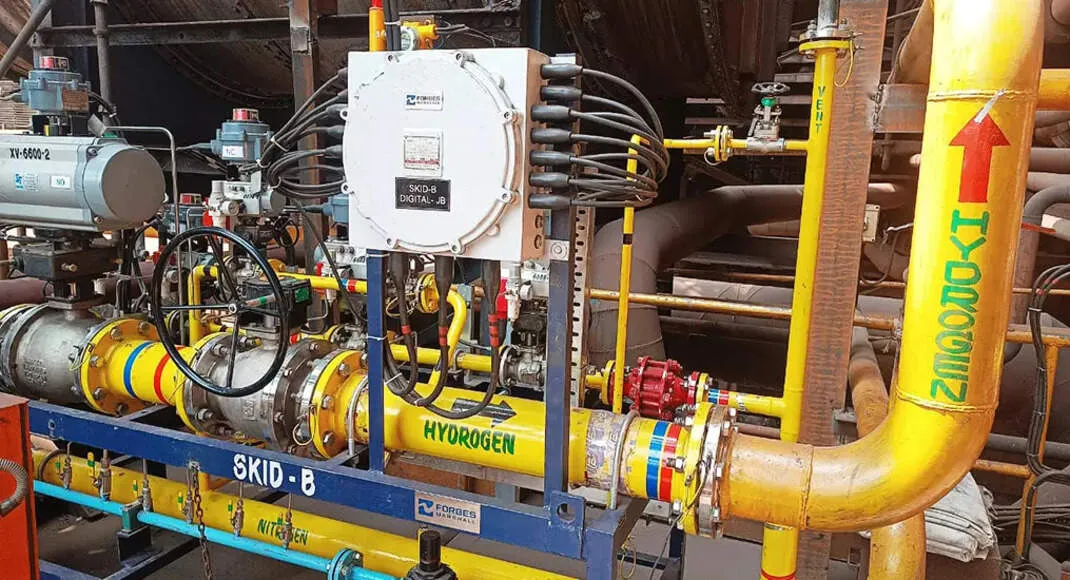
With India’s steel sector responsible for around 35% of industrial CO2 emissions, Tata Steel and JSW Energy are pursuing green hydrogen to produce low-carbon steel. The move could reshape one of the hardest industries to abate, but it comes with massive infrastructure and financing requirements. The question: can their roadmap scale across the sector?
Your news, in seconds
Get the Beige app — every story in 60 words, updated hourly. Free on iOS & Android.
Tata Steel is rolling out an India-led expansion aimed at capturing a multi-year steel upcycle. The centerpiece is expanding Neelachal Ispat Nigam Limited in Odisha, a move that could elevate Tata’s position in long-steel products. The strategy seeks to build growth momentum despite overseas headwinds, with Odisha becoming the operational engine of this push.
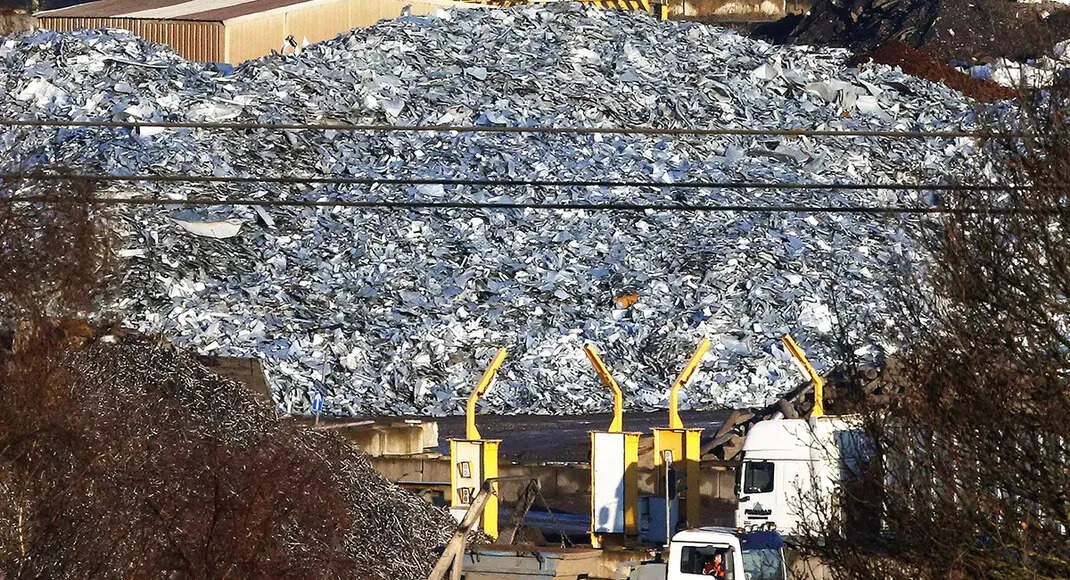
Tata Steel is aligning its India decarbonisation plan with a “tap the scrap” strategy, leaning on steel recycling to move toward a circular economy. With India facing a deficit in ferrous scrap, the company’s high-stakes recycling business could reshape how steel is sourced and produced—while supporting its goal of greener operations by 2030.
Indian markets bounced back sharply, with the Sensex gaining 407 points and the Nifty reclaiming 24,700. Steel stocks led the rally, while YES Bank jumped. However, Infosys shares fell and Indus Towers slipped, with investors reacting to concerns around its Africa expansion plans and the near-term impact on the business.
Swipe through stories, personalise your feed, and save articles for later — all on the app.