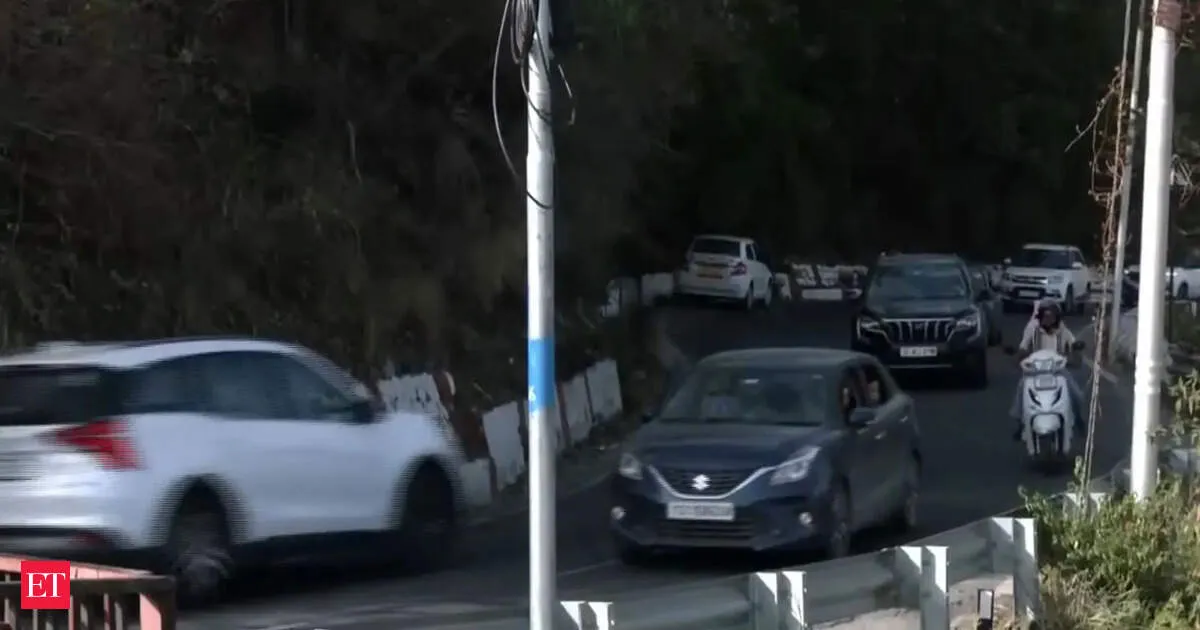
Dehradun and Mussoorie are seeing a heavy weekend rush even as Uttarakhand promotes “No Vehicle Day” and Modi urges fuel conservation. Data from the Asharodi check post shows 14,218 vehicles entered Dehradun by midnight last Friday, already topping 12,019 by 8 PM the same day. Officials can be seen observing the initiative, but highway traffic suggests otherwise. The state links the move to fuel-supply pressure from global crises, and pairs it with public transport push and plans for stronger EV policy.
Joel Weinshanker, the US businessman behind Graceland and Party City, has acquired a majority stake in the operations of Romania’s Bran Castle, famously dubbed Dracula’s castle. The site draws over a million visitors a year, and Weinshanker wants to scale tourism further by focusing on the US and Western Europe, turning it into a bigger magnet for fans of vampire lore and history.
Your news, in seconds
Get the Beige app — every story in 60 words, updated hourly. Free on iOS & Android.
Bollywood actor Ranbir Kapoor has acquired a land parcel in Ayodhya for Rs 3.31 crore, in a project near the Sarayu river. The purchase adds to a growing wave of investor attention as infrastructure expands and tourism picks up, turning Ayodhya into a more active real estate and development destination.
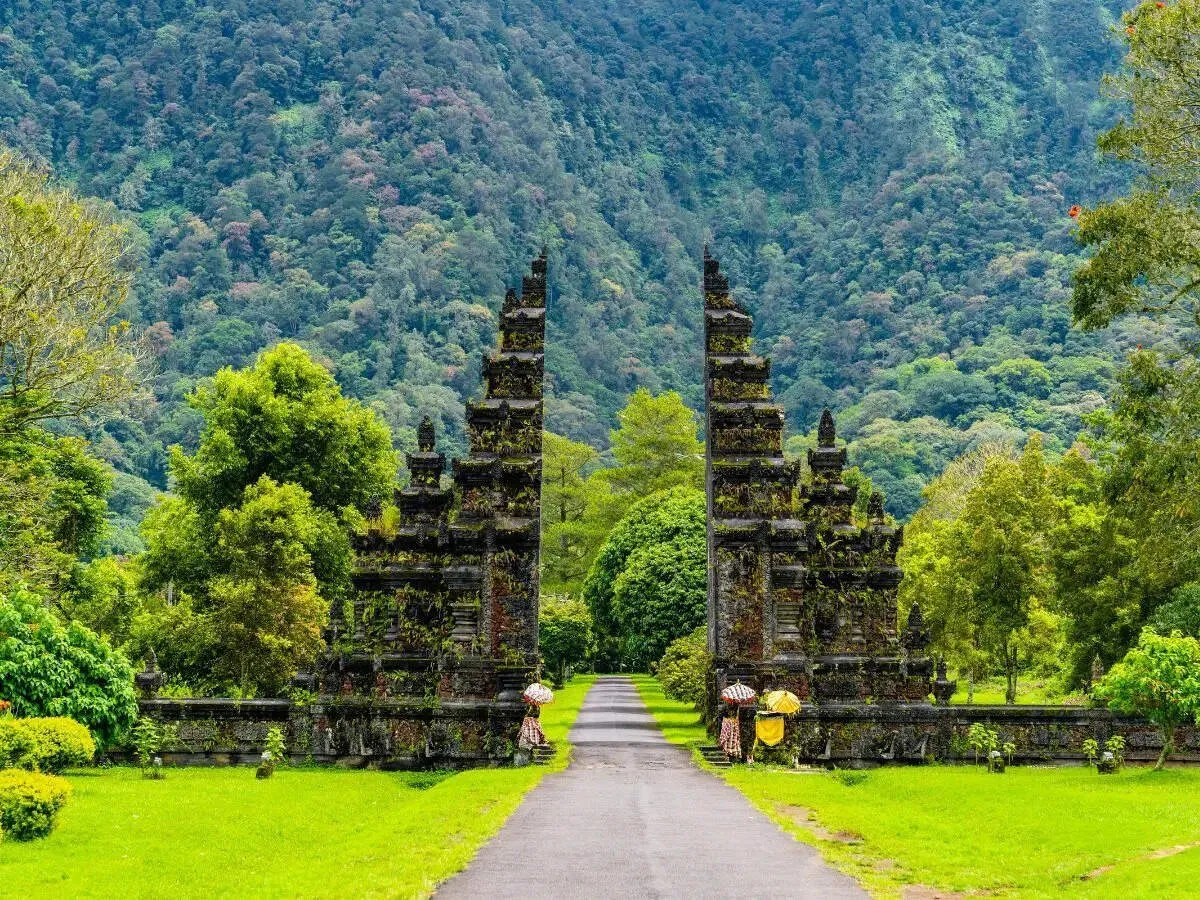
Bali’s immigration authorities are warning tourists and influencers against doing unpaid promotional or work-like activities on visitor visas. Officials say collaborations that appear harmless, including portfolio building, can still breach immigration rules. Travelers are urged to match their activities to their visa purpose or face scrutiny and potential sanctions, with other visa routes available for genuine professional work.
After PM Modi urged people and officials to postpone non essential foreign travel, India’s travel industry is looking inward to win back global attention. Executives say ‘Incredible India’ marketing should be ramped up and entry rules eased, including faster e visa processes, to attract more overseas tourists and strengthen foreign exchange despite disruptions to international travel.
Airlines report weak forward bookings and cautious growth plans as Indians reconsider overseas travel amid high airfares and a weaker rupee. The shift follows calls to postpone foreign holidays, yet large-scale cancellations have not hit operations hard. Instead, carriers and tourism stakeholders are redirecting attention toward boosting domestic travel, banking on its wider economic ripple effects.
Never miss a story
Set alerts for the topics and sources you care about. Download Beige for free.
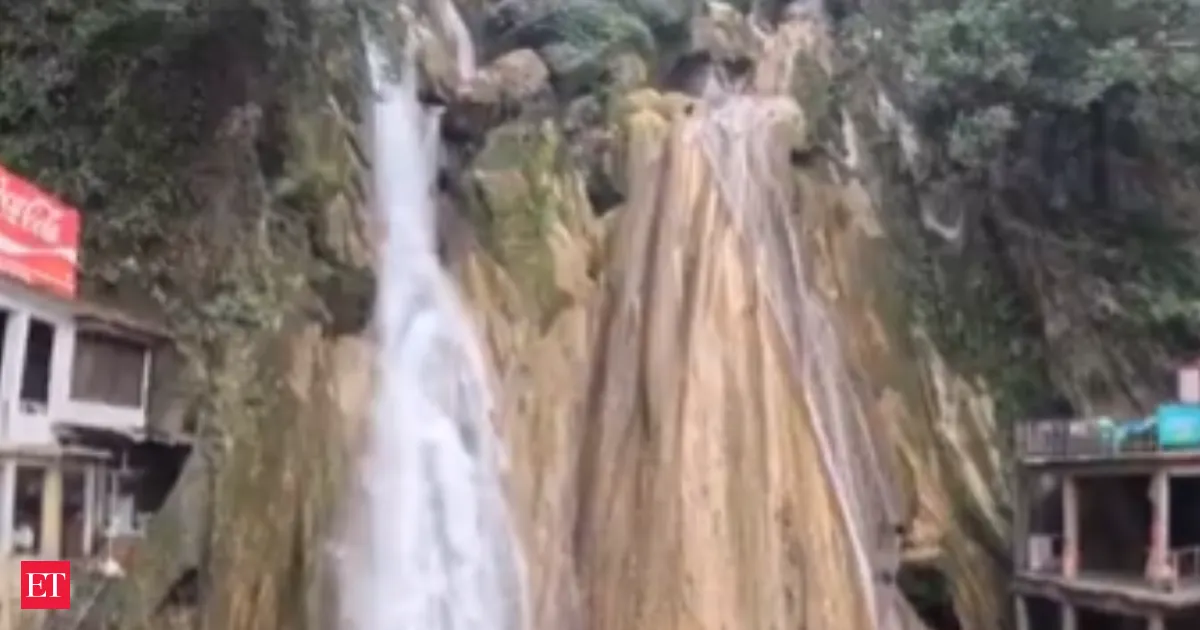
A viral video of Kempty Falls near Mussoorie has sparked outrage, showing the popular Uttarakhand spot surrounded by dense construction, shops and dhabas. Users blame unchecked commercialisation, overcrowding and inadequate infrastructure, reigniting debate over overtourism and environmental damage in India’s hill stations. The clip has pushed calls for stricter controls to protect fragile landscapes.
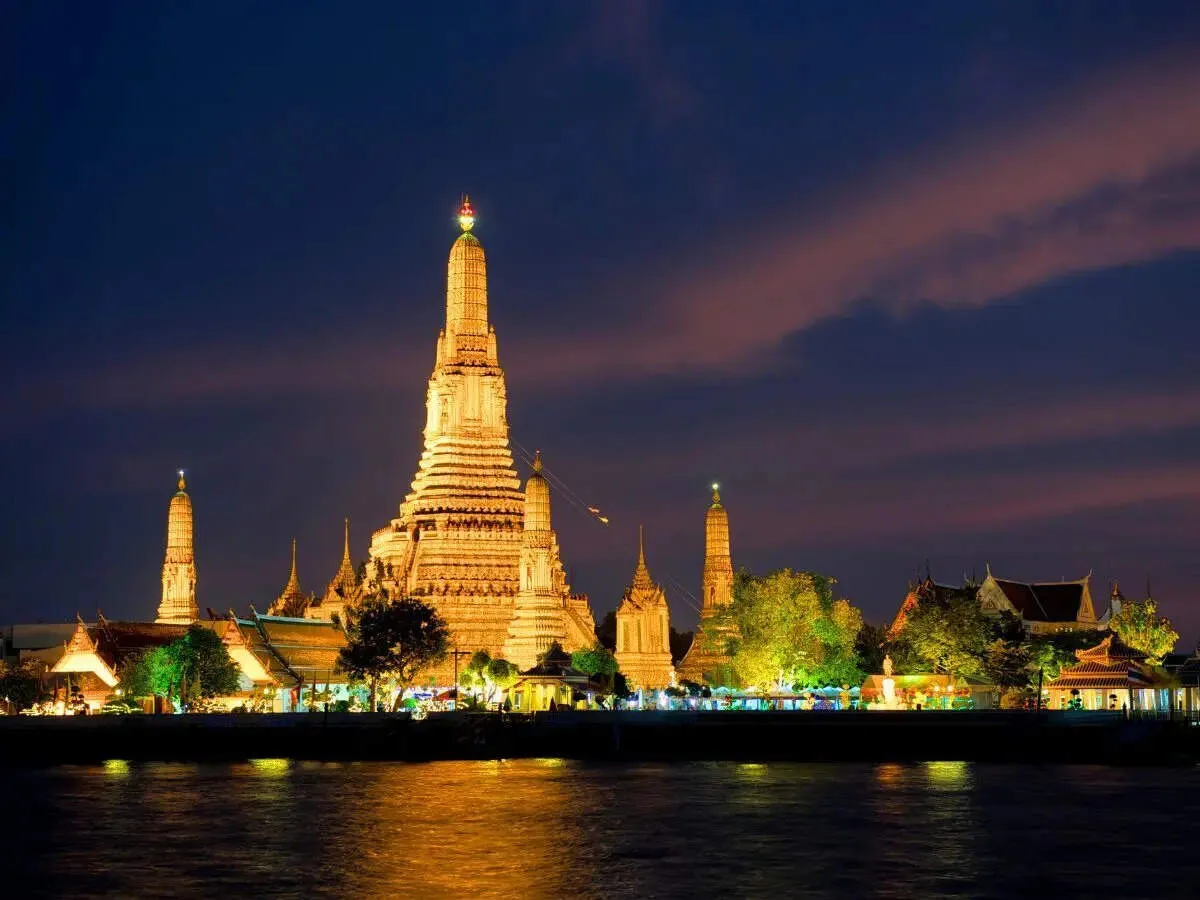
An Indian tourist died in Phuket, Thailand, after four Indian visitors reportedly lost consciousness at a cafe. The incident on May 9 left three other tourists hospitalized. The Indian embassy says it is coordinating with Thai authorities and working with the victim’s family while monitoring developments, as investigators look into what caused the collapses.
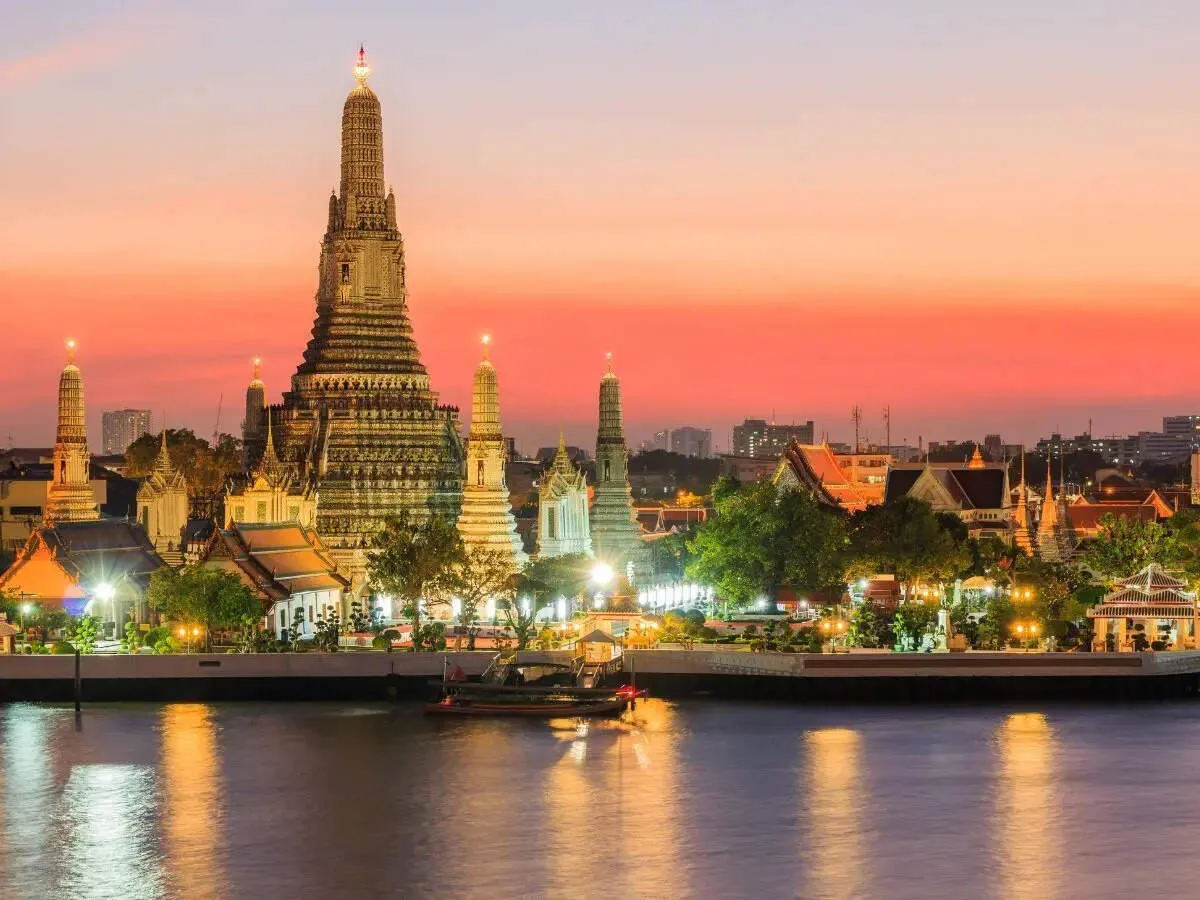
Thailand is reviewing visa rules across major visitor categories with a focus on “quality” tourism rather than higher volume. The government is considering scrapping the 60-day visa-free scheme for tourists and introducing tougher screening, including background checks and proof of sufficient funds, aiming to balance travel benefits with national security concerns.
After Prime Minister Narendra Modi urged Indians to reduce foreign travel, tourism industry body FAITH says the country must not lose the opportunity to bring more international visitors in. It wants eased visa rules, better connectivity, and stronger global marketing to increase tourist arrivals and protect foreign exchange earnings.
Reading on mobile?
Open Beige in the app for a smoother experience — free on iOS and Android.
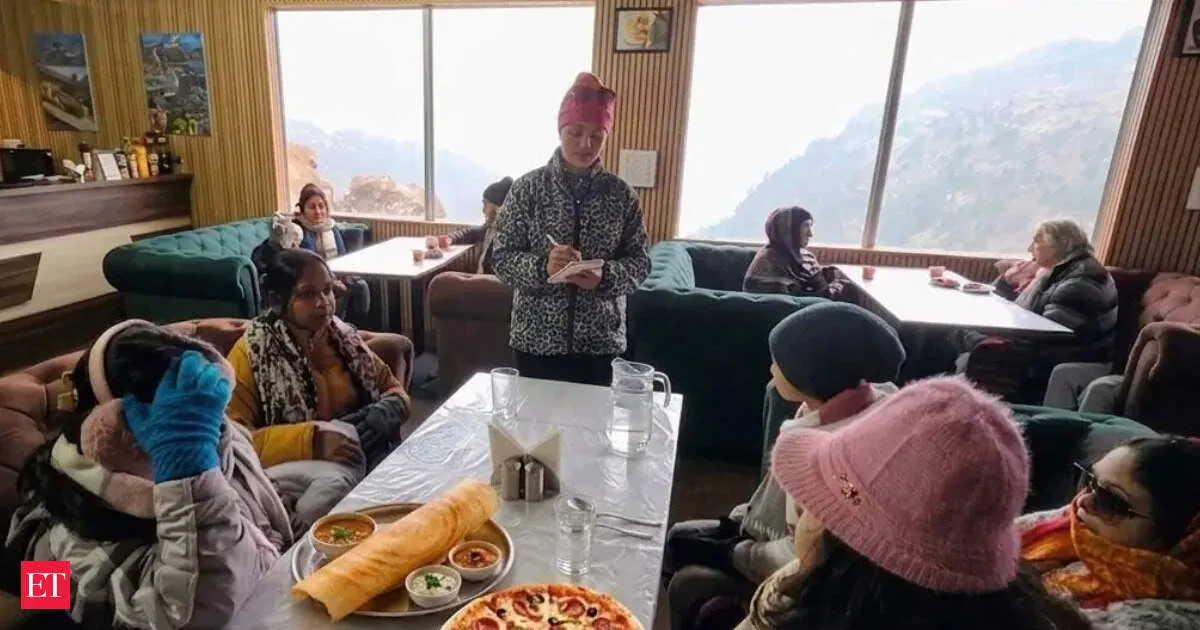
A new women-led cafe has opened near the Baba Harbhajan Singh Shrine in East Sikkim at an altitude of 13,000 feet. Supported by Trishakti Corps, the initiative is designed to create local employment while drawing tourists to border areas. Beyond food, it spotlights regional heritage and strategic geography, showing how military and civilian efforts can deliver inclusive, community-led growth.
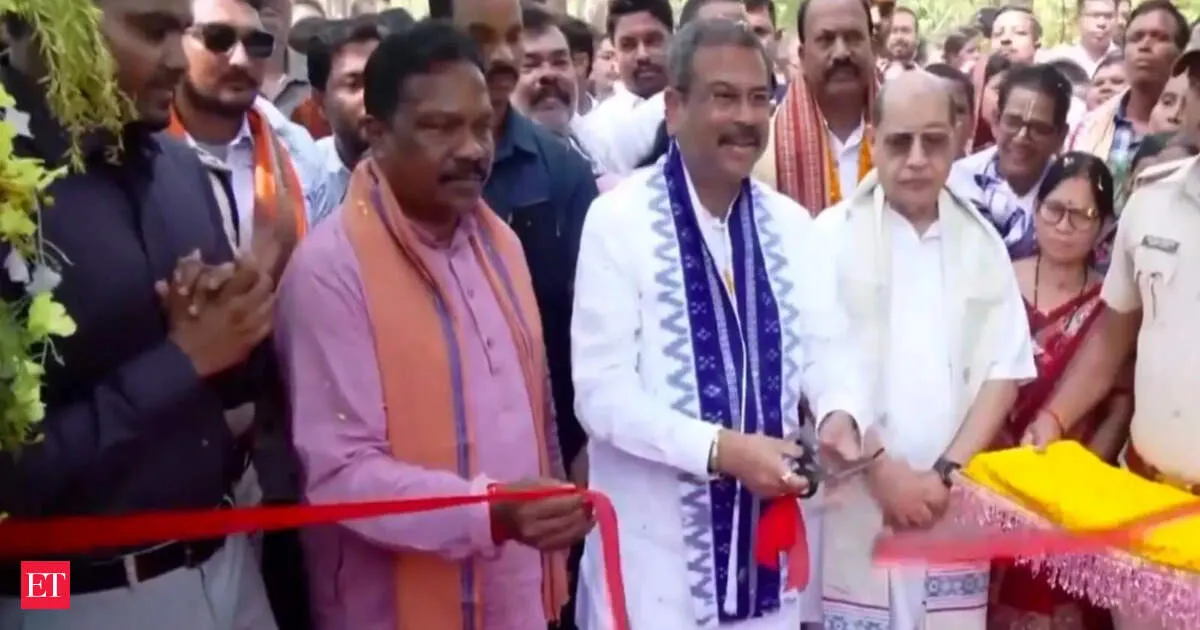
Union Minister Dharmendra Pradhan announced plans to develop Odisha’s Bhima Mandali caves near Sambalpur as a global heritage destination. The site, believed to be between 15,000 and 20,000 years old, will reportedly get world-class facilities to protect its ecological and archaeological value. The initiative also highlights the caves’ historical and mythological significance for international visitors.
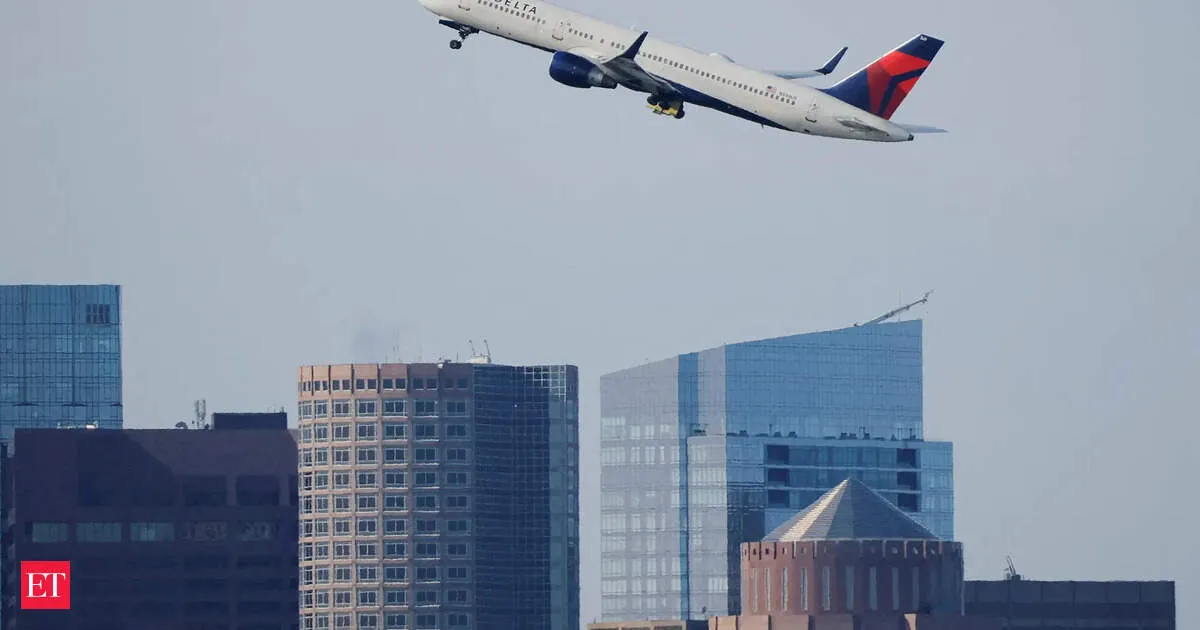
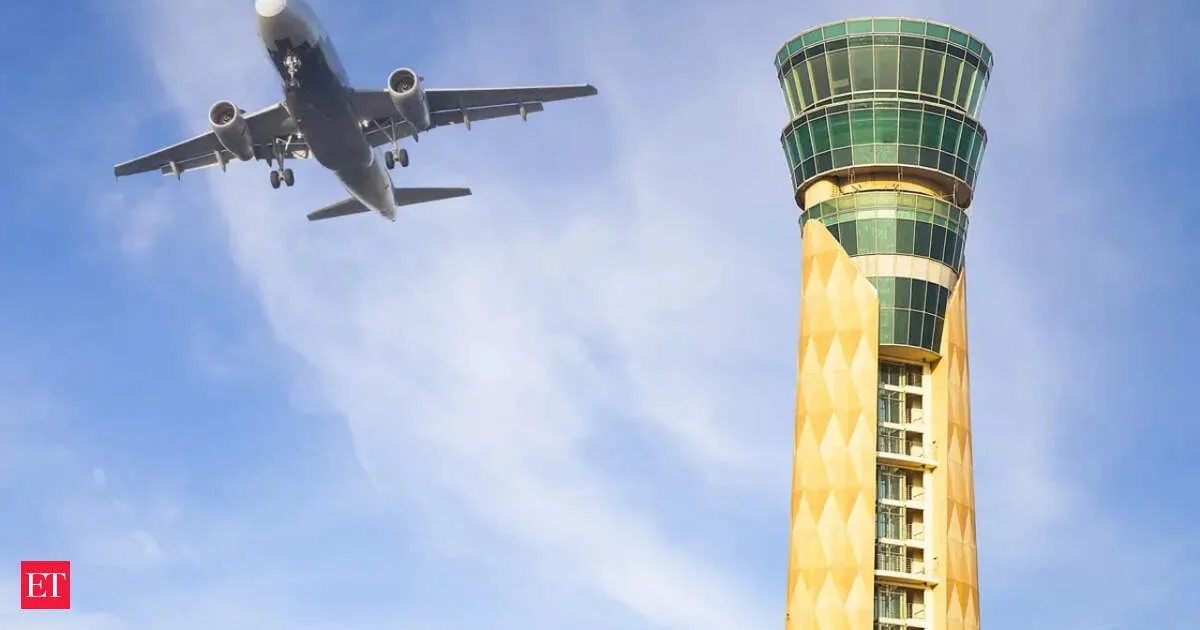
The EU says the war’s hit to Europe’s tourism sector has been limited so far, as airlines rely on hedges to buffer costs. But the situation is shifting: jet fuel prices have jumped nearly 84% since the Feb 28 US Iran war began. Airlines caution that aircraft or fuel supply shortages could surface within weeks, threatening travel plans.
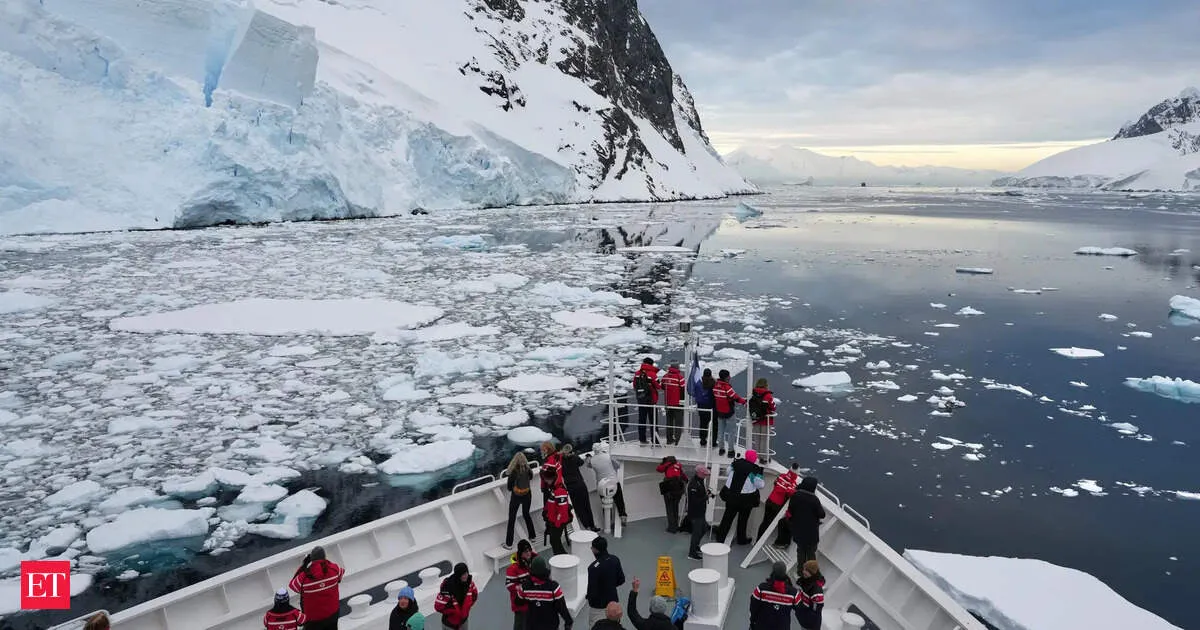
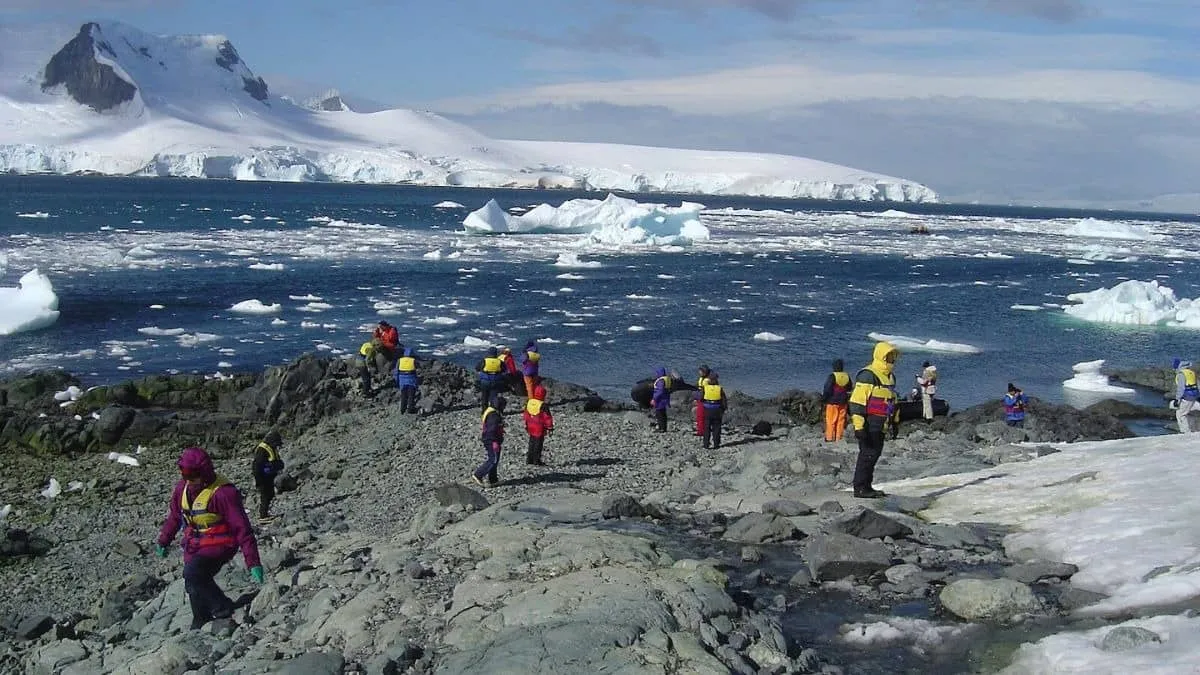
Antarctica’s tourism is surging, pulling in more than 80,000 visitors, but experts warn the boom could bring contamination and disease risks. A recent hantavirus outbreak underscores the threat, while scientists predict visits could triple. Strict curbs are in place to protect the fragile ecosystem from invasive species and illness, even as the continent’s allure continues to draw crowds.
Follow your favourite sources
Track sources, tags and categories — all in the Beige app.
Antarctica’s tourism surge, fueled by both curiosity and fears that climate change may permanently alter the continent, is driving fresh concerns. Experts warn that more visitors can increase contamination, illness, and environmental strain. In response, tour operators and regulators are tightening conduct and hygiene rules to reduce the chances of spreading contaminants among tourists and the fragile ecosystem.
Thailand is considering a compulsory health insurance requirement for all foreign visitors, including tourists and workers. The move targets a growing problem of unpaid medical bills, which leave the healthcare system shouldering costs for patients who can’t pay. If approved, travelers may need coverage upfront, potentially changing how trips and work assignments are planned.
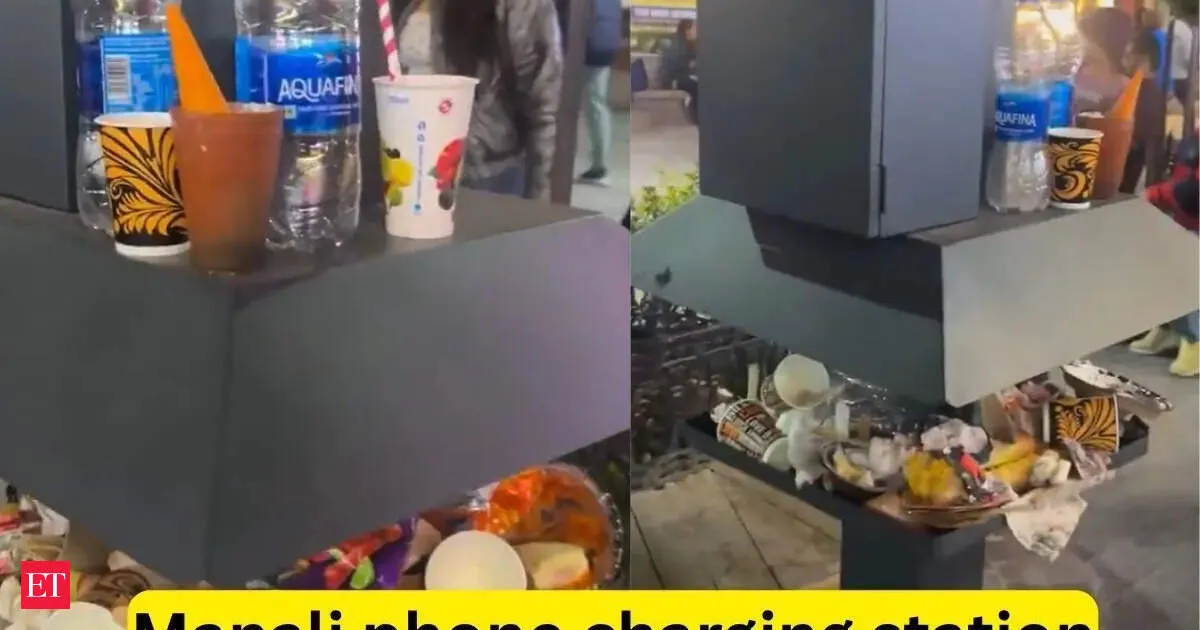
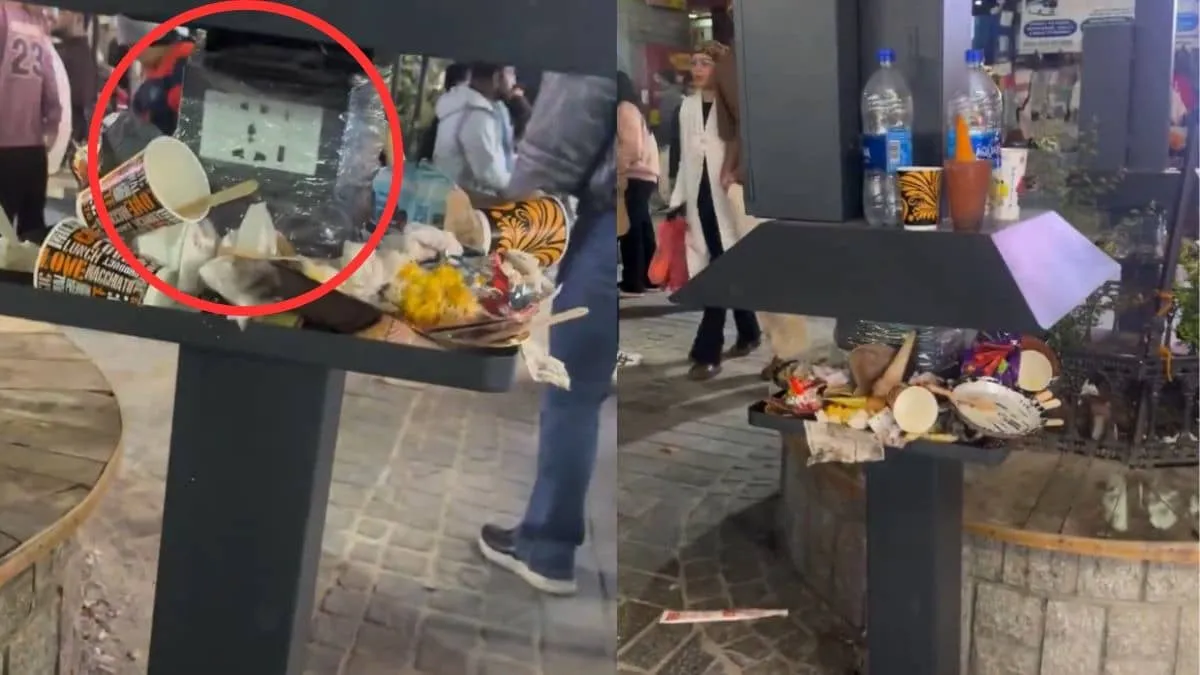
A newly installed phone charging station for tourists in Manali, Himachal Pradesh, turned into a dumping ground within hours, with viral footage showing plastic and disposable waste strewn around the facility. The incident has reignited a wider debate online about civic sense and responsibility, as users question why basic public infrastructure is being misused so quickly.
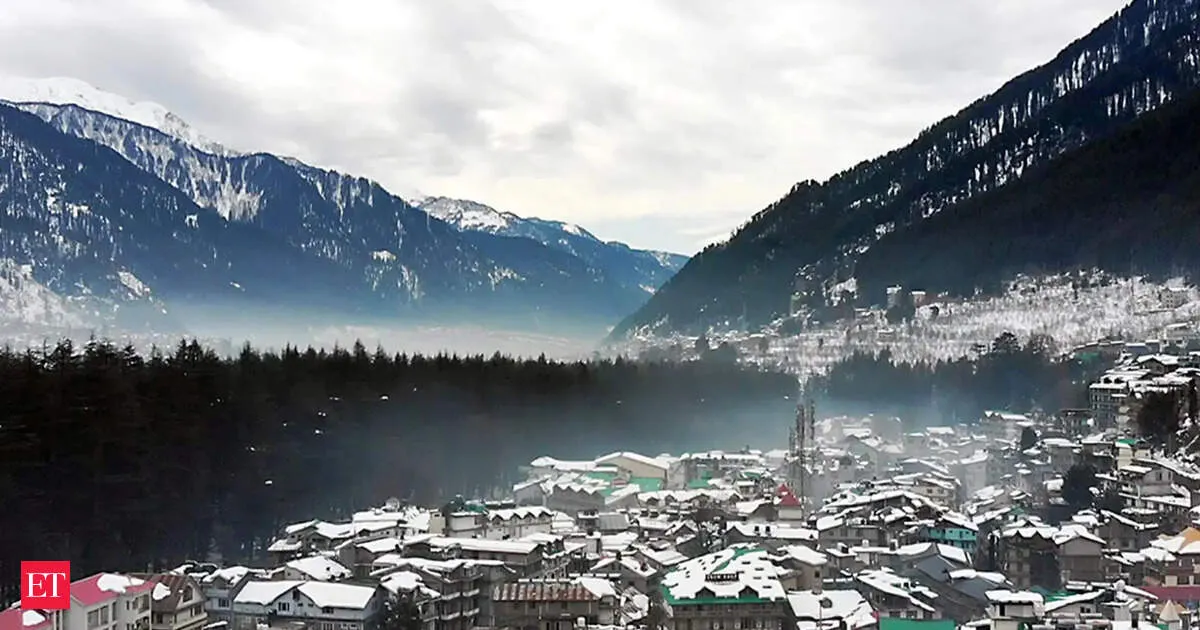
Manali’s tourist season is picking up fast, with hotel occupancy reported at up to 80%. Visitors are being drawn by pleasant weather alongside lingering snow, while operators have ramped up preparations for the rush. The surge is also boosting local businesses, as tourists take in the mountains and sign up for adventure activities, fueling optimism for a record run.
Stay informed on the go
Bite-sized news from 100+ trusted sources, right in your pocket.
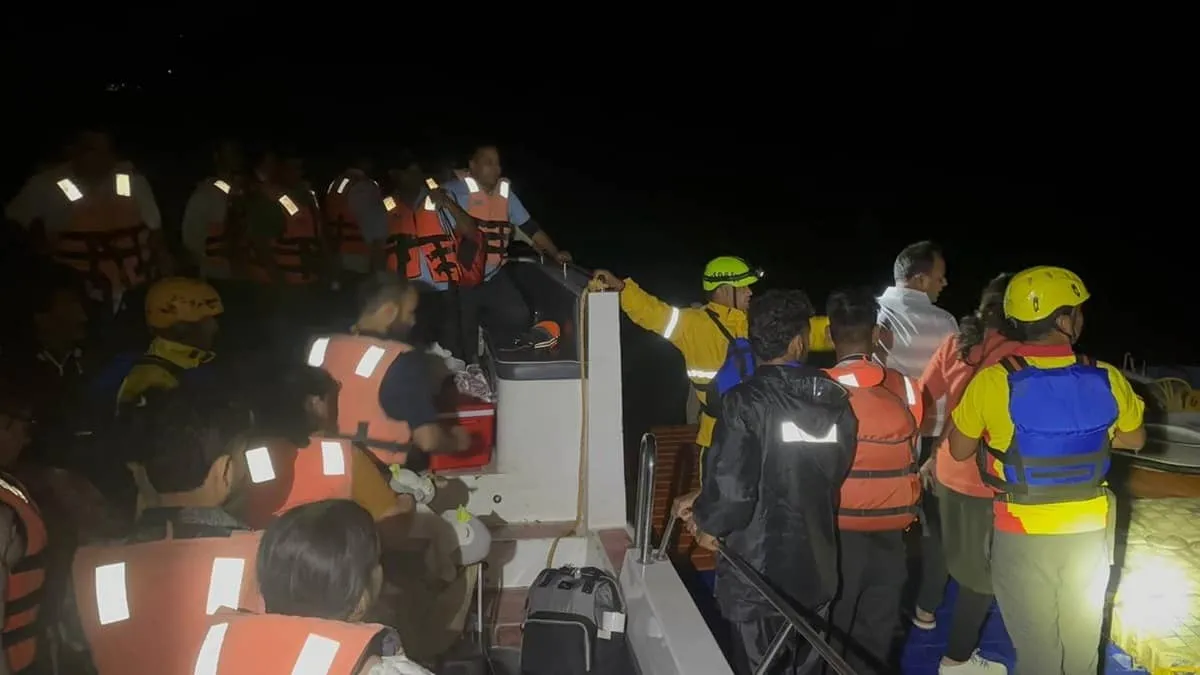
A severe storm hit Tehri Garhwal on Saturday evening, damaging the jetty and floating hutments at Tehri Dam lake near the Dobra-Chanti bridge. Around 30 tourists were stranded as strong winds battered the water structures. The SDRF coordinated rescues and shifted everyone safely to Koti Colony, while Uttarakhand issued an orange alert and restricted trekking across multiple districts.
A viral video from Manali, Himachal Pradesh shows a newly installed public charging point meant for tourists quickly turning into a garbage dumping spot. Within days, the area reportedly drew misuse, triggering widespread outrage online and renewed debate about civic responsibility and public cleanliness as visitors and locals react.
Swipe through stories, personalise your feed, and save articles for later — all on the app.