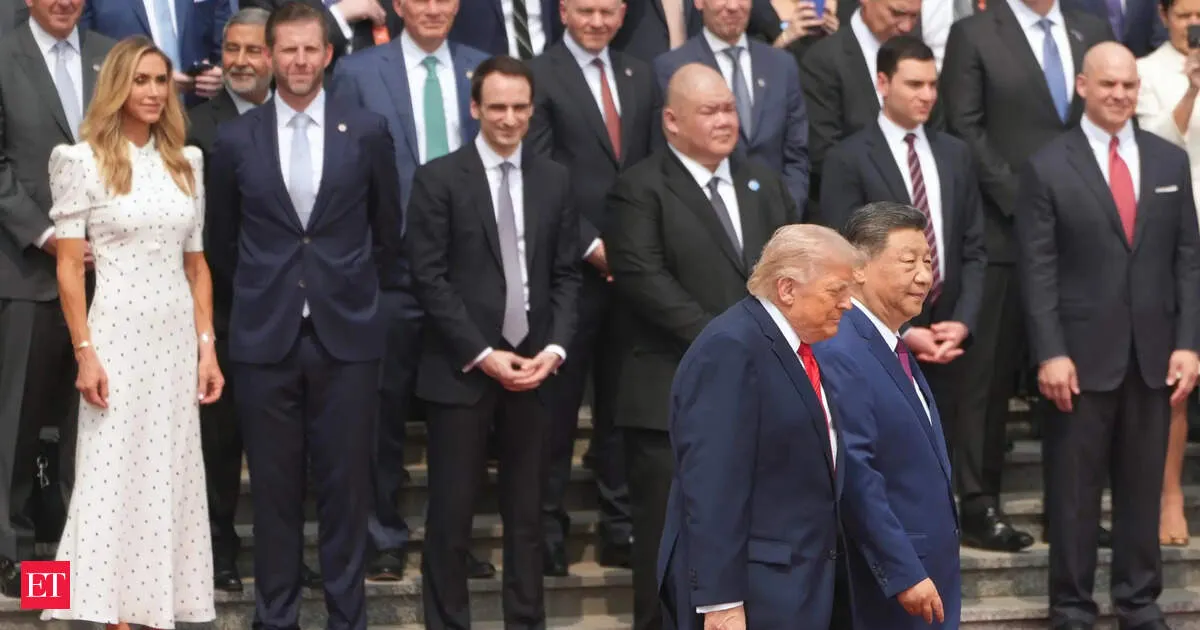
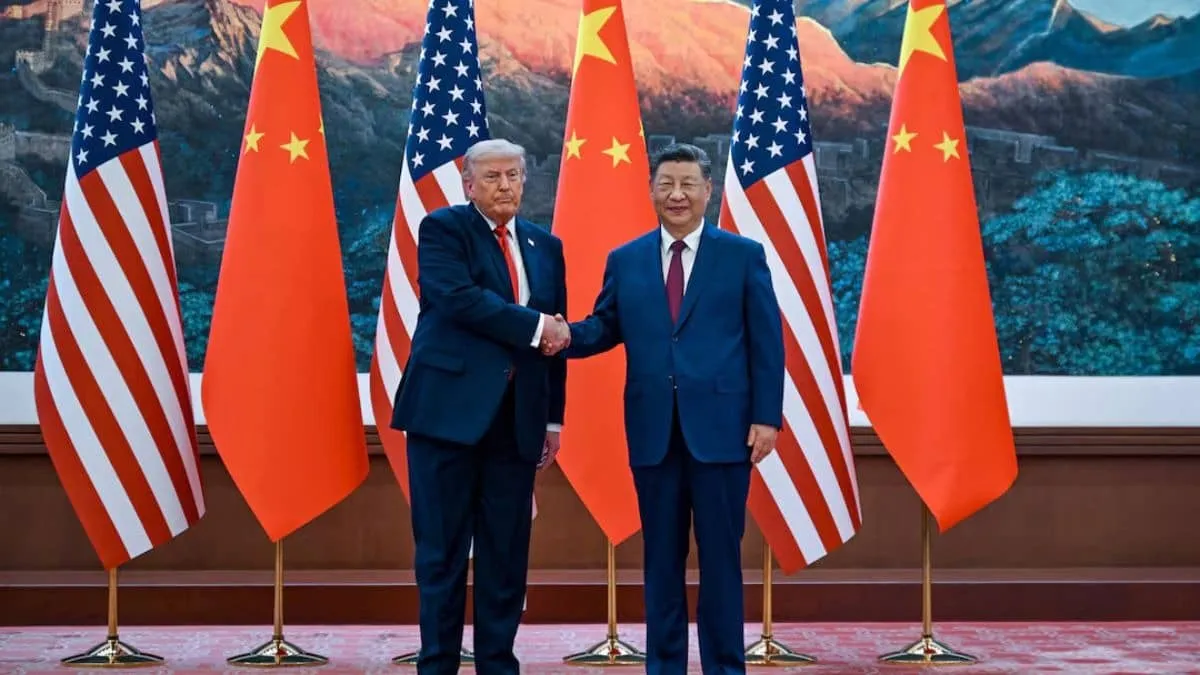
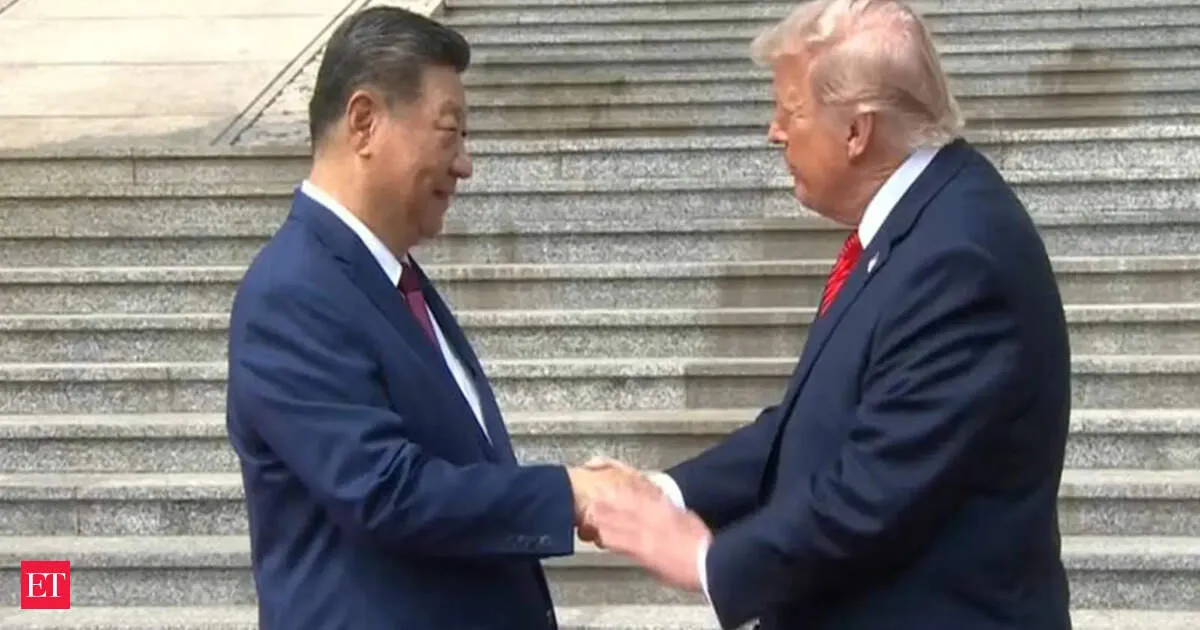
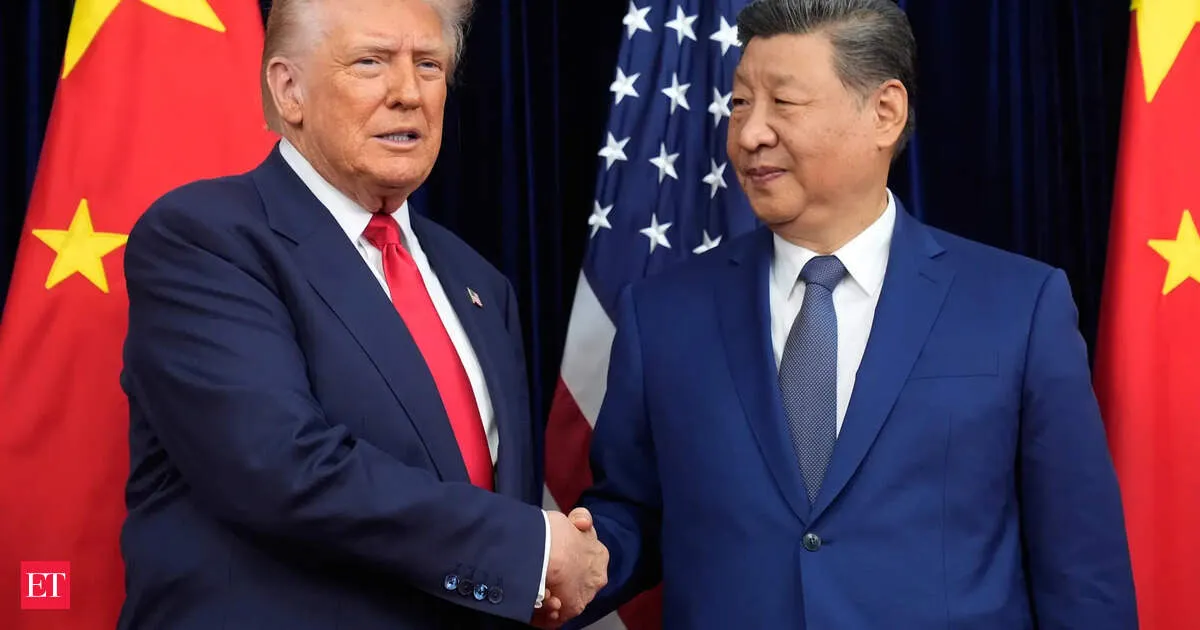
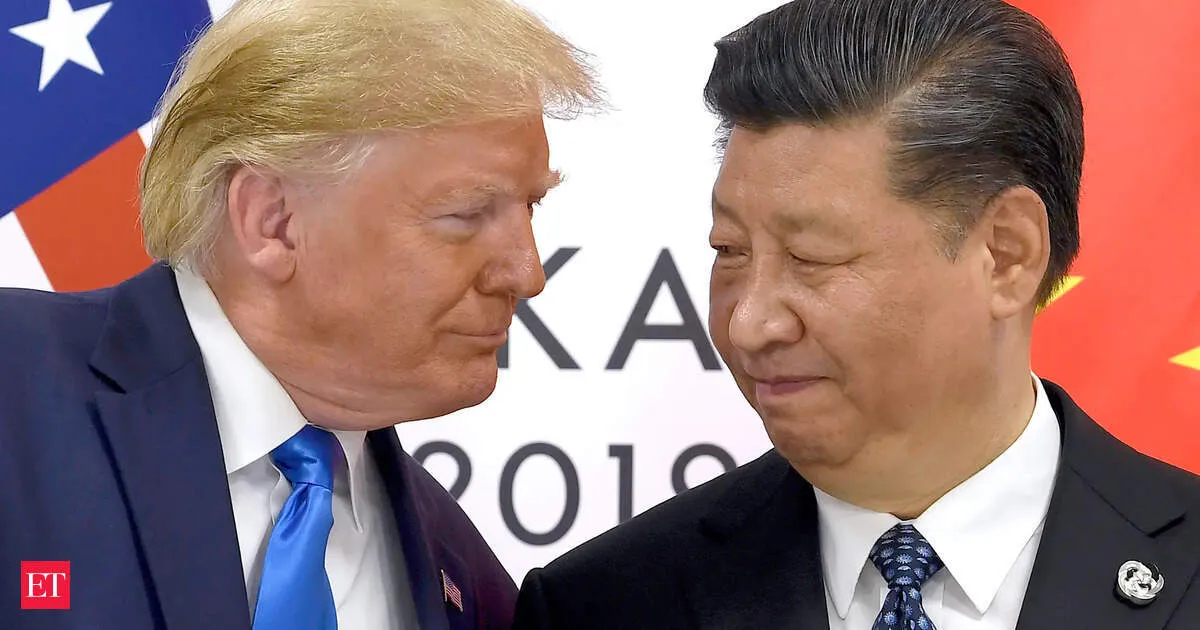
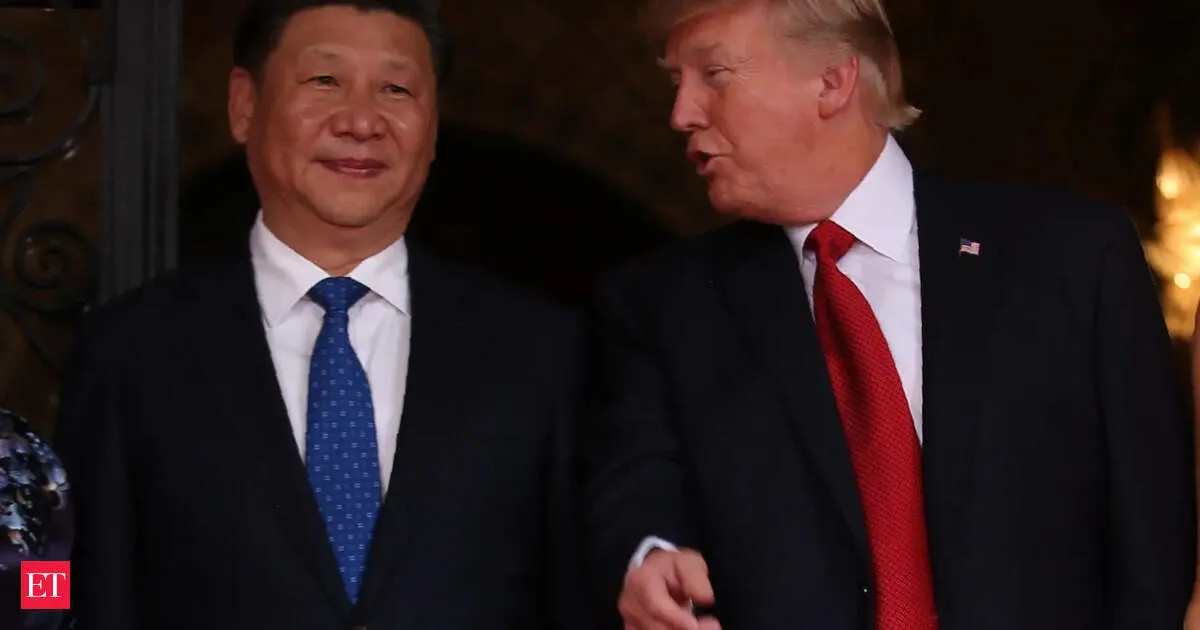
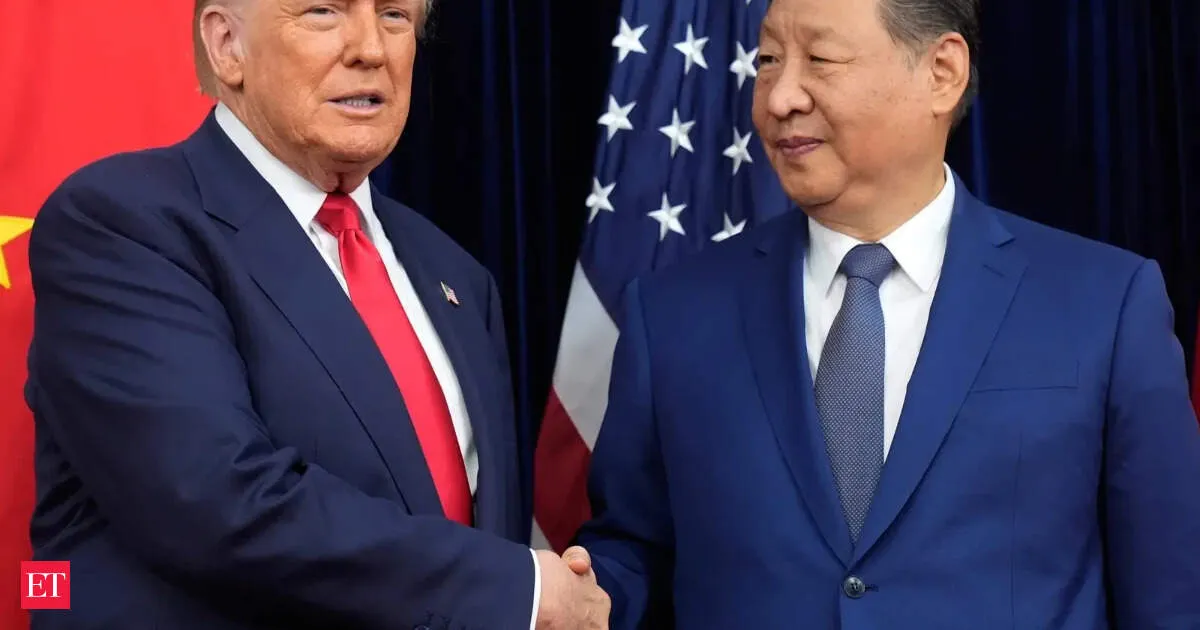
President Donald Trump’s Beijing visit delivered only modest summit deliverables, but it did reset the U.S.-China relationship into a familiar economic and strategic standoff. After last year’s trade war escalated with “Liberation Day” tariffs, the two leaders’ two-day talks with Xi Jinping signaled a return to “constructive strategic stability.” Key issues—U.S. concerns over trade practices and Indo-Pacific military buildup—went largely unaddressed, leaving China a fragile truce and the U.S. limited gains.
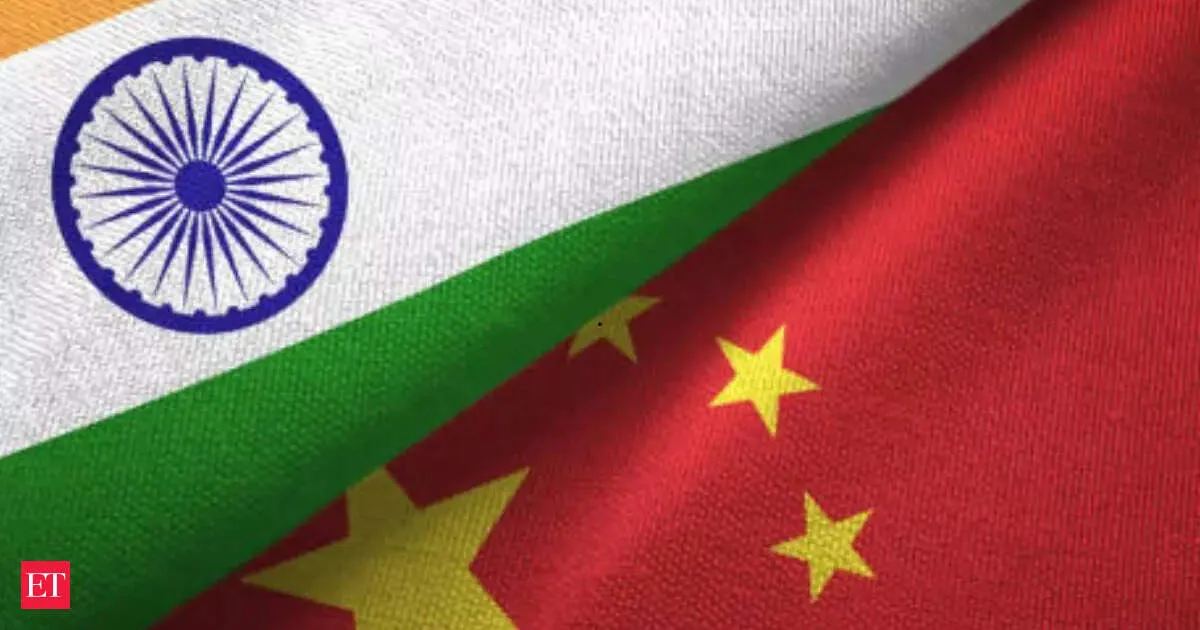
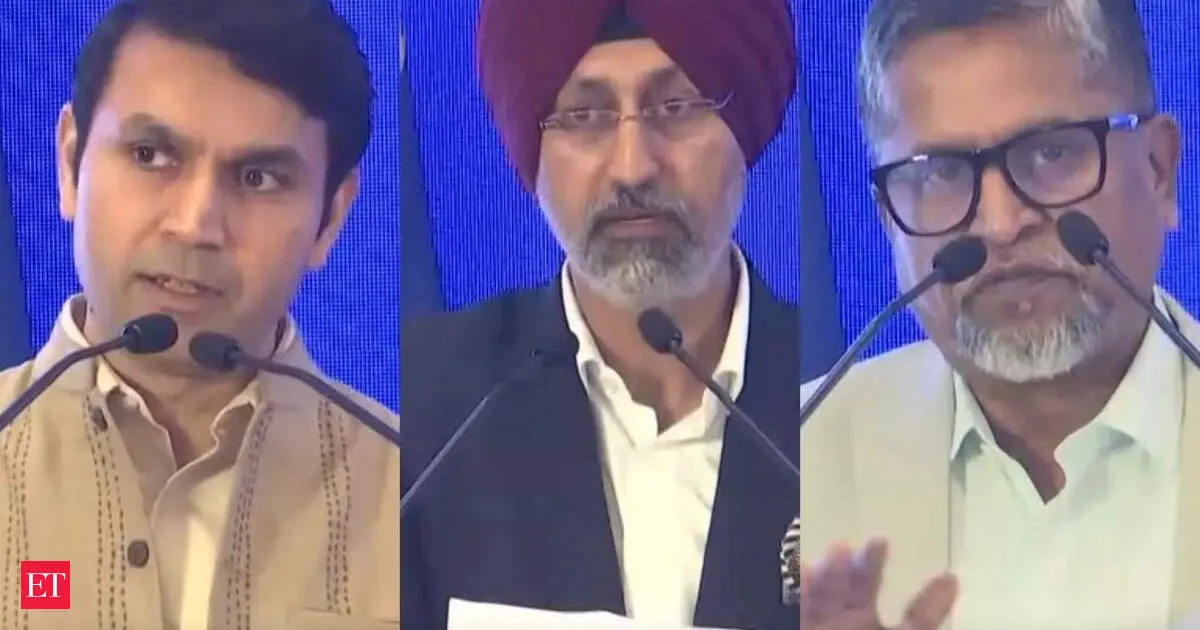
Indian and Chinese industry representatives met in Shanghai, hosted by the Consulate General of India, to discuss strengthening bilateral economic cooperation focused on trade, investment, and technology. Consul General Pratik Mathur highlighted India’s “Viksit Bharat” and “Atmanirbhar Bharat” priorities, including resilient supply chains, ease of doing business, digital public infrastructure, and manufacturing competitiveness via Production Linked Incentive schemes. Eastern China was flagged as a key partner for industrial ecosystems, investment scaling, and technology collaboration, with interest across advanced manufacturing, green tech, digital economy, healthcare, and infrastructure.
Your news, in seconds
Get the Beige app — every story in 60 words, updated hourly. Free on iOS & Android.
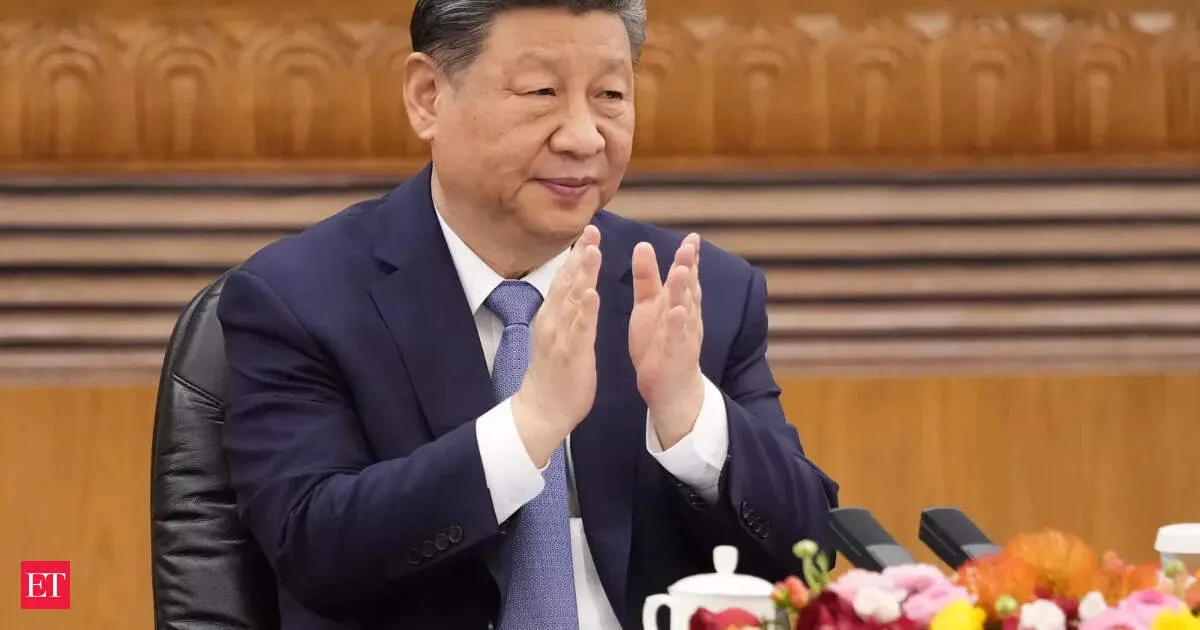
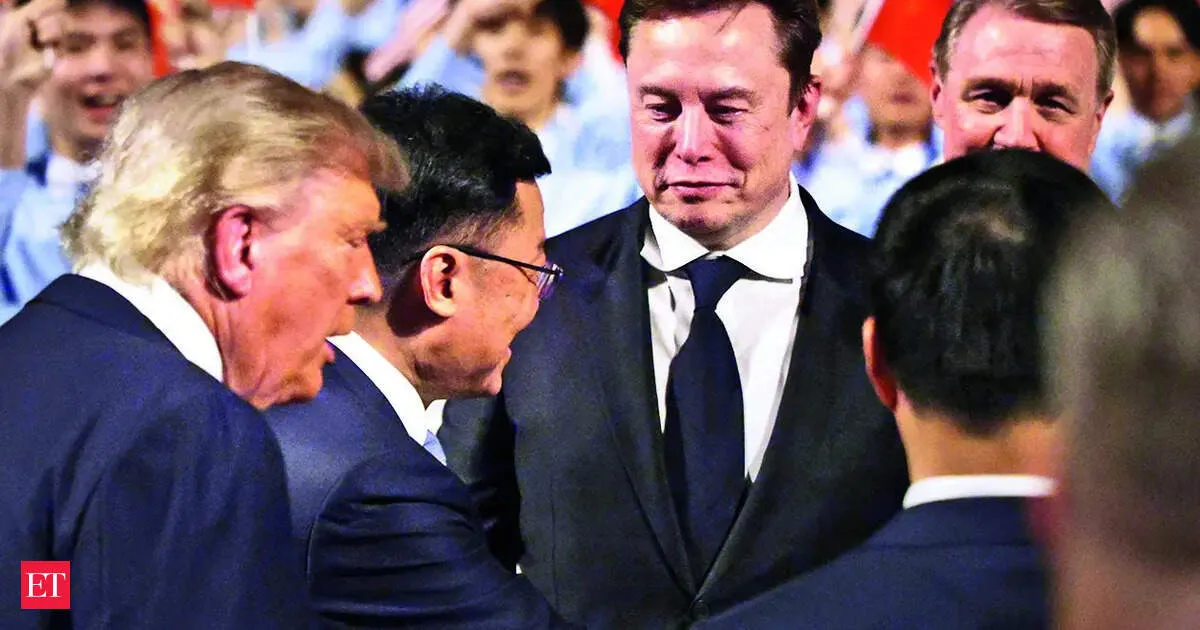
Chinese President Xi Jinping met a delegation of U.S. chief executives in Beijing, telling them China’s door would open wider and that American companies would find broader prospects. The session, reported by Xinhua and CCTV, included prominent leaders such as Elon Musk, Nvidia’s Jensen Huang, and Apple’s Tim Cook at the Great Hall of the People. The meeting follows President Donald Trump’s earlier push for Xi to “open up” China during their summit, setting the stage for renewed business engagement.
U.S. President Donald Trump began two days of talks with China’s Xi Jinping in Beijing, his first trip to China since 2017. The agenda spans a fragile trade truce, the Iran war, and U.S. arms sales to Taiwan. Trump arrived with added political pressure from Middle East-related strains on his approval ratings, while Xi faces fewer domestic constraints. Officials say both sides hope to preserve last October’s tariff and rare-earth understandings as they also explore AI and investment cooperation.
A Rubix Data Sciences report says Trump and Xi’s US China summit will be dominated by trade and technology, with semiconductors, rare earth minerals, aerospace, and farm goods shaping the agenda. The US is expected to seek higher Chinese purchases of aircraft, soybeans, and beef, while China is likely to press for relief from US restrictions on advanced chip-making. Semiconductor exports fell from $12 billion in 2021 to $5 billion in 2023, then recovered to nearly $10 billion in 2025. Rare earth imports also fluctuated sharply, reflecting leverage and supply-chain risk. Overall trade has been shrinking.
India’s Commerce Ministry says the India-EU Free Trade Agreement will cover nearly one-third of global trade and potentially affect about 2 billion people, calling it one of the biggest deals ever. Officials describe it as “mother of all deals,” reaching almost one fourth of global GDP and around $11 trillion in trade. The pact goes beyond tariffs, including services, digital trade, telecom, financial services, IP and regulatory practices. Businesses also flagged automotive tariff reductions and asked for clear rollout timelines.
Never miss a story
Set alerts for the topics and sources you care about. Download Beige for free.
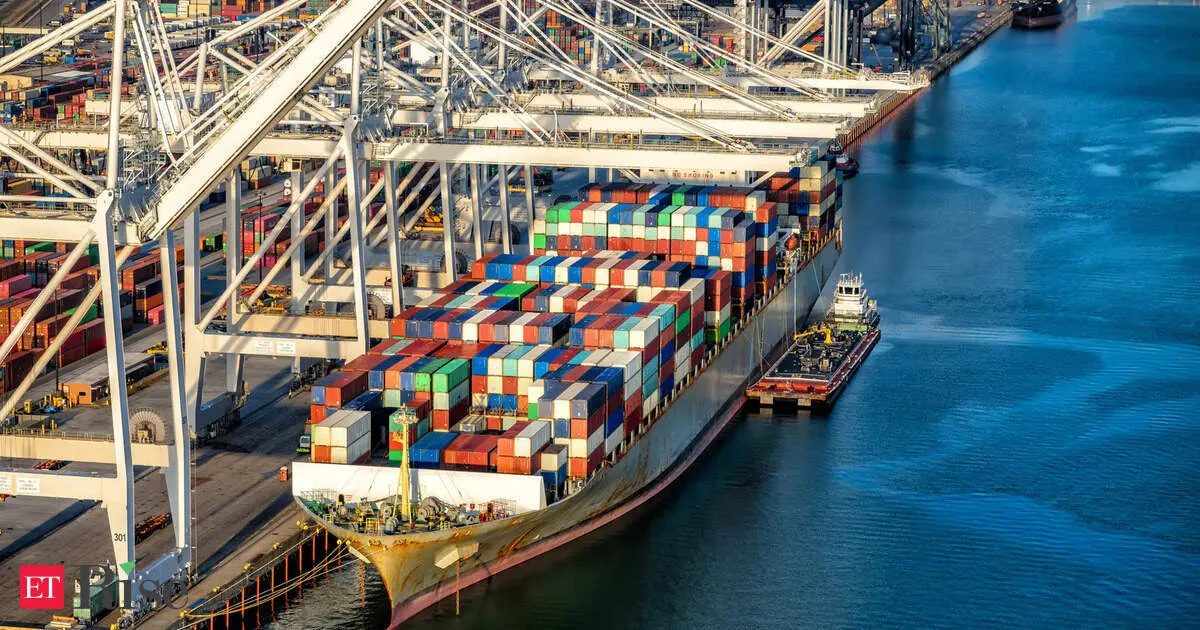
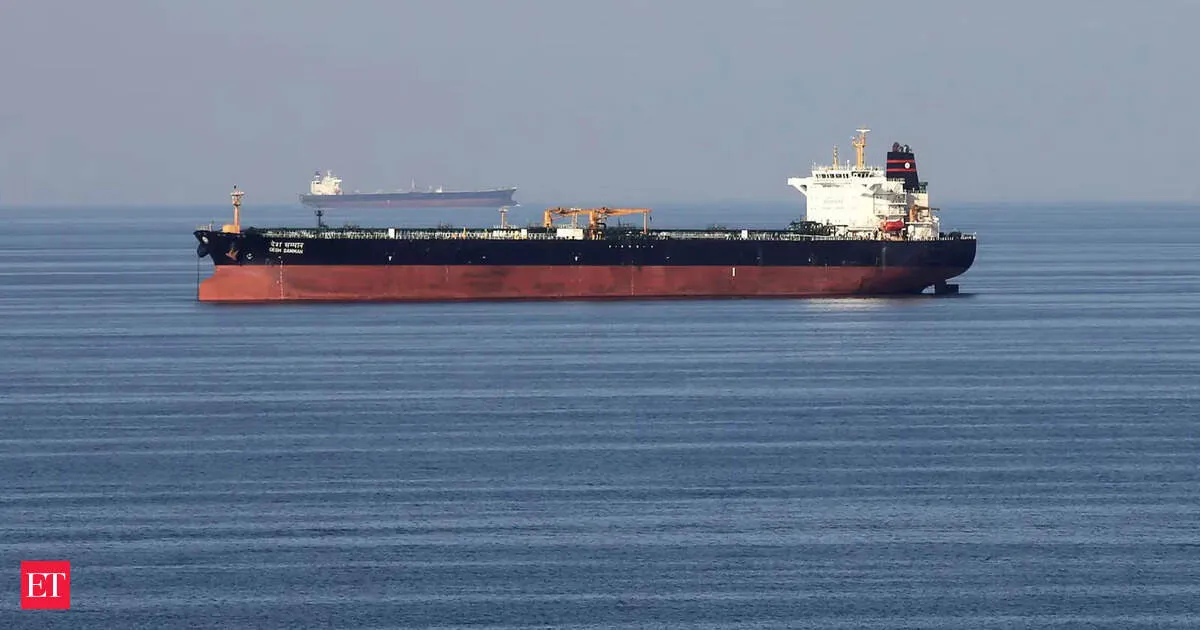
Supply-chain stress is rising again, with logistics costs and delivery times climbing toward multi-year highs. The renewed disruption is starting to worry central banks, because higher transport expenses can quickly feed into consumer prices. With pressure building across trade and delivery signals, inflation risks may re-emerge just as policymakers thought the worst was behind them.
The US and China are preparing a managed trade framework focused on non sensitive goods, potentially reducing tariffs on about 30 billion dollars worth of products. The approach is designed to expand commerce while protecting national security concerns. US business leaders are joining President Donald Trump in Beijing for the key summit where the plan is expected to advance.
US and China are reportedly considering a managed trade framework that could reduce tariffs on about $30 billion of imports. The move aims to boost trade activity and smooth commerce while still addressing national security concerns. Negotiations focus on everyday products, suggesting a practical shift rather than a purely symbolic trade gesture.
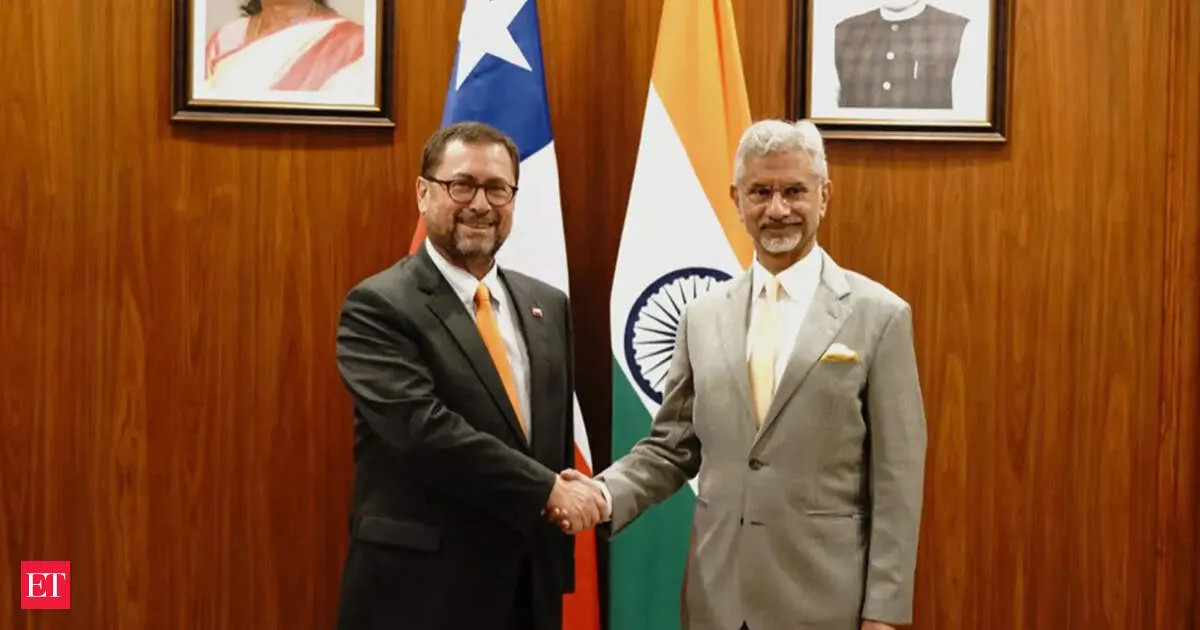
External Affairs Minister S Jaishankar met Chile’s Foreign Minister to widen cooperation focused on diversifying markets and boosting exports. Commerce Minister Piyush Goyal also reviewed progress on a Comprehensive Economic Partnership Agreement aimed at expanding trade and investment between India and Chile. Both sides signaled momentum toward a stronger economic partnership.
Reading on mobile?
Open Beige in the app for a smoother experience — free on iOS and Android.
India has launched the Bharat Maritime Insurance Pool, a 1.5 billion initiative designed to strengthen domestic maritime trade by cutting reliance on foreign insurers. The pool comes with a sovereign guarantee meant to keep insurance coverage continuous for vessels. First insurance covers have already been issued to key entities, signaling immediate support for India’s expanding maritime sector.
Market watchers expect a farm deal at the upcoming U.S.-China summit that may expand Beijing’s purchases of grains and meat. Yet analysts say big new soybean purchases are unlikely beyond last October’s agreement, citing weak domestic demand and cheaper substitutes. Attention is shifting to possible commitments for corn, sorghum, milling wheat, beef, and poultry.
Portugal’s Minister of State for Economy says his country is ready to play a bigger role in India’s infrastructure and manufacturing agenda as trade relations grow. He points to opportunities across renewable energy, IT, textiles, and advanced manufacturing, urging joint ventures and technology transfer to deepen collaboration and accelerate business on both sides.
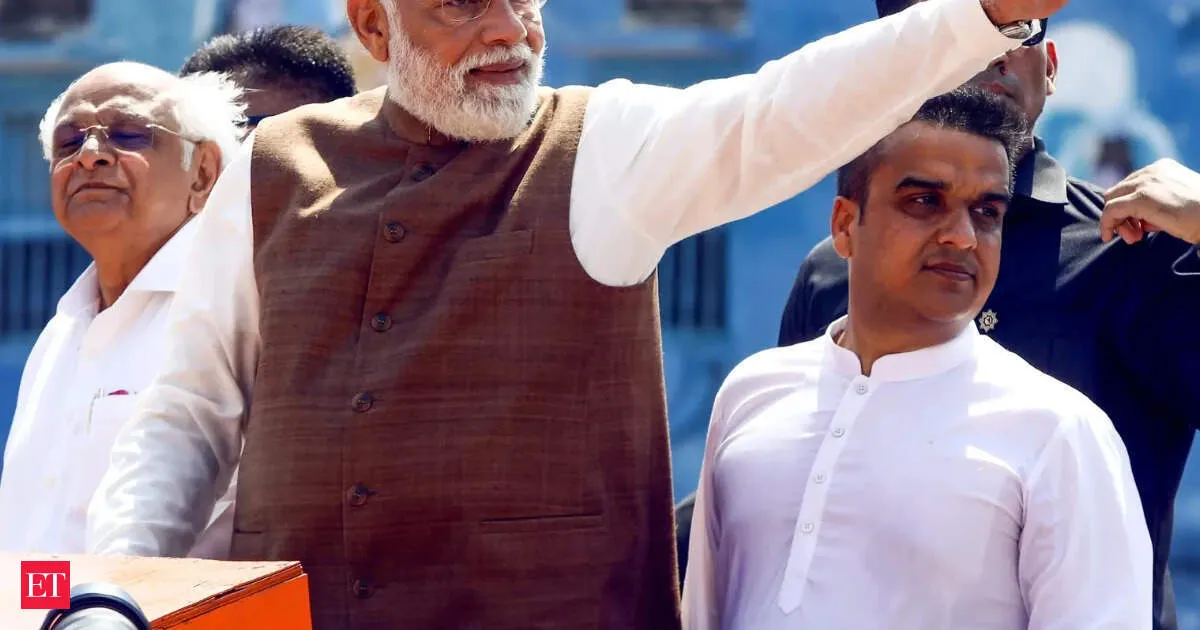
Prime Minister Narendra Modi will travel from May 15 to May 20, meeting leaders in the UAE, Netherlands, Sweden, Norway and Italy. The tour is designed to strengthen trade relationships, expand cooperation in energy, and build broader strategic partnerships across Europe and the Middle East, signaling a focused push on economic and sectoral collaboration.
Follow your favourite sources
Track sources, tags and categories — all in the Beige app.
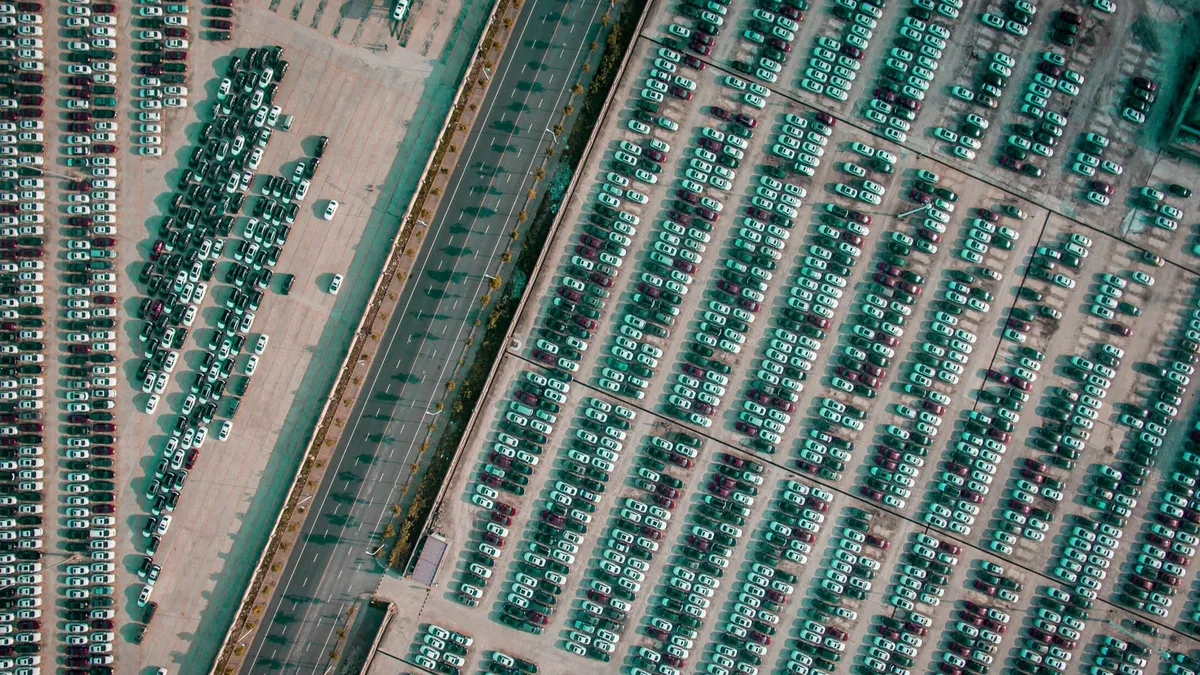
Ahead of President Donald Trump’s meeting with Xi Jinping, Detroit’s automakers, unions, and bipartisan lawmakers are urging a hard line: reject any arrangement that would give Chinese car brands access to the U.S. market. The push reflects fears of renewed competition, jobs pressure, and leverage shifts—especially if the two leaders trade economic concessions around autos.
U.S. industry groups and bipartisan lawmakers are urging President Trump not to allow Chinese auto investments ahead of his summit with Xi. They cite fears of Chinese firms gaining market dominance and potential data-security risks. With Chinese EV makers expanding in Europe and Mexico through low prices, U.S. stakeholders warn U.S. production could take a major hit.
President Donald Trump will visit China from May 13 to 15 at Xi Jinping’s invitation. The state visit is expected to focus on Iran and broader trade issues, as the two leaders meet to align positions on pressing international challenges and economic cooperation. The trip is set to test whether both sides can narrow gaps while addressing destabilizing regional concerns.
India is drafting an FTA utilisation plan to ensure businesses fully benefit from fresh trade agreements with the UK, EU, US, UAE and Australia. Commerce Minister Piyush Goyal has met exporters, industry bodies and officials to improve how these pacts are used. The agreements span 38 countries with combined imports of about USD 12 trillion.
Stay informed on the go
Bite-sized news from 100+ trusted sources, right in your pocket.
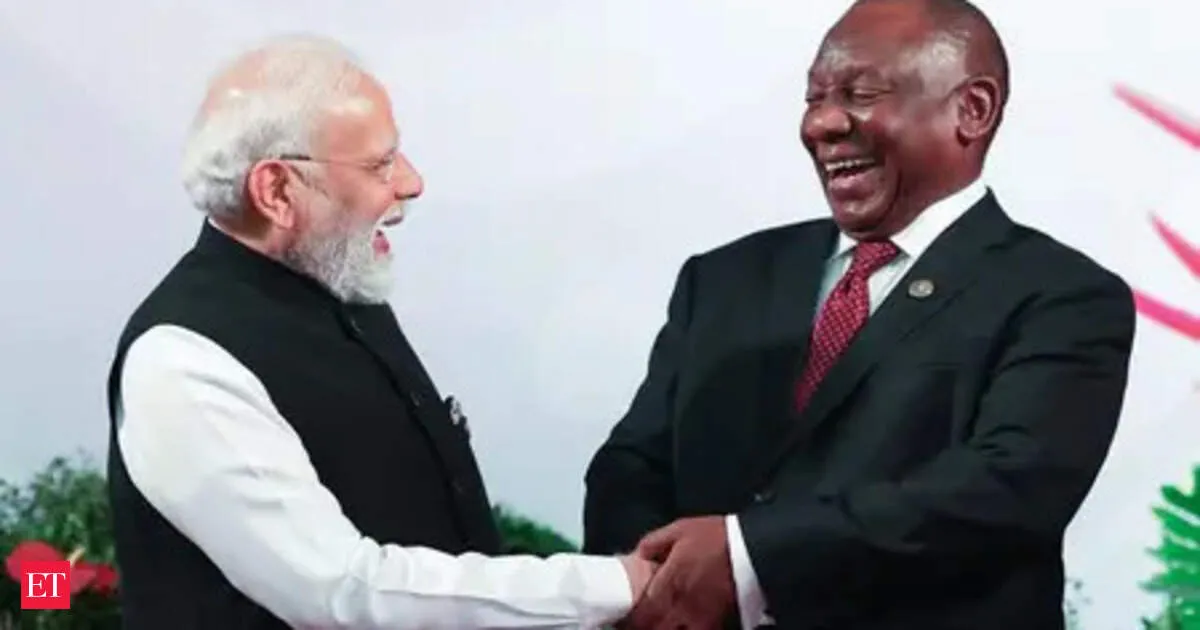
India will host a major summit on May 31 to deepen partnerships with African nations, with discussions spanning economy, trade, health, and technology. Leaders are expected to agree on a fresh roadmap for shared growth, aligning India’s development vision with Africa’s Agenda 2063. The talks aim to translate cooperation into concrete next steps across key sectors.
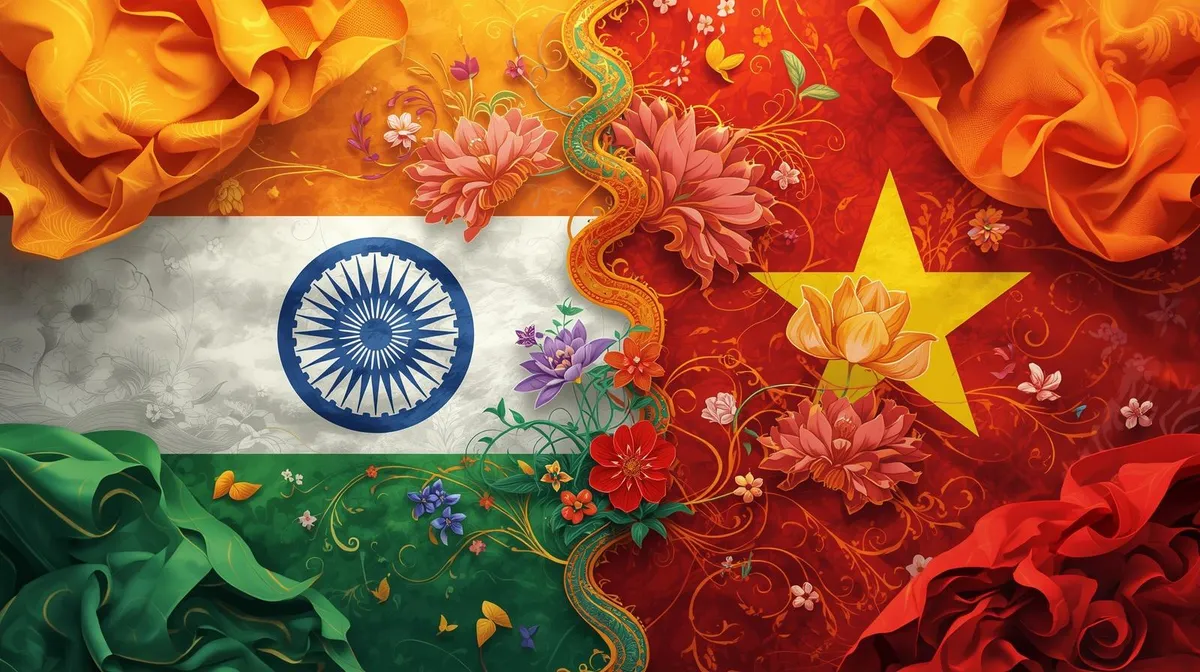
India and Vietnam upgraded ties to an Enhanced Comprehensive Strategic Partnership as President To Lam visited New Delhi. Modi and To Lam set a USD 25 billion bilateral trade target by 2030 and signed 13 MoUs spanning defence, rare earths, digital payments, pharmaceuticals, and emerging tech. The package also moves agricultural access, including durian and grape openings.
Swipe through stories, personalise your feed, and save articles for later — all on the app.