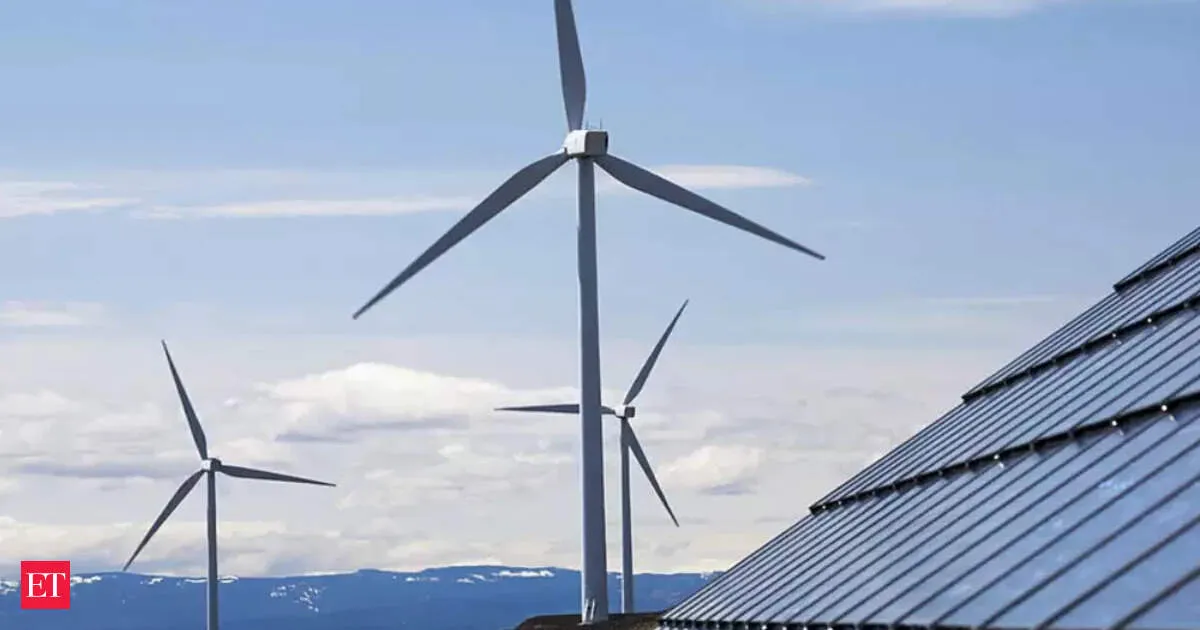
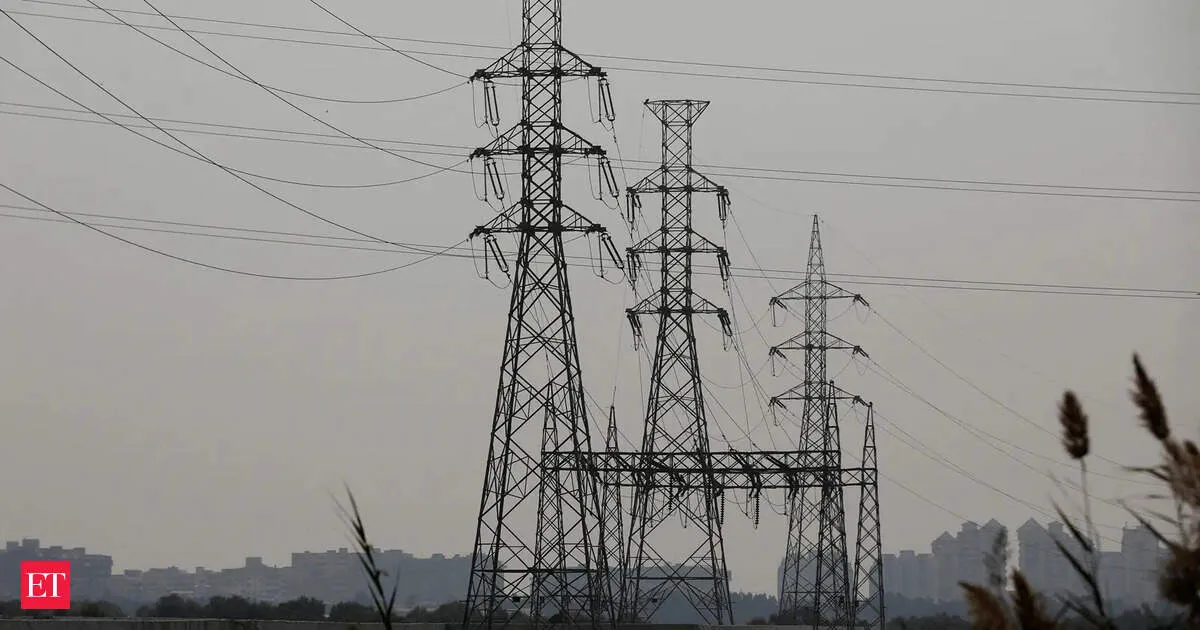
India is targeting 1,800 GW of renewable energy by 2050, but officials say it will only work with a “super grid” approach modeled on China. The government’s plan includes spending about $574 billion by 2030 on high-voltage transmission lines. Policymakers are also pushing states to secure equipment and storage to smoothly integrate more renewable power and reduce evacuation delays.
India’s power debate is shifting from “enough electricity” to “reliable electricity” during non-solar hours. Citi warns that fast renewable growth strains evening and night demand, exposing gaps in transmission and storage. Battery storage and flexible thermal generation could become essential, while delays in adding capacity may trigger new shortages. Coal remains key for stability.
Your news, in seconds
Get the Beige app — every story in 60 words, updated hourly. Free on iOS & Android.
India’s power sector is set for sustained growth, with Citi projecting a 5–6% CAGR in the medium term. The bullish outlook is driven by electrification demand and rising load from data centers and cooling, alongside manufacturing expansion. Citi flags the start of India’s first multi-vector capex upcycle covering thermal, renewables, transmission and grid storage.
Swipe through stories, personalise your feed, and save articles for later — all on the app.