The Centre has allocated Rs 4,900 crore to Arunachal Pradesh under the new Pride of Hills scheme. The funds are meant to address key infrastructure and development gaps, with a focus on improving connectivity in remote areas. Chief Minister Pema Khandu thanked the government, saying the initiative will support long-term economic growth across the state.
Care Ratings says the upcoming Union Budget will aim to lift consumption by increasing welfare allocations and funding rural economic initiatives. It expects revenue expenditure to jump by about Rs 75,000 crore versus prior interim budgets, with higher support for employment guarantee schemes, PM Awas Yojana housing, PM Gram Sadak Yojana rural infrastructure and measures for labor-intensive small businesses.
Your news, in seconds
Get the Beige app — every story in 60 words, updated hourly. Free on iOS & Android.
Ahead of the Union Budget on February 1, the government is considering changes to an “inverted duty structure” affecting 13 to 14 products. In some cases, taxes on inputs are higher than on finished goods, inflating costs for manufacturers and weakening competitiveness. The Commerce Ministry has flagged the issue to the Finance Ministry, urging reform to support local manufacturing.
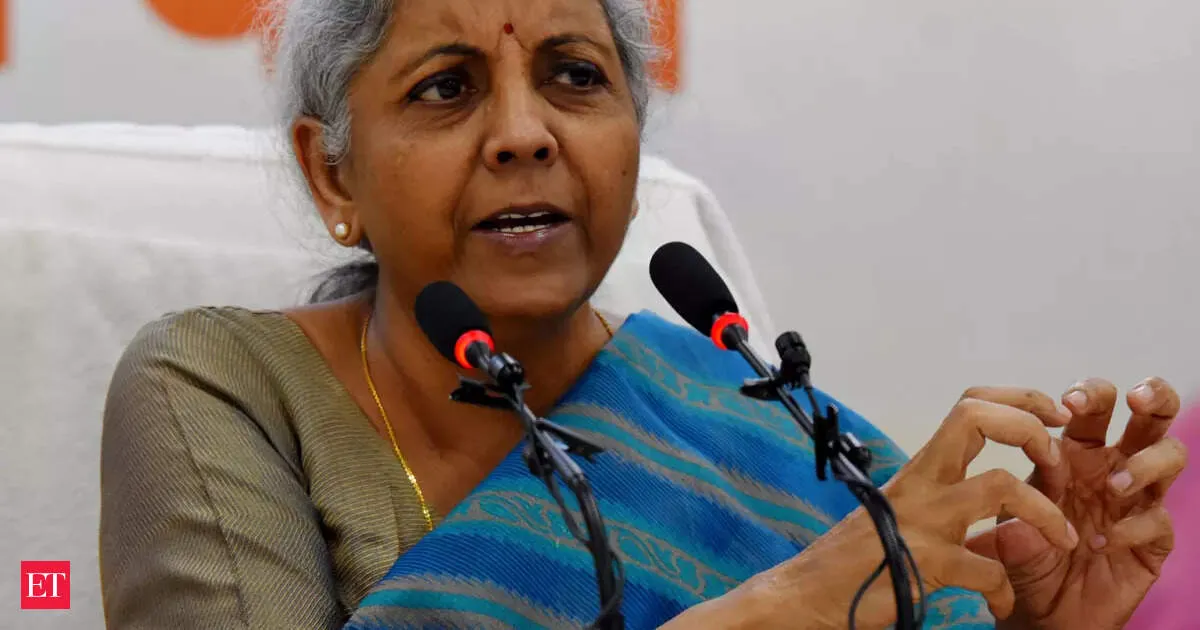
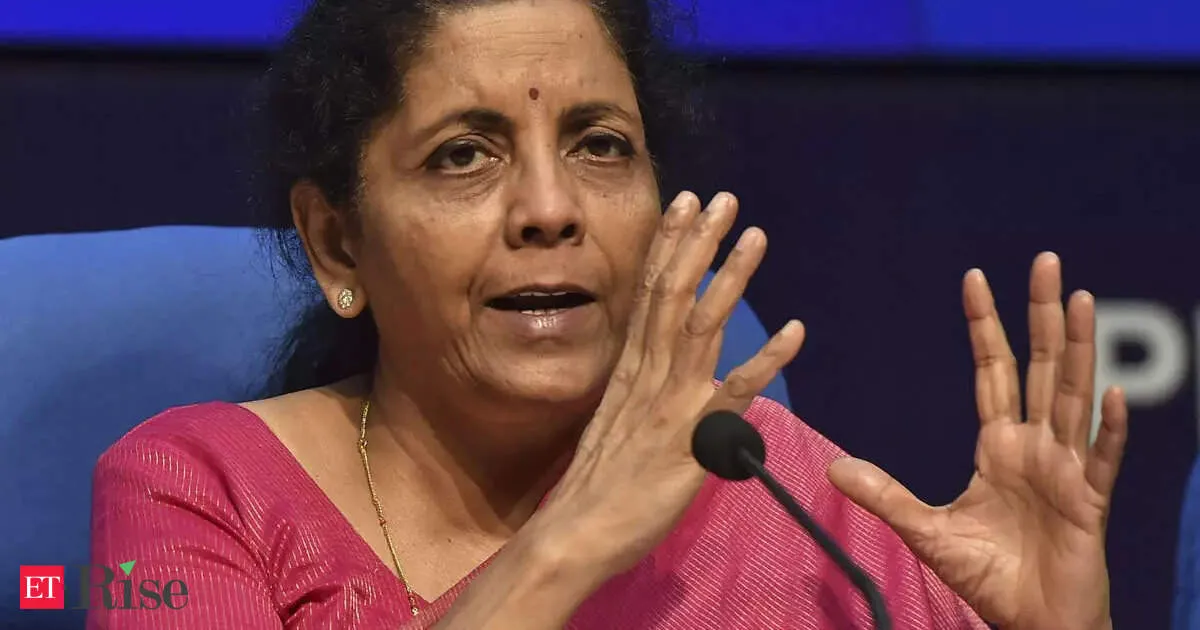
Finance Minister Nirmala Sitharaman said India’s PLI scheme is designed to attract global firms by rewarding players with scale while strengthening both the domestic market and exports. Speaking at the M V Kamath Centenary Memorial Lecture, she argued that the government’s economic approach follows consistent short- and medium-term policy set within a long-term vision outlined in the Budget presented on February 1, 2021.
A CoinSwitch survey ahead of India’s Union Budget finds 61% of crypto investors want taxation aligned with stocks or mutual funds, while 17% favour a separate framework. Despite mixed preferences, 66% describe the current regime as unfair, pointing to the need for clearer, more rational rules that better match how investors view crypto assets.
The Union Budget makes tax collection simpler by revising Tax Collected at Source (TCS) rates and easing parts of the TDS framework. A key relief comes from a lower 2% TCS on education, medical, and tour packages below ₹10 lakh—expected to reduce upfront payments for overseas travelers, students, and people arranging medical treatment abroad.
Never miss a story
Set alerts for the topics and sources you care about. Download Beige for free.
Union Budget 2026-27 aims for fiscal prudence while preserving growth, with deficit consolidation continuing and capital expenditure sustained. Although markets reacted cautiously to the STT increase, the government also signaled broader market reforms, including buyback easing, PIS liberalisation, bond-market development, and targeted support for sunrise sectors to strengthen long-term competitiveness.
Indian benchmark indices opened lower on Friday, pointing to an absent Santa rally as momentum remains weak and foreign fund outflows continue. Nifty slipped at the start of trade, with experts suggesting the market’s trajectory could improve later as the 2026 Union Budget, future trade deals/FTAs, and company earnings collectively drive gains into the first quarter of CY2026.
FACSI has asked the Centre to give micro and small enterprises stronger support in the 2026 27 Union Budget, calling for GST relief, easier credit, and faster access to finance. It also wants a dedicated advisory council for MSMEs and simpler GST return processes, arguing that reducing compliance and funding friction could boost survival and growth.
Ahead of the Union Budget process, the Finance Ministry has invited suggestions from industry and trade bodies on possible changes to duty structures, tax rates, and the broadening of the tax base. The communication covers both direct and indirect taxes and asks stakeholders to provide economic justifications for proposed changes.
Reading on mobile?
Open Beige in the app for a smoother experience — free on iOS and Android.
Swipe through stories, personalise your feed, and save articles for later — all on the app.