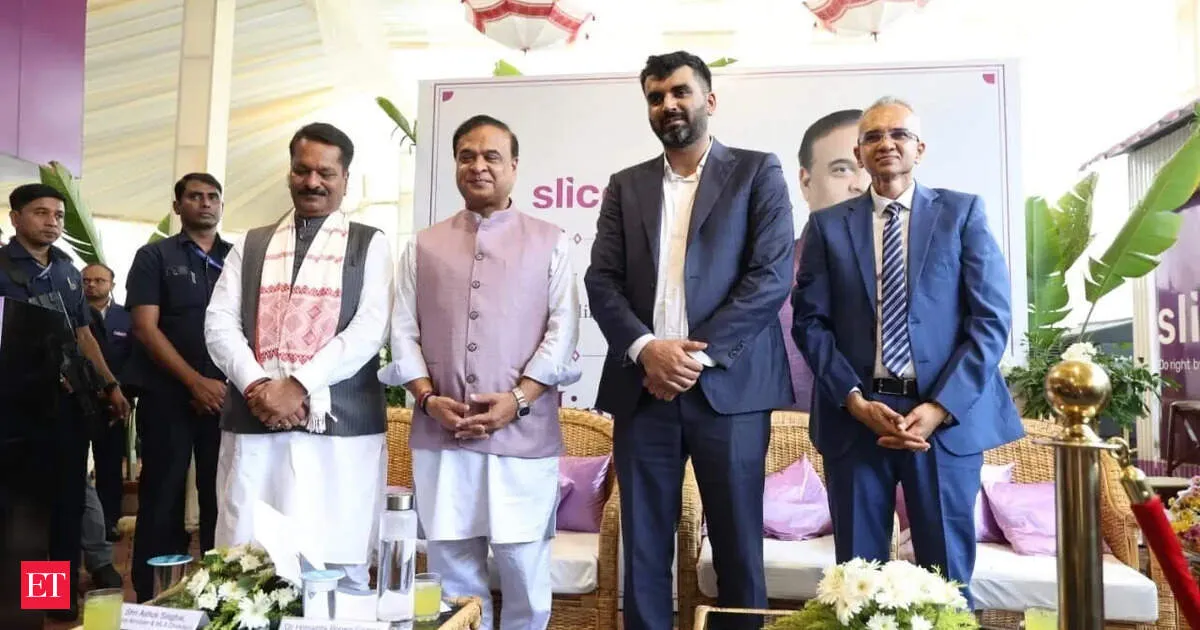
Assam Chief Minister Himanta Biswa Sarma inaugurated Slice Small Finance Bank’s India-first AI-powered “phygital” branch in Guwahati on GS Road. The next-generation banking setup blends physical trust with digital convenience using AI-enabled self-service kiosks, paperless cash deposits and withdrawals, and streamlined digital onboarding. The bank expects to expand access to responsible credit, savings and payments for individuals and small businesses, especially underserved communities, by pairing AI-driven convenience with trusted in-person support. Sarma said it reflects Assam’s readiness for technology-driven banking.
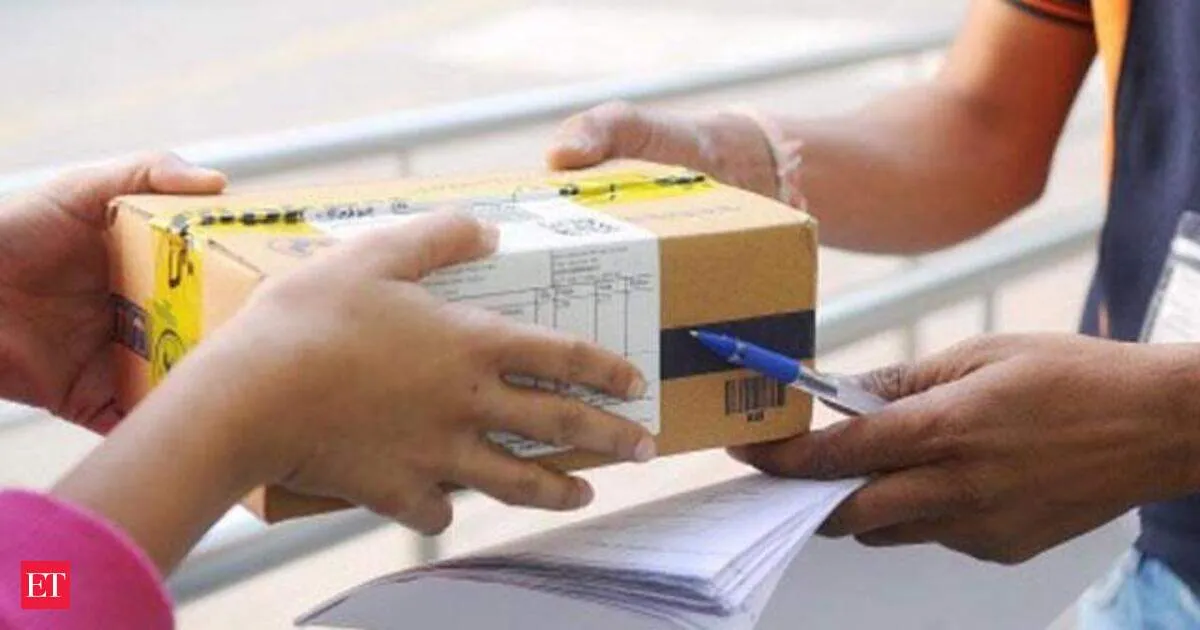
Cash on delivery remains central to India’s e-commerce even as UPI records soar, with industry estimates putting COD at close to half of all online orders. The article argues the real driver isn’t payment convenience but trust: first-time buyers in Tier-2 and Tier-3 areas fear delivery delays, wrong items, or refund hassles, so COD lets them inspect before paying. Businesses are now using data-based risk models, partial prepay, and verification to limit losses while keeping access for cautious shoppers.
Your news, in seconds
Get the Beige app — every story in 60 words, updated hourly. Free on iOS & Android.
India is developing Dhruva, a username-based digital addressing system led by India Post. If approved by the finance ministry, it would let people receive parcels, food, and services without sharing physical addresses, boosting privacy. The platform is designed to standardize delivery addressing nationwide, drawing inspiration from Aadhaar and UPI for wide-scale adoption.
India is set to use artificial intelligence to combat money mule banking and cyber fraud. Home Minister Amit Shah announced a partnership between the Indian Cyber Crime Coordination Centre and the Reserve Bank of India’s Innovation Hub, aimed at detecting and blocking suspicious accounts more quickly. The move is expected to strengthen consumer safety across UPI, online banking, and fintech platforms.
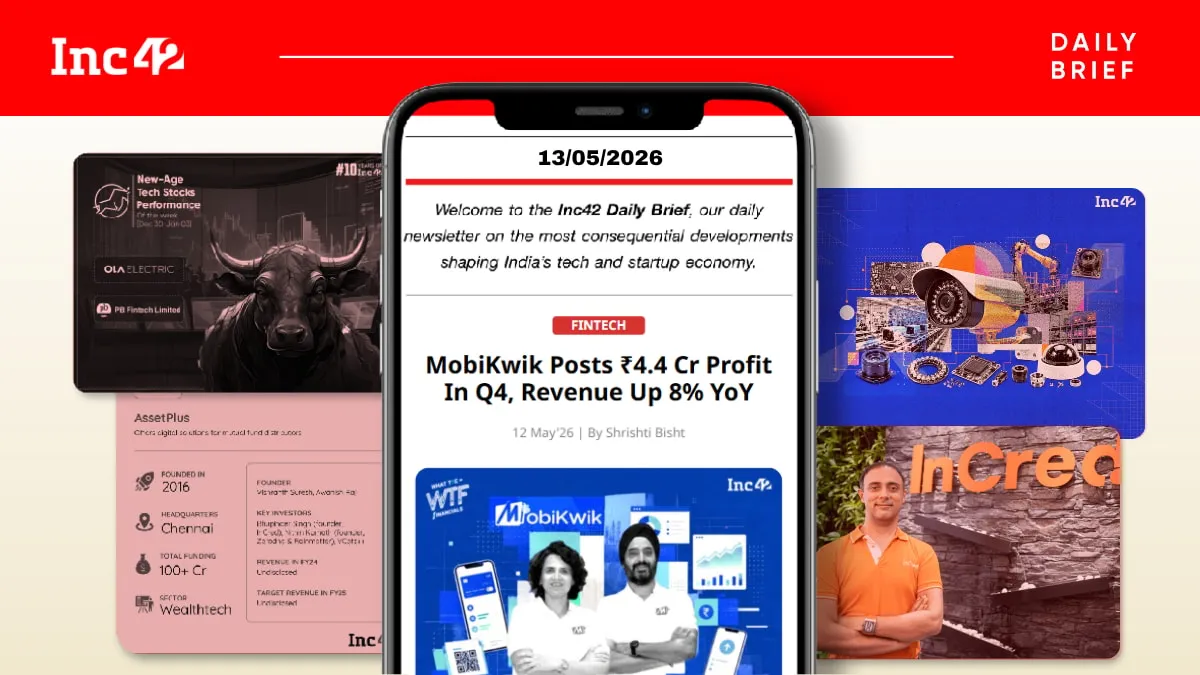
MobiKwik delivered a profitable Q4, posting ₹4.4 crore profit despite revenue contraction. Better payments margins—driven by lower gateway costs and higher-margin merchant activity—helped offset the drag from surging zero-MDR UPI volume. The company is also reshaping its mix with ZIP EMI lending and expanding merchant QR and POS investments. Separately, India’s CCTV shake-up is pushing AI camera and chip startups to fill the China gap.
India’s major digital gold platforms have formed a new self-regulatory organisation, DPMACI, aiming to tighten transparency and consumer protection. The council plans strict operational guardrails, mandating digital holdings be backed by physical metal in a 1:1 ratio, with periodic third-party audits. It also says it is building an ombudsman framework to resolve complaints within fixed timelines—amid ongoing regulatory scrutiny.
Never miss a story
Set alerts for the topics and sources you care about. Download Beige for free.
EPFO 3.0 is expected to let subscribers withdraw PF advances via UPI and ATMs by end of May 2026, cutting settlement delays from weeks to seconds. The upgrade is pitched as “instant” credit, but withdrawals through these digital channels will be capped at 50% and a 25% balance retention rule will still apply. EPFO says 95% of claims are already automated.
During peak tax season, NPCI has expanded the UPI payment limit for verified categories, including income tax, allowing transactions up to ₹5 lakh per day. While most users still face the standard ₹1 lakh daily UPI cap, the higher threshold aims to simplify digital tax compliance and reduce dependence on net banking for larger payments.
India’s economy is stuck in low trust and high friction, with complex KYC rules called out by Finance Minister Nirmala Sitharaman. The push now is to move to a trust based model that rewards responsible behavior. By using digital rails like Aadhaar and UPI, the country can cut verification costs, boost transparency, and build a clearer rules based system.
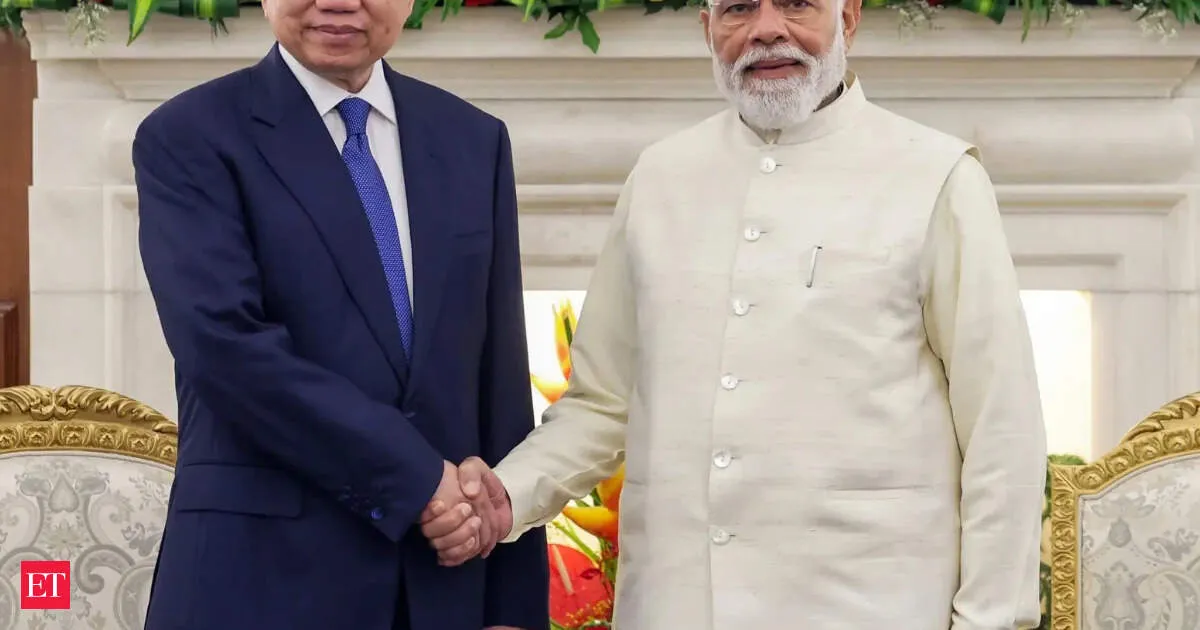
Prime Minister Narendra Modi announced a major upgrade in India and Vietnam ties, spanning critical minerals, rare earths, and energy security. Thirteen MoUs were signed across areas like digital technologies, pharmaceuticals, and tourism, while an agreement aims to connect India’s UPI with Vietnam’s payment network. The move is framed as boosting economic and defence cooperation for regional stability.
Reading on mobile?
Open Beige in the app for a smoother experience — free on iOS and Android.
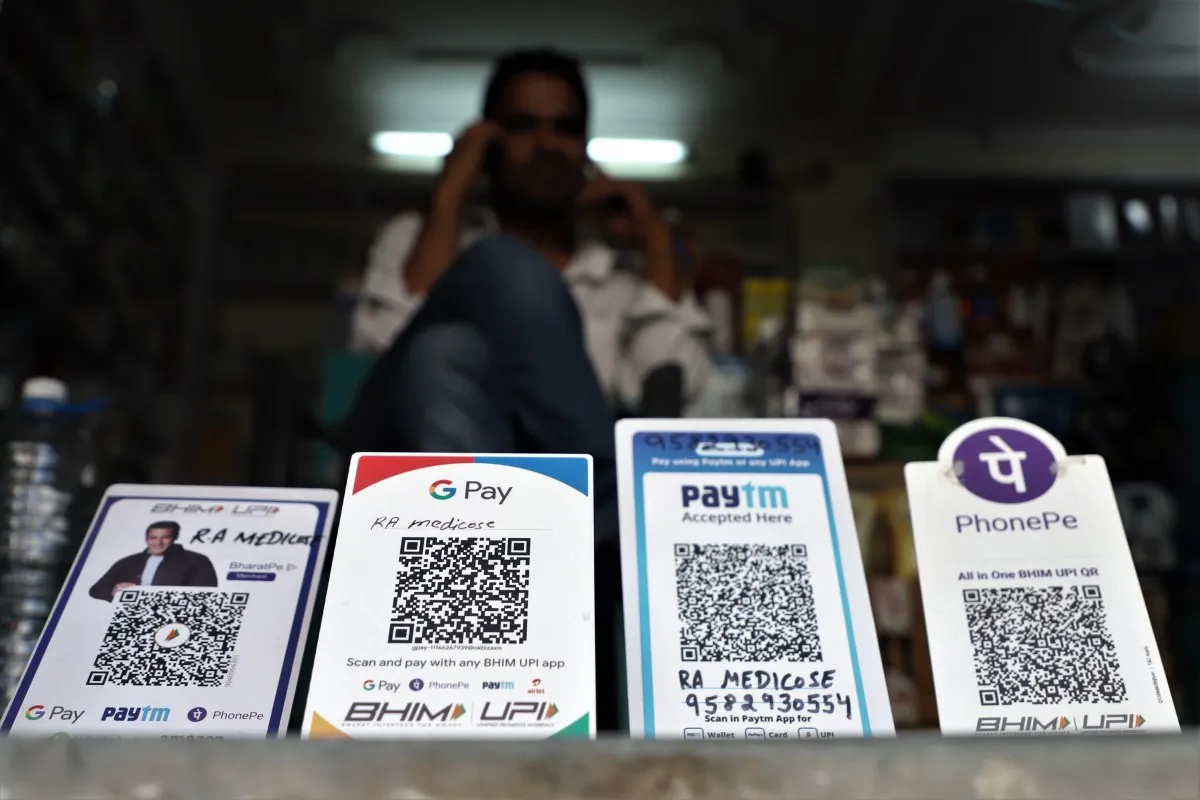
Smaller third-party UPI players plan to lobby NPCI for new limits on market leaders like PhonePe, Google Pay and Paytm. Their proposals include curbing aggressive user acquisition, tightening monetization and opening merchant services, arguing the long-delayed 30% market share cap hasn’t been implemented. The push could reshape how apps compete for UPI users and merchants.
India kicked off the new fiscal year with a broad-based consumption lift despite West Asia war tremors. April GST collections hit a record, passenger car sales rose sharply, and UPI-driven digital transactions expanded strongly. Together, these indicators point to resilient consumer and spending momentum, suggesting limited immediate fallout from the conflict—at least for now.
UPI logged a landmark performance in FY26, clocking over 24,162 crore transactions worth Rs 314 lakh crore. The steep rise underlines how digital payments have moved beyond big cities into everyday use across regions. With UPI becoming a default choice for millions, India’s cashless ecosystem is expanding steadily and reshaping daily spending habits.
UPI transactions dipped 1.3% month-on-month to 22.35 billion in April, down from 22.64 billion in March, according to NPCI data. The transaction value also eased to ₹29.03 lakh crore from ₹29.53 lakh crore. Yet on a year-on-year basis, transactions climbed 25% and value rose 21%. Average daily count and value both increased MoM as NPCI held talks with smaller ecosystem players.
Follow your favourite sources
Track sources, tags and categories — all in the Beige app.
UPI marks its 10th year since launch in April 2016, growing from 2 crore to 24,162 crore transactions and handling a massive share of real-time payments worldwide. Finance Ministry data says 703 banks are now live and UPI processes around 66 crore transactions daily. The IMF has also described UPI as the world’s largest real-time payment system.
PayU is accelerating an AI-led payments strategy to support agentic commerce as UPI usage and digital transactions continue to climb. The company says it’s investing in automation alongside trust and compliance layers, enabling faster, high-frequency payments. AI use cases are expanding across merchant onboarding, risk management, and customer support as it scales operations.
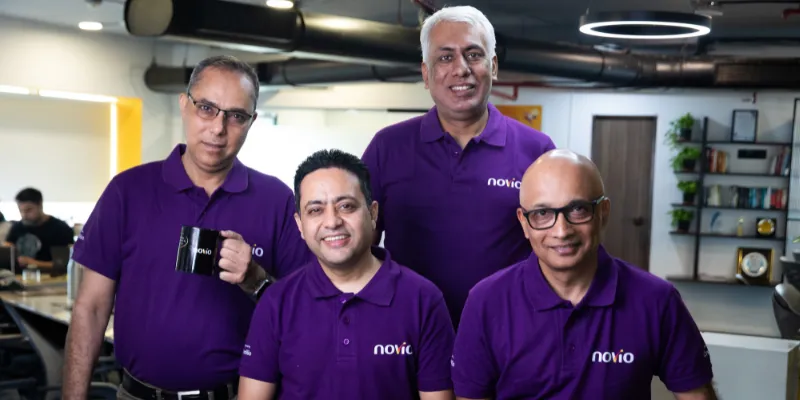
Fintech startup Novio has raised Rs 100 crore in a Series A led by Cornerstone Ventures, with support from several investors including Shepherd’s Hill Private Equity and Innoven Capital. The funding will expand its distribution into Tier II cities, accelerate product development, and build AI credit advisory features on its UPI-linked credit card platform. Novio claims it has crossed one lakh active cardholders.
Amazon and Meta are joining rivals in a regulatory push to curb the dominance of Google Pay and PhonePe in India’s UPI instant payments market. Together they account for about 80% of transaction volume, and competing players are planning meetings with regulators to lobby for restrictions that could reshape how the payment system operates.
Stay informed on the go
Bite-sized news from 100+ trusted sources, right in your pocket.
Smaller UPI players are set to meet NPCI, arguing that the rapid rise of leaders like PhonePe, Google Pay and Paytm needs a fairer framework. In the same tech update, WhatsApp reportedly tightens defenses against scams—raising pressure on platforms and payments ecosystems to improve safeguards while competition heats up.
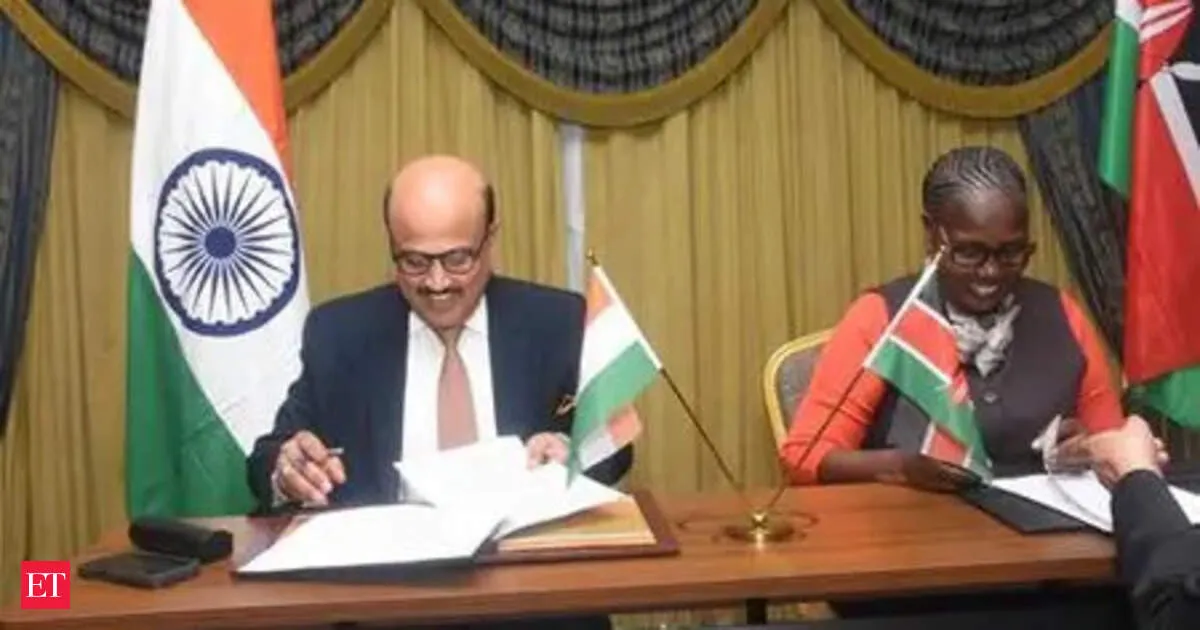
India and Kenya are exploring a shift toward settling bilateral trade in their own local currencies, cutting reliance on third currencies. The talks in Nairobi also covered digital payment rails such as UPI. During a joint trade committee meeting, both sides signed an agreement to exchange customs information and outlined steps to further grow fast rising bilateral trade.
Swipe through stories, personalise your feed, and save articles for later — all on the app.