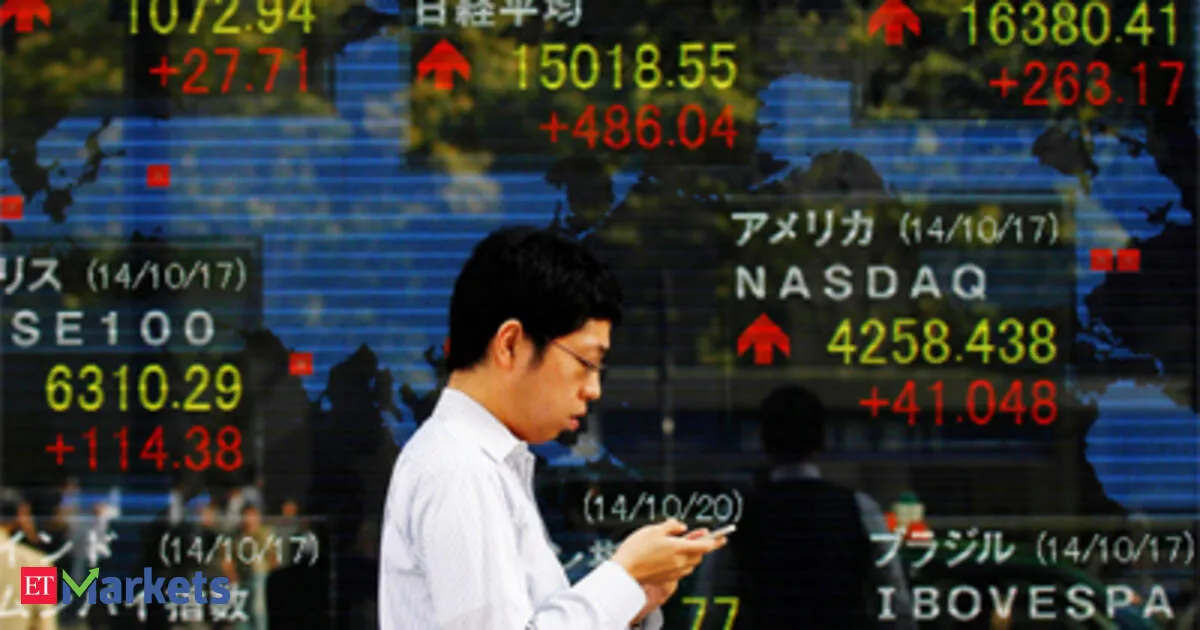
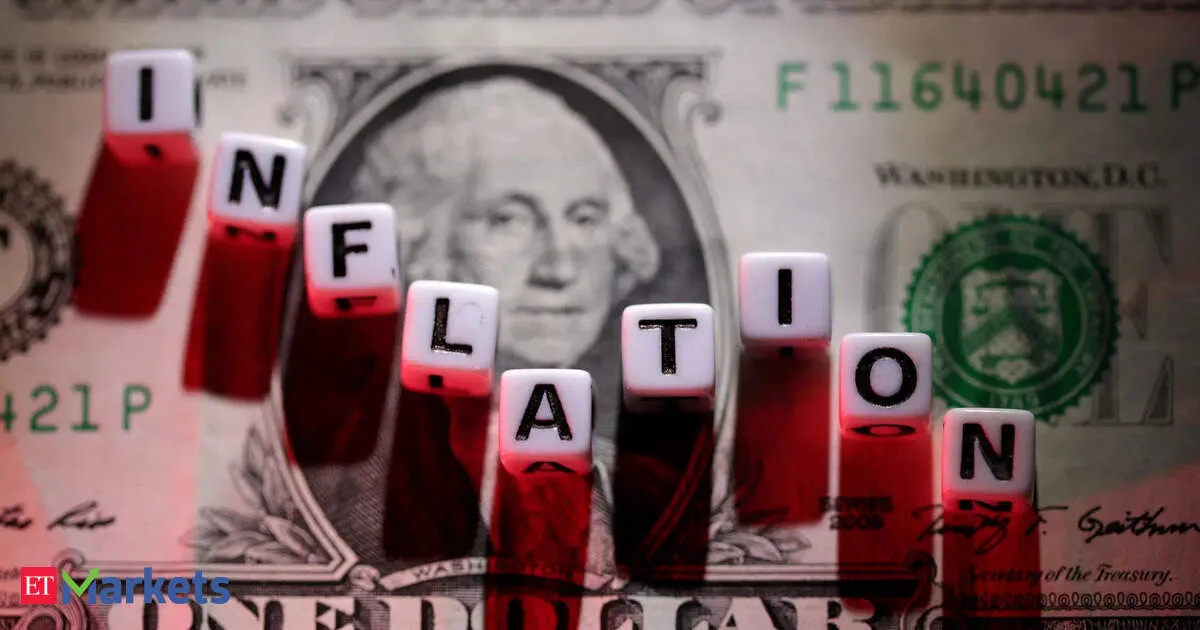
Japanese investors turned net sellers of foreign equities in April for the first time in four months, dumping 636.4 billion yen. The move was driven by higher energy costs and renewed inflation worries, while trust accounts spearheaded the selling. Investment trusts and life insurers kept buying abroad. The shift followed faster US inflation, strengthening expectations of longer high interest rates.
US wholesale prices rose 6.0% year on year in April, the biggest increase in more than three years. The spike was driven mainly by higher energy costs, with the Iran war playing a key role, and it mirrors recent moves in consumer inflation. The report adds political pressure on President Donald Trump as election plans unfold.
Your news, in seconds
Get the Beige app — every story in 60 words, updated hourly. Free on iOS & Android.
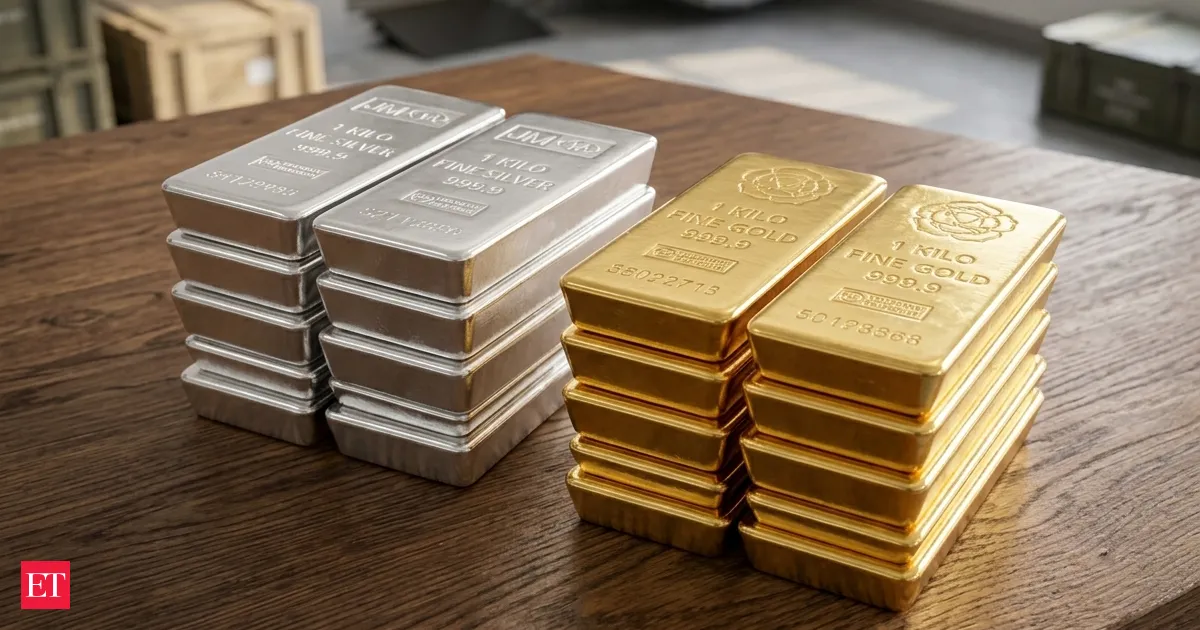
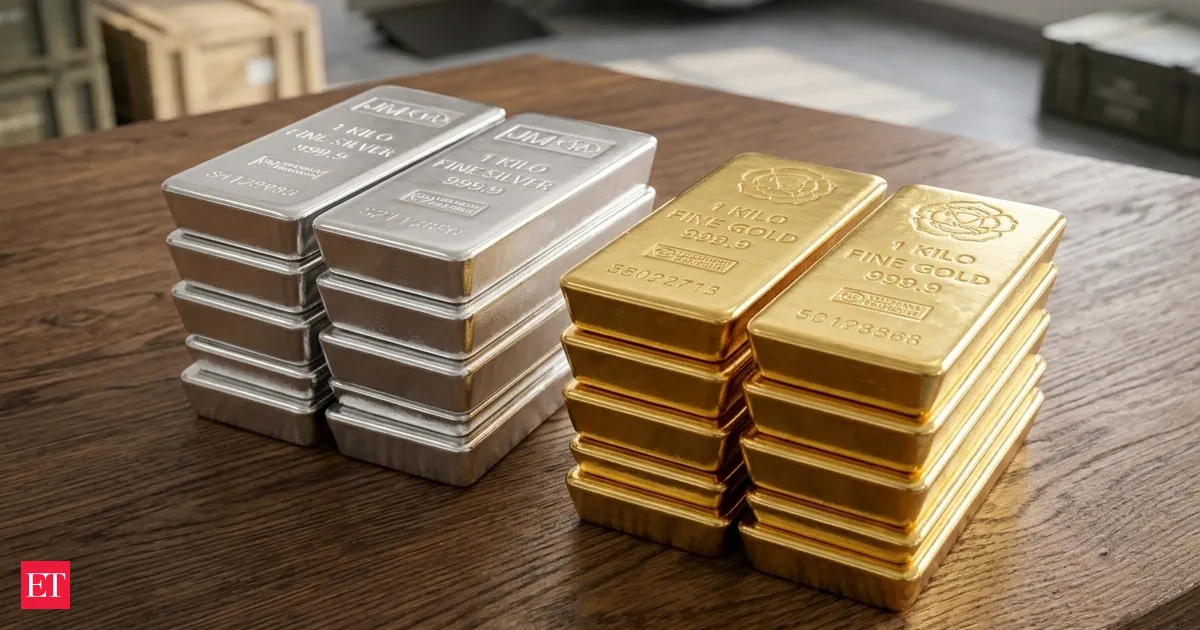
Gold and silver prices fell after stronger US inflation data dialed back hopes for interest rate cuts. A firmer US dollar further weighed on demand for bullion. Investors now look to upcoming producer price data and a Trump Xi meeting for new signals, as markets reassess inflation risks and geopolitical tensions that could sway gold, silver, platinum, and palladium.
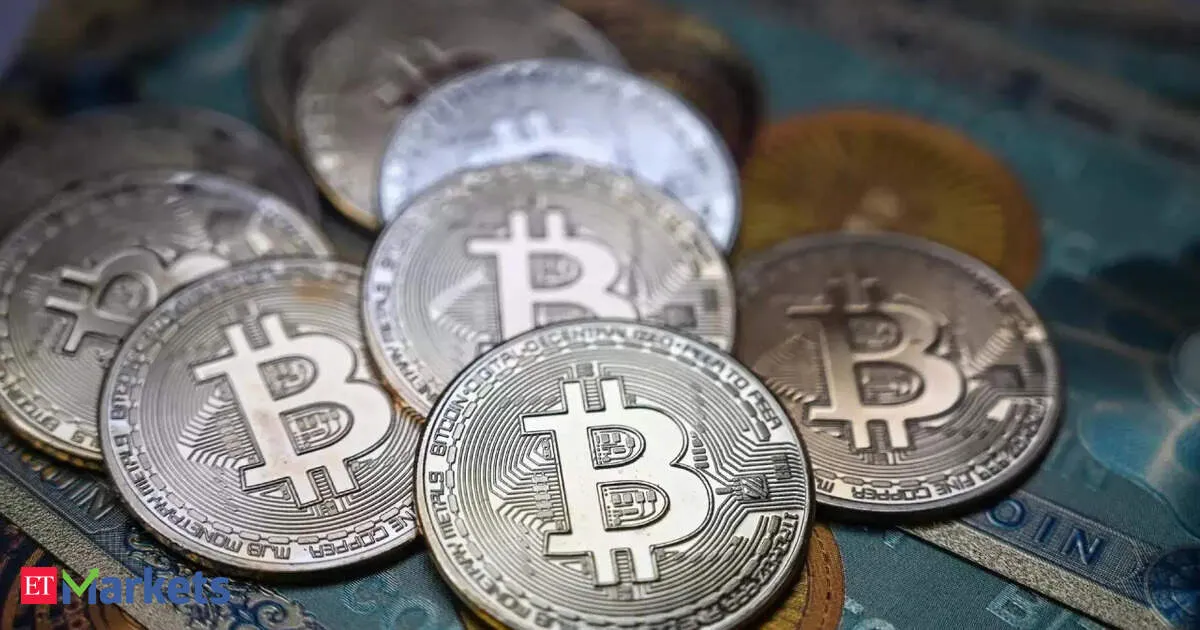
Bitcoin is holding above $80,000 even after hotter-than-expected US inflation data, pointing to stubborn buyer confidence. While Ethereum and some altcoins slipped, analysts cite improving on-chain activity, institutional inflows and active support from buyers. Still, macro uncertainty and rate concerns are keeping wider market sentiment cautious.
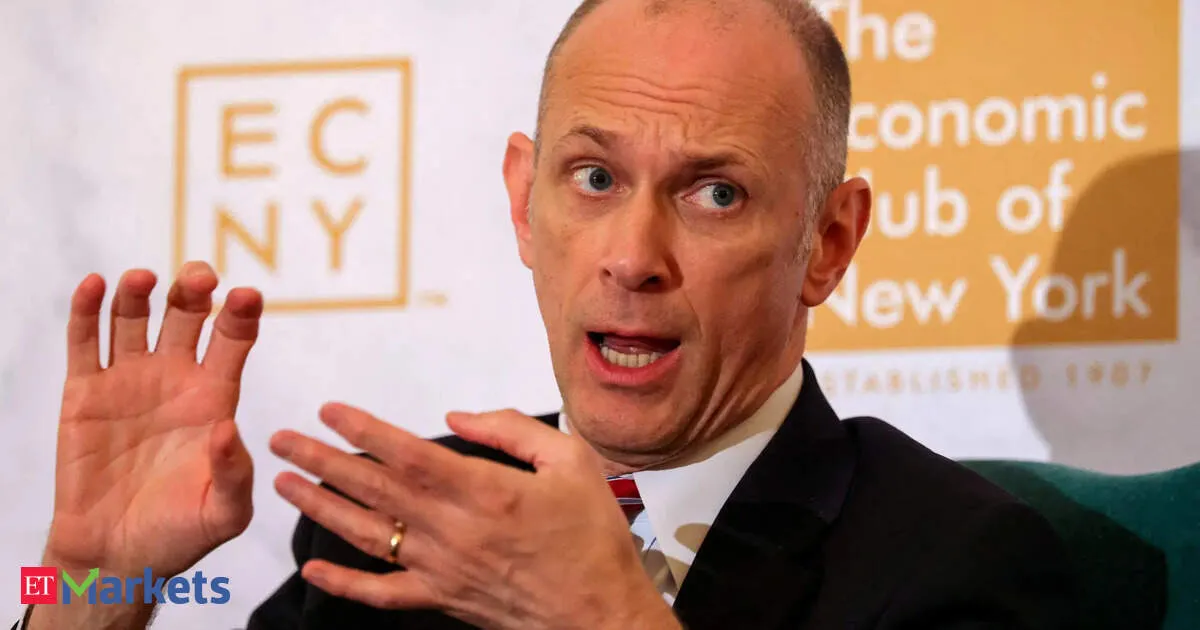
Chicago Fed President Austan Goolsbee flagged rising risks from U.S. services inflation, saying fresh data shows price pressures shifting in an unfavourable direction. He noted inflation is still proving sticky even as the labour market holds steady, keeping policymakers cautious while the Federal Reserve weighs its next rate move amid mixed economic signals.
A surprise spike in US inflation lifted Treasury yields and strengthened the dollar near a one week high. The euro and sterling weakened as rate hike expectations jumped, while rising oil prices tied to Middle East tensions kept investors cautious. The dollar index stayed firm despite sluggish equities, and the yen held steady after speculation about intervention.
Never miss a story
Set alerts for the topics and sources you care about. Download Beige for free.
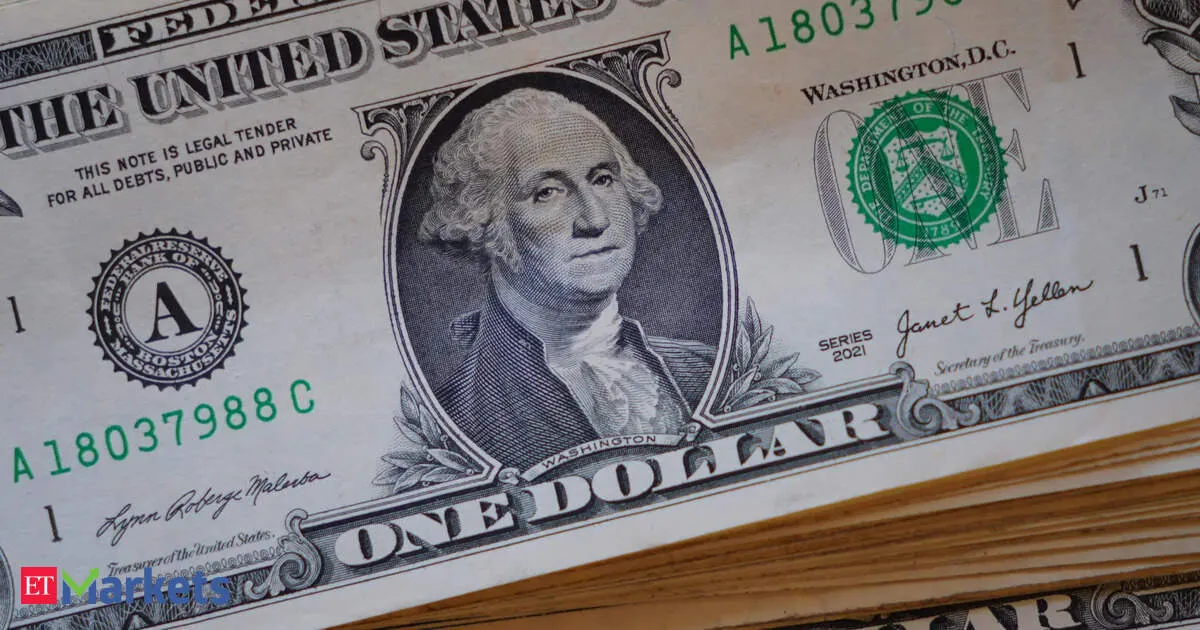
US inflation hit 3.8% in April, the highest since May 2023, pushing prices higher faster than paychecks can grow. Real wages fell for the first time in three years as gasoline surged 28.4% and rent inflation accelerated. Middle-class families are now paying more for essentials like groceries, fuel, electricity, and housing—turning inflation into a daily affordability shock.
US consumer prices climbed briskly again in April, marking the largest annual inflation increase in nearly three years. The data extends a second straight month of faster price growth, raising fresh questions about whether the US Federal Reserve can justify an interest rate cut soon. Markets now weigh the CPI shock against the Fed’s inflation and jobs targets.
US consumer inflation rose to 3.8% year-on-year in April, up from 3.3% in March, aligning with expectations. The US Bureau of Labor Statistics said the jump reflects economic spillover from the Iran war, with energy prices playing a key role. The data signals tighter pressure on prices even as growth worries simmer globally.
Gold and silver are slipping as markets recalibrate interest-rate expectations after U.S. inflation data and shifting views on rate cuts. Analysts cite a firmer dollar and higher oil prices as additional headwinds, while Middle East tensions keep sentiment volatile. Traders are now watching central bank signals for the next move, with some forecasting deeper drops.
Reading on mobile?
Open Beige in the app for a smoother experience — free on iOS and Android.
Goldman Sachs has delayed its outlook for U.S. Federal Reserve rate cuts, now forecasting cuts only in December 2026 and March 2027. The bank cites higher energy prices tied to the Iran conflict, which it expects to keep inflation above the Fed’s target for longer. The move signals increased caution as policymakers weigh inflation persistence against cooling growth risks.
US inflation rose sharply in March, with higher gasoline prices linked to the Iran conflict pushing the PCE index to its biggest monthly gain in nearly two years. Core inflation stayed firm, reinforcing expectations that the Fed may keep rates higher for longer. Meanwhile, real consumer spending growth showed early signs of slowing.
Swipe through stories, personalise your feed, and save articles for later — all on the app.