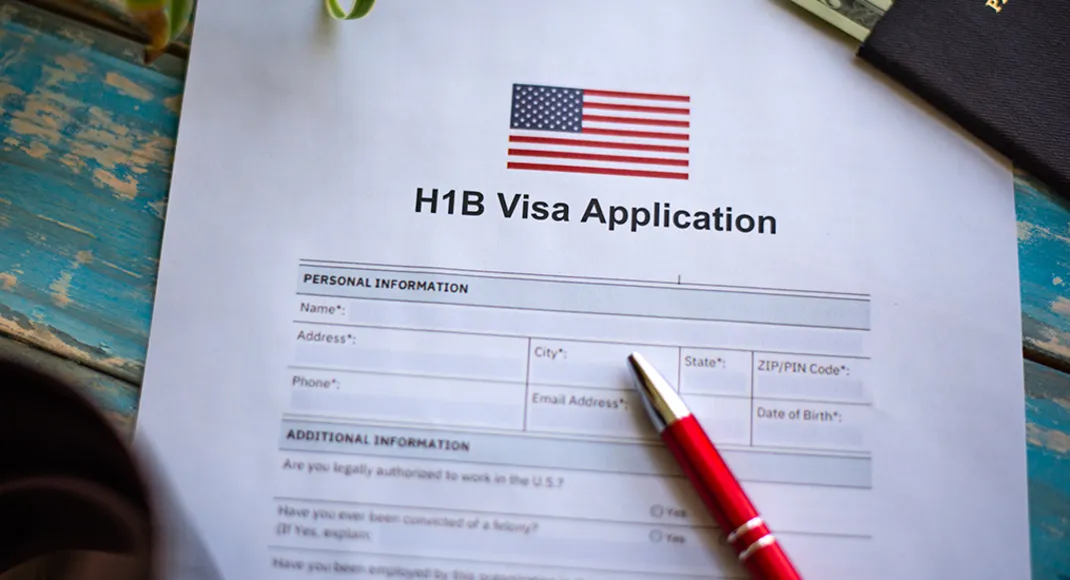
A sudden H-1B visa fee shake-up triggered panic among prospective workers, but a quick clarification exempted existing H-1B holders. With new talent costs rising, today’s workers may gain leverage in an employers market. While some IT firms say dependence on H-1B hiring is easing, experts caution offshore delivery models could still face turbulence.
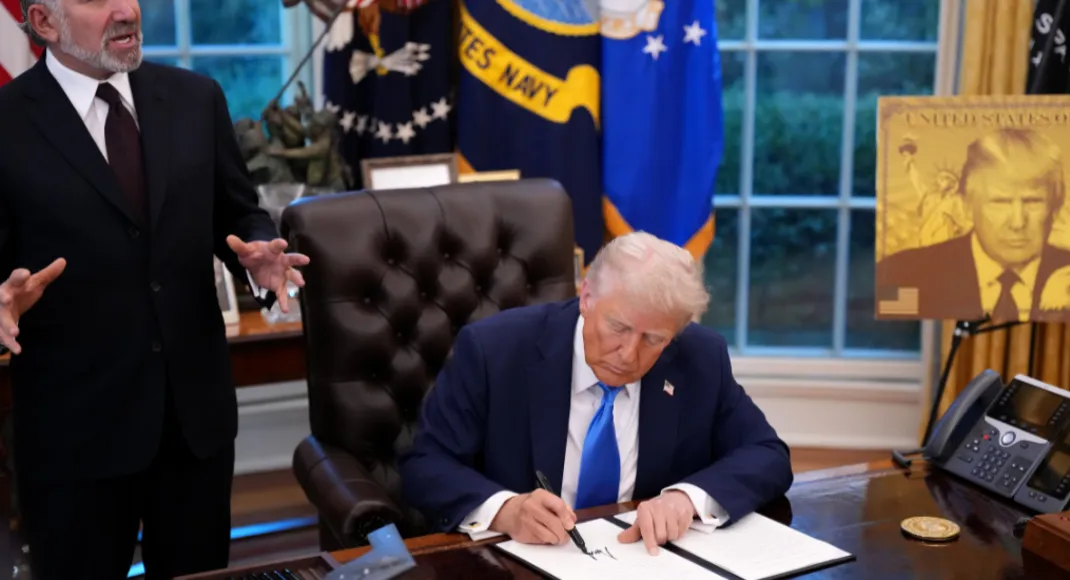
Trump’s administration has softened the blow from higher H1-B visa fees for India’s IT industry, reducing immediate fallout. Still, firms face a tougher challenge: clients are starting to lock spending budgets for next year amid unpredictable decision-making. The short-term shock may be over, but uncertainty is likely to linger in contracts, hiring plans, and project timelines.
Your news, in seconds
Get the Beige app — every story in 60 words, updated hourly. Free on iOS & Android.
Canada will raise permanent residence and citizenship application fees effective March 31 and April 30, 2026, impacting multiple immigration routes including Express Entry, family sponsorship, and the Right of Permanent Residence Fee. People who submitted and paid online before the respective deadlines will be unaffected, making timing crucial for applicants planning to apply in 2026.
India’s IT sector is facing fresh uncertainty as new US H-1B visa fees threaten to raise costs. Yet leading firms say they’re buffered by strong profits and cash reserves. Meanwhile, the US continues to confront a tech talent shortage, keeping demand high for Indian professionals and reinforcing growth backed by India’s large STEM graduate base.
Swipe through stories, personalise your feed, and save articles for later — all on the app.