Pune authorities have issued a “Leave India Notice” to three American citizens, requiring them to exit by May 10, 2026. The men, on tourist visas, were stopped in Shukrawar Peth after police found large quantities of Christian conversion-related leaflets. Officials said their activity breached visa conditions, prompting the formal removal order.
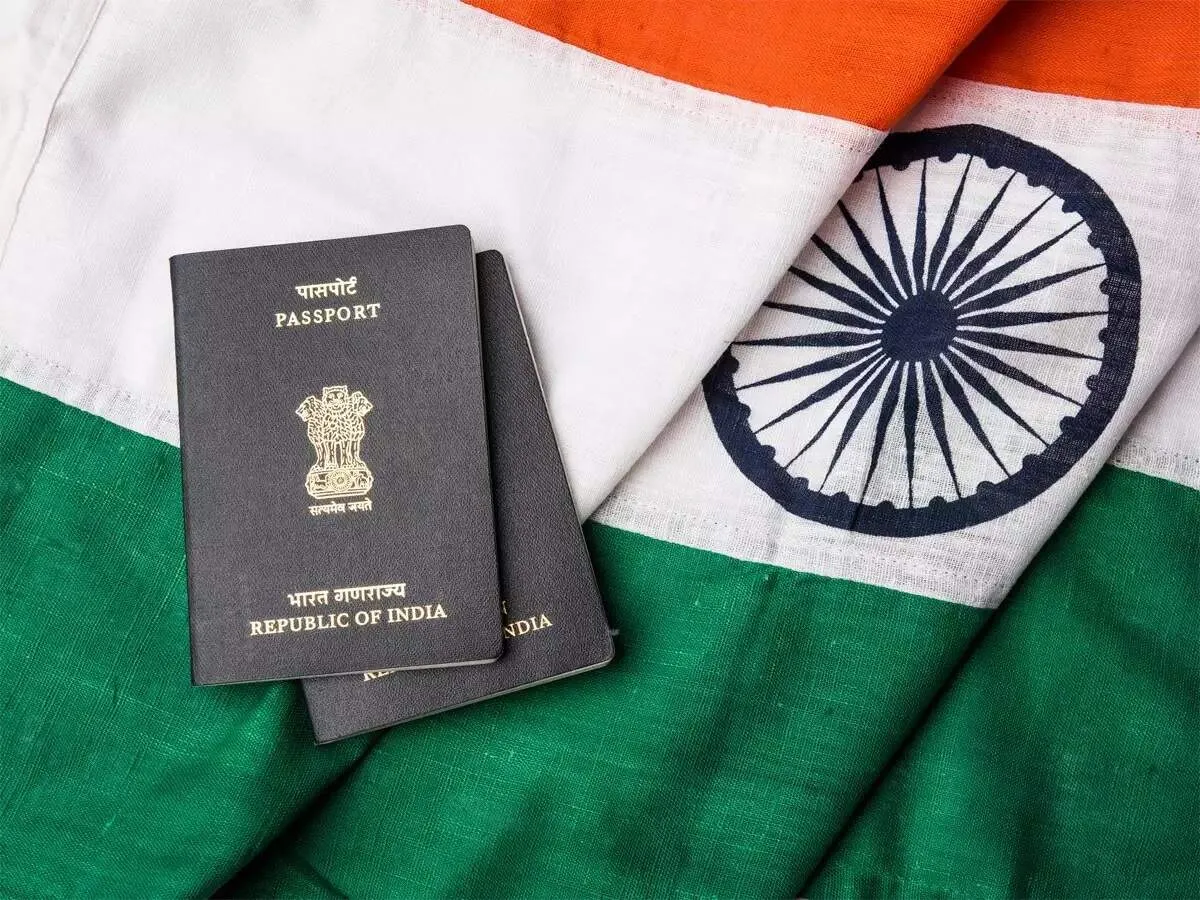
The Centre has revised OCI card application fees, fixing the fee at USD 275. It has also overhauled the process by removing the mandatory six-month continuous stay requirement for applicants aged over 12 years. The changes are aimed at simplifying eligibility for OCI applicants and reshaping timeline expectations for those applying under the scheme.
Your news, in seconds
Get the Beige app — every story in 60 words, updated hourly. Free on iOS & Android.
Indian students are increasingly moving away from the usual US, UK, Canada and Australia route for study abroad. Stricter visa scrutiny, higher overall costs and worries about post-study job prospects are driving the shift. Ireland, New Zealand and select European countries are emerging as fresh options as applicants take a more strategic, less default approach to international education.
Starting April 10, 2026, Indian citizens transiting through France by air will no longer need a transit visa. The Ministry of External Affairs announced the change, framing it as part of efforts to deepen India-France ties and make travel smoother. The update is expected to boost people-to-people connections by easing cross-border movement for travelers.
UK universities are being warned that international students can no longer be treated as a financial backstop as demand for UK education cools. Even with aggressive recruitment, institutions face tighter visa scrutiny, higher operating costs and weaker profitability, raising compliance risks. Experts say swelling overseas enrolments may stop guaranteeing revenue, making the current growth model less sustainable.
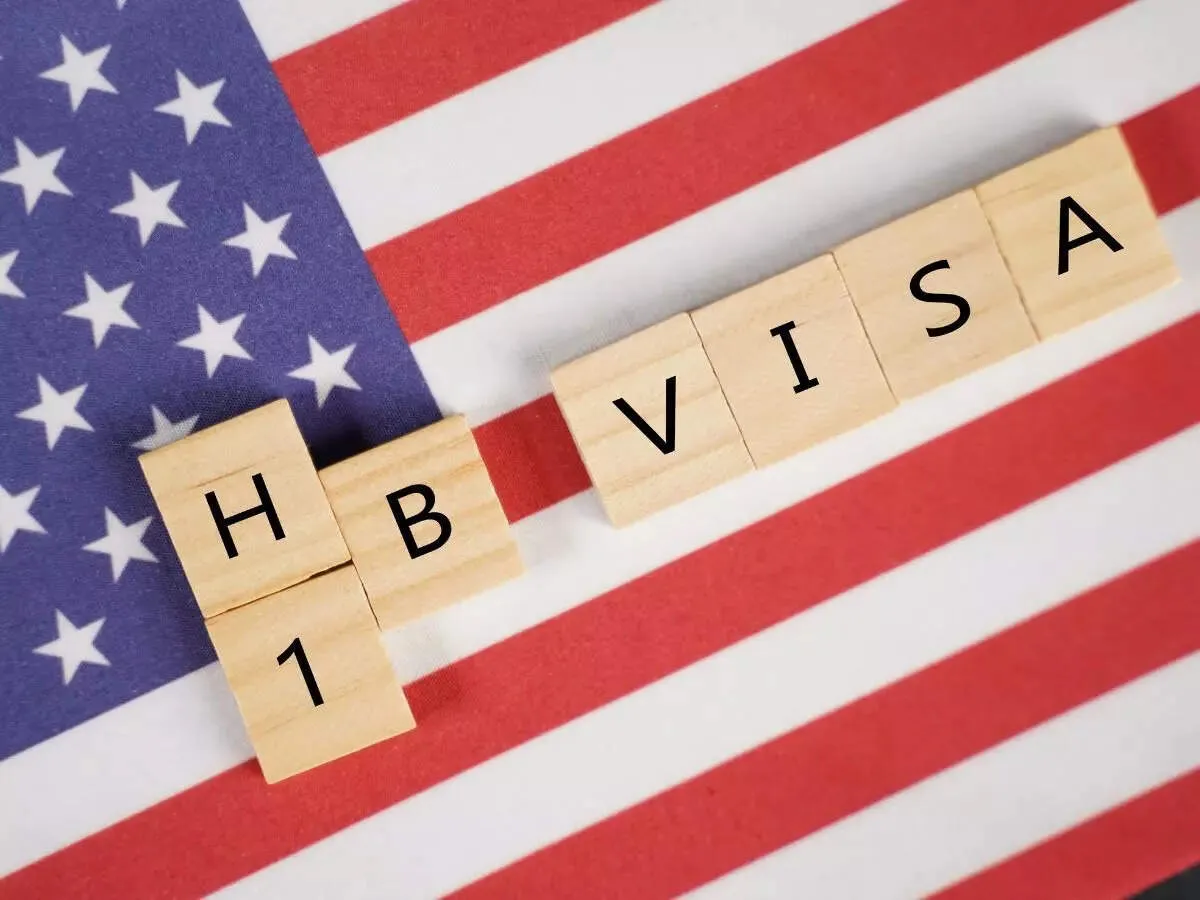
From April 1, 2026, USCIS will roll out major H-1B updates, including stricter form requirements, higher costs, and greater scrutiny. Most notably, the selection process will shift toward a wage-based system that prioritizes higher salaries and specific skills. Officials say the goal is to better match allocations to labor market needs and spur domestic hiring.
Never miss a story
Set alerts for the topics and sources you care about. Download Beige for free.
Thailand is reviewing visa-free entry for travelers from more than 90 countries after authorities flagged compliance gaps and misuse of entry rules. The government wants to shift away from sheer tourist volume toward higher-quality visitors and stronger income generation, potentially shortening the current 60-day stay to better align tourism with economic goals.
New Zealand has introduced updated visa rules for dependent children, spelling out new age limits and eligibility criteria for both resident and temporary visas. The changes also follow legal updates affecting international adoptions, with New Zealand recognizing fewer adoptions for immigration purposes. Officials say the revised framework is meant to make family visa processes more predictable and consistent.
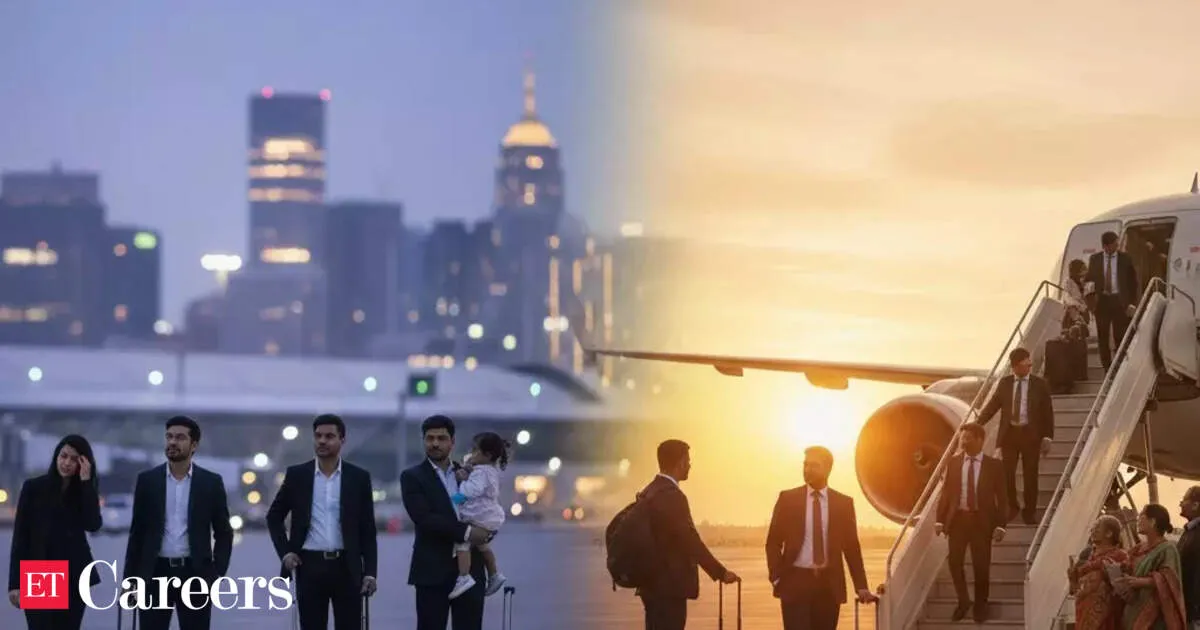
Indian professionals are increasingly leaving US jobs and returning home as job stability worsens and visa rules tighten. Rather than sitting out, many are chasing senior roles in India’s fast growing tech and consumer sectors, joining emerging startups and global firms. The shift reflects both pressure in the US and new opportunities in India’s expanding economy.
The US Department of Labor has proposed major H-1B wage rule changes designed to narrow pay gaps by lifting foreign worker compensation by roughly $14,000 a year. The plan revises a four-tier wage benchmark system, which would affect new H-1B applications and reduce concerns that employers use cheaper labor, especially in tech roles.
Reading on mobile?
Open Beige in the app for a smoother experience — free on iOS and Android.
Saudi Arabia has tightened entry rules for Hajj 2026, barring people holding visit visas from accessing the holy cities and requiring official permits instead. Umrah visas are currently suspended. Authorities say the Hajj permit will be mandatory for entry to Mecca as Saudi moves to control crowds and improve safety during the pilgrimage season.
Swipe through stories, personalise your feed, and save articles for later — all on the app.