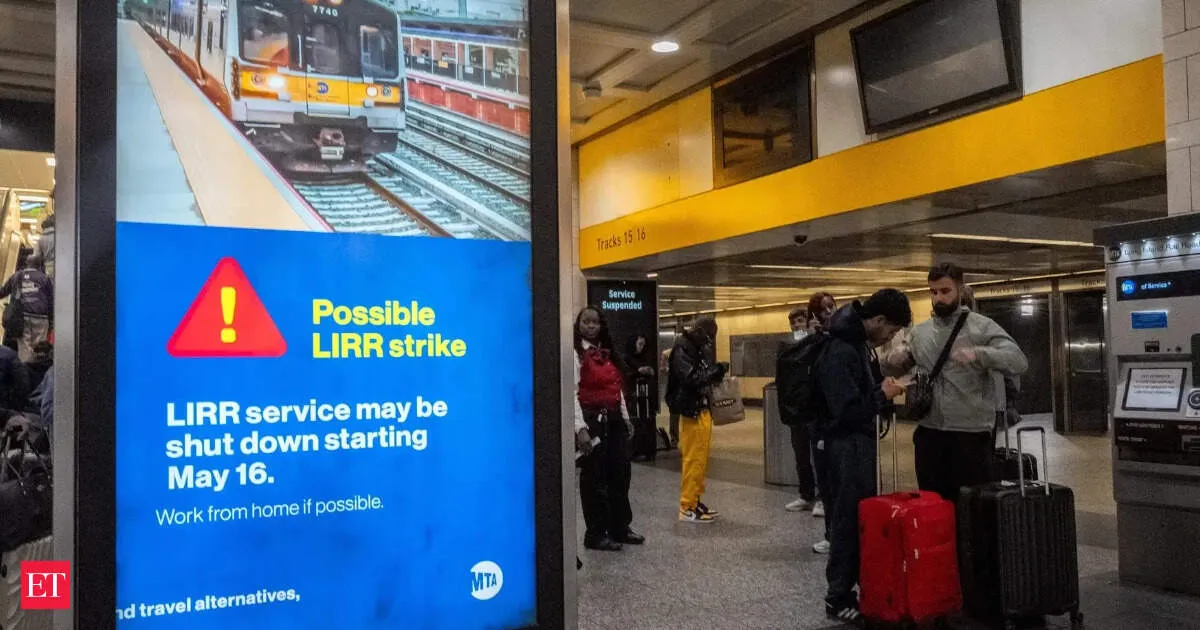
A strike by Long Island Rail Road workers has paralyzed New York’s busiest commuter rail system after contract talks with the MTA ended without an agreement. About half of the roughly 7,000 workers—across five unions—walked out at 12:01 a.m. Saturday. Around 250,000 weekday riders must find alternative routes or work from home, with highways expected to worsen. The dispute centers on pay: unions want 16% over four years, while the MTA is offering at least 9.5% over three years plus an effective 4.5% in year four.
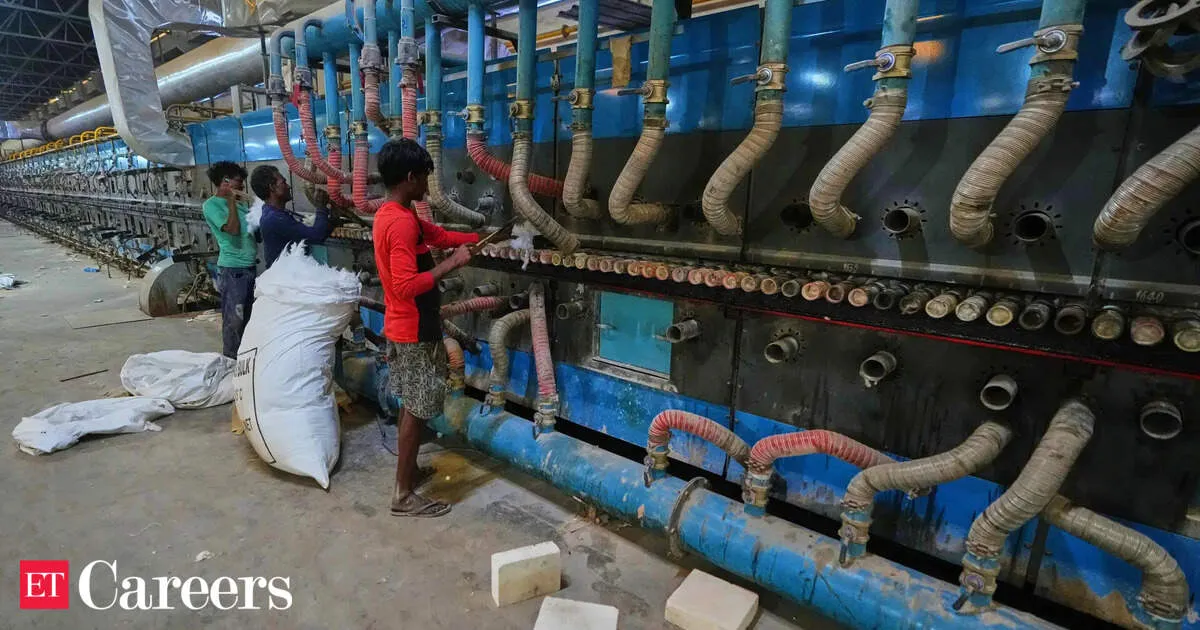
Skills Secretary Debashree Mukherjee said large industries could be allowed to engage apprentices up to 25% if they already met the 15% requirement in the past three years. Firms would also need to pay at least 30% above the mandated minimum rates and retain employment for at least 35% of apprentices, tying expansion to outcomes.
Your news, in seconds
Get the Beige app — every story in 60 words, updated hourly. Free on iOS & Android.
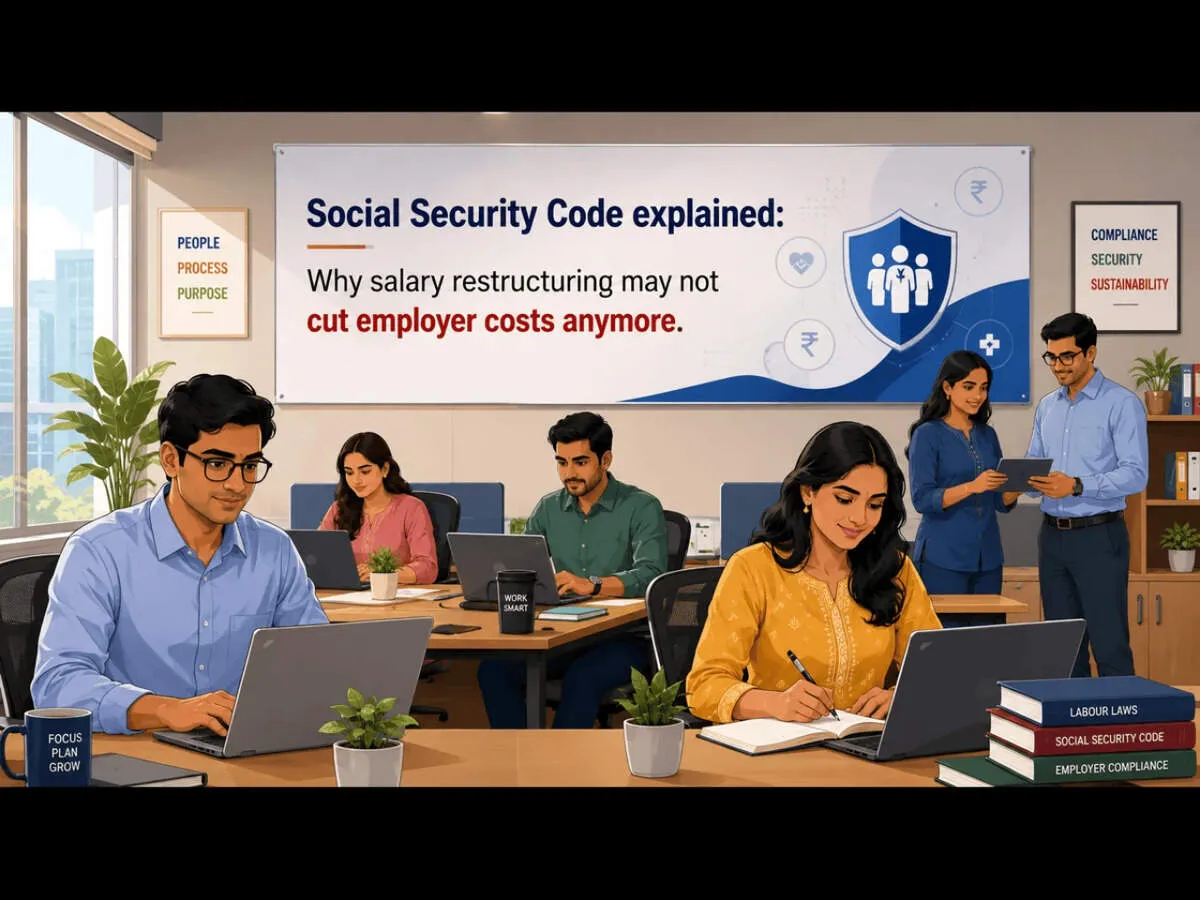
India’s Social Security (Central) Rules, 2026 update compliance under the Code on Social Security, 2020 and expand the definition of wages, raising employer social security and gratuity liabilities. Employers may want to restructure salary components to manage these costs, but Section 124 restricts any move that reduces employee wages or benefits to offset the additional liabilities.
US employers kept surprising the market in April, adding 115,000 jobs even as uncertainty from the Iran war weighed on global sentiment. Alongside the steady hiring, average hourly earnings rose 0.2% from March and 3.6% year over year, aligning with the Federal Reserve’s push toward a 2% inflation target.
Millions of workers are taking to the streets on May Day, driven by a mix of economic strain and global tensions. Rising inflation and falling purchasing power, alongside stagnant wages, are sharpening demands for higher pay and relief. The situation is further worsened by the ongoing Iran conflict, which has pushed up energy prices and intensified cost pressures across countries.
Labour Day data shows incomes are rising overall, with women’s wages growing faster than men’s. But the gains aren’t evenly shared: major pay and work-condition differences persist between states. The snapshot also flags that many workers continue to face long hours and limited social security coverage, leaving job quality far from uniform.
Never miss a story
Set alerts for the topics and sources you care about. Download Beige for free.
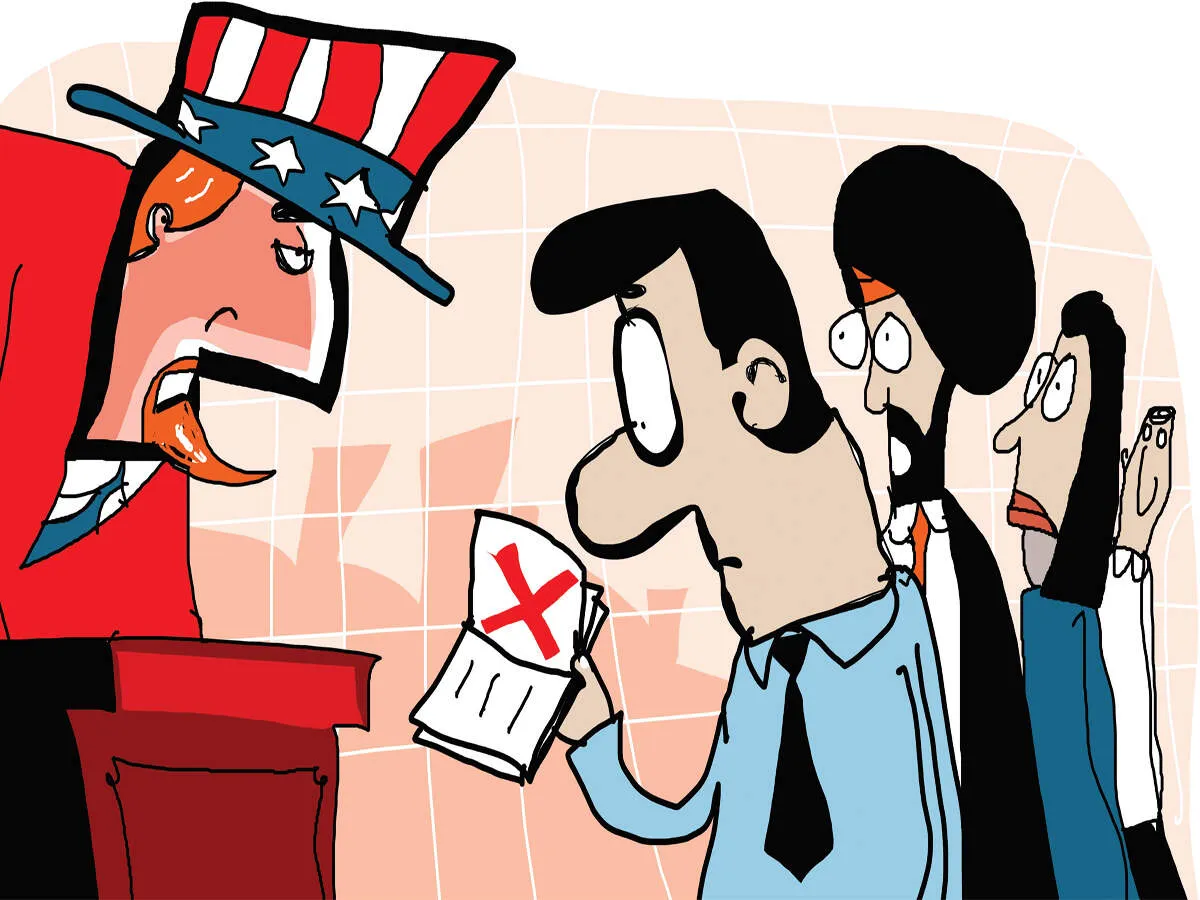
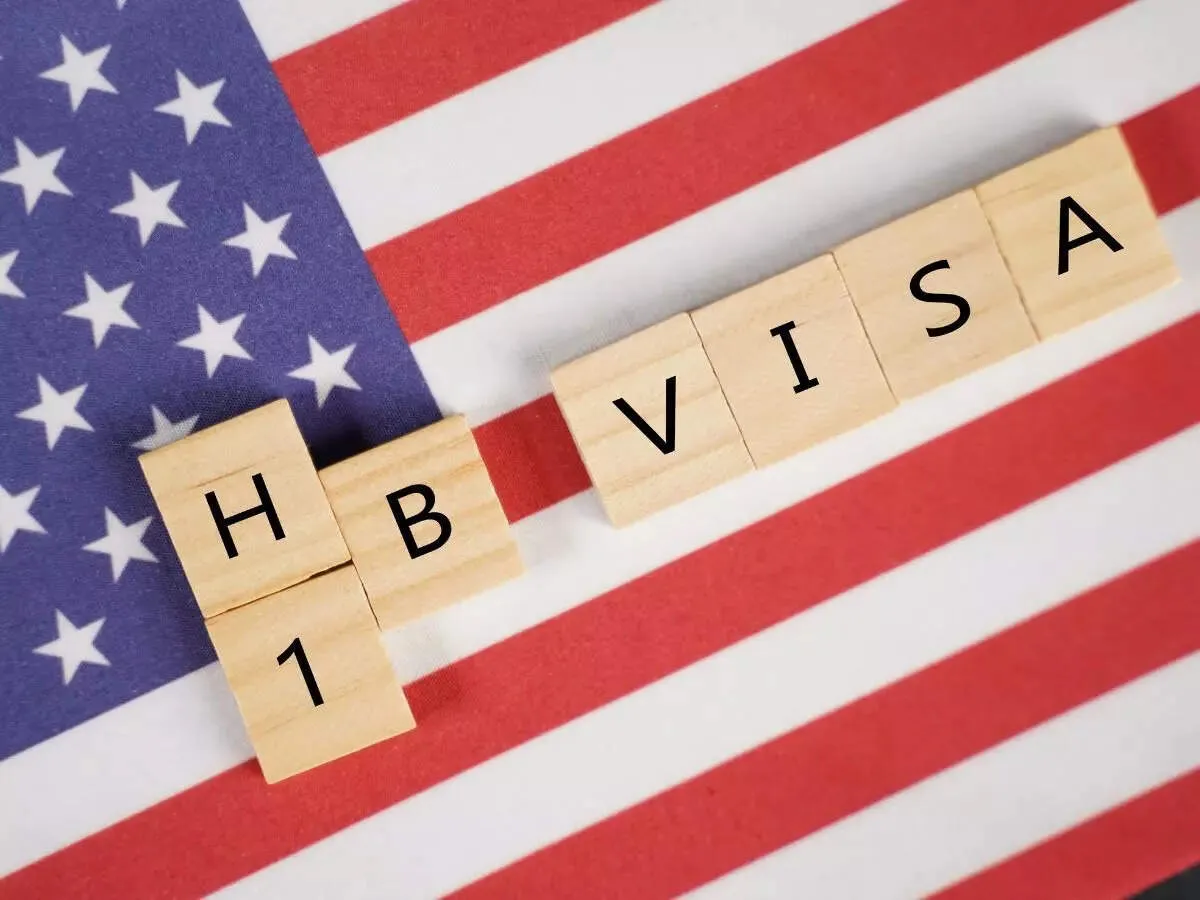
North Carolina labour chief Luke Farley has endorsed a federal proposal to raise wages for H-1B and similar visa holders. Farley argues that current programs enable employers to hire foreign workers at below-market rates, harming American workers’ leverage and job opportunities. The rule would push pay toward market rates to reduce competition effects.
The U.S. Department of Labor is warning about “body shopping” in the H-1B program, where staffing firms place foreign workers at client sites. Officials say it lets wages be compared against the outsourcing firm’s lower pay levels, potentially widening gaps with U.S. workers. A proposed rule would push prevailing wages higher to close the loophole and tighten compliance.
India’s new labour codes are reshaping workplaces fast, with roughly 4 in 5 firms reportedly revising pay structures amid rising compliance and employment costs. Wage growth is cooling as companies recalibrate workforce models. Yet hiring sentiment is improving, especially in tech and emerging sectors, where firms increasingly target urban capability and digital skills.
Airbnb’s reported footprint in India during 2024 supported 1.11 lakh jobs and generated Rs 2,400 crore in wages. Guest spending climbed to Rs 11,200 crore, with domestic travelers accounting for 91% of guests. Airbnb’s overall activity is estimated at 0.5% of India’s travel and tourism GDP, underlining its expanding role across hospitality and allied industries.
Reading on mobile?
Open Beige in the app for a smoother experience — free on iOS and Android.
Six years after earlier promises, migrant workers are again facing worsening hardship. Protests have broken out over low wages and poor working conditions as living costs rise faster than government responses. Welfare schemes and housing programs are struggling to deliver on the ground, while uncertainty around new labour codes adds fresh risk. Rural distress is also rising, leaving workers trapped in a cycle of exploitation.
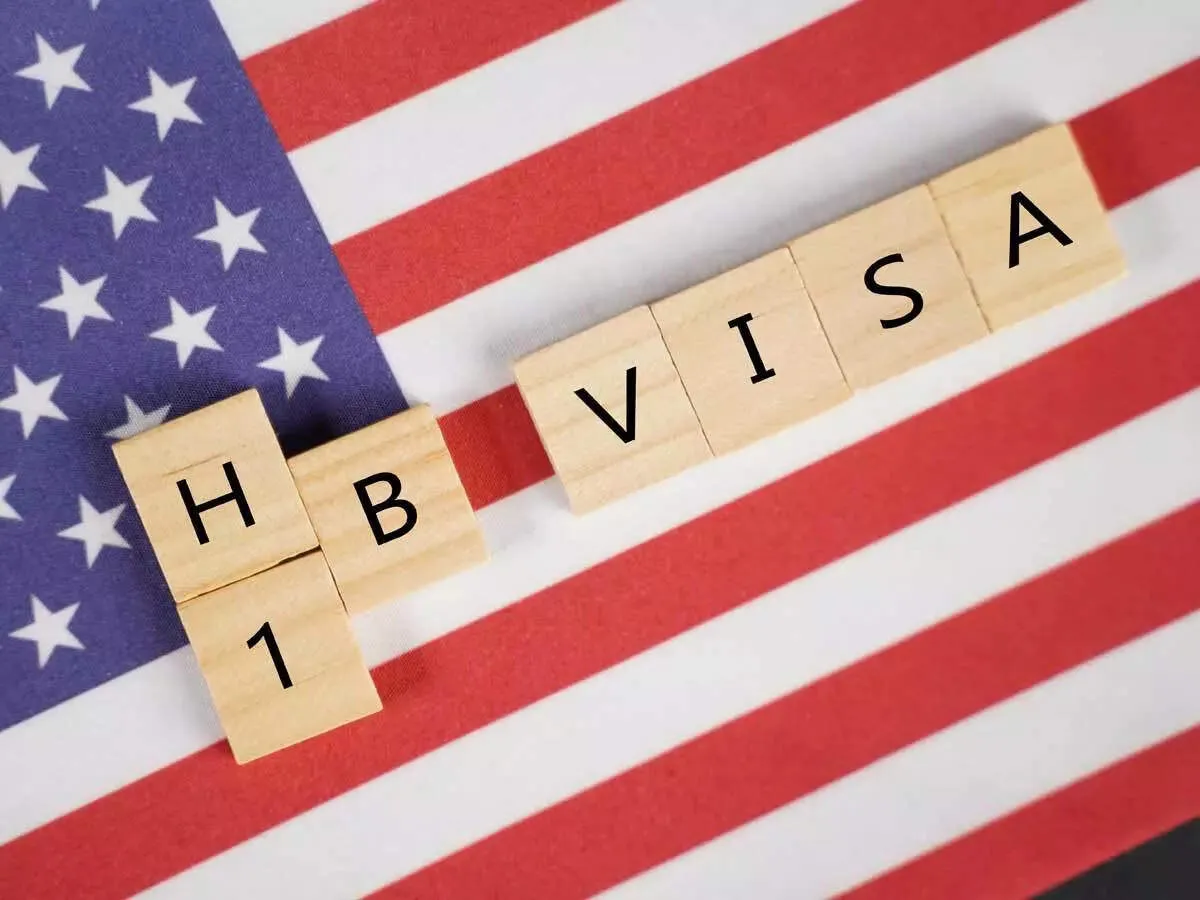
The US Department of Labor has proposed major H-1B wage rule changes designed to narrow pay gaps by lifting foreign worker compensation by roughly $14,000 a year. The plan revises a four-tier wage benchmark system, which would affect new H-1B applications and reduce concerns that employers use cheaper labor, especially in tech roles.
MSME entrepreneurs in Noida and Greater Noida say a recent rise in wages and overtime rules is pushing up operating costs faster than revenue can follow. They argue policy changes are out of sync with ground realities and are urging the government for financial relief through subsidies and other supportive measures to prevent margin pressure from worsening.
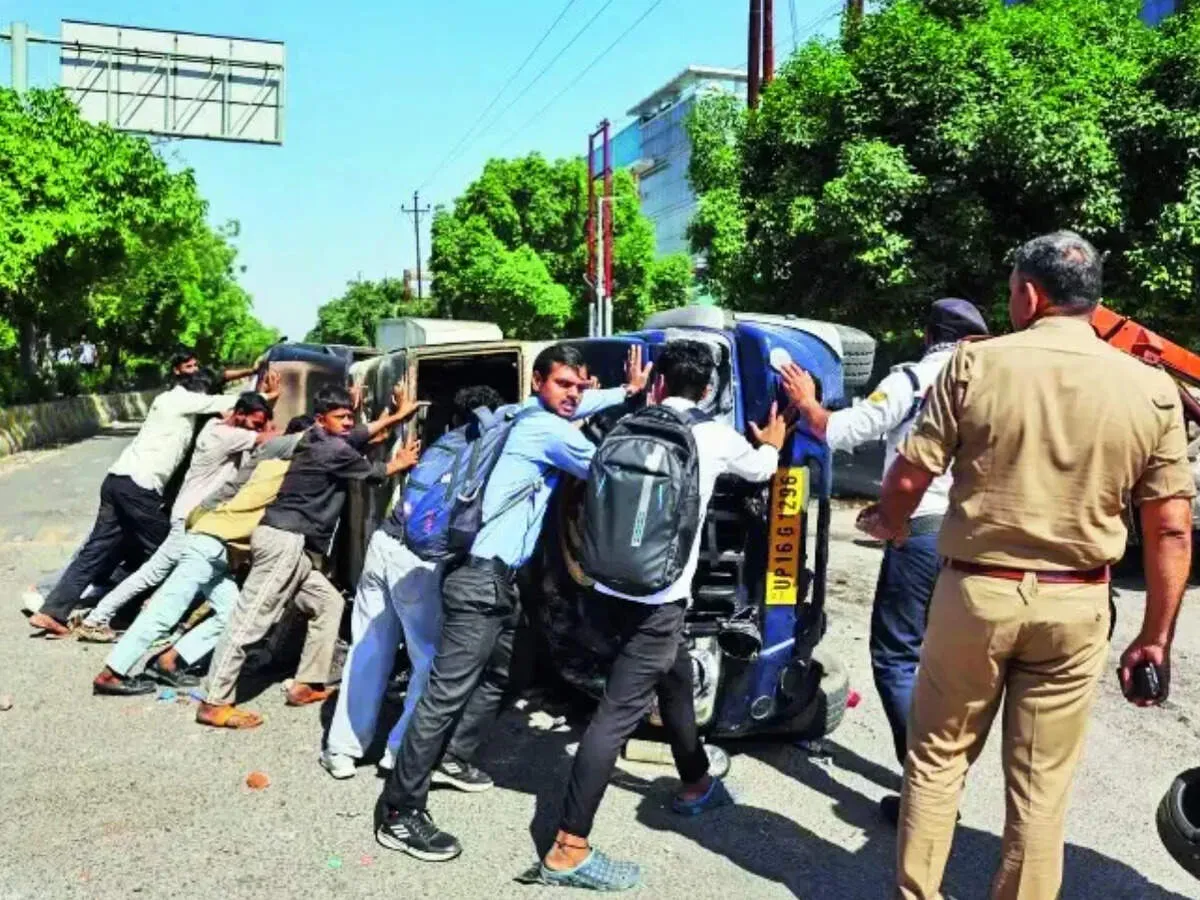
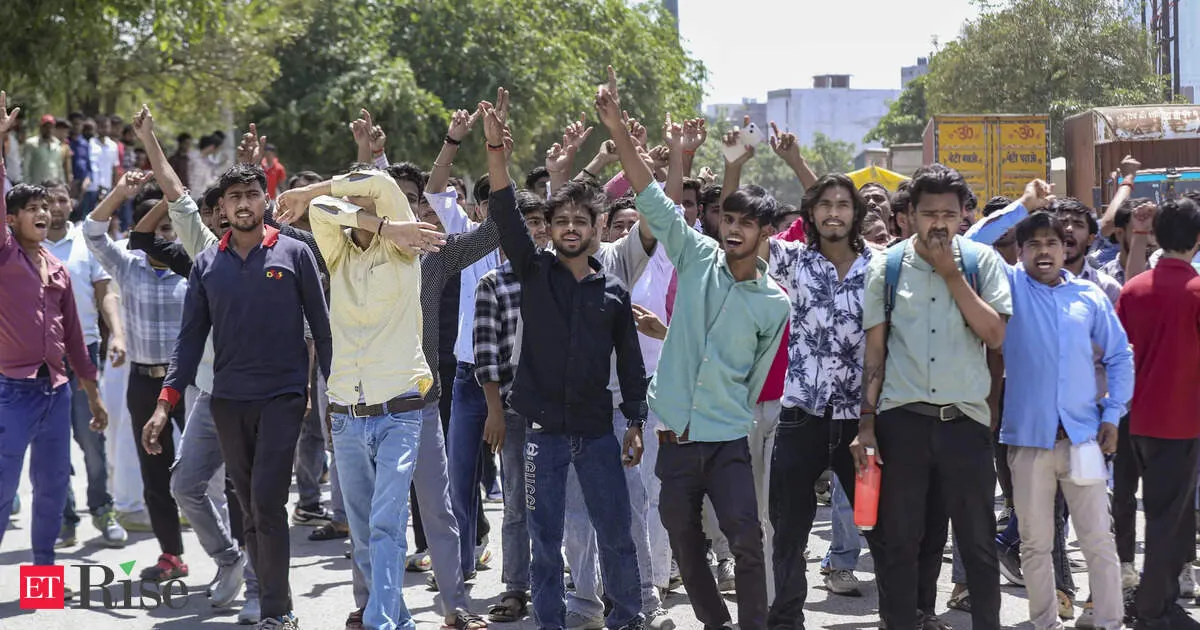
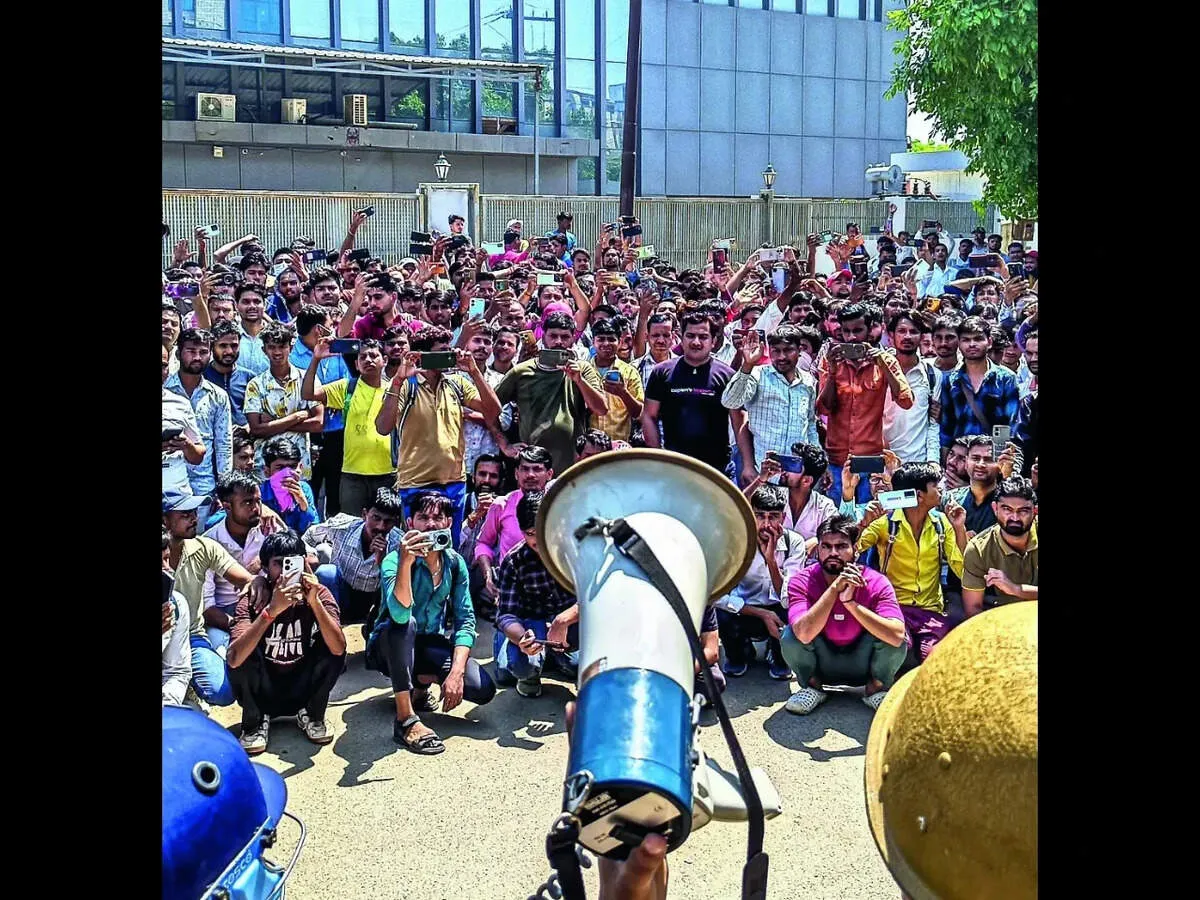
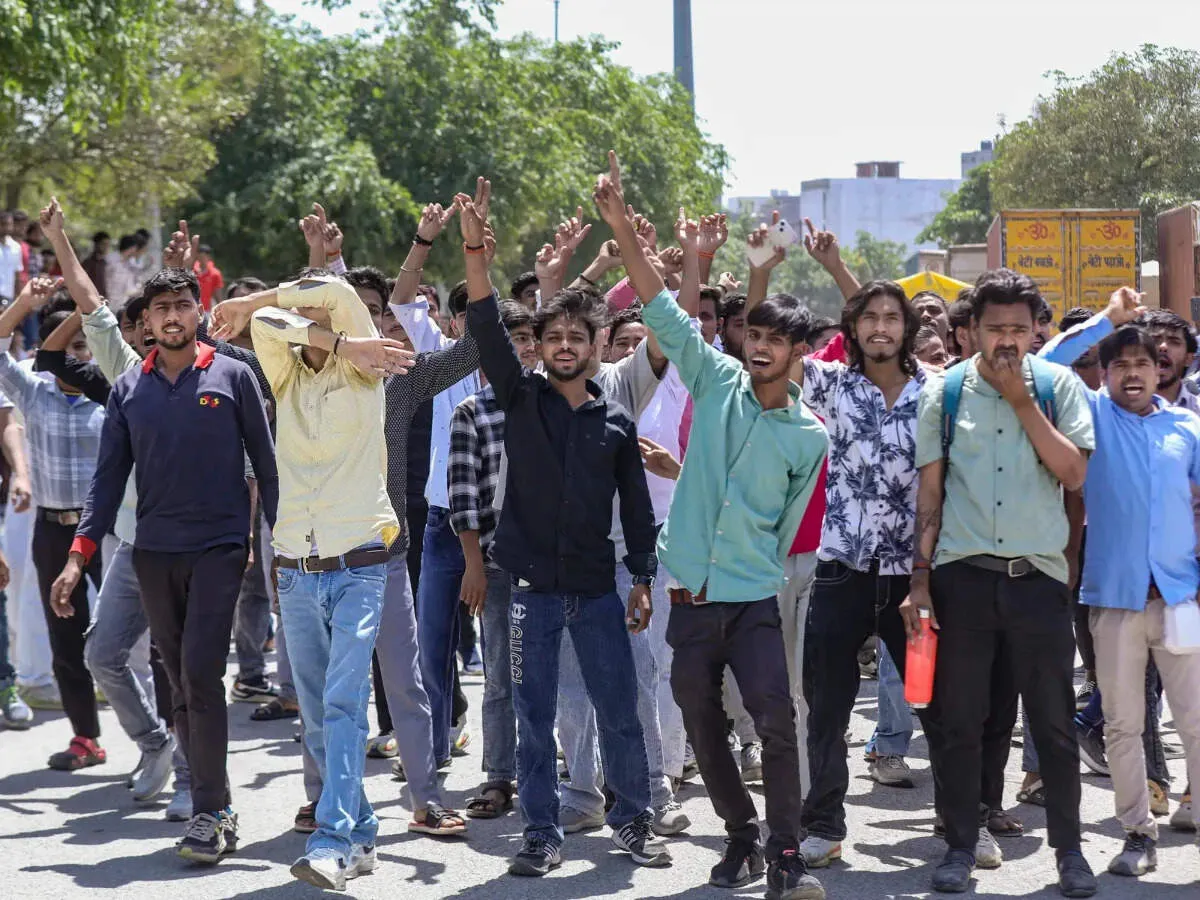
Delhi NCR’s labor tensions have flared again as workers protest rights and pay. The region’s job promise and international investment pull remain strong, but violent confrontations risk derailing negotiations and worsening the very wage gains workers seek. With labor relations already complex, authorities and employers must focus on lawful, structured dialogue instead of escalation.
Follow your favourite sources
Track sources, tags and categories — all in the Beige app.
Noida factory workers’ unrest is being driven by a less visible kind of inflation: daily essentials have steadily outpaced wage growth. As costs for education and healthcare rise faster than pay, many households lose purchasing power, breeding frustration and resentment. Analysts say tackling these structural gaps is key to keeping growth inclusive and social stability intact.
Swipe through stories, personalise your feed, and save articles for later — all on the app.