At the BRICS Foreign Ministers’ Meeting in New Delhi, the UAE rejected Iran’s accusations that Abu Dhabi was directly involved in aggression against Tehran during the West Asia conflict. UAE Minister of State Khalifa Shaheen Al Marar said the claims will not affect its “principled positions” or sovereign decision-making, while the UAE accused Iran of repeated strikes on Emirati infrastructure. Abu Dhabi also cited near 3,000 intercepted ballistic missiles, cruise missiles and drones, and warned against actions that it says obstruct maritime routes and target civilian facilities.
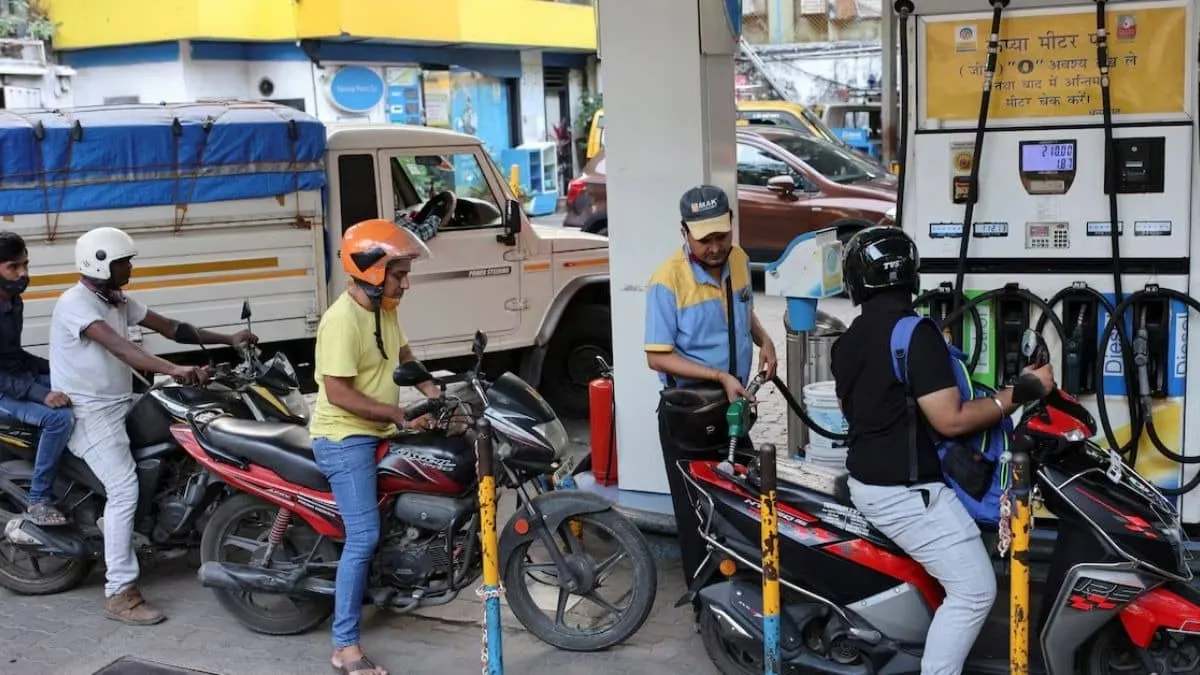
Petrol and diesel prices were increased by Rs 3 per litre in India after days of anticipation, driven by rising global crude oil costs linked to conflict in West Asia. In Delhi, petrol rose from Rs 94.77 to Rs 97.77, while diesel increased from Rs 87.67 to Rs 90.67. Metro prices also climbed, with Kolkata, Mumbai, and Chennai seeing petrol gains and diesel hikes. The update follows government claims of heavy under-recovery losses amid frozen domestic retail rates.
Your news, in seconds
Get the Beige app — every story in 60 words, updated hourly. Free on iOS & Android.
TVS Motor Company says it is closely monitoring how the ongoing West Asia conflict may ripple into its business, citing rising input costs and supply chain disruptions. After its quarterly results, CEO K N Radhakrishnan pointed to pressure across commodity-linked items such as steel, aluminium and crude oil derivatives, alongside challenges like labor availability, gas supply and delays in on-time raw material deliveries in April. Still, he expects improvements in May and confidence of strong Q1 growth that could outpace the industry.
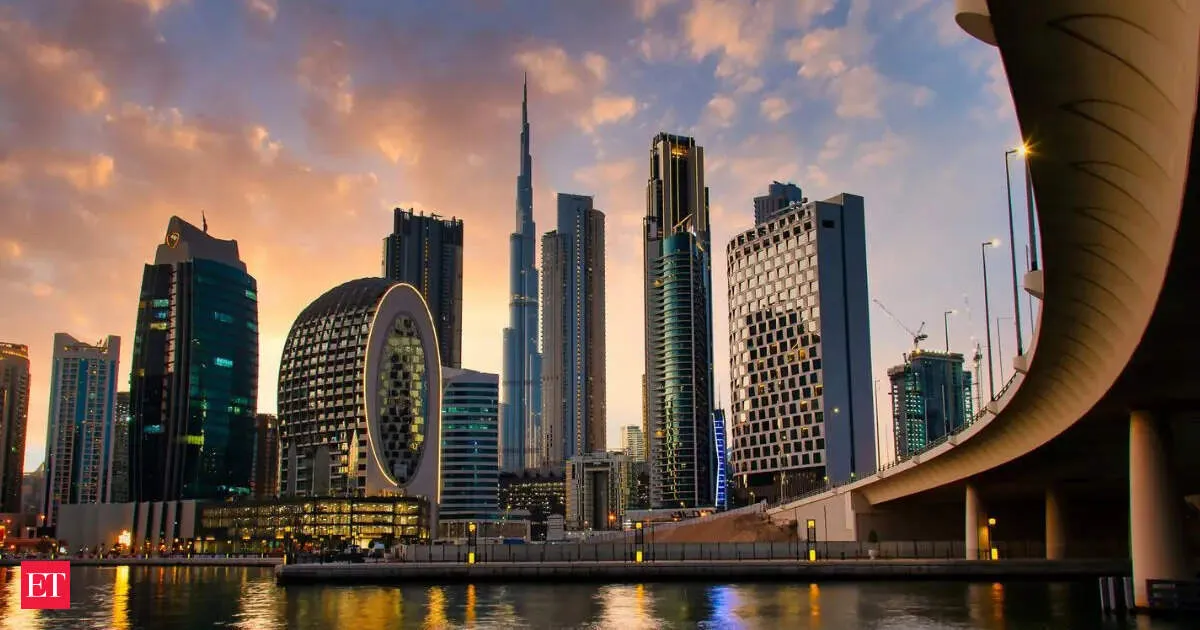
The West Asia conflict is reshaping Dubai’s fast-moving property pipeline, with developers warning of 6 to 9 month handover delays driven by disrupted imports, cost overruns, and tighter bank financing. Of roughly 45,000 units targeted for 2026 handovers in Dubai, about half are now expected to move into 2027 or beyond. Construction costs have climbed nearly 30%, ports remain open but shipping services are rerouted, and many projects still sit early in the build phase. Financing tied to escrow is getting harder to access as banks raise underwriting standards.
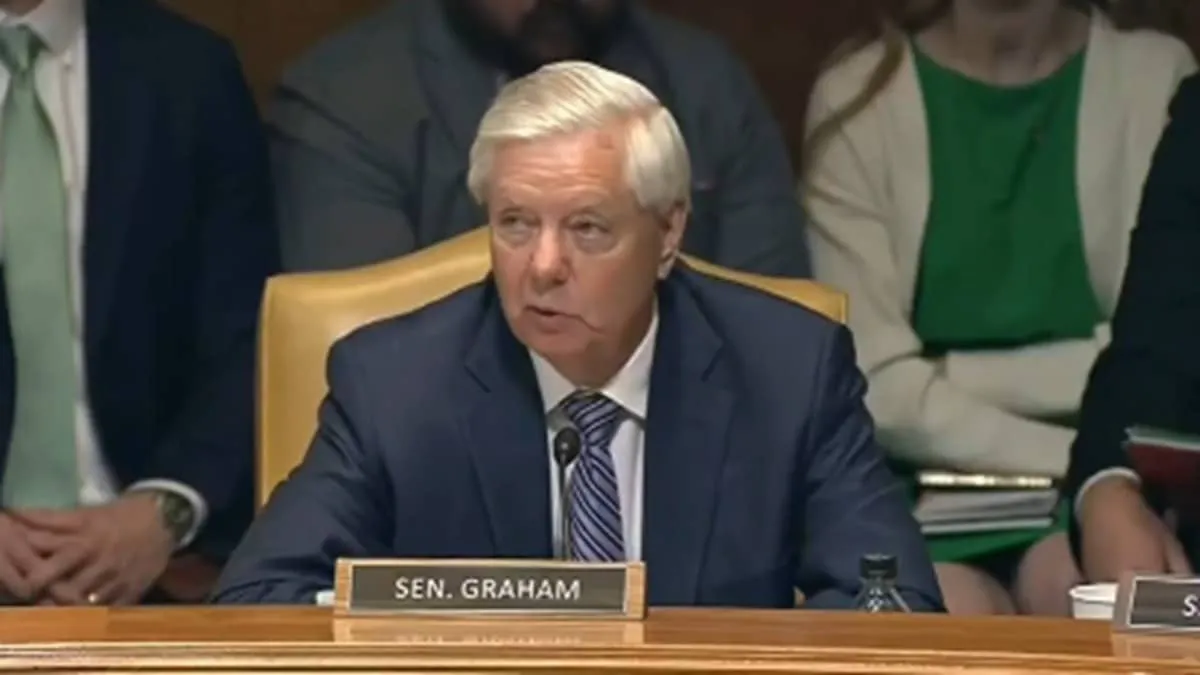
US Senator Lindsey Graham sharply attacked Pakistan’s role as a broker between the US and Iran, amid reports that Islamabad may have allowed Iranian military aircraft to use its airbases. The remarks come as the Pentagon said the Iran war has already cost about $29 billion, raising fresh questions over regional loyalties and intelligence cooperation.
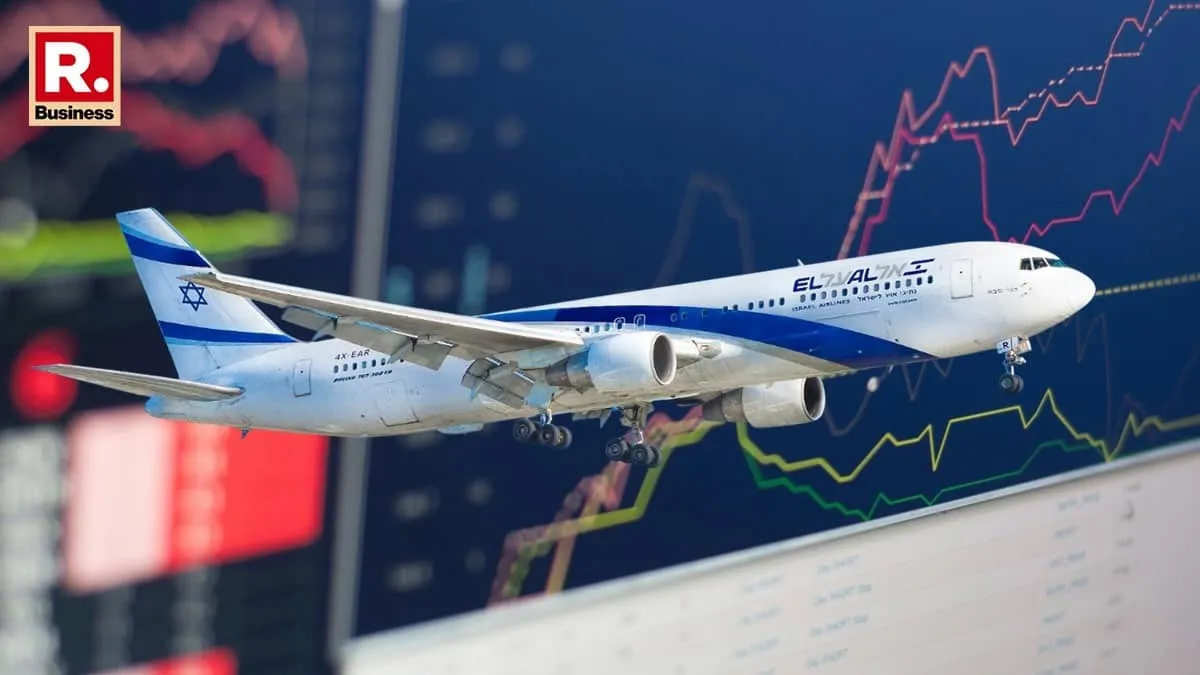
IndiGo shares fell 4.4% after Prime Minister Narendra Modi urged Indians to avoid non-essential foreign travel amid escalating West Asia tensions. At the same time, Brent crude rose toward $86 per barrel, raising expectations of higher Aviation Turbine Fuel costs. With fuel making up nearly 40% of operating expenses, investors also fear potential flight disruptions if the conflict drags on.
Never miss a story
Set alerts for the topics and sources you care about. Download Beige for free.
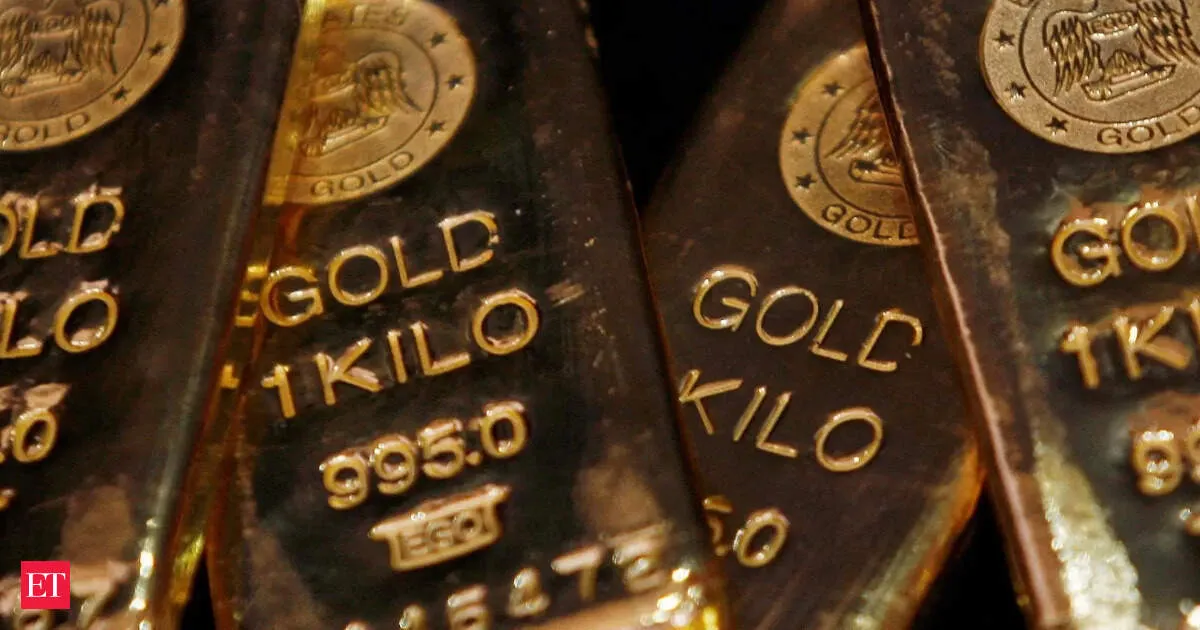
Titan Company says it is not worried about near-term gold supply disruptions tied to the West Asia conflict. The jeweller points to a working gold exchange programme and contingency sourcing plans that reduce risk and maintain availability. That approach is meant to protect operations across its jewellery brands, including Tanishq and CaratLane, while Titan continues its sourcing strategy.
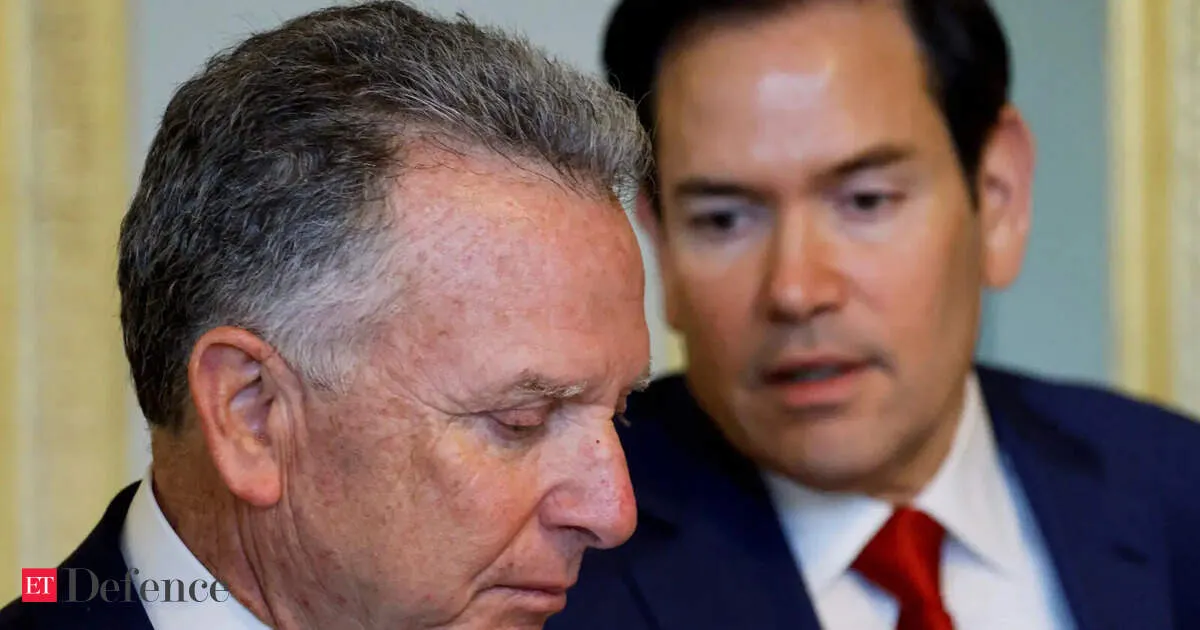
US officials including Rubio and Witkoff met Qatar’s Prime Minister in Miami to discuss negotiations with Iran. The talks are centered on a potential agreement aimed at ending the West Asia conflict, with mediators pressing both sides to de-escalate. Iran is still reviewing a US proposal and plans to respond when ready, leaving the deal timeline uncertain.
India’s point-of-sale terminal supply is running thin as disruptions linked to the West Asia conflict squeeze imports. In ETtech’s Morning Dispatch, the shortage is described as a sudden shift affecting availability and delivery timelines, raising concerns for merchants and payments infrastructure reliant on timely hardware replenishment. Skyroot’s CEO and other tech developments are also in focus.
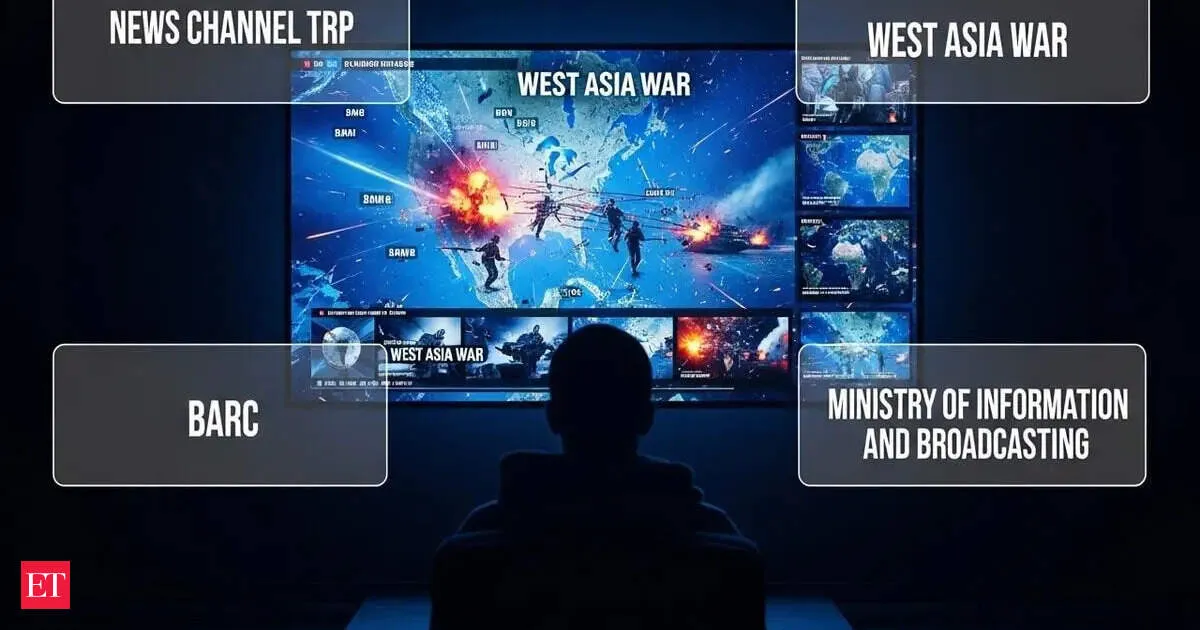
The government has extended its order withholding Television Rating Points for TV news channels by four more weeks. Officials say the move is meant to curb sensational, speculative programming and prevent panic among the public amid the West Asia conflict. The decision reflects a renewed push to limit fear-driven coverage while TRP reporting remains suspended.
Reading on mobile?
Open Beige in the app for a smoother experience — free on iOS and Android.
India’s economy is feeling pressure from West Asia conflict-linked disruptions, with crude oil prices rising and trade routes facing strain. Yet analysts point to steadier domestic demand and stable financial conditions as key shields. The government and the Reserve Bank of India are also tightening risk management, and officials argue reforms will determine how resilient growth stays over time.
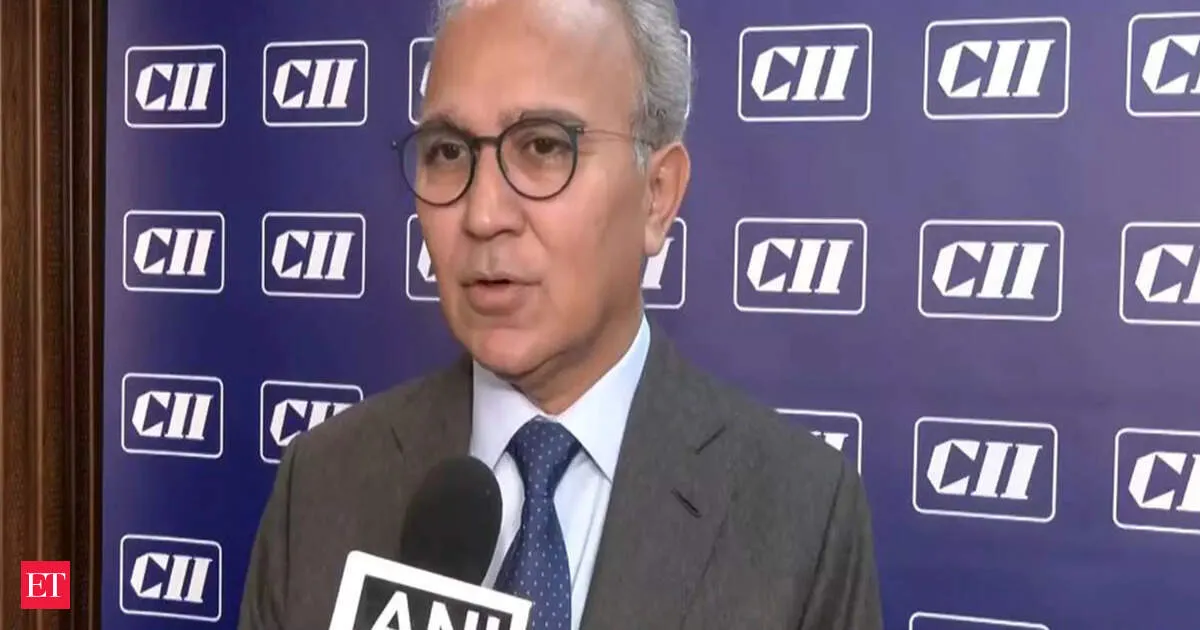
India’s growth outlook is hovering around 7% this fiscal, but CII president Rajiv Memani says the figure depends heavily on a quick end to the Iran war. If fighting drags on, growth could slow to 6.5%. Companies are already preparing for shocks, while private investment and confidence are expected to rebound once West Asia stabilizes, supported by steady consumption demand.
The West Asia conflict has highlighted India’s exposure to energy shocks, reigniting pressure to cut crude oil imports and strengthen energy security. An RBI MPC member said tackling import bills and inflation requires more domestic exploration and a quicker shift toward alternative energy sources. The goal: protect economic growth even as global instability drives costs higher.
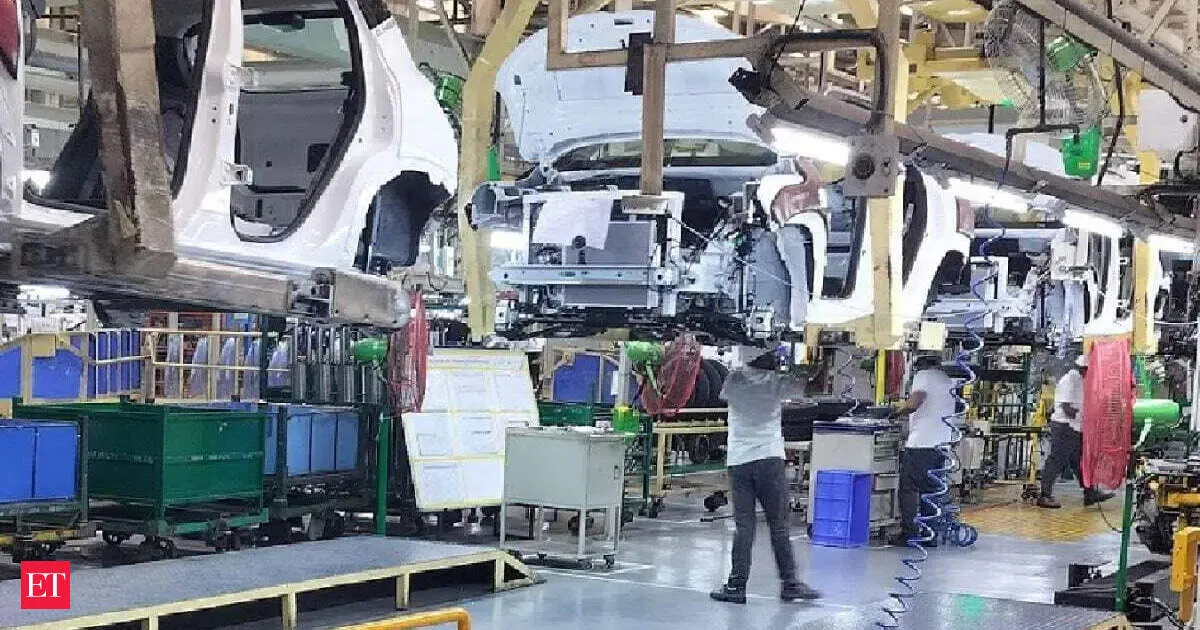
India’s manufacturing sector expanded modestly in April, with PMI rising to 54.7 as new orders and production improved and exports stayed strong. But inflation pressure is building: input prices accelerated at their fastest rate since August 2022, with output prices also climbing quickly. Hiring strengthened, hinting at optimism despite the cost shock linked to West Asia tensions.
Follow your favourite sources
Track sources, tags and categories — all in the Beige app.
Economic Advisory Council to the Prime Minister chairman S Mahendra Dev says India must proactively map and monitor economic vulnerabilities across energy, food and other key areas. In remarks to PTI, he cited the ongoing West Asia conflict as a real-world stress test, calling for a forward-looking risk management approach rather than reacting after disruptions hit supply and prices.
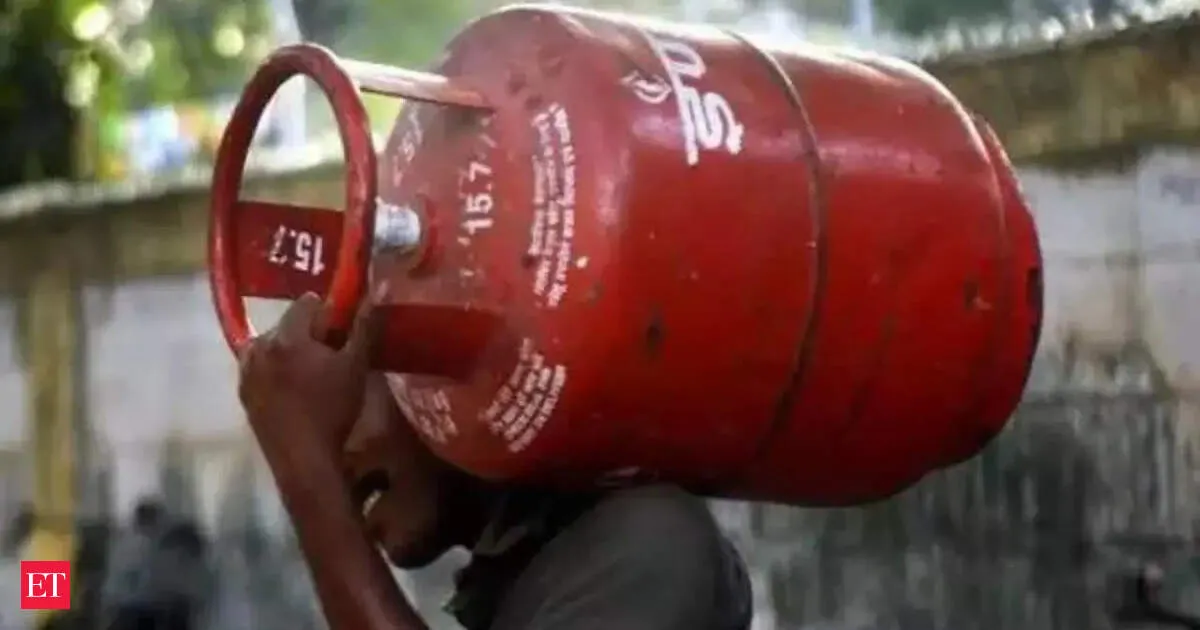
India’s LPG consumption fell 16% in April as disruptions linked to the West Asia conflict reduced supply for homes and businesses. The drop came both compared with April last year and the previous month, showing a sustained impact on availability. Fuel demand patterns also softened, with diesel and petrol growth moderating during the same period.
D2C brands are adjusting packaging and product variants as West Asia conflict fuels input cost hikes. To protect margins, companies are shifting to new packaging formats, rolling out larger or pricier versions, and speeding up supply chain localization. The result is a quiet but real shift in pricing and product offerings across multiple consumer categories.
The finance ministry has authorized force majeure for government contracts disrupted by the West Asia conflict, classifying the situation as war. Under the order, affected suppliers—such as drone manufacturers—can seek case-by-case deadline extensions as supply chain disruptions and delays of roughly two to four months are reported. Crucially, penalties can be avoided only for firms that had not defaulted by Feb 27.
Stay informed on the go
Bite-sized news from 100+ trusted sources, right in your pocket.
FSUI says Indian seafarers stranded in Iran and nearby regions are returning in phases, with many reportedly taking difficult routes through Armenia amid the West Asia conflict. FSUI General Secretary Manoj Kumar Yadav urged the government to intensify support for those affected, citing the risks and complexity of getting people home.
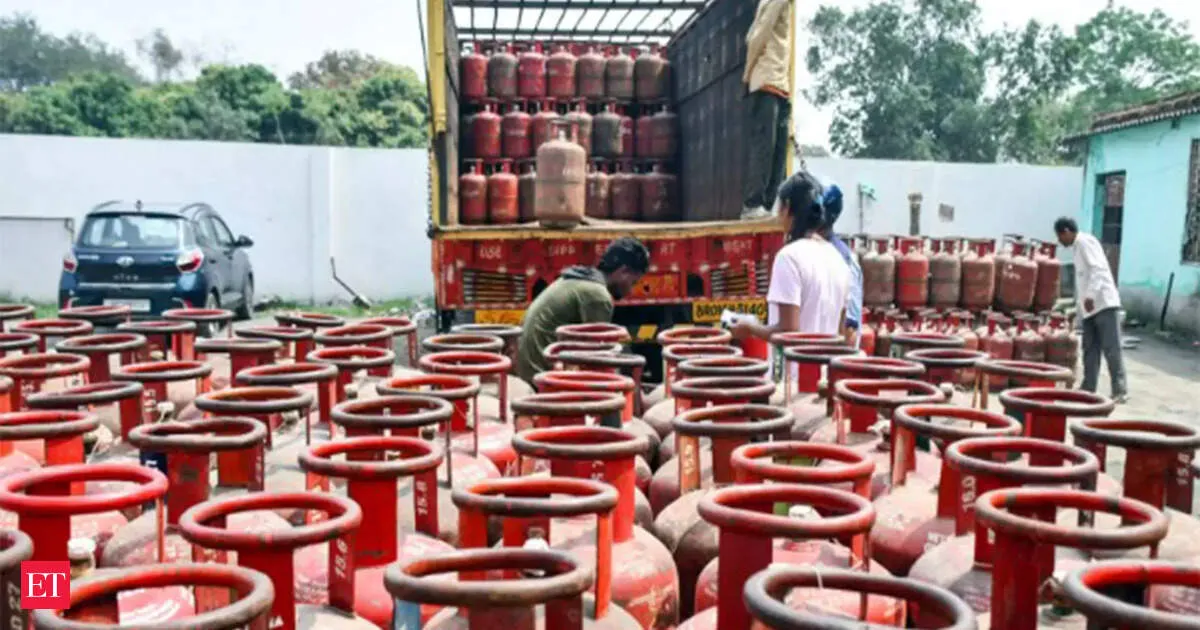
Commercial LPG cylinder prices have hit a record high after a Rs 993 increase per 19-kg cylinder, pushing the total rise in just three months to Rs 1,303. The spike is linked to higher global energy prices amid the West Asia conflict. Domestic LPG rates, by contrast, have stayed unchanged—leaving commercial buyers exposed to the full shock.
Swipe through stories, personalise your feed, and save articles for later — all on the app.