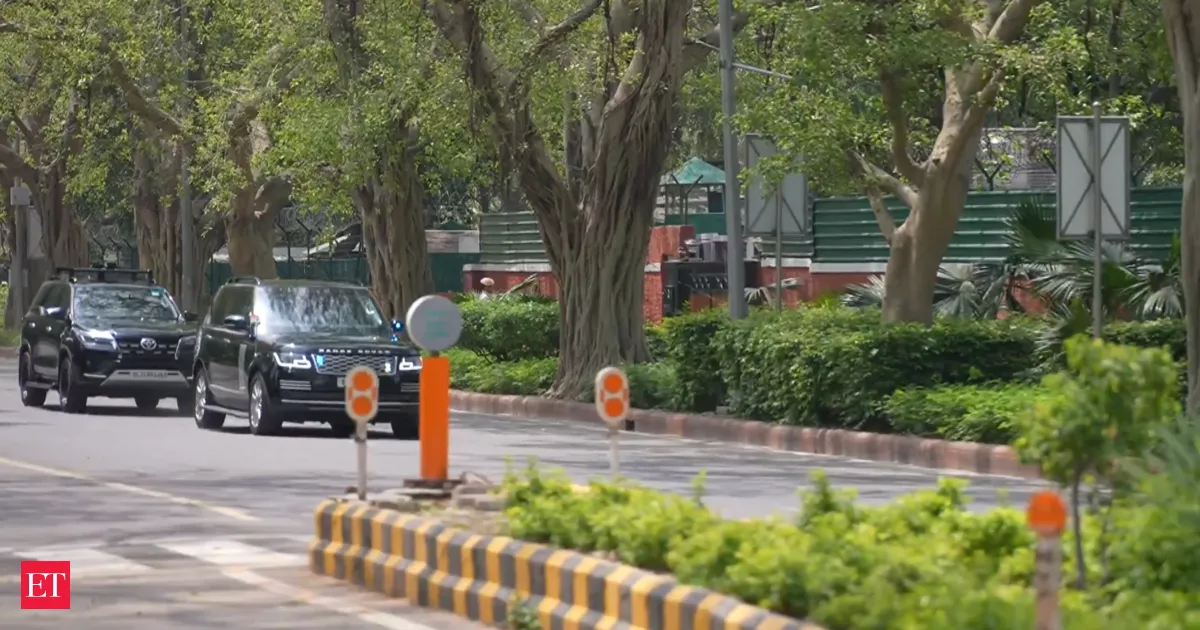
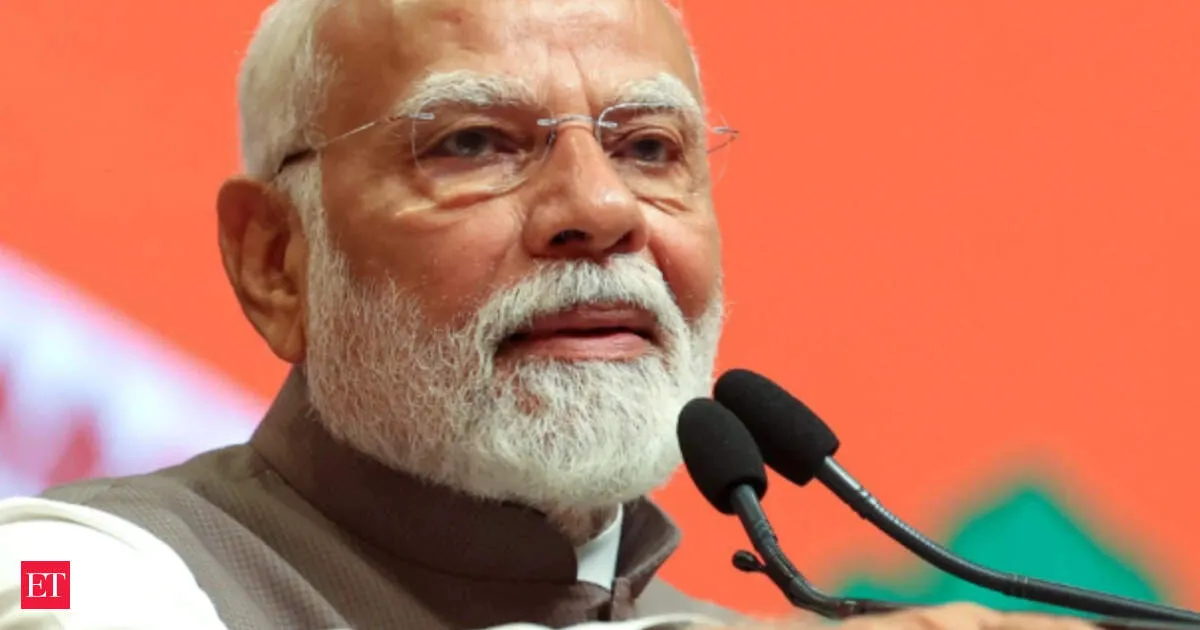
Former R&AW chief Samant Goel has rejected calls to shrink Prime Minister Narendra Modi’s security and convoy for fuel savings, arguing it would harm national interest. In comments to ANI, he said the threat picture has evolved, with risks like drones and sniper attacks, and that even leaders in “safe” countries have been targeted. Goel also stressed security planning is threat-based, that anonymity of vehicle movement matters, and that SPG mandatory protections must remain intact.
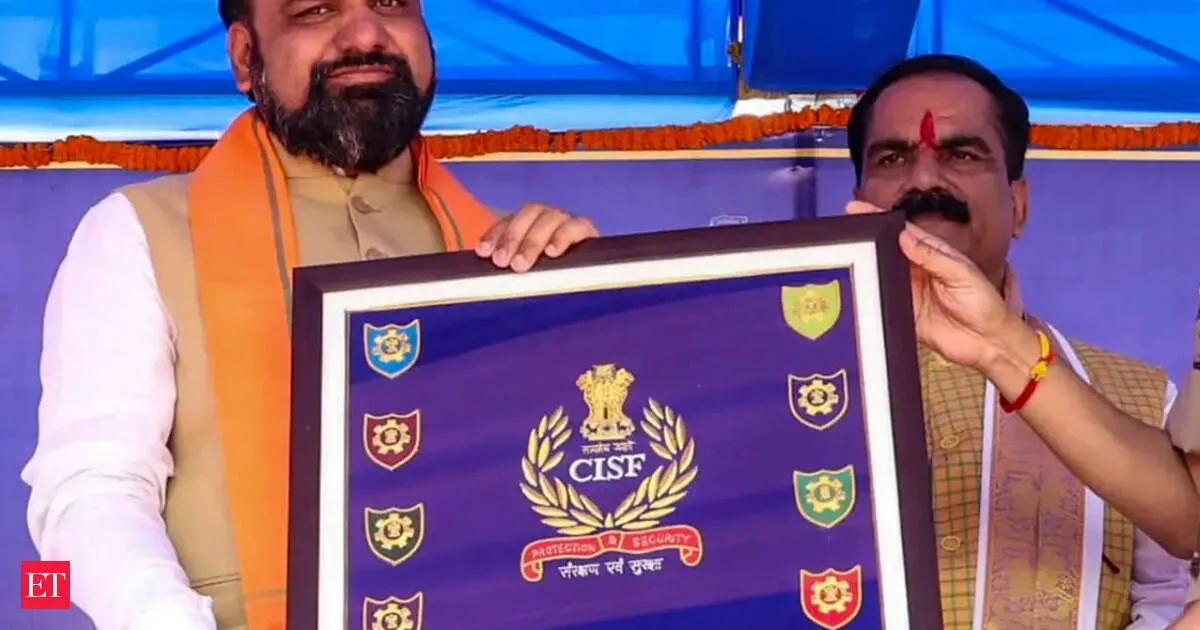
Bihar Chief Minister Samrat Choudhary walked from his official residence to the cabinet secretariat in Patna with senior officials, following Prime Minister Narendra Modi’s appeal to curb fuel use and spend more judiciously amid the West Asia crisis. Choudhary previously ordered a reduction in his cavalcade, which cabinet colleagues also followed. His government is set to push work-from-home, hold meetings via video-conferencing, and observe a weekly no-vehicle day. It also directed lower palm-oil usage in government canteens.
Your news, in seconds
Get the Beige app — every story in 60 words, updated hourly. Free on iOS & Android.
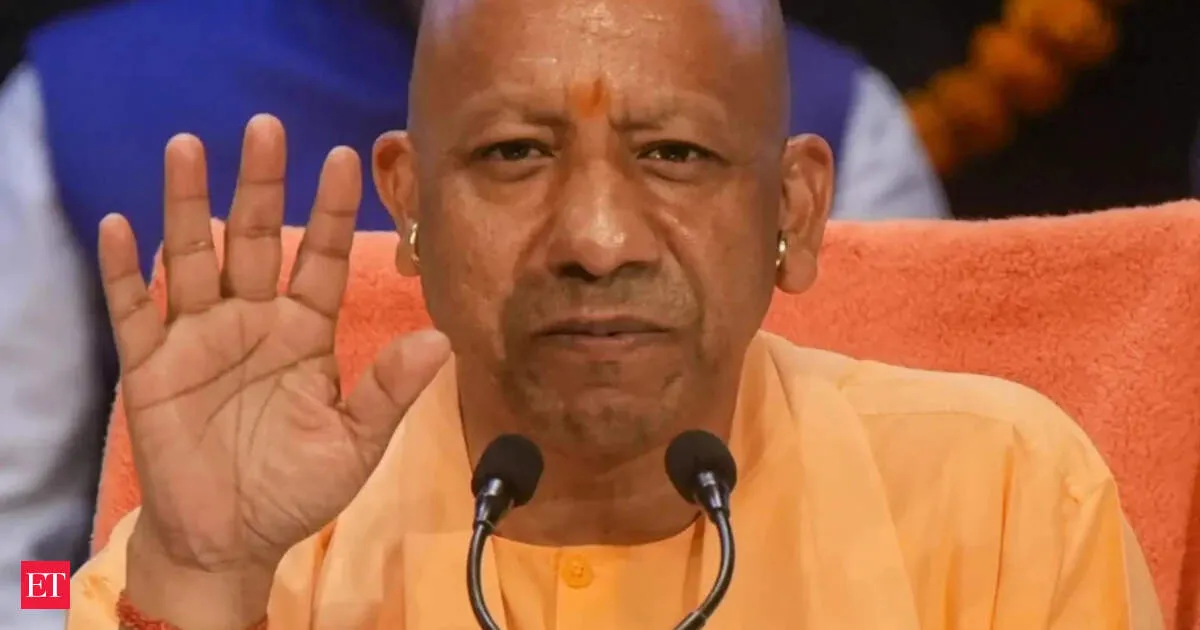
Uttar Pradesh CM Yogi Adityanath compared the current West Asia crisis to the COVID era, urging citizens to adopt a “collective responsibility” mindset to protect fuel, food, and fertiliser supplies. Speaking at the “9 Defining Years of Transforming UP” conclave, he pushed self-reliance through public transport, renewable energy, carpooling, electric vehicles, and rural biogas community kitchens. He also touted major UP gains since 2017, including infrastructure expansion, rising agricultural output, and tripled per capita income, positioning the state as an investment hub.
Two LPG cargo vessels carrying supplies for India have safely crossed the Strait of Hormuz and are expected to reach Indian ports in the coming days. The move comes amid an ongoing West Asia crisis, highlighting the Centre’s push to protect energy deliveries and keep fuel supply uninterrupted even as regional risks remain elevated.
A central government employees’ association has urged the Centre to issue clear guidelines for work from home and virtual meetings, citing Prime Minister Narendra Modi’s push to cut avoidable spending amid the West Asia crisis. The group says a structured WFH framework can improve productivity while supporting a “green secretariat” agenda.
Morgan Stanley has raised its India FY27 GDP growth forecast to 6.7% from 6.2%, even as it flags uncertainty tied to the ongoing West Asia crisis. The revision also reflects updated assumptions, including average crude oil prices of about $95 per barrel in FY27, underscoring how energy costs could shape India’s next-year momentum.
Never miss a story
Set alerts for the topics and sources you care about. Download Beige for free.
India has sharply increased customs duties on precious metals including gold, silver and platinum to 15%, citing the need to conserve foreign exchange and protect the economy amid the ongoing West Asia crisis. The move, attributed to Finance Ministry sources, aims to curb import pressure as global uncertainty deepens and financial risks rise.
India’s retail inflation is holding steady despite West Asia tensions, with imported inflation easing slightly. However, the report warns the next phase may hinge on how quickly fuel prices pass through and how summer crops perform. LPG shortages have pushed up restaurant and accommodation costs, while softer gold and silver helped cool personal care inflation.
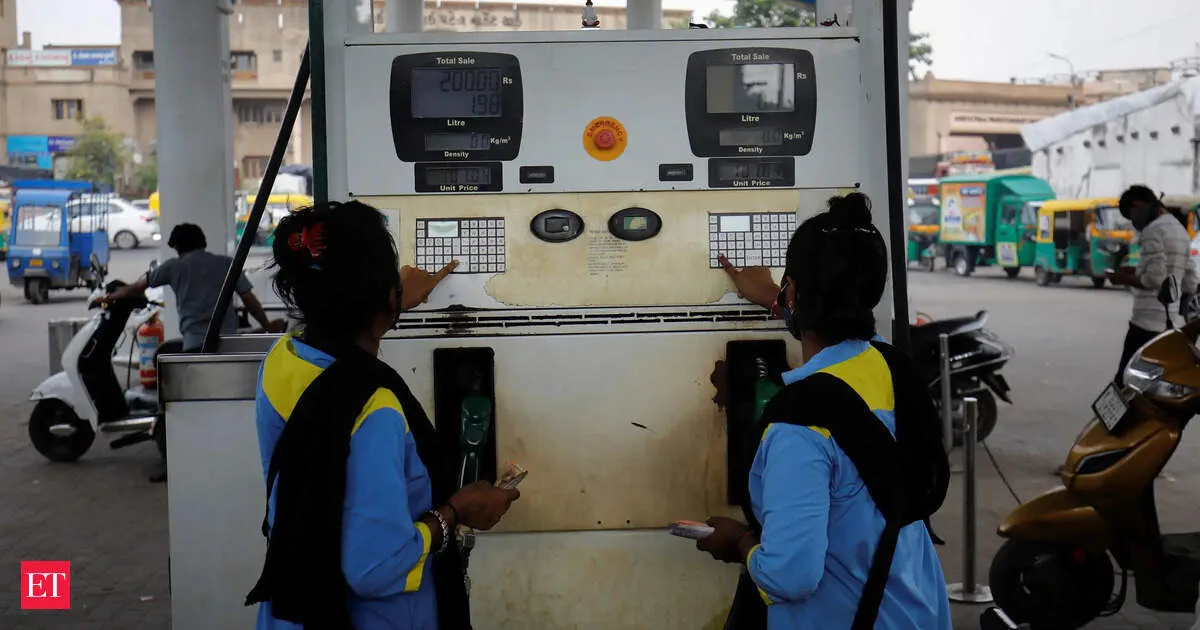
Petrol and diesel prices today remain unchanged despite the West Asia crisis, but Petroleum Minister Hardeep Singh Puri warned that oil companies are logging daily losses exceeding Rs 1,000 crore. Retailers, squeezed by these pressures, may force the government to take a call on price hikes soon, even as prices at the pump have held steady.
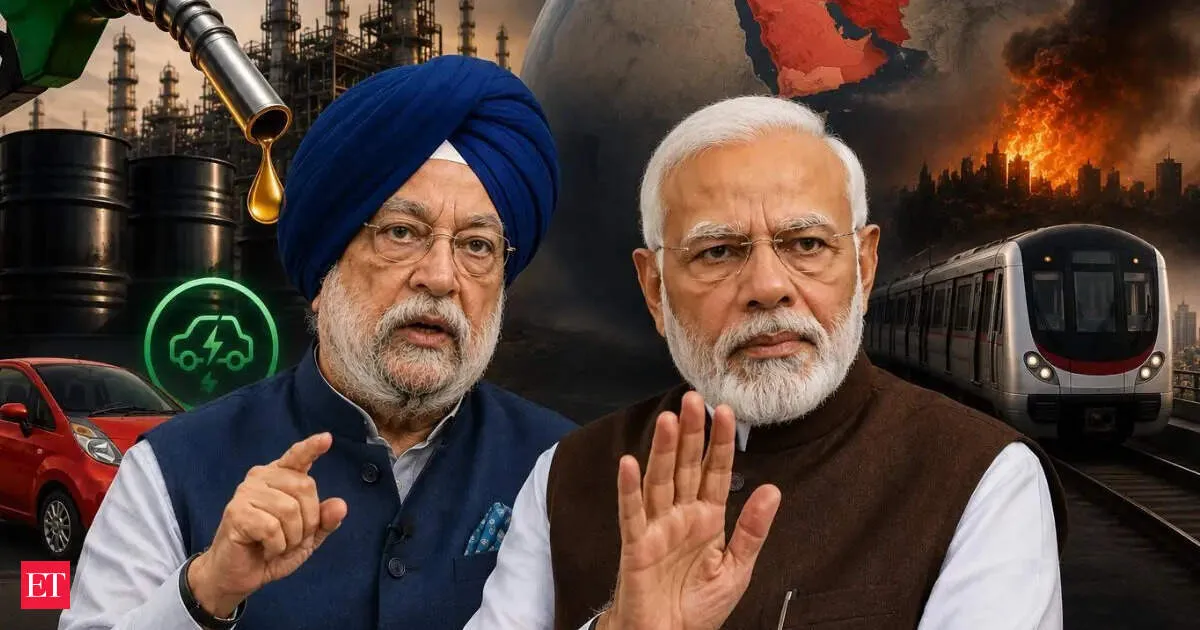
Union Minister Hardeep Singh Puri played down concerns that Modi’s fuel conservation push could lead to lockdown-style restrictions. He said India’s energy picture remains stable, citing rising domestic LPG production and large existing oil and LPG reserves. The reassurance comes as West Asia tensions spur tighter attention on fuel usage and supply reliability.
Reading on mobile?
Open Beige in the app for a smoother experience — free on iOS and Android.
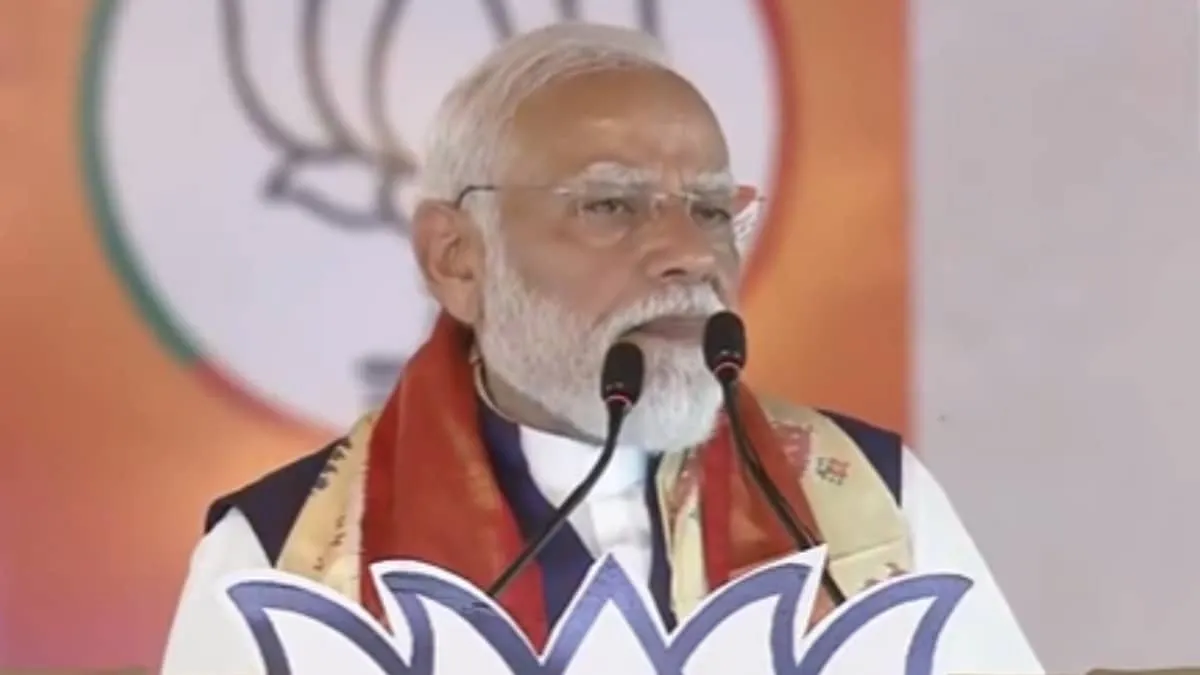
Prime Minister Narendra Modi called for austerity to manage fallout from the West Asian crisis, warning about rising import costs and supply risks. He asked citizens to cut private vehicle use in favor of public transport and carpool. Offices should increase virtual meetings, schools can switch to online classes, and people should temporarily reduce spending on edible oil and gold.
A new political storm erupted after Prime Minister Narendra Modi’s “seven appeals” urged steps to shield India’s economy from the worsening West Asia crisis. BJP framed the move as “economic self-defence,” but Opposition leaders accused it of repackaging failures. The debate quickly became a battle over responsibility, messaging, and economic preparedness as tensions abroad intensify.
Prime Minister Narendra Modi has asked schools and colleges to consider temporary online classes, alongside increased work-from-home at companies. The rationale: conserve fuel and help India’s economy as crude oil prices rise due to the West Asia crisis. Citizens are also encouraged to use public transport and cut fuel consumption. Officials say the steps aim to reduce strain while navigating global uncertainty.
Prime Minister Narendra Modi urged Indians to strengthen the economy by cutting back on imports and choosing local products. He also appealed for lower fuel consumption and more mindful spending abroad as global uncertainty grows amid the West Asia crisis. The message frames these everyday decisions as collective action to build resilience and economic stability.
Follow your favourite sources
Track sources, tags and categories — all in the Beige app.
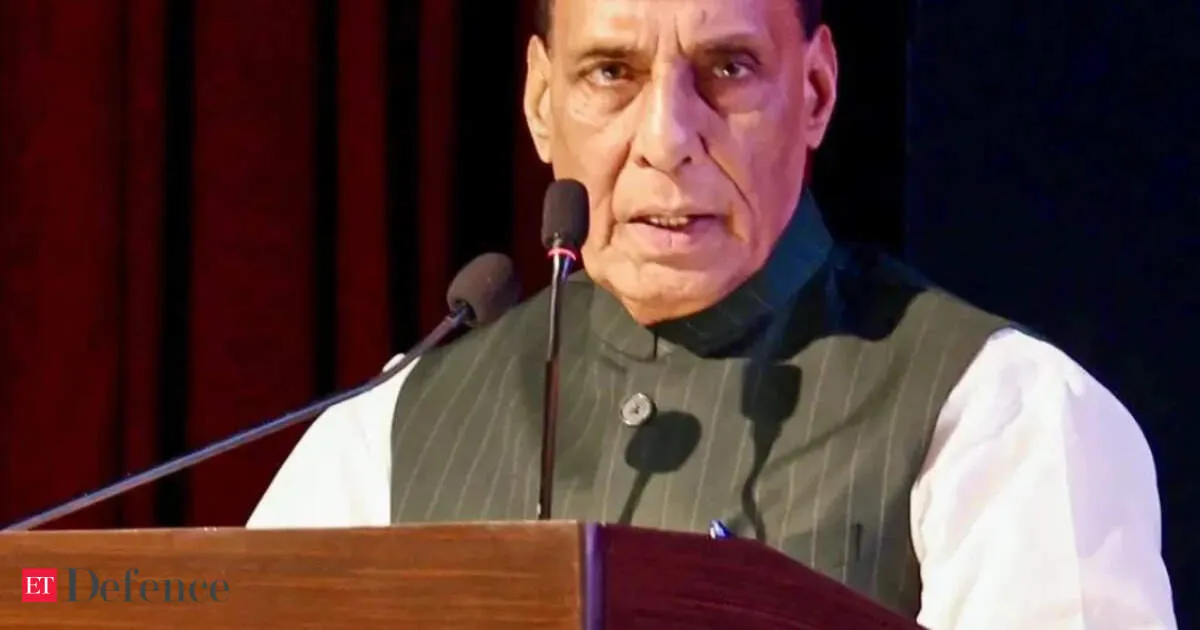
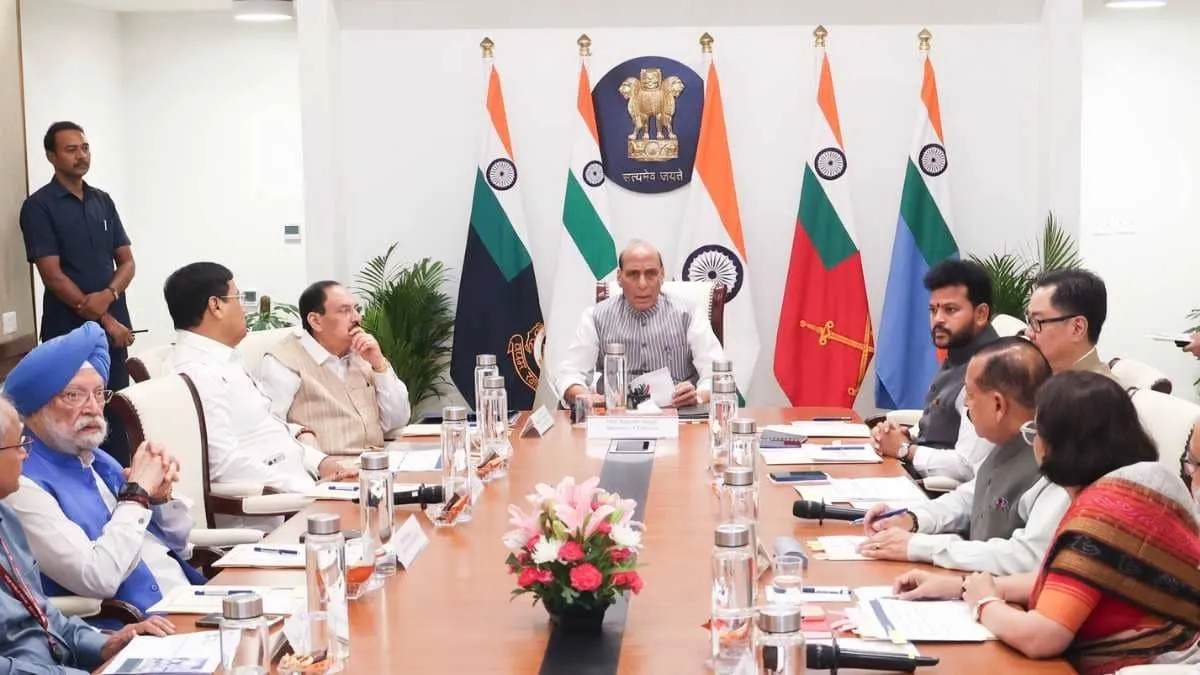
Amid instability in West Asia, Defence Minister Rajnath Singh said India is taking concrete steps to protect key supply chains and maintain reliable energy for citizens. He chaired a meeting focused on maritime security and economic resilience, noting the country’s petroleum reserves and urging fuel conservation to reduce financial pressure as global risks mount.
Defence Minister Rajnath Singh asked citizens to stay calm and avoid panic amid a West Asia crisis, as supply chain concerns grow. He echoed Prime Minister Narendra Modi’s call for behavioral changes, including cutting back on petrol use, to limit excess foreign expenditure. Singh said the government’s steps will strengthen self-reliance and support energy security.
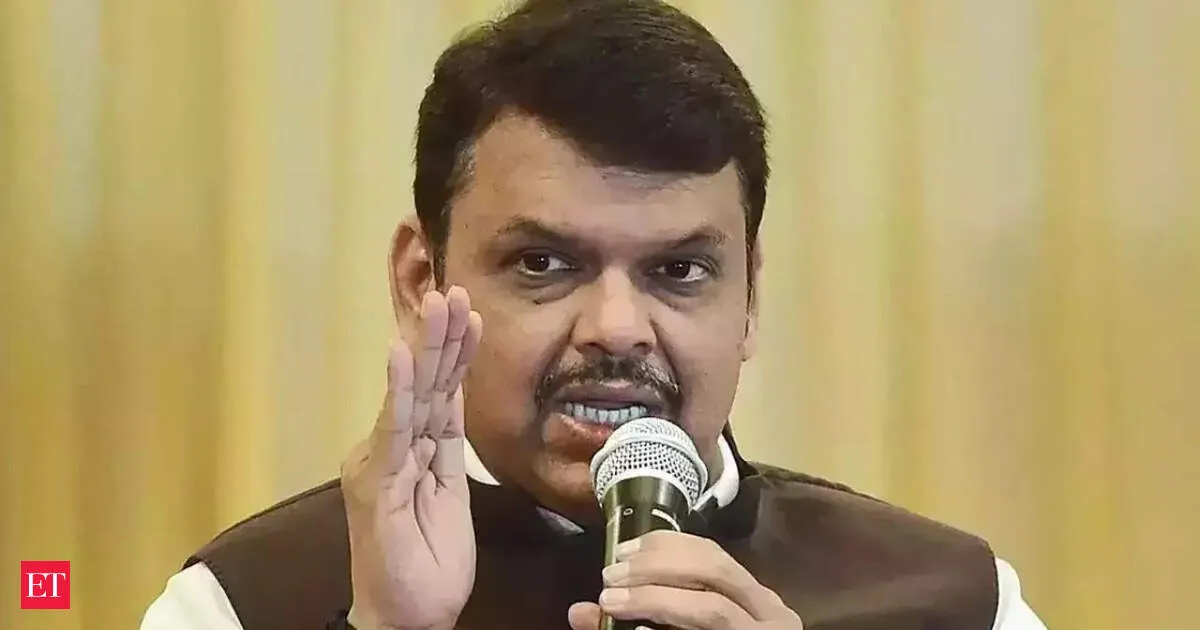
Maharashtra Chief Minister Devendra Fadnavis echoed Prime Minister Narendra Modi’s call for responsible consumption as West Asia tensions disrupt oil and gas supplies and push prices higher. Fadnavis cautioned that improper fuel use could worsen shortages in India. Modi also urged citizens to cut edible oil consumption and shift toward natural farming to reduce pressure on imports.
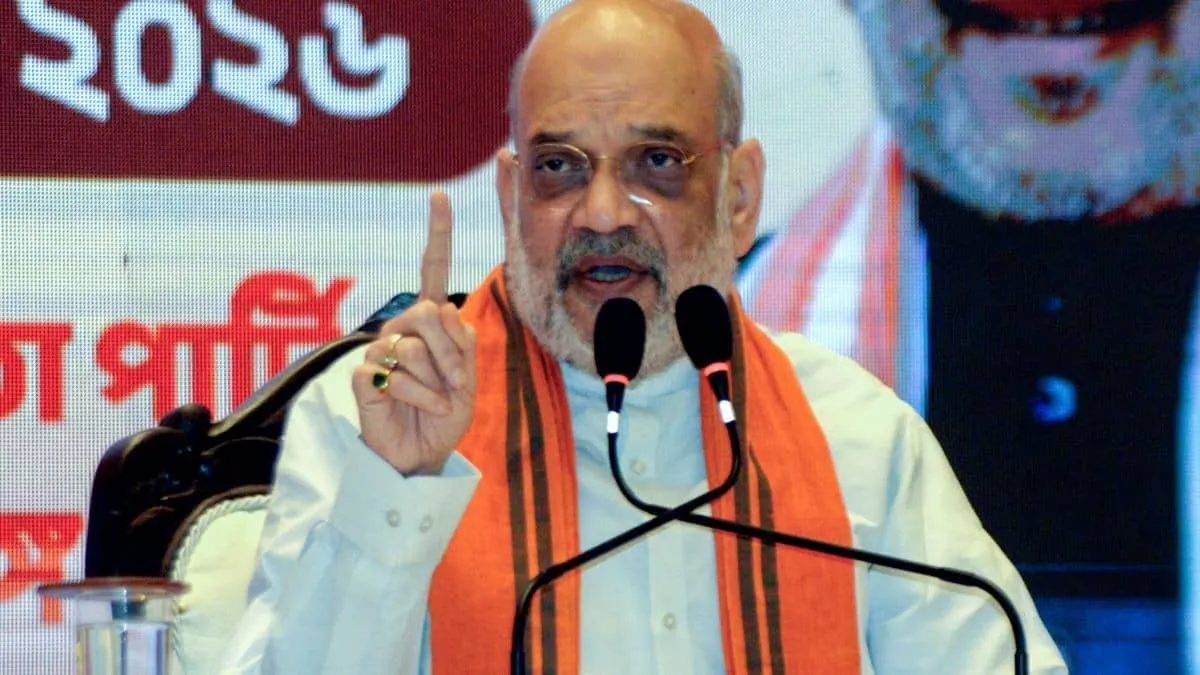
Union Home Minister Amit Shah praised Prime Minister Narendra Modi’s appeal to conserve fuel, revive work-from-home, and move toward natural farming amid the West Asia crisis. Shah described the steps as “visionary” and “decisive,” framing them as a roadmap to strengthen India’s self-reliance and energy independence while addressing global instability.
Stay informed on the go
Bite-sized news from 100+ trusted sources, right in your pocket.
Amid the escalating West Asia crisis and a worsening global energy outlook, Prime Minister Narendra Modi urged citizens to curb petroleum use and prioritize smarter daily choices. He also asked people to reduce gold and edible oil purchases and to lean on work from home, online meetings, and video conferences, arguing these shifts serve national interest while stabilizing demand.
Pidilite Industries says it may raise prices again as geopolitical tensions in West Asia push raw material inflation to around 40–50%. The company, maker of brands like Fevicol, has already taken earlier hikes and is trying to balance rising input costs while pursuing growth and protecting profit margins. Consumers may face fresh pricing pressure soon.
Swipe through stories, personalise your feed, and save articles for later — all on the app.