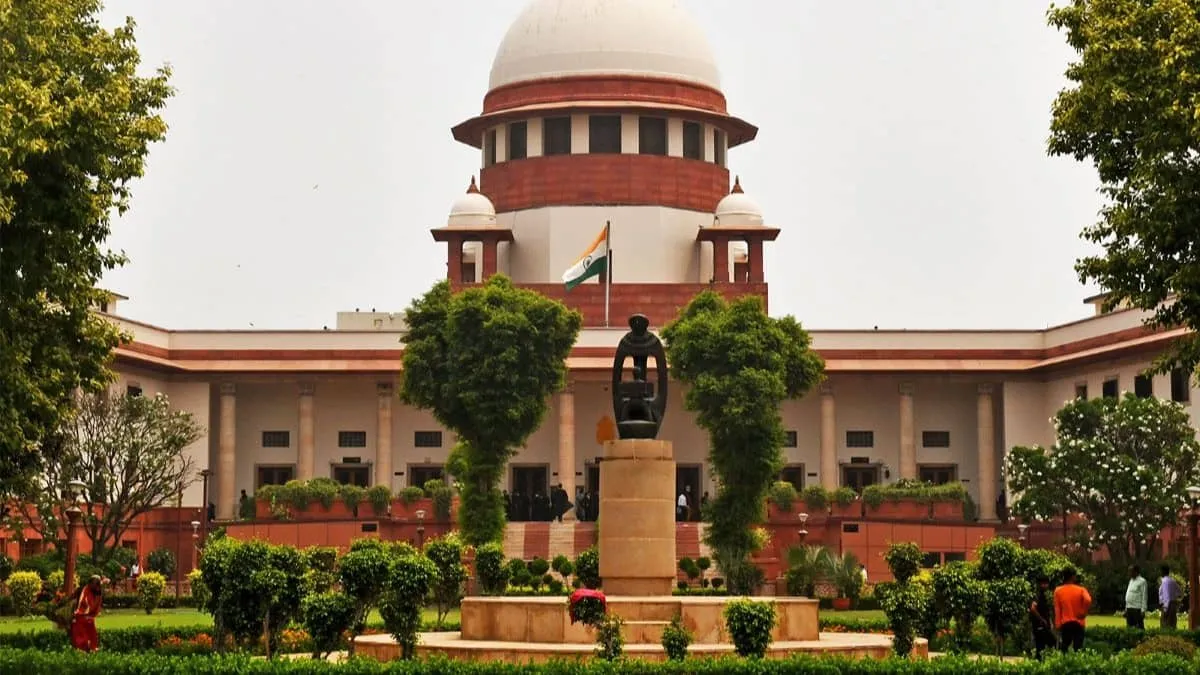
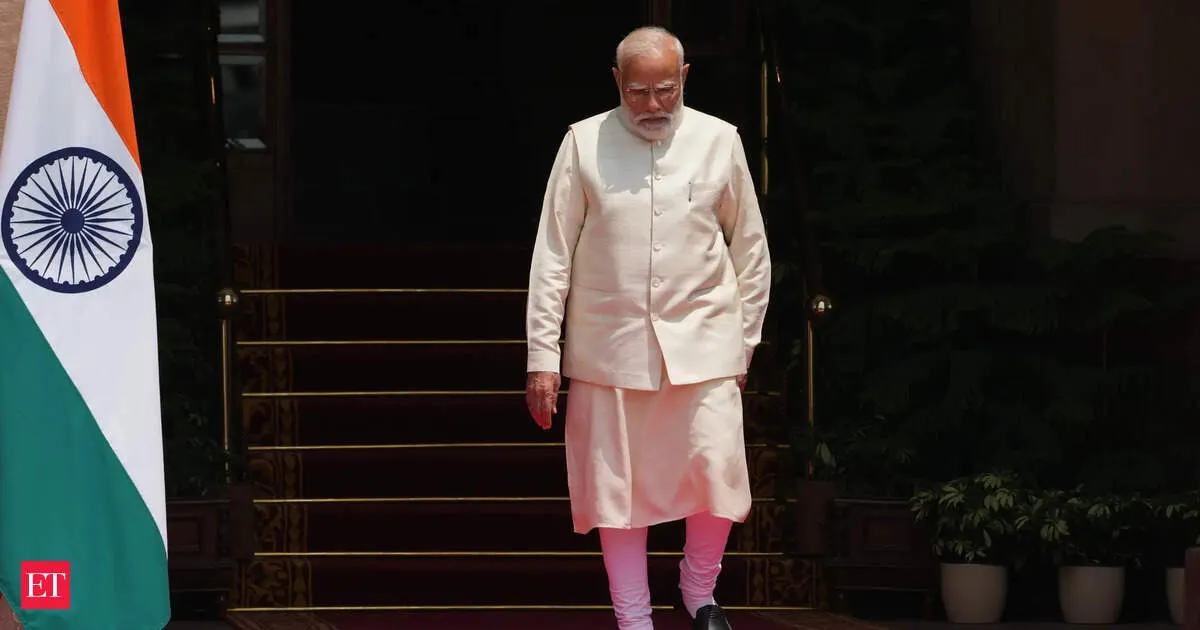
The Supreme Court has ordered that all hearings on Mondays and Fridays will be conducted exclusively through video conference. Starting Tuesday to Thursday, litigants and lawyers can choose between physical attendance and virtual appearance, creating a weekly hybrid model. The court says judges have unanimously agreed to encourage carpooling to optimise fuel use, aligning the change with the government’s fuel conservation push during the West Asia crisis. It also allows up to 50% of registry staff in each section to work from home two days weekly.
Facing a deepening global fuel crisis and disruptions tied to conflict in West Asia, India’s Supreme Court has overhauled its functioning. From immediately, all hearings will be fully virtual every Monday and Friday via video conferencing to cut fuel use. For the rest of the week, Tuesday to Thursday, operations switch to a hybrid model, letting lawyers and litigants choose physical or virtual appearances. A May 15 circular also permits up to 50% of registry staff to work from home twice weekly.
Your news, in seconds
Get the Beige app — every story in 60 words, updated hourly. Free on iOS & Android.
Citing the Union government’s fuel conservation directive amid the West Asia conflict, the Supreme Court has issued immediate administrative steps. A May 15, 2026 circular mandates that all matters listed on miscellaneous days—Mondays, Fridays, or declared miscellaneous days—and partial working days be heard through video-conferencing. It also pushes car-pooling among judges and allows Registry staff to work from home up to two days weekly for up to 50% of staff per section, on rotation.
Bihar Chief Minister Samrat Choudhary walked from his official residence to the cabinet secretariat in Patna with senior officials, following Prime Minister Narendra Modi’s appeal to curb fuel use and spend more judiciously amid the West Asia crisis. Choudhary previously ordered a reduction in his cavalcade, which cabinet colleagues also followed. His government is set to push work-from-home, hold meetings via video-conferencing, and observe a weekly no-vehicle day. It also directed lower palm-oil usage in government canteens.
Sikkim has announced sweeping austerity measures from May 18, 2026, aimed at cutting petroleum use and conserving public resources after Prime Minister Narendra Modi’s nationwide appeal amid the West Asia crisis. The Home Department notification orders 50% of government staff to work from home on rosters, a 30% reduction in fuel allotments, and halving the Chief Minister’s vehicle convoy. A one-year ban on new government vehicle purchases, weekend government vehicle restrictions, and an expanded odd-even system across all districts also take effect immediately.
The power ministry has advised its public sector undertakings to test a modern work arrangement: allowing employees to work from home for one day each week. The guidance asks PSUs to assess operational feasibility and, where possible, permit up to 20% of staff to work remotely on any given day. The move aligns with wider reassessments of hybrid work after pandemic-era changes, including new pressures from the Iran conflict’s economic fallout.
Never miss a story
Set alerts for the topics and sources you care about. Download Beige for free.
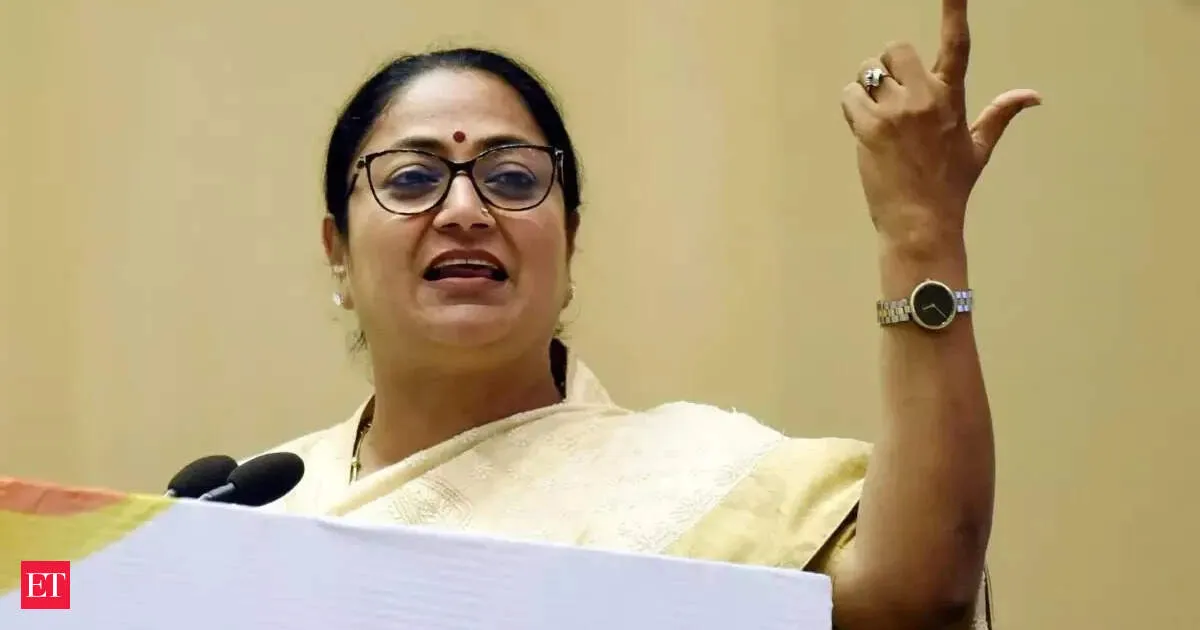
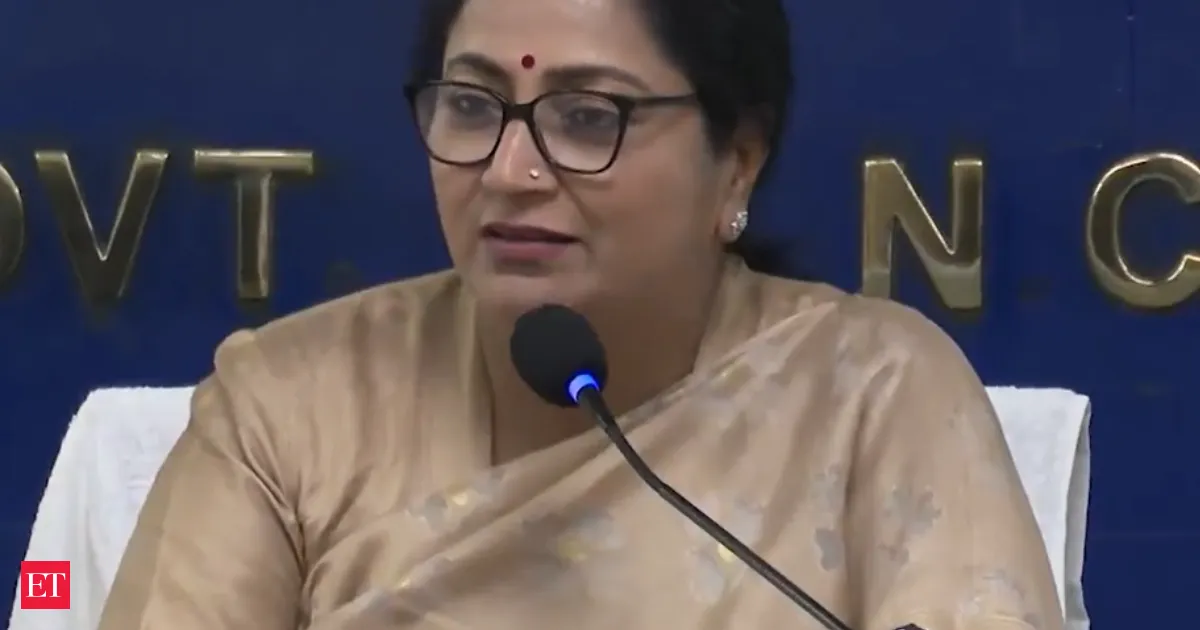
Delhi Chief Minister Rekha Gupta has cut her official convoy size by about 60%, using only four vehicles and including two electric cars, while operating with reduced security amid West Asia tensions. Lieutenant Governor Taranjit Singh Sandhu also used EVs and urged metro, carpooling, and public transport for energy security and greener air. Gupta announced Metro commute for ministers every Monday, two-day weekly WFH for government offices, a voluntary no-vehicle day, reduced petrol-diesel quotas, and cancelled foreign visits for a year.
Delhi Chief Minister Rekha Gupta announced a fuel-saving and cost-cutting drive under “Mera Bharat, Mera Yogdaan,” asking private offices, IT firms, and educational institutions to reduce travel and fuel use. The government will shift to work from home two days a week for its own offices and recommends the same approach for the private sector.
Delhi Chief Minister Rekha Gupta has ordered mandatory work-from-home for government employees, requiring two days each week. The Labour Department will oversee implementation, and private companies and institutions are being asked to adopt a similar policy. The move targets how government work is scheduled while expanding remote work guidance beyond public offices.
Delhi’s government has unveiled new steps to conserve fuel and reduce avoidable spending, following Prime Minister Narendra Modi’s appeal for mindful consumption. The plan includes expanding online meetings and encouraging virtual academic sessions for colleges and universities wherever feasible, signaling a potential return of more remote learning options.
Reading on mobile?
Open Beige in the app for a smoother experience — free on iOS and Android.
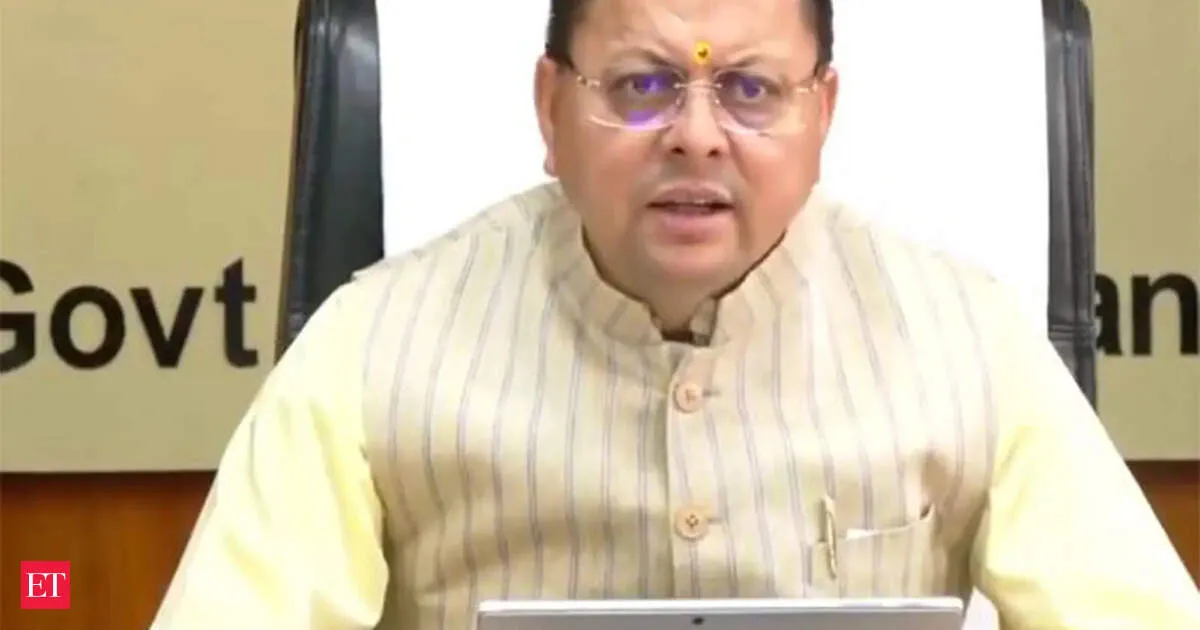
Uttarakhand’s cabinet, chaired by Chief Minister Pushkar Singh Dhami, has approved work-from-home arrangements and a weekly no-vehicle day to reduce fuel consumption. The government will also cut the chief minister’s and all ministers’ vehicle fleets by half. A new electric vehicle policy will be introduced to push sustainable transport across the state.
A central government employees’ association has urged the Centre to issue clear guidelines for work from home and virtual meetings, citing Prime Minister Narendra Modi’s push to cut avoidable spending amid the West Asia crisis. The group says a structured WFH framework can improve productivity while supporting a “green secretariat” agenda.
Anupam Mittal’s Shaadi.com is shifting 500 employees to one work-from-home day each week, targeting savings of about 30,000 liters of petrol annually. The move comes after PM Modi urged fuel conservation amid supply pressures, and it has ignited debate online on whether hybrid work could ease traffic and reduce pollution across India.
After Prime Minister Modi’s fuel conservation call, multiple Indian states have rolled out austerity steps. Governments are reducing official vehicle use, cutting down VIP convoys, and encouraging work-from-home alongside greater use of public transport. The moves are framed as efforts to curb unnecessary spending and conserve fuel amid ongoing global uncertainty and budget pressures.
Follow your favourite sources
Track sources, tags and categories — all in the Beige app.
Uttar Pradesh CM Yogi Adityanath has advised citizens to adopt austerity amid the West Asia crisis. His plan includes work-from-home twice a week, cutting vehicle usage in official convoys and reducing ministerial fleets by half. He also pushed public transport, cycling, electric vehicles and announced a weekly no-vehicle day to curb fuel and emissions.
Prime Minister Narendra Modi’s WFH advisory amid West Asia tensions has sparked debate in corporate India, but many Indian startups are holding back. Founders across Delhi NCR, Bengaluru and Mumbai cite pandemic lessons: remote work allegedly slowed execution, complicated collaboration, and made office culture harder to reverse—plus many are stuck with long-term leases.
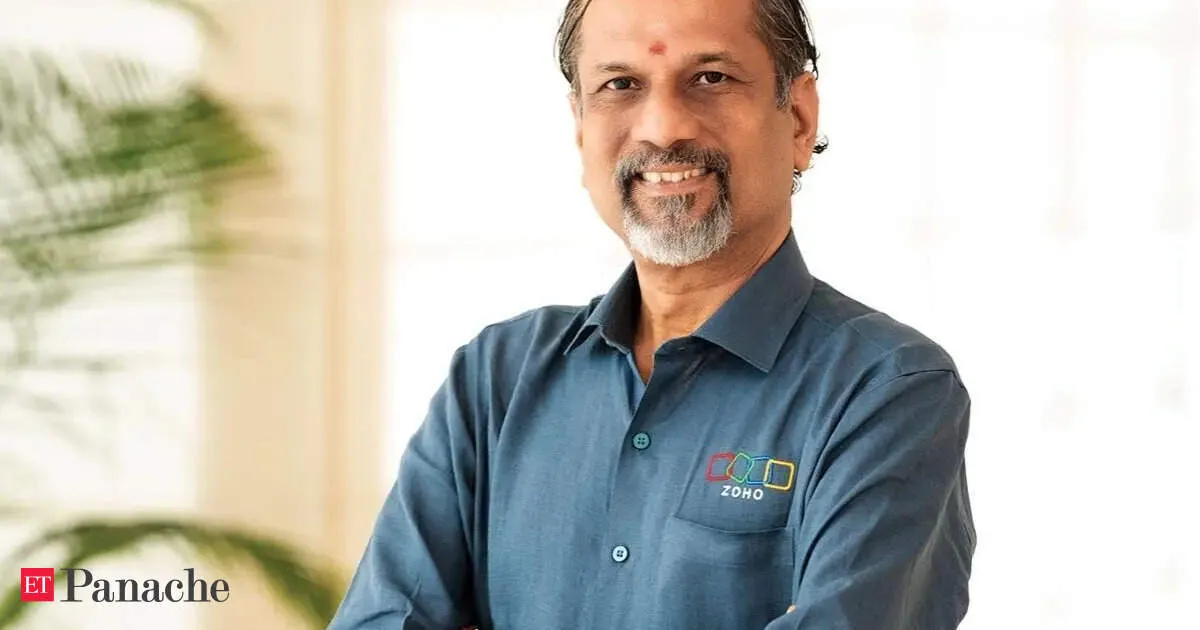
Zoho founder Sridhar Vembu says the company is bringing employees back to the office to improve practical collaboration and experiential learning. While he admits remote work can handle some tasks, he argues that in-person interaction drives better innovation, especially for R&D work. Still, he hints Zoho will move toward a partial WFH model later.
Indian businesses are reassessing spending and work-from-home practices after Prime Minister Narendra Modi urged citizens to save foreign exchange amid West Asia tensions. Industry leaders are pushing for more domestic investment as companies weigh travel and consumption changes. While jewellery stocks fell, the government denied any plan to raise gold or silver import duties, leaving firms to monitor market signals and adjust strategies.
Stay informed on the go
Bite-sized news from 100+ trusted sources, right in your pocket.
Indian firms are moving to reduce non-essential domestic and international travel after the Prime Minister urged work from home. Many companies already run hybrid models and are now looking to broaden remote work further. The shift is framed as a proactive way to conserve resources while aligning with national efforts, with travel cuts expected to accelerate across sectors.
Prime Minister Narendra Modi’s call to conserve energy, paired with support for working from home, puts companies in a tough spot. Some employers want employees back in offices, but the political and energy framing may unintentionally strengthen the case for remote work—showing how much commutes truly cost in time, comfort, and productivity.
Swipe through stories, personalise your feed, and save articles for later — all on the app.