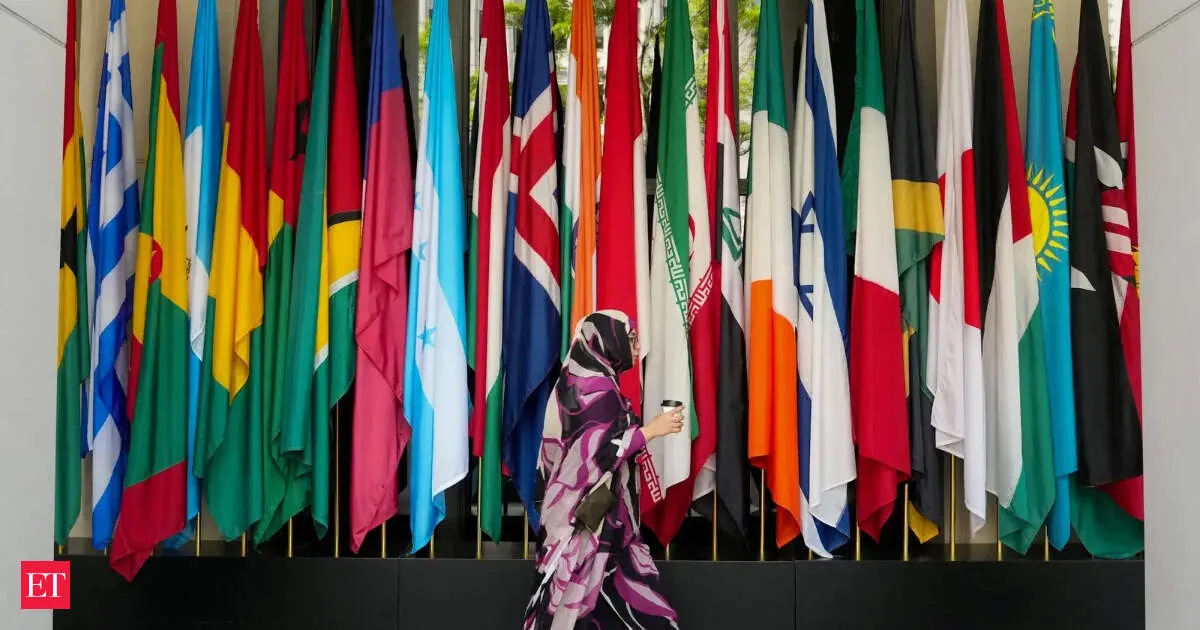
A joint delegation from the World Bank and the Asian Development Bank visited Amaravati to review progress on major infrastructure and development works. Beyond tracking delivery timelines, the teams checked compliance with environmental regulations and looked at how labor rights are being upheld on the ground, signaling a more stringent approach to project execution.
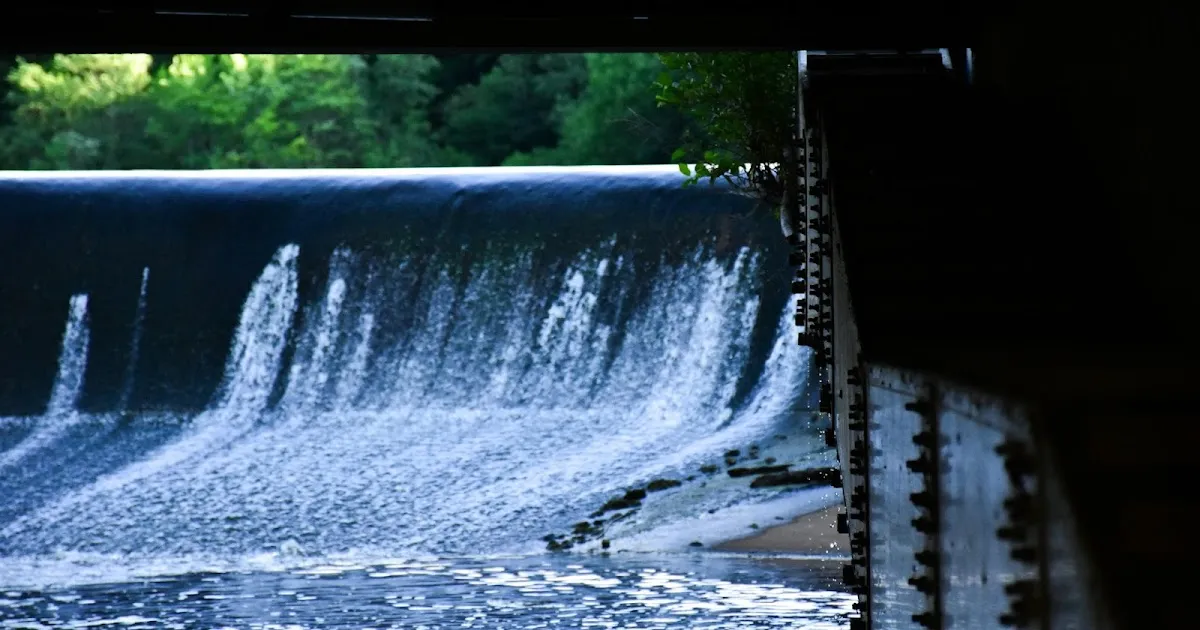
Bhutan has signed $515 million in financing deals with the World Bank, partnering with Tata Power, to develop the 1,125 MW Dorjilung Hydroelectric Power Project. Scheduled for completion by 2031, it could generate over 4,500 GWh yearly, lift GDP by 2.4%, and supply nearly 80% of output to India while cutting about 3.3 million tons of CO₂ annually.
Your news, in seconds
Get the Beige app — every story in 60 words, updated hourly. Free on iOS & Android.
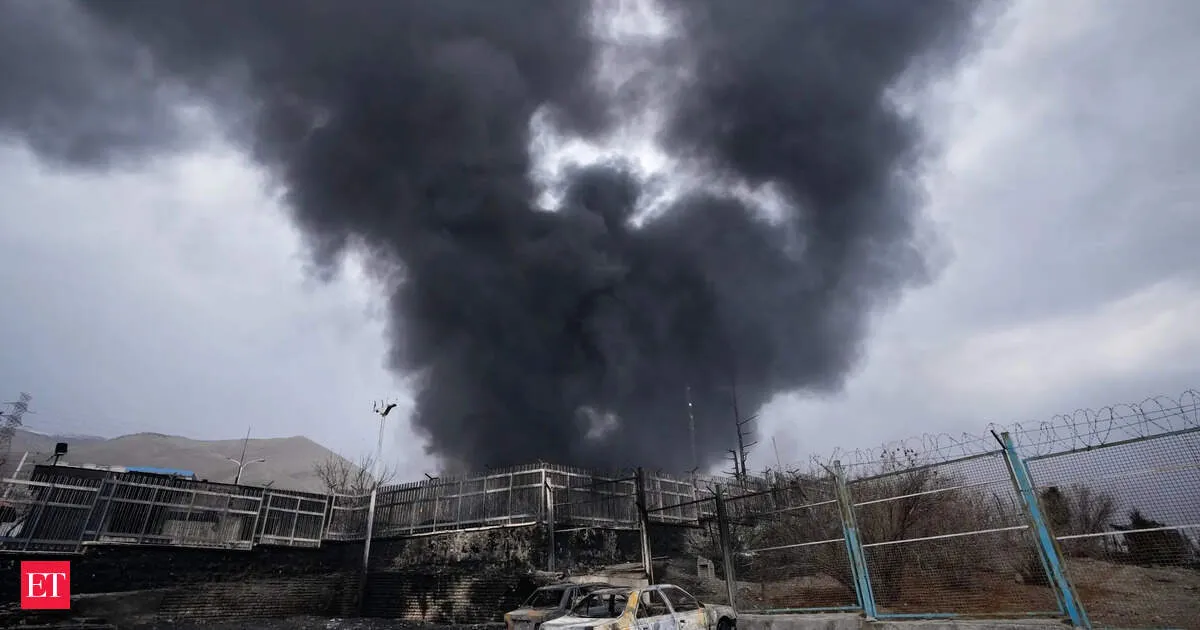
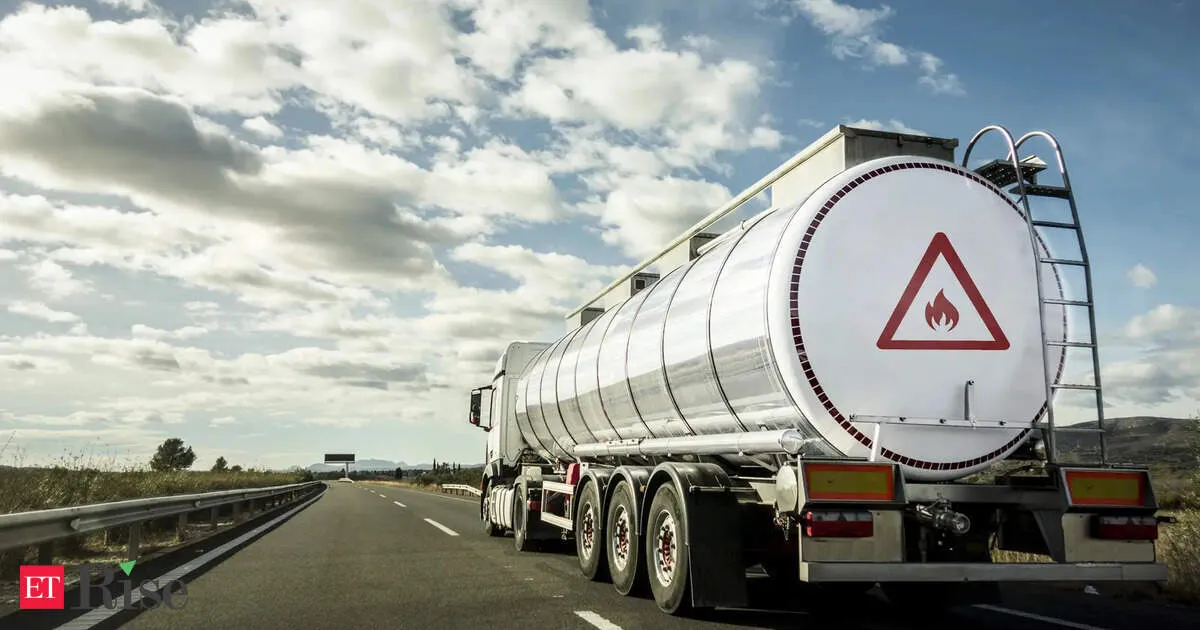
The World Bank warns global energy costs are poised to peak at the highest level since the Ukraine invasion, driven by Middle East conflict. Fertilizer prices are also expected to rise sharply, threatening crop yields and farmer incomes. As inflation climbs, interest rates may increase, making borrowing more expensive for developing countries and the poorest households.
IMF, World Bank and IEA leaders are urging countries to let energy stocks flow freely to global markets and avoid export controls that can tighten shortages. They say countries facing severe supply impacts are being consulted on concerns, as policymakers seek to keep fuel and energy availability steady during periods of volatility and risk.
The World Bank’s IFC says it will scale up investments in India to $10 billion per year by 2030, targeting renewable energy, urban infrastructure, and financial services. It is also exploring municipal bond financing with Indian states, a potential shift in how local projects are funded. The move underscores a deeper push to back India’s growth trajectory.
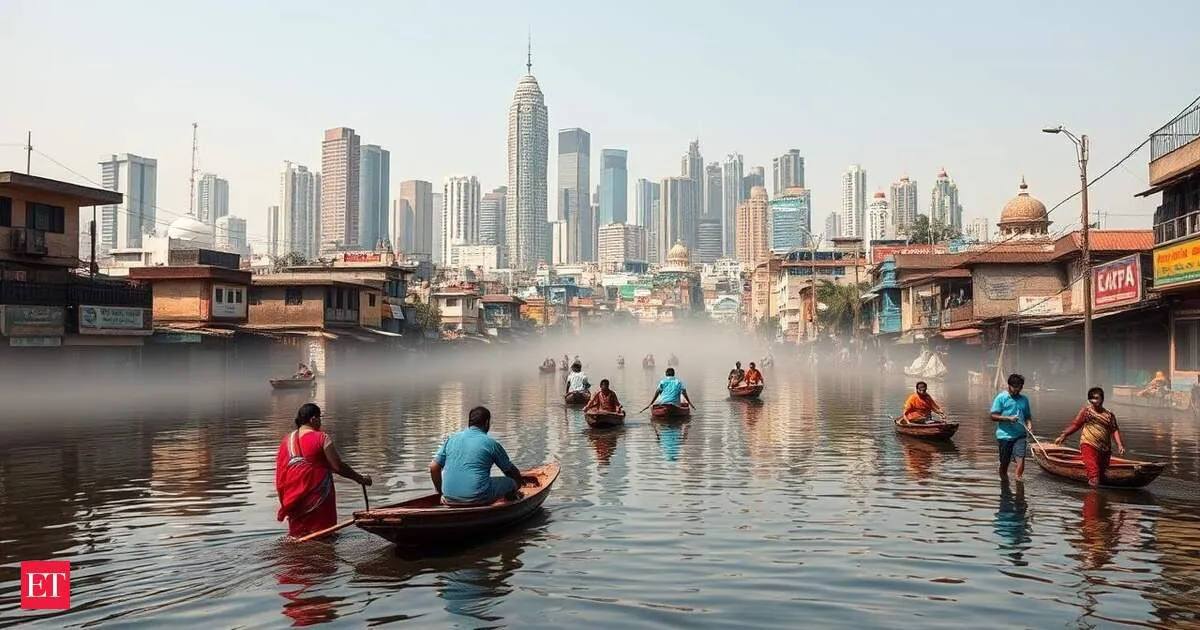
A World Bank report says Indian cities must invest about $2.4 trillion by 2050 to build resilient, low-carbon infrastructure as climate threats intensify. Rising floods and heatwaves could sharply increase economic losses without upgrades. Delhi, Chennai, Surat and Lucknow are flagged as especially exposed. The report calls for fiscal reforms and greater private capital to close the infrastructure gap.
Never miss a story
Set alerts for the topics and sources you care about. Download Beige for free.
The World Bank projects India’s GDP growth at 6.6% for FY27 and sees an average 7.1% from FY28 to FY29, despite risks from the Gulf conflict. It warns global energy prices could rise, but argues India’s macro strength—bolstered by reserves and low inflation—gives room to absorb shocks. It also stresses private sector growth for jobs and Viksit Bharat goals.
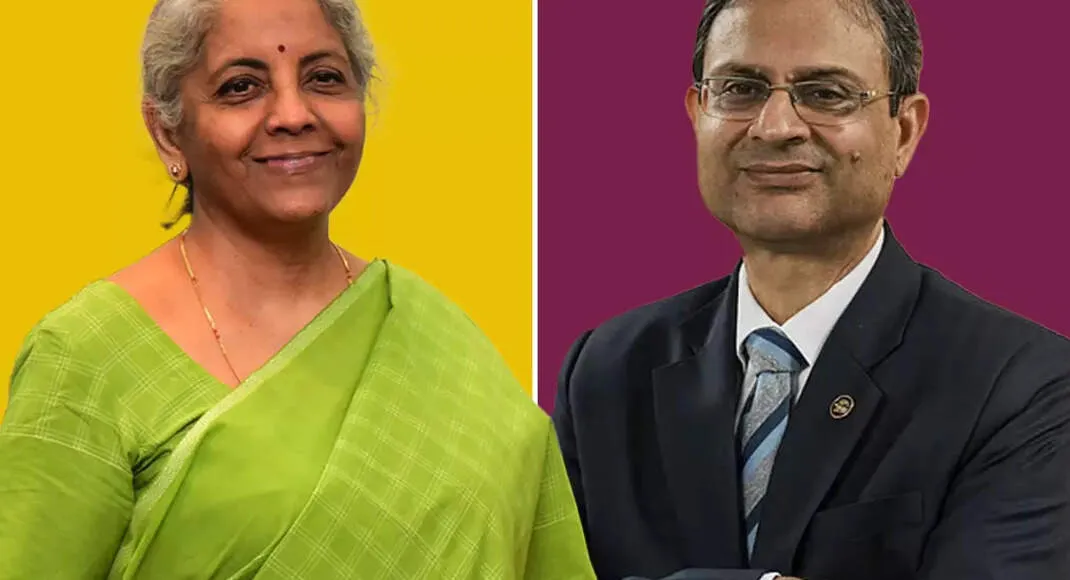
The World Bank has asked India’s finance ministry to stop hearing appeals against RBI orders and transfer that power to an independent, tribunal-style body. Supporters argue it would improve fairness and transparency, but critics note it revives an idea already pushed a decade ago by the Financial Sector Legislative Reforms Commission—raising questions about design and impact.
Swipe through stories, personalise your feed, and save articles for later — all on the app.